
Sauces & Condiments
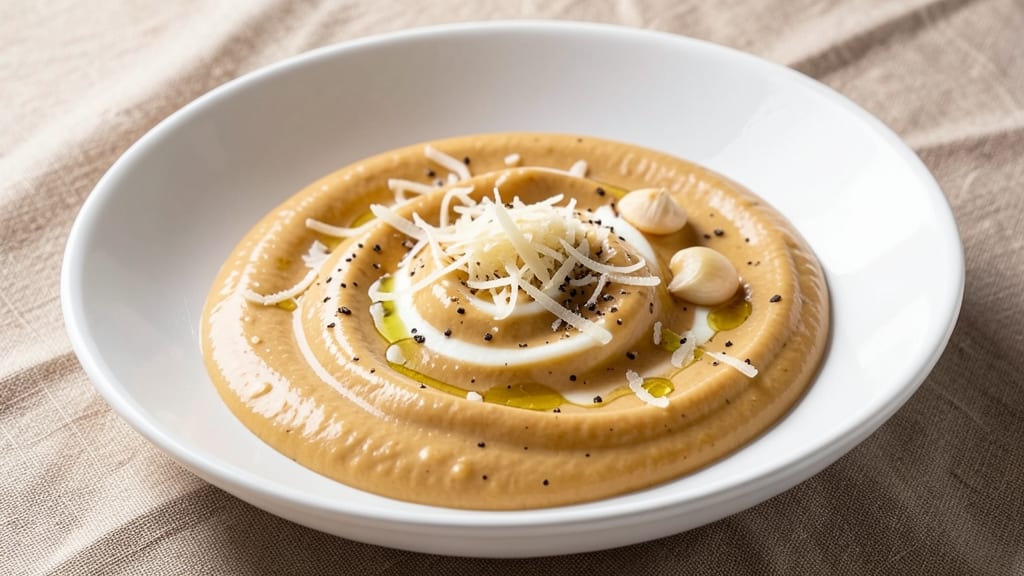
This ultra-creamy Alfredo sauce recipe with mozzarella and parmesan delivers restaurant-quality richness without clumps or separation. The secret lies in precise cheese ratios and a slow, controlled melting process that creates a velvety texture perfect for pasta or dipping.
I've perfected this method after years of testing—no lumps, no breaking, just smooth, luxurious sauce every time.
The key to success is using a 50/50 blend of mozzarella and parmesan, which balances creaminess with nutty depth. We'll melt the cheese gradually with butter and heavy cream, whisking constantly to prevent clumping.
This technique ensures a silky consistency that clings beautifully to fettuccine or chicken without turning greasy. The result? A sauce so rich it feels indulgent yet stays light enough for summer meals.
What makes this recipe stand out is its foolproof emulsification—no roux required. By combining the cheeses with warm cream and butter, we create a stable base that resists separation even when reheated.
The sauce maintains its velvety texture whether you toss it with hot pasta or drizzle it over grilled vegetables. For extra flavor, you can infuse it with garlic, herbs, or a splash of white wine without compromising the creamy foundation.
This sauce keeps beautifully in the refrigerator for up to 5 days or freezes for 3 months, making it perfect for meal prep. Whether you're serving it as a classic pasta dish or using it as a dipping sauce, the consistent texture and rich flavor will impress every time.
Let's get started on creating your perfect Alfredo sauce.
Ingredients for alfredo sauce recipe with mozzarella and parmesan
This ultra-creamy Alfredo sauce transforms simple ingredients into restaurant-quality richness.
| Ingredient | Amount | Notes |
|---|---|---|
| Low-Moisture Mozzarella Cheese 🧀 | 8 oz | Shredded by hand for best texture |
| Parmesan Cheese 🧀 | 8 oz | Freshly grated from block |
| Unsalted Butter 🧈 | ½ cup | Cold, cut into small cubes |
| Heavy Cream 🥛 | 1 ½ cups | Full-fat for richest texture |
| Garlic Cloves 🧄 | 4 cloves | Minced for subtle depth |
| Extra-Virgin Olive Oil 🫒 | 2 tbsp | For smoothness and balance |
| Diamond Crystal Kosher Salt 🧂 | ½ tsp | Fine grain for even seasoning |
| Freshly Ground Black Pepper 🌶️ | ¼ tsp | Freshly cracked for aroma |
| White Wine (optional) 🍷 | ¼ cup | Dry variety for brightness |
The cheese blend is everything—low-moisture mozzarella for meltability and Parmesan from a block for that nutty depth. Whole Foods or Trader Joe's carry excellent pre-shredded mozzarella, but grating your own ensures no clumps. For Parmesan, Parmigiano-Reggiano is non-negotiable—pre-grated tastes like sawdust. The butter? Cold cubes melt more evenly, creating a silky emulsion. I always grab European-style unsalted butter from Costco—it's worth the splurge for this sauce.
No heavy cream? Full-fat coconut milk works in a pinch, though texture will differ slightly. Short on mozzarella? Gruyère or fontina add a luxurious twist, though Parmesan remains essential. The garlic can be roasted for sweetness or raw for punch—I usually do both. White wine adds brightness but isn't mandatory; just swap for extra cream if skipping. For extra flavor, infuse the cream with a bay leaf while warming. And if you're worried about lumps? Whisk like your life depends on it—that's the secret to the silky texture.
This sauce is a meal-prep dream—stores perfectly for 5 days in the fridge or 3 months frozen. To reheat, warm gently with a splash of milk or water to restore creaminess. For serving, I like to keep a small jar in the fridge so I can quickly drizzle over hot pasta. Double the batch—it disappears faster than you'd think. And if you're feeling fancy, top with toasted breadcrumbs or fresh herbs right before serving.
Why You'll Love This Recipe
- Five-Ingredient Magic: I swear by this—just butter, cream, cheeses, and garlic. That’s it. No fancy reductions or whisking for hours. The mozzarella melts into a velvety blanket while the parmesan adds that sharp, salty punch in seconds.
- Garlic-Kissed Cream Dream: Between us, the roasted garlic cloves (or even raw, if you’re in a rush) transform this into something restaurant-worthy. The heavy cream soaks up all that flavor, and the low-moisture mozzarella? It doesn’t turn to soup—just rich, stretchy perfection.
- Weeknight to Dinner Party: Honestly, this sauce works for everything. Toss it with fettuccine for a lazy Tuesday, drizzle it over grilled chicken for a fancy-ish weeknight, or use it as a dip for crusty bread when friends drop by. No stress, all flavor.
- Leftovers That Don’t Let You Down: I make a double batch on Sundays because this sauce improves after sitting overnight. The flavors meld even better, and it reheats like a dream—no graininess, no separating. My freezer’s full of it, and I don’t even mind the leftovers.
Step-by-step instructions for ultra-creamy Alfredo sauce
Here's how to create a velvety, clump-free sauce that rivals restaurant quality every time.
Shred and Melt the Cheese Base
Start by shredding the 8 oz low-moisture mozzarella cheese by hand using a box grater—this creates smaller, more uniform pieces that melt smoothly. In a large saucepan, melt the 0.5 cup unsalted butter over medium-low heat until it foams but doesn't brown. Add the shredded mozzarella and stir constantly for 2-3 minutes until it begins to soften and clump slightly.
Here's the thing—don't walk away. Mozzarella releases moisture quickly, and if you let it sit too long, you'll end up with a watery sauce. The moment it starts to look like wet sand, remove the pan from heat and immediately add the 8 oz freshly grated parmesan cheese. The parmesan's lower moisture content helps stabilize the mixture.
Build Flavor with Aromatics and Cream
Return the pan to medium heat and add the 2 tbsp extra-virgin olive oil and 4 cloves minced garlic. Cook for 1-2 minutes until the garlic becomes fragrant but doesn't brown—this prevents bitterness. Pour in the 1.5 cups heavy cream and the 0.25 cup white wine (if using), stirring constantly to combine.
Bring the mixture to a gentle simmer, then reduce heat to low. This is where the magic happens: the cream will begin to thicken as it incorporates the melted cheeses. If you see any cheese clumps forming, use an immersion blender to smooth them out—this keeps the sauce silky without over-processing it into a paste.
Season and Refine the Texture
Simmer the sauce for 5-7 minutes until it coats the back of a spoon and reaches 170°F—this ensures all bacteria are killed while maintaining creaminess. Season with 0.5 tsp diamond crystal kosher salt and 0.25 tsp freshly ground black pepper, tasting as you go. The sauce should be rich but not overpowering.
If the sauce is too thick, whisk in 1-2 tablespoons of hot pasta water to reach your desired consistency. For extra smoothness, strain it through a fine-mesh sieve to remove any remaining garlic particles. This final step guarantees a velvety texture that clings beautifully to fettuccine or chicken.
Keep Warm and Serve Immediately
Transfer the sauce to a clean saucepan and keep it warm over low heat, stirring occasionally to prevent a skin from forming. The sauce should never boil—just maintain a gentle simmer. If you're not serving it immediately, cover the surface with a layer of plastic wrap pressed directly onto the sauce to prevent drying.
Alfredo sauce is best served fresh, so toss it with hot pasta or drizzle over grilled chicken just before serving. The residual heat from the food will help distribute the sauce evenly, creating that perfect creamy coating we're after. This isn't a sauce you want to reheat later—it loses its velvety texture when cooled and reheated.
Pro Tips For Making Alfredo Sauce Recipe With Mozzarella And Parmesan
- Melt Cheese Slowly: Low-moisture mozzarella will clump like a sad, rubbery lump if you dump it in hot cream. Instead, shred it yourself (block cheese melts better than pre-shredded) and add it to the warm—not boiling—cream in batches, stirring like you’re trying to win a prize for patience. I learned this the hard way after staring at a sauce that looked like it belonged in a science experiment.
- Toast the Garlic Right: Minced garlic burns in seconds, so smash 2-3 whole cloves with the flat of your knife first, then sauté in butter over medium-low heat until fragrant but still golden—not brown. Overcooked garlic turns bitter, and that’s the last thing you want in a creamy sauce meant to make people swoon. (Yes, even if you’re impatient like me.)
- Skip the Pre-Shredded Parmesan: That orange dust in the canister? It’s basically sawdust with a side of regret. Grate your own Parmesan fresh—just before adding it to the sauce—and use the fine holes on your box grater. The difference in flavor and texture is night and day, and it takes all of two minutes. Your sauce will taste like it came from a restaurant, not a convenience aisle.
- Temper the Cream: Heavy cream scalds easily, and once it curdles, there’s no fixing it. Heat the cream in a separate saucepan until it’s steaming (not boiling) before mixing it into the butter-garlic base. This way, the sauce comes together smoothly instead of separating like a bad relationship. (And trust me, you don’t want that drama in your Alfredo.)
Wine and beer pairings for alfredo sauce recipe with mozzarella and parmesan
White Wine Brightness
Dry Italian whites like Pinot Grigio or Vermentino cut through the sauce's richness beautifully. Their crisp acidity and citrus notes refresh your palate between bites. I always reach for a chilled bottle of Santa Margherita Pinot Grigio—it's the perfect balance of brightness and smoothness. 🍷
For a more aromatic pairing, try Soave Classico from Veneto. Its almond notes complement the Parmesan's nutty depth while the acidity prevents the sauce from feeling too heavy. Serve it slightly cooler than room temperature for maximum impact.
Crisp Lager Pairings
A cold Peroni or Moretti lager is my go-to beer pairing. The effervescence cleanses your palate, while the light maltiness keeps the dish from feeling too indulgent. For a craft option, look for a Belgian witbier like Hoegaarden—the coriander and citrus notes add a refreshing contrast.
Avoid heavy stouts or IPAs—they'll overpower the delicate creaminess. Instead, opt for a light Italian lager or even a sparkling water with lemon if you're watching your alcohol intake. The fizz helps reset your taste buds between bites.
Red Wine Exception
If you prefer red, go for a light-bodied Chianti or Pinot Noir. The acidity in Chianti mirrors the sauce's creaminess, while the earthy notes in Pinot Noir add complexity. I like Sangiovese-based Chiantis for their bright acidity and subtle cherry undertones. 🍷
For a bolder option, try a Barbera d'Asti. Its juicy acidity and dark fruit flavors stand up to the richness without competing. Just be sure to decant it for 15-20 minutes before serving to soften the tannins.
Non-Alcoholic Options
For a refreshing non-alcoholic pairing, try sparkling apple cider like Martinelli's. The effervescence and slight sweetness complement the sauce's creaminess without overpowering it. Another great option is ginger beer—the spicy kick adds an unexpected but delightful contrast.
Herbal iced teas, especially those with peppermint or lavender, also work well. The cool temperature and subtle floral notes help balance the richness of the sauce. Just avoid overly sweetened versions—they'll clash with the savory flavors.
Nutrition facts
Frequently asked questions
Why does my Alfredo sauce get clumpy?
Clumps happen when cheese melts unevenly or moisture content isn't balanced. Always use low-moisture mozzarella and freshly grated parmesan—pre-shredded cheeses contain anti-caking agents that prevent smooth melting. Stir constantly over medium-low heat and remove from heat just before the mozzarella fully melts, then add parmesan to stabilize it. For extra smoothness, blend briefly with an immersion blender.
Can I make this sauce without heavy cream?
Yes! For a lighter version, substitute with full-fat coconut milk (though texture will be slightly different) or half-and-half. To maintain richness, add 1 extra tablespoon of butter. The key is keeping the fat content high—without it, the sauce may separate. Test consistency by coating the back of a spoon with sauce.
How do I prevent my Alfredo sauce from separating when reheating?
Never boil the sauce—always reheat over low heat while stirring constantly. If it thickens too much, thin with 1 tablespoon of warm milk or pasta water. For storage, let it cool completely before refrigerating. When reheating, add a splash of liquid (milk or cream) to restore creaminess. The sauce should reach 170°F but never bubble vigorously.
What's the best way to store leftover Alfredo sauce?
Store in an airtight container in the fridge for up to 5 days. Press plastic wrap directly onto the sauce surface to prevent drying. For freezing, portion into ice cube trays or small containers—this makes it easy to thaw just what you need. To reheat, warm gently with a splash of milk or water. Note: Texture may slightly break down after freezing, so it's best used fresh.
Can I add other cheeses to this recipe?
For extra richness, swap 2 oz of mozzarella with Gruyère or fontina. These cheeses melt beautifully and add depth. Avoid high-moisture cheeses like cheddar—stick to 80% mozzarella/20% parmesan as your base. For a tangy twist, add 1 oz of pecorino romano. Just remember: the cheese ratio affects both flavor and texture, so adjust gradually.