
Sauces & Condiments
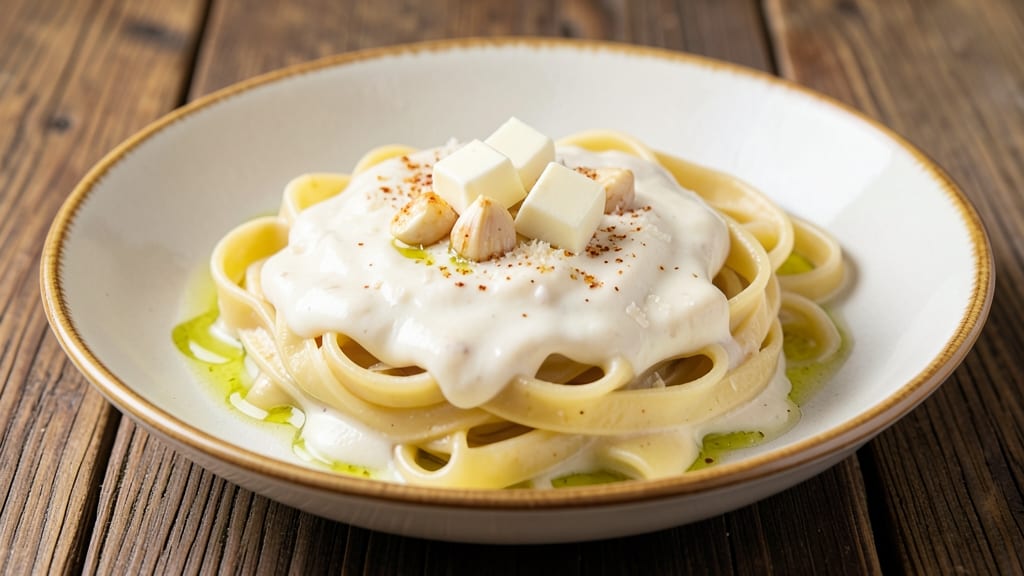
This tasty alfredo sauce recipe delivers restaurant-quality velvety richness with a depth of flavor that transforms ordinary pasta into something extraordinary. The secret lies in slow-cooked butter and cream, balanced by sharp Parmesan and a touch of garlic for that unmistakable umami punch.
I've perfected this sauce over years of testing—no lumps, no separation, just pure, creamy indulgence that clings perfectly to every strand of fettuccine.
The foundation starts with equal parts butter and cream, simmered until fragrant before adding freshly grated Parmesan. Never use pre-shredded cheese—the fine particles create graininess. A splash of pasta water at the end ensures the sauce is silky and clings beautifully.
This version requires just 10 minutes of active time but delivers a sauce that tastes like it simmered for hours.
What makes this sauce stand out is its versatility—it elevates pasta, chicken, or even vegetables into a luxurious meal. The sauce maintains its creamy texture even after reheating, making it perfect for meal prep.
For a lighter option, substitute half the cream with whole milk or use a vegan butter and coconut milk base without sacrificing flavor.
The key to success is patience—letting the sauce thicken gradually on low heat prevents curdling. Once you taste the first forkful of perfectly coated pasta, you'll understand why this sauce is worth every minute of effort. Let's create something truly special for your next dinner.
Ingredients for alfredo sauce recipe tasty
Equal parts butter and cream meet sharp Parmesan and garlic for velvety perfection.
| Ingredient | Amount | Notes |
|---|---|---|
| Unsalted Butter 🧈 | ¾ cup | Cold, cut into small cubes |
| Heavy Cream 🥛 | ¾ cup | Full-fat for richness |
| Freshly Grated Parmesan Cheese 🧀 | 1 ½ cups | From block, not pre-shredded |
| Garlic Cloves 🧄 | 4 cloves | Minced, not powdered |
| Extra-Virgin Olive Oil 🫒 | 2 tbsp | For finishing, fruity variety |
| Pasta Water 💧 | ¼ cup | Reserved from cooking pasta |
| Diamond Crystal Kosher Salt 🧂 | ½ tsp | Fine grain preferred |
| Freshly Ground Black Pepper 🌶️ | ¼ tsp | Freshly cracked for best flavor |
| Dry White Wine 🍷 | ¼ cup | Optional, for depth (Chardonnay) |
| Freshly Shredded Nutritional Yeast 🍞 | 1 tbsp | For umami boost (optional) |
The butter and cream are non-negotiable here—full-fat versions create that luxurious mouthfeel. Plugrá or Land O'Lakes are my go-tos for butter, but any good-quality brand works. For the Parmesan, always grate it fresh—pre-shredded cheese contains anti-caking agents that create graininess. If you're feeling fancy, grab a wedge from the deli counter at Whole Foods or your local specialty market. The garlic should be freshly minced (not powdered)—it adds that unmistakable umami depth that separates good Alfredo from great. I like to toast the garlic in the butter for 30 seconds before adding cream to build even more flavor.
No heavy cream? Half-and-half plus a splash of whole milk works in a pinch, though the sauce will be slightly lighter. Running out of Parmesan? Pecorino Romano has a sharper bite that works beautifully. The white wine is truly optional, but if you include it, dry Chardonnay is your best bet—it adds acidity to balance the richness. For a lighter option, swap half the cream for unsweetened almond milk, though the texture will be slightly thinner. The nutritional yeast adds that cheesy, umami punch without dairy—perfect for those who want to tweak the flavor profile without compromising texture.
This sauce reheats beautifully—just warm it gently on low heat, stirring often. For meal prep, store in airtight containers with a thin layer of olive oil on top to prevent a skin from forming. Keeps 5 days in the fridge and freezes for 3 months. I like to portion it into individual containers so I can grab just what I need for a quick pasta night. The sauce thickens as it cools, so if it seems too stiff when reheating, simply whisk in a splash of warm water or pasta water to restore its silky consistency.
Why You'll Love This Recipe
- Here’s the truth: this sauce actually improves the next day. The flavors meld even better, and it reheats like a dream—no lumps, no sad texture. I’ve frozen it for months, and it still tastes like I made it yesterday.
- Five-Ingredient Magic: I swear by this combo—just butter, cream, Parmesan, garlic, and olive oil. No fancy gadgets, no stress, and honestly? It’s the kind of sauce that makes you wonder why you ever bought jarred versions.
- Garlic Butter Bliss: That moment when you melt butter with raw garlic? Pure satisfaction. The richness of the cream ties it all together—creamy, garlicky, and just salty enough from the Parmesan to make your taste buds dance.
- Weeknight to Dinner Party: Same sauce, different occasions. Slather it on fettuccine for a lazy Tuesday or drizzle it over grilled chicken for guests. It’s my go-to when I need something that feels special but doesn’t require a grocery haul.
Step-by-step instructions for velvety Alfredo sauce
Here's how to craft a restaurant-quality Alfredo sauce with layers of flavor and perfect texture.
Melt Butter and Infuse with Garlic
In a medium saucepan, melt the 0.75 cup unsalted butter over medium-low heat. I like to cut the butter into small cubes first—this helps it melt more evenly without burning. Once fully melted, add the 4 cloves minced garlic and stir gently for 1-2 minutes until fragrant but not browned.
Watch the garlic carefully—it burns quickly, and burnt garlic will make your sauce bitter. The moment you catch that nutty aroma, it's time to move to the next step. This garlic infusion forms the aromatic base of your sauce, so don't rush it.
Add Cream and Wine for Depth
Pour in the 0.75 cup heavy cream and 0.25 cup dry white wine (if using), stirring constantly to combine. Bring the mixture to a gentle simmer over medium heat, then reduce the heat to low to maintain a slow, steady bubble. Let it simmer uncovered for 5-7 minutes, stirring occasionally.
This simmering step is crucial—it allows the wine to cook off slightly, deepening its flavor while the cream begins to thicken. You'll notice the sauce will reduce slightly and develop a glossy sheen. If you skipped the wine, just add a splash of pasta water to keep the sauce moving.
Incorporate Cheese and Nutritional Yeast
Gradually whisk in the 1.5 cups freshly grated Parmesan cheese, adding it in small batches to prevent clumping. Once fully incorporated, stir in the 1 tbsp freshly shredded nutritional yeast (if using) and the 0.5 tsp Diamond Crystal kosher salt. The sauce should begin to thicken noticeably as the cheese melts.
I always use freshly grated cheese here—pre-shredded contains anti-caking agents that can make the sauce grainy. Keep stirring gently over low heat for 3-4 minutes until the sauce reaches your desired consistency. If it's too thick, add pasta water 1 tablespoon at a time until smooth and creamy.
Finish with Olive Oil and Pepper
Remove the sauce from heat and stir in the 2 tbsp extra-virgin olive oil and 0.25 tsp freshly ground black pepper. The olive oil adds a subtle fruity note and helps balance the richness. Taste and adjust seasoning if needed—sometimes the Parmesan needs a touch more salt, or the pepper could use a slight boost.
Let the sauce rest for 5 minutes before serving. This resting period allows the flavors to meld completely and the sauce to reach its ideal velvety consistency. The sauce should coat the back of a spoon smoothly, with no graininess or lumps.
Toss with Pasta and Reserve Water
When ready to serve, toss the cooked pasta with the sauce, adding pasta water as needed to reach your preferred consistency. I like to reserve about 0.25 cup pasta water specifically for this step—it's starchy and helps the sauce cling beautifully to each strand.
Serve immediately while the sauce is hot and creamy. The finished sauce should be rich, velvety, and full of umami depth from the Parmesan and nutritional yeast. Each bite should deliver that perfect balance of creaminess and savory flavor that makes Alfredo sauce so irresistible.
Pro Tips For Making Alfredo Sauce Recipe Tasty
- Melt Butter Slowly: Start with cold butter—no rush—let it melt into the cream gradually over medium heat. I used to dump it in all at once and end up with greasy, separated sauce. This way, the fat emulsifies smoothly and the garlic toasts without burning.
- Grind Parmesan Fresh: Skip the pre-grated stuff—it’s full of anti-caking agents that make the sauce grainy. Use a microplane or fine grater right before adding it to the sauce. The cheese should dissolve into a velvety, cohesive texture, not clump like wet sand.
- Infuse Cream with Garlic: Sauté 1-2 minced garlic cloves in olive oil until golden (not brown), then pour in the heavy cream with the garlic. This adds depth without overpowering—just a subtle, toasty aroma. I learned this after tasting bland sauce from skipping the oil step entirely.
- Temper the Heat: Never boil the sauce—keep it at a gentle simmer (tiny bubbles at the edges) to prevent curdling. After adding the Parmesan, remove from heat for 30 seconds. The residual heat will finish the emulsion without breaking the sauce. Trust me, your future fettuccine will thank you.
Storing and reheating your leftovers
Fridge Storage Secrets
Store your Alfredo sauce in an airtight glass container—I recommend Pyrex with a snap-on lid—and refrigerate for up to 5 days. The sauce thickens as it cools, so stir in 1-2 tablespoons of warm water or pasta water when reheating to restore its silky texture.
Always let the sauce cool completely before sealing to prevent condensation that can cause separation. 💧
Freezer Magic
For long-term storage, freeze the sauce in quart-sized freezer bags with 1-inch headspace to prevent expansion cracks. Portion into individual servings so you can thaw just what you need. This sauce freezes beautifully for 3 months—just thaw overnight in the fridge and reheat gently on low heat, stirring often.
Never microwave directly from frozen, as it can create a skin or make the sauce grainy.
Reheating Like a Pro
My preferred method is stovetop reheating: place the sauce in a saucepan over low heat and add 1-2 tablespoons of water or pasta water to prevent sticking. Stir constantly for 3-5 minutes until warmed through—165°F internal temperature is ideal.
Avoid high heat, which can cause the sauce to separate or develop a skin. For extra richness, finish with a drizzle of extra-virgin olive oil and a pinch of freshly cracked black pepper.
Microwave Shortcuts
When time is tight, microwave portions in glass or ceramic containers (never plastic) on 50% power for 1-2 minutes. Stir halfway through, then continue in 30-second intervals until heated. Add a splash of warm water if the sauce thickens too much.
Cover loosely with a damp paper towel to prevent drying out. This method works best for single servings and keeps the sauce creamy with minimal effort. ✨
Reviving Thickened Sauce
If your refrigerated sauce has thickened too much, don't toss it! Simply whisk in 1-2 tablespoons of warm water or reserved pasta water until smooth. The starch in pasta water helps restore the sauce's natural cling and creaminess.
For extra insurance, place the container in a bowl of warm water for 5 minutes before reheating—this gentle heat helps the sauce return to its ideal consistency. This trick saves perfectly good sauce from becoming a culinary casualty.
Meal Prep Pro Tips
Prep your Alfredo sauce ahead for busy nights by storing it in individual portion containers with a thin layer of olive oil on top. This oil barrier prevents a skin from forming and keeps the sauce fresh longer.
Label containers with dates and reheat only what you'll use within 3 days for peak flavor. I like to pair prepped Alfredo with pre-cooked chicken or roasted vegetables for quick, satisfying meals. The sauce's versatility makes it perfect for batch cooking and stress-free dinners. 💡
Nutrition facts
Frequently asked questions
Can I make this Alfredo sauce without heavy cream?
Yes! For a lighter version, replace half the heavy cream with whole milk or unsweetened almond milk. The sauce will be slightly thinner but still creamy. For extra richness, add 1 tablespoon cornstarch mixed with 2 tablespoons cold water to thicken it as it simmers. The flavor will be milder but still delicious.
Why did my Alfredo sauce get grainy?
Graininess usually happens when using pre-shredded cheese (it contains anti-caking agents) or when the sauce cools too quickly. Always grate your own Parmesan and keep the sauce warm while mixing. If it happens, whisk in 1 tablespoon warm pasta water and return to low heat until smooth. The starch in pasta water helps restore creaminess.
How can I make this sauce spicier?
Boost the heat by adding ½ teaspoon red pepper flakes or 1 chopped jalapeño when infusing the garlic. For a smoky kick, stir in ½ teaspoon smoked paprika at the end. If you love chili heat, finish with 1 teaspoon hot sauce or a pinch of cayenne. Start with small amounts—you can always add more!
Can I use this sauce for dishes besides pasta?
This creamy sauce works beautifully on grilled chicken, roasted vegetables, or even as a dip for garlic bread. For meat, simmer the sauce with 1 teaspoon soy sauce for extra umami depth. For vegetables, add ½ cup chicken broth to thin it slightly. The possibilities are endless!
What's the secret to the smoothest texture?
The key is patience! Simmer the sauce on low heat for 5-7 minutes before adding cheese, and whisk constantly to prevent lumps. Always use freshly grated cheese and avoid high heat—it can cause separation. For extra silkiness, strain the sauce through a fine-mesh sieve before serving. The result? A velvety finish that coats every bite perfectly.