
Sauces & Condiments
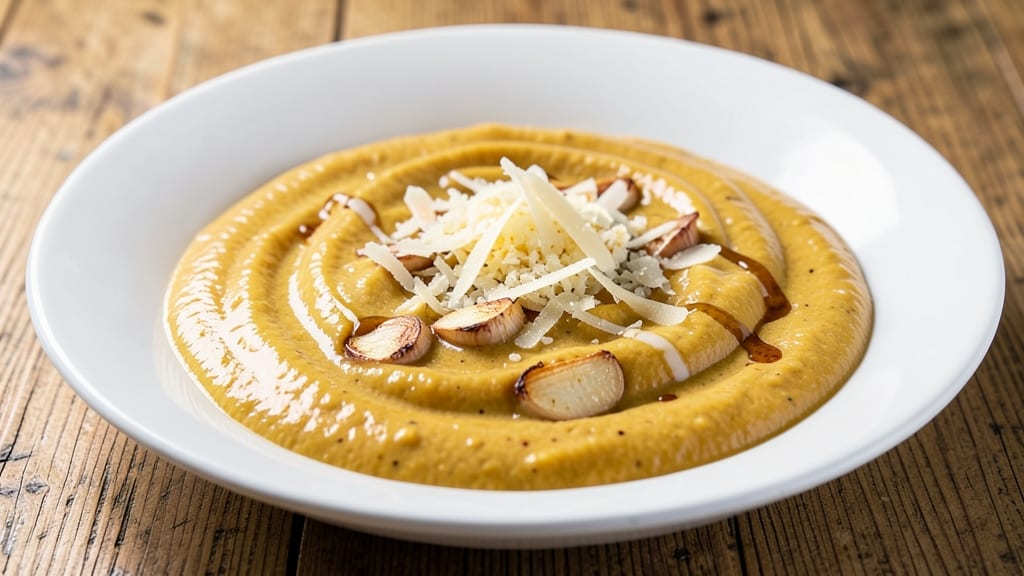
This Alfredo sauce recipe Panlasang Pinoy transforms classic Italian creaminess into something uniquely Filipino—rich, velvety, and layered with subtle tang. The secret lies in a garlic-butter base balanced with just enough vinegar for that signature panlasang Pinoy zing, while coconut milk adds depth without overpowering.
What sets this apart is how it emulsifies perfectly for a sauce that coats pasta or seafood like a dream, yet stays stable enough to reheat without breaking.
The foundation starts with browned garlic and butter, where the edges caramelize for nutty sweetness before being deglazed with a splash of vinegar—a technique borrowed from Filipino cooking that brightens the sauce without acidity.
Coconut milk then joins the party, creating a luxurious creaminess that pairs beautifully with traditional flavors like chili flakes or soy sauce. The result? A sauce that’s creamy enough to cling to noodles but light enough to let the dish’s natural flavors shine through.
What makes this recipe truly versatile is its ability to elevate more than just pasta. Drizzle it over garlic shrimp, toss with stir-fried vegetables, or use it as a dipping sauce for spring rolls. The best part?
It keeps well in the fridge for up to a week, so you can make a big batch and enjoy it all week long. Whether you're serving it at a family gathering or treating yourself to a cozy night in, this sauce delivers restaurant-quality richness with a Filipino twist.
Ready in just 30 minutes, this recipe is perfect for weeknight dinners or meal prep. The key steps—simmering, emulsifying, and balancing flavors—ensure a foolproof sauce every time. Let’s get cooking!
Ingredients for alfredo sauce recipe panlasang pinoy
Nine ingredients blend into a velvety sauce that marries Italian creaminess with Filipino tang.
| Ingredient | Amount | Notes |
|---|---|---|
| Unsalted Butter 🧈 | ½ cup | Cold, cubed for browning |
| Garlic Cloves 🧄 | 6 cloves | Minced, skin-on for depth |
| White Vinegar 🍶 | 1 tbsp | Distilled for brightness |
| Full-Fat Coconut Milk 🥥 | 1 can | 13.5 oz can, stirred well |
| Heavy Cream 🥛 | ½ cup | Full-fat for richness |
| Parmesan Cheese 🧀 | ½ cup | Freshly grated, fine |
| Chili Flakes 🌶️ | ½ tsp | Adjust for heat preference |
| Soy Sauce 🥢 | 1 tsp | Light or regular |
| Diamond Crystal Kosher Salt 🧂 | ½ tsp | Fine grain preferred |
| Freshly Ground Black Pepper 🌶️ | ¼ tsp | Freshly cracked preferred |
The butter and garlic form the sauce's soul. European-style unsalted butter (like Plugrá) browns beautifully, while skin-on garlic cloves caramelize for nutty depth—don't skip the skin. For vinegar, distilled white vinegar from Heinz or Annie's ensures consistent brightness without overpowering. The coconut milk should be full-fat, canned variety—Thai Kitchen or Goya brands work perfectly. Stir the can well before opening to prevent separation. If you're using reduced-fat coconut milk, add an extra tablespoon of heavy cream to compensate for the lighter texture.
No white vinegar? Rice vinegar at double the amount works in a pinch, though it adds a slight sweetness. Short on heavy cream? Full-fat Greek yogurt thinned with milk mimics the richness. The Parmesan must be freshly grated—pre-shredded contains anti-caking agents that prevent proper emulsification. For a vegetarian version, swap the Parmesan for nutritional yeast (though the umami will differ). Chili flakes can be omitted entirely if you prefer a milder sauce, but the soy sauce adds that essential panlasang Pinoy savoriness—Lee Kum Kee brand has the perfect balance of salt and umami.
This sauce emulsifies beautifully but separates when chilled. To reheat, gently warm over low heat while whisking vigorously—never microwave. Keeps 5-7 days refrigerated in an airtight container, though the texture may thicken slightly. For longer storage, freeze in ice cube trays and transfer to a bag—perfect for single-use portions. The sauce thickens as it cools, so thin with a splash of warm water or milk before serving if needed. Always taste before serving and adjust seasoning—salt and pepper are your best friends for balancing the rich flavors.
Why You'll Love This Recipe
- No Garlic Overload: I’ll be real—this version skips the usual clove-counting madness. Just a handful of garlic cloves, lightly sautéed in butter until golden, not burnt. That’s it. The vinegar kick balances the richness, so you get real garlic flavor without the "I ate a whole bulb" regret.
- Creamy Without Guilt: Between the coconut milk and heavy cream, this sauce is velvety smooth but doesn’t weigh you down. The vinegar cuts through the richness just enough to keep it light—honestly, it’s the kind of sauce that makes you want to slather it on everything, but you’ll still feel okay about it.
- Pantry Staple Magic: You’re probably already stocked for this. Butter? Check. Garlic? Always. Vinegar? Lurking in your fridge. The rest? Basic ingredients you’ll use again. No weird specialty items, no last-minute grocery runs—just pull what you’ve got and go.
- Leftovers That Beg for Seconds: This sauce thickens beautifully when reheated, so you’ll end up making double batches without even trying. Store it in the fridge for up to a week, and it’s still creamy enough to drizzle over noodles, chicken, or veggies—no sad, watery afterthoughts here.
Step-by-step instructions for creamy garlic-butter Alfredo sauce
This method delivers a velvety, restaurant-quality sauce with a perfect balance of richness and subtle depth.
Melt Butter and Bloom Garlic for Maximum Flavor
Place a medium saucepan over medium-low heat and add the 0.5 cup unsalted butter in its cold, cubed form. Allow it to melt slowly while stirring occasionally—this gradual process prevents burning and creates a smoother sauce foundation. Once fully melted, add the 6 cloves minced garlic cloves (with skins) and cook for 2-3 minutes until the garlic is fragrant but hasn't yet browned.
Here's the thing—cooking the garlic skin-on adds subtle bitterness that enhances the sauce's complexity. Remove the garlic skins with a slotted spoon and set them aside. The skins will infuse the butter with their natural oils, creating a more flavorful base than peeled garlic alone.
Deglaze with Vinegar and Soy Sauce
Immediately add the 1 tablespoon white vinegar and 1 teaspoon soy sauce to the pan. The vinegar will react with the butter, creating a bright, tangy foundation that cuts through the richness. Stir constantly for 1 minute until the mixture comes to a gentle simmer and the vinegar has fully incorporated.
This step might seem counterintuitive—adding acid to a creamy sauce—but it's what gives this Panlasang Pinoy version its signature balance. The vinegar also helps emulsify the sauce later, preventing separation. If you smell the vinegar too strongly at this stage, don't worry—the coconut milk will mellow it out.
Build the Creamy Base with Coconut Milk
Pour in the 1 can full-fat coconut milk (stirred well) and bring the mixture to a gentle simmer over medium heat. Reduce heat to low and let it cook uncovered for 5-7 minutes, stirring occasionally. You're looking for the sauce to thicken slightly and develop a glossy sheen—this indicates the milk's natural starches are beginning to activate.
The coconut milk adds a subtle sweetness that complements the garlic and butter beautifully. If you notice the sauce separating slightly, whisk vigorously for 30 seconds to re-emulsify. This is normal with coconut milk—just give it a good stir to bring everything back together.
Incorporate Cream and Cheese for Richness
Temporarily remove the sauce from heat and whisk in the 0.5 cup heavy cream and 0.5 cup freshly grated Parmesan cheese. Return the pan to low heat and stir constantly for 2-3 minutes until the cheese has completely melted and the sauce has thickened to a velvety consistency. If the sauce becomes too thick, whisk in 1-2 tablespoons of water to reach your desired pouring consistency.
This is where the sauce comes together. The heavy cream adds luxurious mouthfeel while the Parmesan contributes umami depth. For a smoother texture, strain the sauce through a fine-mesh sieve at this stage to remove any cheese grit. Season with the 0.5 teaspoon kosher salt, 0.25 teaspoon black pepper, and 0.5 teaspoon chili flakes, adjusting to taste.
Finish and Rest for Optimal Texture
Return the sauce to low heat and let it simmer gently for 1 additional minute to fully meld all the flavors. Remove from heat and let it rest for 5 minutes—this crucial step allows the sauce to thicken further and develop its full flavor profile. The resting period also prevents the sauce from curdling when combined with hot pasta.
Before serving, give the sauce one final taste and adjust seasoning if needed. The sauce should be creamy yet light enough to coat pasta beautifully, with a perfect balance of garlic, umami, and just a hint of vinegar brightness. Serve immediately over fettuccine or your favorite pasta, reserving some sauce to toss with the cooked noodles.
Pro Tips For Making Alfredo Sauce Recipe Panlasang Pinoy
- Bloom the Garlic: Slice those garlic cloves paper-thin (almost translucent) and let them sit in the butter for 30 seconds before adding vinegar. I learned this the hard way—raw garlic burns easily, and you’ll end up with bitter bits instead of that sweet, nutty aroma we all crave.
- Whisk the Cream Cold: Chill your heavy cream in the fridge for 10 minutes before mixing it in. Warm cream separates like a bad breakup, and once it splits in your sauce, there’s no fixing it. Trust me, the extra 10 minutes saves you from a greasy mess.
- Simmer, Don’t Boil: Keep the heat low after adding the coconut milk—just enough to see tiny bubbles at the edges, not a full-on rolling boil. I used to rush this, and the sauce would curdle like a bad milkshake. Patience here makes all the difference.
- Vinegar First, Then Cream: Add the white vinegar before the heavy cream, and let it cook off for 30 seconds to mellow its sharpness. Skip this, and your sauce will taste like someone poured lemon juice into your pasta. Sounds weird, but it works—your taste buds will notice.
Regional styles of these flavors
Filipino-Inspired Twist
This sauce takes classic Alfredo to new heights by blending Italian creaminess with Filipino flavors. The white vinegar and soy sauce create that signature panlasang Pinoy tang, while coconut milk adds a subtle sweetness that balances the richness.
I love how the vinegar brightens the sauce without overpowering—it’s what makes this version uniquely Filipino. 🌶️
Creamy Yet Light Texture
The secret to this sauce’s perfect consistency lies in the coconut milk and heavy cream combination. Unlike traditional Alfredo, this version stays creamy without being overly heavy, thanks to the coconut’s natural lightness.
The sauce clings beautifully to pasta or seafood while still allowing the dish’s natural flavors to shine through. For an even smoother finish, strain it through a fine-mesh sieve before serving.
Versatile Pairings
This sauce isn’t just for pasta—it elevates everything from garlic shrimp to stir-fried vegetables. I often drizzle it over spring rolls or use it as a dip for fresh veggies.
The subtle heat from the chili flakes and umami from the soy sauce make it a perfect match for Filipino-inspired dishes like adobo or sinigang-style seafood. 🍤
Restaurant-Quality at Home
What sets this sauce apart is its ability to reheat without breaking—just whisk gently over low heat until smooth. Store it in an airtight container for up to 5-7 days, or freeze in ice cube trays for single-use portions.
The sauce thickens as it cools, so thin with a splash of warm water or milk before serving if needed. Trust me, this is the kind of sauce that’ll make you feel like a pro chef. ✨
Customizable Heat Level
Adjust the chili flakes to your taste—start with ½ teaspoon for a mild kick, or double it for a spicier sauce. If you prefer a smokier flavor, add ¼ teaspoon smoked paprika when incorporating the cream and cheese.
For extra depth, stir in 1 teaspoon fish sauce (like Red Boat) for a more authentic Filipino touch. The possibilities are endless! 🌶️
Nutrition facts
Frequently asked questions
Why does this recipe use vinegar in Alfredo sauce?
Vinegar is the secret to balancing the sauce's richness while adding that signature panlasang Pinoy tang. The acidity helps emulsify the sauce better than traditional Alfredo recipes, preventing separation and creating a brighter flavor profile that pairs perfectly with coconut milk. Think of it as the Filipino twist that keeps the sauce light yet flavorful!
Can I make this sauce without coconut milk?
Yes! Replace the coconut milk with an equal amount of whole milk or half-and-half for a more traditional Alfredo texture. However, you'll lose the subtle sweetness and creaminess that coconut milk provides. For a dairy-free version, use full-fat coconut cream instead—just reduce the heavy cream to ¼ cup to maintain balance.
How do I prevent the sauce from separating when reheating?
Always reheat the sauce over low heat while whisking constantly. If it starts to separate, add 1 tablespoon of warm water or milk and whisk vigorously until smooth. For extra insurance, stir in ½ teaspoon cornstarch mixed with 1 teaspoon water to thicken it back up. Never microwave—this causes uneven heating and breaks the emulsion.
What are the best pasta shapes for this sauce?
This creamy sauce works beautifully with wide, flat noodles that can hold onto the coating, like fettuccine, tagliatelle, or pappardelle. For extra texture, try fettuccine with spinach or garlic shrimp. If you prefer Asian-inspired noodles, rice noodles or udon also pair wonderfully with the sauce's rich, slightly tangy profile.
Can I use this sauce for dishes other than pasta?
This versatile sauce elevates everything from garlic shrimp to stir-fried vegetables. Try drizzling it over spring rolls, using it as a dip for fresh veggies, or mixing it into fried rice for added creaminess. The subtle heat and umami make it a perfect match for Filipino dishes like adobo or sinigang-style seafood. The possibilities are endless!