
Sauces & Condiments
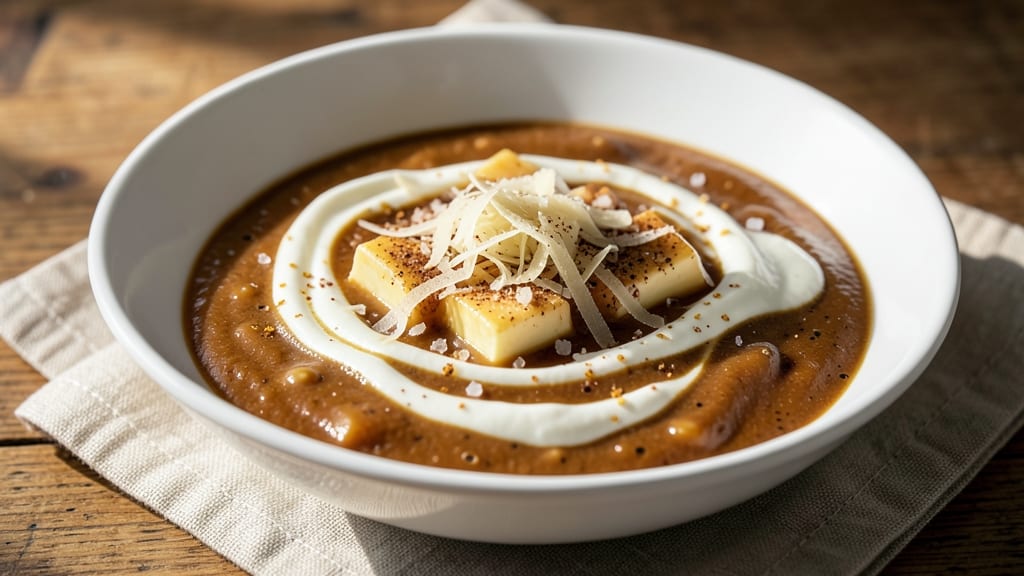
This Alfredo sauce recipe no garlic delivers the creamy, rich texture you crave without that sharp garlic punch. The secret lies in slow-melted butter and freshly grated Parmesan, creating a velvety sauce with deep umami flavor that clings perfectly to pasta.
I developed this version after years of testing—it’s the one that finally convinced even garlic lovers to try it.
The magic happens with a simple technique: cooking the butter until golden creates natural depth, while heavy cream adds luxurious smoothness. Freshly grated Parmesan (never pre-shredded!) dissolves completely, leaving no gritty texture behind. This sauce works equally well on fettuccine, chicken, or steamed vegetables—always a crowd-pleaser.
What you’ll end up with is a sauce so rich and flavorful, no one will guess it’s garlic-free. The Parmesan’s natural sweetness shines through, balanced by a touch of nutmeg for warmth.
It’s restaurant-quality at home, with just 10 minutes of active prep and 5 simple ingredients—no fancy equipment needed.
The best part? This sauce keeps beautifully in the fridge for up to 5 days, or you can freeze it for 3 months without losing that velvety texture. Just reheat gently over low heat, stirring until smooth. Let’s make the creamiest Alfredo you’ve ever tasted.
Ingredients for alfredo sauce recipe no garlic
Five ingredients, one golden technique—no garlic needed for restaurant-quality Alfredo sauce.
| Ingredient | Amount | Notes |
|---|---|---|
| Unsalted Butter 🧈 | ¾ cup | Cold, cubed for even melting |
| Heavy Cream 🥛 | 1 cup | Full-fat for maximum creaminess |
| Freshly Grated Parmesan Cheese 🧀 | 1 ½ cups | Block cheese, freshly grated |
| Ground Nutmeg 🌿 | ¼ tsp | Freshly grated preferred |
| Diamond Crystal Kosher Salt 🧂 | ½ tsp | Fine grain preferred |
The butter is non-negotiable here. European-style unsalted butter like Plugrá or Land O’Lakes has more fat content, which translates to richer flavor. If you're using salted butter, reduce the kosher salt by half. The key is to melt it slowly over medium-low heat until it turns a golden brown color—this adds depth without burning. I always grab my butter from the deli counter at Whole Foods because it's fresher than the packaged stuff, and the difference is noticeable. Look for blocks that are firm but not frozen—they melt more evenly.
No freshly grated Parmesan? Pecorino Romano works beautifully as a substitute, but you'll need to use about 10% less since it's saltier. The heavy cream can be swapped for half-and-half if you're watching calories, though the sauce will be slightly lighter. For nutmeg, pre-ground is fine, but if you've got whole nutmeg, toast it in a dry pan for 30 seconds first to deepen the flavor. The salt is the final touch—Diamond Crystal dissolves completely, unlike sea salt which can leave graininess. If you're using sea salt, reduce to 1/4 tsp and taste as you go.
This sauce is a fridge staple. Store it in an airtight glass jar with a layer of plastic wrap pressed directly on the surface to prevent a skin from forming. It keeps for up to 5 days in the fridge, though I find it tastes even better the second day as flavors meld. For freezing, portion into ice cube trays—just pop out what you need for a quick pasta sauce later. When reheating, do it gently over low heat, stirring constantly to prevent separation. If it breaks, just whisk in a splash of warm water or milk to restore that velvety texture.
Why You'll Love This Recipe
- No-Fuss Magic: This sauce comes together in one pot—no chopping, no mincing, no waiting for aromatics to build. Just melt butter, stir in cream and cheese, and let the nutmeg do its warm, cozy work while you chop veggies or boil pasta.
- Creamy Without Overpowering: The heavy cream gives it that signature richness, but the freshly grated Parmesan—real Parmesan, not that dusty stuff—adds depth instead of just fat. A pinch of nutmeg? That’s the secret: it cuts through the heaviness like a whisper of winter.
- Weeknight to Dinner Party: Same sauce, endless uses. Toss it with fettuccine for a lazy Tuesday, drizzle it over roasted chicken thighs for a fancy-ish weeknight dinner, or even slather it on garlic bread (yes, really). It’s the kind of sauce that makes you look like a hero without trying.
- Leftovers That Don’t Suck: Unlike some sauces that separate or turn gloppy, this one actually improves the next day—thicker, more concentrated flavor. Store it in the fridge for up to 5 days, or freeze it in ice cube trays for quick portions. My lazy Sundays thank me every time.
Step-by-step instructions for Alfredo sauce no garlic
Here's how to make a lusciously smooth sauce where Parmesan takes center stage.
Melt the Cold Butter Slowly
Place the 0.75 cup unsalted butter (cubed) in a medium saucepan over low heat. Let it melt completely without letting it brown or foam—this ensures a clean, rich base without any bitterness. I like to stir occasionally with a wooden spoon, but don't rush it. You're building the foundation for that velvety texture, so patience here matters most.
Once fully melted, remove the pan from heat and let it cool for 2 minutes. This brief resting period prevents the butter from overheating when you add the heavy cream, which could cause the sauce to curdle. The butter should be warm but not hot to the touch—just slightly above room temperature.
Warm the Heavy Cream Gently
Return the saucepan to low heat and pour in the 1 cup heavy cream. Stir gently to combine, keeping the temperature just below a simmer. You're looking for a gentle, barely perceptible bubble at the edges—not a rolling boil. This slow warming helps the cream incorporate smoothly without separating.
Let the cream heat through for 3-4 minutes, stirring occasionally. You'll notice it starts to steam slightly, but it shouldn't foam or develop a skin. The goal is to warm the cream enough to blend seamlessly with the butter, creating a silky emulsion. If you see any signs of curdling, immediately reduce the heat to the lowest setting and stir constantly until smooth again.
Whisk in the Parmesan Gradually
Remove the pan from heat once more and let it cool for 1 minute. This cooling step is crucial—adding hot cheese to hot cream can cause the sauce to seize up. Now, slowly sprinkle in the 1.5 cups freshly grated Parmesan Cheese, whisking continuously to prevent clumping.
After about 1 minute, return the pan to low heat and continue whisking for 5-6 minutes until the sauce thickens noticeably. You'll see the cheese melt completely, creating a glossy, creamy consistency. The sauce should coat the back of a spoon smoothly, with no graininess remaining. If it thickens too quickly, whisk in 1-2 tablespoons of warm water to adjust the texture.
Season and Finish with Nutmeg
Taste the sauce and season with the 0.5 tsp Diamond Crystal kosher salt, adjusting to your preference. Now, reduce the heat to the lowest setting and sprinkle in the 0.25 tsp ground nutmeg. Whisk gently for 30 seconds to distribute the nutmeg evenly—this is where the sauce gets its subtle, aromatic depth without overpowering the Parmesan flavor.
Let the sauce simmer gently for 1-2 minutes to allow the nutmeg to infuse. The sauce should now have a luxurious, velvety texture with a perfect balance of richness and subtle warmth. If you're serving immediately, keep the pan off the heat—Alfredo sauce continues to thicken as it cools, so it's better to serve it slightly thinner than you might think.
Pro Tips For Making Alfredo Sauce Recipe No Garlic
- Melt Butter Slow: I learned this the hard way—dumping cold butter into the pan and ending up with lumps. Instead, cut the butter into small cubes and let it melt gradually over medium-low heat, stirring constantly. This keeps the sauce smooth and prevents those stubborn butter globs that ruin the texture.
- Grate Parmesan Fresh: Pre-shredded Parmesan? Skip it. The stuff in the canister is coated with anti-caking agents that make your sauce taste like sawdust. Use a microplane or fine grater right before adding it to the cream—it dissolves better and gives that real, nutty depth.
- Salt the Cream: Don’t wait until the end. Toss a pinch of kosher salt into the heavy cream while it warms—it seasons the sauce from the start and cuts through the richness. (Yes, even if the butter is unsalted, the cream needs its own boost.)
- Taste Before Nutmeg: Nutmeg is potent. After mixing the butter, cream, and Parmesan, take a small spoonful and taste it plain—no nutmeg. This way, you’ll know exactly how much to add (usually a tiny pinch) without overpowering the sauce. (Trust me, you’ll regret it if you guess.)
Flavor customization for this dish
Creamy Variations
For an even richer texture, swap half the heavy cream with ½ cup whole milk—it creates a lighter but still luxurious sauce. I've found this works beautifully with creamy mushroom risotto or as a dip for garlic bread.
For a dairy-free twist, use full-fat coconut milk instead, though the flavor will lean slightly tropical. 🥛
Herb Infusions
Add ½ tsp dried basil or ½ tsp dried thyme when whisking in the Parmesan for a subtle herbal note. Fresh herbs like 1 tbsp chopped chives or 1 tsp chopped parsley can be stirred in at the very end for a bright finish.
I love this variation with grilled chicken Alfredo—it cuts through the richness perfectly.
Spicy Kick
For heat lovers, whisk in ¼ tsp cayenne pepper with the nutmeg, or add ½ tsp hot honey at the end. A pinch of crushed red pepper flakes also works well—just taste first, as the sauce thickens as it cools.
This spicy version pairs amazingly with shrimp scampi or spicy sausage.
Umami Boosters
Enhance depth with ½ tsp white miso paste or 1 tsp fish sauce (reduce to ½ tsp if sensitive to strong flavors). For a vegetarian option, use ½ tsp soy sauce or 1 tsp nutritional yeast.
These additions add complexity without overpowering the Parmesan. I discovered this trick when adapting the sauce for a vegetarian Alfredo with roasted eggplant.
Sweet Touches
A pinch of cinnamon or ½ tsp vanilla extract adds unexpected sweetness that balances the richness. This works surprisingly well with sweet potato Alfredo or as a dipping sauce for fresh fruit. For a dessert twist, drizzle over warm pancakes or French toast—it’s a game-changer for breakfast.
Texture Adjustments
Need a thicker sauce? Whisk in 1 tbsp cornstarch mixed with 1 tbsp cold water at the end. For a lighter sauce, stir in 2 tbsp warm pasta water while whisking.
I’ve also used ½ cup ricotta cheese blended into the sauce for extra creaminess—it’s perfect for lasagna or stuffed shells. ✨
Nutrition facts
Frequently asked questions about garlic-free Alfredo sauce
Can I use margarine instead of butter for this recipe?
While possible, I don't recommend it. Butter's fat content creates that signature velvety texture, while margarine can make the sauce taste artificial and separate more easily. If you must substitute, use European-style margarine with at least 80% fat content, and add 1 tablespoon extra heavy cream to compensate for the difference. The flavor won't be identical, but it'll still be creamy.
Why does my sauce get grainy even with freshly grated cheese?
This usually happens when the cheese is added too quickly or the heat is too high. Always whisk the Parmesan in gradually over low heat, and let the sauce cool slightly between steps. If it happens, immediately whisk in 1-2 tablespoons warm water or ½ cup warm pasta water to restore smoothness. Pre-shredded cheese contains anti-caking agents that cause graininess—freshly grating is key!
How can I make this sauce lighter without losing creaminess?
Replace ½ cup heavy cream with ½ cup whole milk for a lighter texture while keeping richness. For extra lightness, whisk in 2 tablespoons warm water at the end, or use ½ cup Greek yogurt instead of some of the Parmesan. The sauce will still coat beautifully, just with slightly less fat. This works perfectly for dipping bread or topping salads.
Can I make this sauce ahead and reheat it?
Store in an airtight glass jar in the fridge for up to 5 days, or freeze in ice cube trays for 3 months. To reheat, warm over low heat while stirring constantly—never microwave, as it can cause separation. If it thickens too much, whisk in 1-2 tablespoons warm water or milk. The sauce actually tastes better after resting as flavors meld.
What's the best way to use leftover Alfredo sauce?
Try it as a creamy dip for garlic bread, a topping for grilled chicken, or a sauce for baked potatoes. For something unexpected, drizzle over warm pancakes or French toast—the sweetness balances perfectly. You can also freeze portions in 1-tablespoon ice cube trays for quick future use. The possibilities are endless beyond just pasta!