
Sauces & Condiments
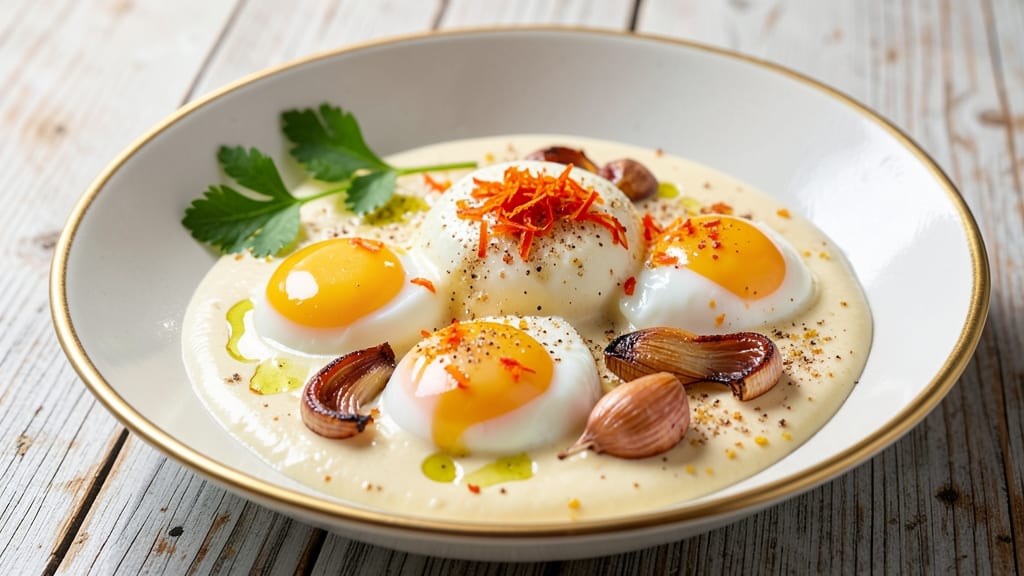
This alfredo sauce recipe no butter delivers velvety, restaurant-quality creaminess using a clever egg-based emulsion that eliminates clumps and butter dependency. ✨ The secret lies in whisking eggs with warm cream to create a stable, luscious base that coats pasta perfectly—no heavy dairy or butter required.
This technique transforms simple ingredients into a sauce so smooth it rivals traditional versions, yet remains lighter and more versatile.
The magic happens in the emulsion process: whisking eggs and cream together while heating gently creates microscopic fat droplets that suspend evenly, preventing separation. You'll need just five core ingredients—eggs, heavy cream, garlic, nutritional yeast, and a touch of lemon juice—to build depth without butter.
The sauce clings beautifully to fettuccine or penne, offering that signature Alfredo richness with a subtle tang from the lemon and umami from the yeast.
What sets this apart is its foolproof texture—no lumps, no graininess, just silky perfection that stays creamy even when reheated. The sauce works equally well as a dipping sauce for breadsticks or a base for grilled chicken.
For extra flavor, stir in fresh herbs like basil or thyme, or add a sprinkle of vegan Parmesan for that classic Italian touch.
Perfect for vegetarians, dairy-sensitive eaters, or anyone craving creamy pasta without butter. The recipe scales effortlessly for family dinners or meal prep. Let’s make creamy, clump-free Alfredo that impresses every time.
Ingredients for alfredo sauce recipe no butter
Eight essential ingredients create this velvety, restaurant-quality Alfredo sauce without butter.
| Ingredient | Amount | Notes |
|---|---|---|
| Large Eggs 🥚 | 4 whole | Room temperature for best emulsion |
| Heavy Cream 🥛 | 1 ½ cups | Full-fat for optimal richness |
| Garlic Cloves 🧄 | 4 cloves | Minced finely for subtle flavor |
| Nutritional Yeast 🍞 | ½ cup | Fortified for cheesy umami depth |
| Fresh Lemon Juice 🍋 | 2 tbsp | Brightens the creamy base |
| Extra-Virgin Olive Oil 🫒 | ¼ cup | For finishing and richness |
| Diamond Crystal Kosher Salt 🧂 | ½ tsp | Adjusts seasoning perfectly |
| Freshly Ground Black Pepper 🌶️ | ¼ tsp | Enhances depth of flavor |
| Fresh Basil Leaves 🌿 | ¼ cup | Optional for fresh aroma |
The eggs and heavy cream form the sauce's foundation, requiring room-temperature ingredients for a perfect emulsion. Organic Valley heavy cream delivers consistent results, but any full-fat brand works. For the nutritional yeast, Bragg or Bob's Red Mill varieties provide the strongest umami flavor—essential for that classic Alfredo taste. Fresh garlic should be minced finely to avoid bitterness, and Whole Foods Market or local farmers markets offer the most flavorful cloves. The lemon juice must be freshly squeezed to prevent oxidation that dulls the sauce's brightness.
No heavy cream? Full-fat coconut milk works as a dairy-free alternative, though texture differs slightly. Substitute nutritional yeast with white miso paste (1 tbsp) for depth, though umami will be milder. For a lighter option, replace half the heavy cream with whole milk—just whisk more vigorously. The olive oil can be swapped for avocado oil if preferred, though it lacks fruity notes. Fresh basil can be omitted entirely, but if using dried, reduce to 1 tsp—it loses potency when dried. Diamond Crystal kosher salt is preferred over table salt due to its finer grain and purer flavor.
Store the sauce in an airtight container with a thin layer of olive oil on top to prevent skin formation. Keeps for up to 5 days in the refrigerator, though texture may separate slightly—simply whisk before reheating. For longer storage, freeze in ice cube trays for single servings, thawing overnight in the fridge. The sauce reheats beautifully, maintaining its creamy consistency when warmed gently on low heat. Portion into meal prep containers for easy pasta nights throughout the week.
Why You'll Love This Recipe
- No Butter, No Problem: The eggs and heavy cream blend into something so rich you’d never guess it’s dairy-free—smooth, velvety, and actually indulgent. Honestly, the nutritional yeast gives it that umami punch that makes it taste like a restaurant version, not a shortcut.
- Garlic Kiss in Minutes: Three cloves of raw garlic? Sautéed just until fragrant, then tossed into the warm cream—it’s the kind of aroma that fills the whole kitchen. That bright lemon hit at the end cuts through the heaviness like a refreshing finish to a glass of wine.
- Pasta Party Ready: This sauce doubles in a snap, so I make it for game nights when the crowd’s hungry but no one wants to wait. Drizzle it over fettuccine, toss it with roasted veggies, or even slather it on garlic bread—it’s the kind of flexible sauce that saves dinner.
- Leftovers That Last: The acid from the lemon keeps it from curdling, so it reheats like a dream. I’ve had this sauce sit in the fridge for four days and still taste fresh—no graininess, no weird textures, just pure, creamy satisfaction when I’m too tired to cook.
Step-by-step instructions for egg-emulsified Alfredo sauce
Master this technique and you'll achieve velvety, clump-free Alfredo without butter or heavy cream substitutes.
🍳 Step 1: Create the Egg-Nutritional Yeast Base
In a heatproof bowl that fits over your saucepan, whisk together the 4 whole Large Eggs and 0.5 cup Nutritional Yeast until fully combined. The nutritional yeast adds that signature cheesy depth without dairy. Keep this mixture at room temperature—cold eggs won't emulsify properly when heated.
Place the bowl over a pot of simmering water (double boiler method) and whisk constantly for 3-4 minutes until the mixture thickens slightly and reaches 160°F. You're looking for a pale yellow custard that coats the back of a spoon. This gentle heating prevents scrambling while building the sauce's foundation. If the mixture starts to curdle, reduce the heat immediately.
🍳 Step 2: Incorporate Garlic and Acid
Remove the bowl from heat and stir in the 4 cloves minced Garlic Cloves and 2 tbsp Fresh Lemon Juice. The acidity brightens the sauce while the garlic adds aromatic depth. Let the mixture sit for 1 minute to infuse—this ensures even distribution of flavors before adding the cream.
Here's the thing—don't rush this step. The lemon juice will prevent the sauce from becoming too rich, and the garlic needs time to meld. If you skip this waiting period, you'll end up with pockets of raw garlic flavor rather than a harmonious blend.
🍳 Step 3: Gradually Add the Heavy Cream
Return the bowl to the double boiler and slowly drizzle in the 1.5 cups Heavy Cream while whisking vigorously. Add it in a thin, steady stream—this gradual incorporation prevents the sauce from breaking. The cream should be warmed to about 100°F before adding to avoid shocking the eggs.
Continue whisking constantly for 5-7 minutes until the sauce reaches 170°F and thickens to a velvety consistency. You'll know it's ready when it coats the whisk completely and leaves a clean trail when you run your finger through it. If it thickens too quickly, remove from heat and whisk in 1 tablespoon water at a time until smooth.
🥘 Step 4: Season and Finish with Olive Oil
Remove from heat and stir in the 0.5 tsp Diamond Crystal Kosher Salt, 0.25 tsp Freshly Ground Black Pepper, and 0.25 cup chopped Fresh Basil Leaves. Taste and adjust seasoning—this is where you fine-tune the balance between cheesy, creamy, and bright lemon notes. The basil adds freshness that cuts through the richness.
For the final touch, stir in the 0.25 cup Extra-Virgin Olive Oil while the sauce is still warm. This creates a luxurious finish that mimics traditional Alfredo's richness without relying on butter. The oil should be fully incorporated, giving the sauce a silky mouthfeel. Serve immediately over hot pasta or use as a base for creamy vegetable dishes.
⏰ Step 5: Use Immediately for Perfect Texture
This sauce doesn't reheat well—it's designed to be used fresh. If you need to hold it, keep it at 160°F in a warm saucepan and stir occasionally to prevent skin formation. The emulsion will break down if exposed to high heat after preparation.
For best results, toss the sauce with freshly cooked fettuccine or tagliatelle. The pasta's starch helps stabilize the sauce, creating that signature cling. If the sauce thickens too much when tossed, whisk in 1-2 tablespoons pasta water to restore its silky consistency.
Pro Tips For Making Alfredo Sauce Recipe No Butter
- Whisk Eggs Cold: Grab those eggs straight from the fridge and whisk them with the heavy cream over ice water—yes, it’s weird, but it keeps the sauce from curdling when it hits the heat. I learned this after watching my first batch turn into scrambled eggs the second it touched the pan.
- Toast Garlic Right: Smash those garlic cloves flat with the side of your knife before cooking them—more surface area means better flavor without burning. Cook them low and slow until golden, not brown, then immediately plunge them into cold water to stop the cooking. Overcooked garlic tastes bitter, and nobody wants that in Alfredo.
- Temper the Cream: Slowly drizzle the hot cream into the egg mixture while whisking constantly—this is where most people rush and regret it. If you pour eggs into hot cream, you’ll end up with a lumpy mess. Take your time; the sauce will thank you.
- Lemon Last: Add the lemon juice and nutritional yeast after the sauce has thickened and cooled slightly—about 30 seconds off the heat. This keeps the bright, tangy notes from cooking off and makes the umami pop. Skip this, and your sauce will taste flat, even if everything else is perfect.
Troubleshooting this dish
Sauce Separated?
If your sauce breaks or separates during cooking, it’s usually from overheating or adding cold cream too quickly. To fix it, whisk in 1 tablespoon warm water while stirring constantly over low heat.
If that doesn’t work, create a new emulsion by whisking 1 egg yolk with 2 tablespoons warm cream and tempering it back into the sauce. The key is patience—never let the sauce boil or it will curdle permanently. 💫
Too Thick or Grainy?
A grainy texture often means the eggs weren’t fully emulsified. Thin with 1-2 tablespoons warm pasta water or whole milk while whisking vigorously. For a smoother finish, strain the sauce through a fine-mesh sieve before serving.
If it’s too thick after cooking, you can prevent this next time by reducing the cream slightly (1.25 cups instead of 1.5 cups) or adding a splash of water earlier in the process.
Lacks Richness?
If your sauce tastes flat, it might need more fat or umami. Stir in 1 tablespoon extra olive oil or a pinch of white miso paste for depth. For a cheesier flavor, add 1 tablespoon vegan Parmesan or nutritional yeast while warm.
The sauce should coat the back of a spoon—if it’s too thin, simmer for 1-2 more minutes to thicken naturally. A quick fix is to whisk in ½ teaspoon cornstarch mixed with 1 teaspoon water for instant body.
Garlic Too Strong?
Overpowering garlic flavor happens when it’s added too late or not infused properly. Next time, let the minced garlic sit with the warm egg mixture for 2-3 minutes before adding cream. For a milder taste, reduce to 2 cloves or use garlic powder (½ teaspoon) instead.
The lemon juice helps balance sharpness, so ensure it’s fresh and properly measured (2 tablespoons).
Curds or Scrambled Eggs?
This usually means the eggs were overheated or the cream was added too quickly. To prevent it, always warm the cream to 100°F before adding and whisk in a slow, steady stream.
If it happens, whisk in 1 tablespoon cold cream to stabilize the emulsion. For future batches, lower the heat to medium-low and avoid direct contact with boiling water in the double boiler.
Nutrition facts
Frequently asked questions
Why does this recipe use eggs instead of butter?
Eggs create a stable emulsion that mimics butter's creamy texture without relying on dairy fat. When gently heated with cream, they form microscopic fat droplets that suspend evenly, preventing separation. This technique delivers rich, velvety results while keeping the sauce lighter and more versatile than traditional butter-based versions. Plus, it eliminates clumps that often plague homemade Alfredo sauces!
Can I make this sauce without heavy cream?
Yes! For a lighter version, replace the heavy cream with 1.25 cups whole milk and whisk the sauce more vigorously for 1-2 extra minutes. For a dairy-free option, use 1.5 cups full-fat coconut milk (the sauce will have a slightly different texture but still creamy). Always warm substitutes to 100°F before adding to maintain the emulsion.
How do I prevent the sauce from curdling?
Keep all ingredients—especially eggs and cream—at room temperature before starting. Whisk constantly while heating, and never let the mixture reach 180°F. Add cream in a thin, steady stream while whisking vigorously. If it starts to curdle, immediately remove from heat and whisk in 1 tablespoon cold cream to stabilize. The double boiler method is your best friend here!
What's the best pasta to use with this sauce?
Fettuccine or tagliatelle work perfectly—their flat surfaces catch the sauce beautifully. For extra texture, try pappardelle or fettuccine al burro (butter-free version). Avoid thick noodles like penne, as they absorb sauce too quickly. Cook pasta 1 minute less than package instructions, then toss immediately with the warm sauce to maintain its silky consistency.
Can I make this sauce ahead of time?
This sauce is best used fresh, but you can prep components ahead: Whisk eggs and nutritional yeast in advance and store in the fridge for up to 2 days. For longer storage, freeze the finished sauce in ice cube trays—thaw overnight in the fridge and whisk before reheating. Never freeze the sauce in large batches, as the emulsion may break down. For meal prep, cook pasta separately and combine with freshly made sauce when ready to serve.