
Sauces & Condiments
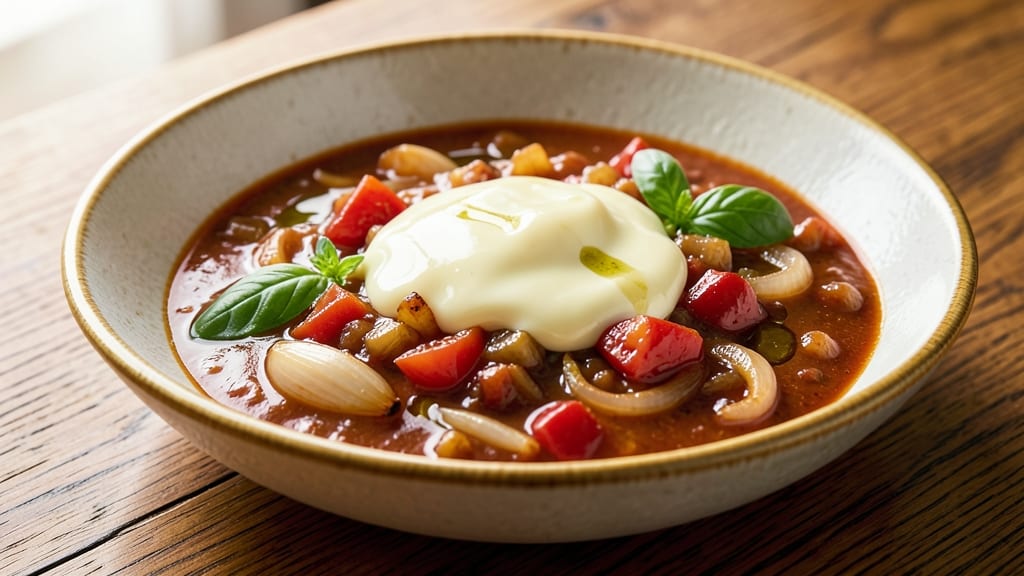
Alton Brown's spaghetti sauce recipe delivers restaurant-quality smoothness without clumps or lumps—thanks to his signature egg-emulsified technique. This isn't your average simmered sauce; it's velvety, balanced, and built to cling to every strand of pasta. The secret lies in blending raw egg yolks into the finished sauce, transforming it from thick to luxuriously silky while keeping flavors vibrant.
The beauty of this method is its foolproof simplicity: no blender required, no complicated steps, just a few pantry staples and 30 minutes of hands-off cooking. Brown's approach balances acidity (tomato paste) with sweetness (caramelized onions) and depth (ground spices), creating a sauce that's rich yet approachable.
The egg emulsion isn't just a gimmick—it's what makes this sauce stand out from jarred versions.
What you'll end up with is a glossy, clump-free sauce that coats pasta perfectly, leaving no dry spots behind. The flavor profile is classic Italian—tomato-forward but never one-note—with just enough spice to linger on your palate.
This isn't just for spaghetti; it elevates any pasta dish, from rigatoni to lasagna, with professional-level results.
Pair it with garlic bread and a simple arugula salad for a complete meal that feels both comforting and sophisticated. The best part? You'll have leftovers that taste just as good reheated, thanks to that velvety emulsion holding everything together.
Let's make this sauce—it's about to become your new weeknight staple.
Ingredients for alton brown spaghetti sauce
Pantry staples meet Alton Brown's genius egg trick for velvety, clump-free spaghetti sauce perfection.
| Ingredient | Amount | Notes |
|---|---|---|
| Extra-Virgin Olive Oil 🫒 | 2 tbsp | High-quality, fruity variety preferred |
| Yellow Onion 🧅 | 1 whole | Diced small for caramelization |
| Garlic Cloves 🧄 | 4 cloves | Minced finely for depth |
| Tomato Paste 🍅 | ½ cup | San Marzano preferred for sweetness |
| Canned Crushed Tomatoes 🍅 | 28 oz | High-quality, low-acid preferred |
| Large Egg Yolks 🥚 | 2 whole | Fresh, room temperature for emulsion |
| Dry Red Wine 🍷 | ½ cup | Bold Cabernet or Merlot works best |
| Chicken or Vegetable Stock 💧 | 1 cup | Homemade preferred, low-sodium |
| Dried Oregano 🍃 | 1 tsp | Mexican oregano for authentic flavor |
| Ground Black Pepper 🌶️ | ½ tsp | Freshly cracked for potency |
| Salt 🧂 | 1 ½ tsp | Diamond Crystal preferred for balance |
| Fresh Basil Leaves 🌿 | ¼ cup | Chopped finely for garnish |
| Granulated Sugar 🍚 | 1 tsp | Balances acidity in sauce |
The crushed tomatoes are your flavor foundation—look for high-quality brands like Muir Glen or San Marzano at Whole Foods or your local Italian market. The egg yolks are non-negotiable for that signature emulsion; use room-temperature yolks for best results. Olive oil matters too—California avocado or Italian extra-virgin brands like Bertolli or Filippo Berio elevate the sauce. For the red wine, any bold, dry variety works—Cabernet Sauvignon or Merlot from a decent bottle (no cooking wine!). Pro tip: Toast your dried oregano in a dry pan for 30 seconds before adding to deepen its flavor.
No red wine? Use extra chicken or vegetable stock—just add an extra splash of balsamic vinegar for depth. Short on crushed tomatoes? San Marzano whole peeled tomatoes blended work perfectly. The sugar is key for balancing acidity—brown sugar works too if you're out of white. For a vegetarian version, swap the chicken stock for vegetable stock. The egg yolks are the magic—if you're nervous about raw eggs, pasteurized yolks are a safe alternative. Fresh basil is ideal, but dried oregano at half the amount gets you close in a pinch.
This sauce keeps beautifully—3-4 days in the fridge and 3 months in the freezer. The egg emulsion means it reheats like a dream, so portion into containers for easy leftovers. For best texture, reheat gently on low heat or in the microwave with a splash of water. The sauce thickens as it cools, so add a splash of stock if it's too thick when reheating. Garnish with fresh basil just before serving—it wilts fast, so add it last.
Why You'll Love This Recipe
- No Chopping Struggle: I swear by this sauce because the onion and garlic get minced—not diced, not chopped—so you’re not crying over a cutting board for 10 minutes. Just toss them in raw, let the heat do the work, and move on.
- Deep Umami Magic: That tomato paste isn’t just a thickener—it’s the secret weapon. The way it caramelizes with the olive oil and garlic? Rich, concentrated flavor that turns canned tomatoes into something ridiculously good. No fancy ingredients, just pure satisfaction.
- Freezer-Friendly Hero: Make a double batch, freeze half, and thank me later. This sauce reheats like a dream—no splitting or soggy textures—so you’ve got a weeknight meal covered without extra effort. (Yes, even on a Tuesday night.)
- Budget Meal Upgrade: Crushed tomatoes and olive oil might sound basic, but this recipe stretches them into something chef-worthy without breaking the bank. I’ve fed six people for under $10 with leftovers that taste better the next day.
Step-by-step instructions for Alton Brown's egg-emulsified spaghetti sauce
This sauce delivers velvety smoothness without clumps—here's how to nail it every time.
Build the Flavor Base with Onion and Garlic
Heat the 2 tablespoons extra-virgin olive oil in a large, heavy-bottomed pot over medium-low heat. Add the diced yellow onion and cook for 8-10 minutes until deeply golden and caramelized—this adds incredible depth. Stir occasionally to prevent burning, but don't rush it.
Once the onions are beautifully browned, add the minced garlic cloves and cook for 30 seconds until fragrant. Here's the thing—garlic burns in seconds, so keep the heat gentle. You'll know it's ready when the kitchen fills with that irresistible aroma. Remove from heat briefly if needed to prevent charring.
Develop the Sauce with Tomato Paste and Wine
Return the pot to medium heat and stir in the ½ cup tomato paste, breaking up any lumps as you go. Cook for 2-3 minutes until the paste darkens slightly and the raw taste disappears. This step creates the sauce's foundation—don't skip it.
Deglaze the pot with the ½ cup dry red wine, scraping up all those flavorful browned bits from the bottom. Let it simmer for 3-4 minutes until reduced by half. The alcohol will cook off, leaving behind concentrated flavor. This is where the sauce starts to transform from simple ingredients into something truly special.
Incorporate Tomatoes and Seasonings
Add the 28 ounces canned crushed tomatoes, 1 cup chicken or vegetable stock, 1 teaspoon dried oregano, ½ teaspoon ground black pepper, and 1½ teaspoons salt. Stir well to combine, then bring to a gentle simmer. Let it cook uncovered for 20-25 minutes, stirring occasionally, until the sauce thickens slightly.
Taste and adjust seasoning—this is your chance to balance flavors. The 1 teaspoon granulated sugar should go in now to counteract any acidity from the tomatoes. The sauce should be rich but not overly sweet—think of it as a subtle harmony rather than a dominant note.
Create the Egg Emulsion for Ultra-Smooth Texture
In a small bowl, whisk together the 2 large egg yolks until smooth. Slowly ladle ½ cup of the hot sauce into the yolks while whisking constantly. This tempering step is critical—it prevents the eggs from scrambling when they hit the hot sauce.
Once the egg mixture is thoroughly combined, slowly pour it back into the pot of simmering sauce. Stir continuously for 2-3 minutes until the sauce thickens noticeably and becomes silky smooth. The eggs act as a natural emulsifier, creating that restaurant-quality texture without clumps or lumps. If the sauce looks too thick, add 1-2 tablespoons water to reach your desired consistency.
Finish and Garnish for Perfect Presentation
Remove the pot from heat and stir in the ¼ cup chopped fresh basil leaves. Let the sauce sit for 5 minutes to allow the flavors to meld completely. The basil will release its aromatic oils, adding a bright, fresh finish to the rich tomato base.
Taste one final time and adjust seasoning if needed. Serve immediately over al dente spaghetti, reserving some of the starchy pasta water to thin the sauce if necessary. The result should be a velvety, egg-enriched sauce that clings beautifully to each strand of pasta, delivering that signature Alton Brown smoothness without a single clump in sight.
Pro Tips For Making Alton Brown Spaghetti Sauce
- Cook Onions Until Golden: I used to rush this step and wondered why my sauce never had that deep, caramelized flavor. Let those onions cook low and slow—about 15 minutes—until they’re a rich amber color. That’s when they start releasing sweetness that makes the whole dish sing.
- Sweat Garlic, Don’t Burn It: High heat turns garlic bitter fast. After the onions, reduce the flame to medium-low and add the garlic. Stir every 30 seconds until fragrant but not browned—you’re aiming for pale gold, not charred bits. Trust me, your nose will thank you.
- Stir the Tomato Paste: Once you add the tomato paste, don’t just walk away. Stir it constantly for the first 2 minutes to prevent scorching. This isn’t the prettiest method, but it’s the tastiest—no burnt edges to ruin your sauce.
- Simmer, Don’t Boil: After adding the crushed tomatoes, keep the heat at a gentle simmer, not a rolling boil. You want the flavors to meld, not the sauce to turn into tomato water. A 30-minute simmer does more for depth than rushing it.
Flavor customization for this dish
Sweet Heat Balance
Adjust the sugar-to-acid ratio to suit your taste. For extra sweetness, add ½ teaspoon more sugar or swap 1 tablespoon of the crushed tomatoes for San Marzano whole peeled tomatoes (pureed).
If you prefer heat, stir in ½ teaspoon crushed red pepper flakes during the final simmer. The key is balance—start with the recipe as written, then tweak to your preference. 🌶️
Umami Depth Boost
For richer flavor, add 1 teaspoon soy sauce or ½ teaspoon fish sauce when incorporating the tomatoes. Alternatively, stir in 1 tablespoon tomato paste at the end for extra depth.
I often add 1 anchovy fillet (finely chopped) during the onion caramelization—it dissolves completely but adds incredible savory complexity. Trust me, it disappears but leaves a lasting impact.
Herb Variations
Swap out the oregano for 1 teaspoon dried rosemary and ½ teaspoon dried thyme for a Provençal twist. For a Mediterranean profile, add ½ teaspoon dried marjoram and ¼ teaspoon fennel seeds (toasted briefly in the oil).
Fresh herbs like cilantro or parsley work beautifully as garnishes—just add them last to preserve their vibrant color and aroma.
Meat-Inspired Depth
For a meaty flavor without actual meat, stir in 1 tablespoon balsamic vinegar plus ½ teaspoon smoked paprika during the wine reduction. For a vegetarian version with texture, fold in ½ cup cooked lentils or chopped mushrooms during the final simmer.
The egg emulsion works beautifully with these additions, creating a satisfying mouthfeel.
Spice Level Control
For mild heat, use ½ teaspoon cayenne pepper instead of black pepper. For medium heat, add 1 teaspoon hot sauce (like Cholula) when incorporating the tomatoes. For spicy kick, stir in 1 chopped chipotle pepper in adobo sauce during the wine reduction.
Always taste as you go—you can't overdo it with heat, but you can add more if needed.
Texture Adjustments
For a chunkier sauce, stir in ½ cup diced roasted red peppers during the final simmer. For extra creaminess, whisk in 2 tablespoons heavy cream at the very end (after removing from heat).
The egg emulsion handles both textures beautifully, so experiment fearlessly. The sauce should always coat the back of a spoon but remain spoonable—not too thick, not too thin.
Nutrition facts
Frequently asked questions
Why does this sauce use raw egg yolks instead of cream?
Alton Brown's egg emulsion creates a velvety texture without adding dairy, which can sometimes curdle when simmered. The yolks act as a natural emulsifier, blending seamlessly into the sauce while eliminating clumps that often come with traditional tomato-based sauces. Plus, it delivers that signature restaurant-quality smoothness without the extra calories from cream.
Can I make this sauce without red wine?
Replace the ½ cup red wine with an equal amount of chicken or vegetable stock, then add 1 tablespoon balsamic vinegar for depth. The wine adds complexity, but this substitution works beautifully—just taste and adjust seasoning at the end. For extra richness, add ½ teaspoon soy sauce when incorporating the tomatoes.
How do I prevent the sauce from curdling when adding the eggs?
Temper the eggs properly by slowly whisking in ½ cup hot sauce while constantly stirring. Keep the sauce at a gentle simmer (never boiling) when adding the egg mixture, and stir continuously for 2-3 minutes until fully incorporated. If the sauce looks too thick after adding eggs, thin it with 1-2 tablespoons water or pasta water.
What's the best pasta to serve with this sauce?
Alton Brown's smooth sauce pairs perfectly with spaghetti, but it also works beautifully with linguine, fettuccine, or rigatoni. For extra texture, try penne or farfalle. The key is al dente pasta—the sauce's velvety texture clings to the strands without turning mushy. Save some pasta water to adjust consistency if needed.
Can I make this sauce ahead of time?
Yes! This sauce actually tastes better the next day as flavors meld. Store in an airtight container in the fridge for up to 4 days or freeze for 3 months. When reheating, warm gently on low heat or in the microwave with a splash of water. The egg emulsion means it reheats beautifully without breaking—just stir occasionally to maintain smoothness.