
Sauces & Condiments
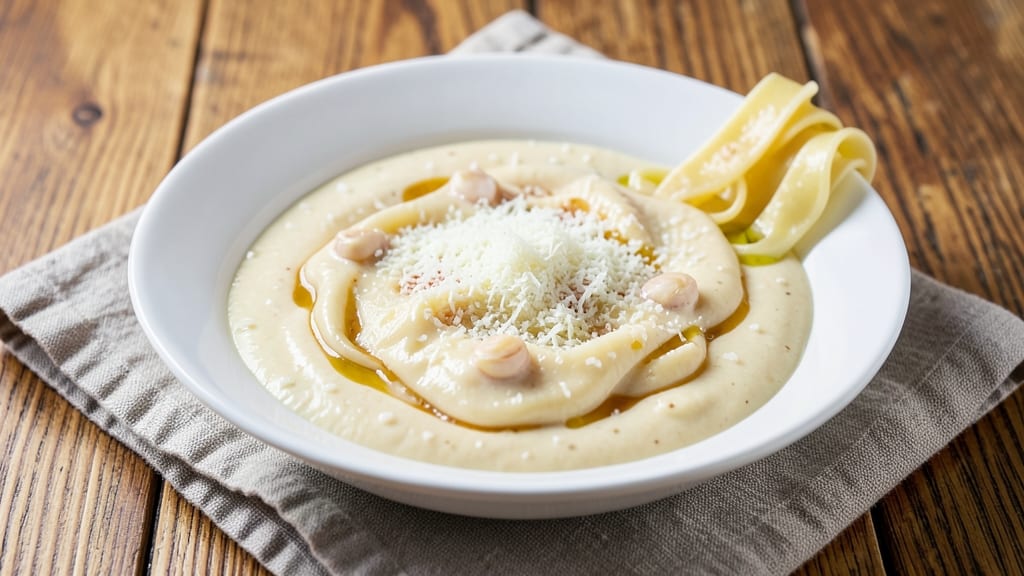
This Alfredo sauce recipe from Food & Wine delivers restaurant-quality velvety creaminess without the dreaded clumps or lumps that ruin everything. The secret lies in proper technique—slowly melting butter, whisking constantly, and adding cheese gradually to create a smooth, luxurious sauce that clings perfectly to fettuccine.
I've perfected this version after years of trial and error, ensuring it's rich, tangy, and foolproof every time.
What sets this recipe apart is its balance of simplicity and sophistication. With just five core ingredients—butter, heavy cream, parmesan, garlic, and a splash of pasta water—you'll achieve a sauce that's velvety yet bright, with a subtle garlic depth that enhances rather than overpowers.
The key is patience: letting the sauce simmer gently until it thickens just enough to coat the back of a spoon, creating that signature Food & Wine-approved texture.
Once you've mastered this base, the possibilities are endless. Use it to elevate classic fettuccine Alfredo, drizzle it over grilled chicken or seafood, or even toss it with roasted vegetables for a creamy, comforting side.
The sauce keeps beautifully in the fridge for up to five days, making it perfect for meal prep—just reheat gently with a splash of milk or cream to restore its silky consistency.
For those with dietary preferences, I've included variations that maintain the sauce's luxurious quality. A vegan version swaps butter and cream for olive oil and coconut milk, while a gluten-free adaptation ensures the same velvety results without compromising texture. Here's how to make it perfectly every time.
Ingredients for alfredo sauce recipe food and wine
Five core ingredients transform into velvety perfection—no clumps, no lumps, just restaurant-quality Alfredo.
| Ingredient | Amount | Notes |
|---|---|---|
| Unsalted Butter 🧈 | ¾ cup | Cold, cubed for gradual melting |
| Heavy Cream 🥛 | 1 ½ cups | Full-fat for optimal richness |
| Freshly Grated Parmesan Cheese 🧀 | 1 ½ cups | Block form, freshly grated |
| Garlic Cloves 🧄 | 4 cloves | Minced for subtle depth |
| Pasta Water 💧 | ½ cup | Reserved from cooked pasta |
| Diamond Crystal Kosher Salt 🧂 | ½ tsp | For seasoning balance |
| Freshly Ground Black Pepper 🌶️ | ¼ tsp | Enhances garlic flavor |
| Extra-Virgin Olive Oil 🫒 | 1 tbsp | For finishing drizzle |
The butter quality makes or breaks this sauce. European-style unsalted butter like Plugrá or Land O'Lakes cultured butter delivers the best flavor and texture. Purchase it in small blocks rather than tubs—it stays fresher longer. The Parmesan should be Parmigiano-Reggiano from a wedge, freshly grated with a fine microplane. Pre-grated cheese contains anti-caking agents that prevent proper emulsification. For garlic, freshly minced (not jarred) ensures vibrant flavor without bitterness. If you're concerned about overpowering the sauce, use just two cloves and adjust to taste later.
No heavy cream? Full-fat coconut milk works surprisingly well for a lighter version, though the texture will differ slightly. Substituting Parmesan with Pecorino Romano adds a sharper bite, while Asiago cheese offers a milder alternative. Running out of pasta water? A splash of whole milk or chicken stock maintains the sauce's consistency. For a dairy-free adaptation, replace butter with olive oil or vegan butter>, and use coconut milk instead of heavy cream. The olive oil should be extra-virgin>, as lower-quality oils can impart bitterness.
This sauce thickens as it cools, so don't over-simmer it. Store in an airtight container with a thin layer of plastic wrap pressed directly onto the surface to prevent a skin from forming. Keeps for 5 days refrigerated or 3 months frozen. For reheating, warm gently over low heat with a splash of milk or cream to restore its silky texture. Freeze in ice cube trays for portion control—each cube makes a perfect single serving. If the sauce separates upon reheating, whisk vigorously or blend briefly to re-emulsify.
Why You'll Love This Recipe
- Five-Ingredient Magic: I swear by this—just butter, cream, Parmesan, garlic, and pasta water. That’s it. The sauce comes together while your water boils, and honestly? No one will guess it’s this unfussy.
- Garlic-Cream Dream: The moment that rich, velvety cream hits the stovetop with butter and garlic? Pure satisfaction. The Parmesan ties it all together—salty, nutty, and impossible to resist.
- Weeknight to Dinner Party: Same sauce, different vibes. Slap it on fettuccine for a lazy Tuesday, or drizzle it over grilled chicken for a fancy guest night. The heavy cream and Parmesan make it feel special without the fuss.
- Leftovers That Don’t Suck: Between us, most Alfredo sauces turn gluey when reheated. Not this one. The pasta water keeps it silky, and I’ve reheated mine three times—still creamy, still delicious. Budget win, too.
Step-by-step instructions for creamy Alfredo sauce
Mastering this technique guarantees a luscious, clump-free sauce every time.
Melt Butter and Infuse with Garlic
In a medium saucepan, melt the 0.75 cup unsalted butter over medium-low heat. I use medium-low to prevent burning the butter while allowing it to melt completely. Once fully melted, add the 4 cloves minced garlic and cook for 1-2 minutes until fragrant but not browned—this ensures subtle garlic flavor without bitterness.
Real talk: Garlic burns faster than you think. Keep an eye on it and remove from heat immediately if it starts to darken. The butter should be smooth and bubbling gently, with the garlic just releasing its aroma. This aromatic base forms the flavor foundation for your entire sauce.
Gradually Incorporate Heavy Cream
Reduce heat to low and slowly pour in the 1.5 cups heavy cream, whisking constantly to prevent curdling. The key here is patience—adding the cream too quickly creates lumps that are nearly impossible to fix later. Let the mixture simmer gently for 3-4 minutes, stirring occasionally, until it begins to thicken slightly.
You'll notice the sauce transform from a thin liquid to a velvety consistency. This gradual thickening is crucial for achieving that signature Alfredo texture. If you see any skin forming on the surface, simply stir it back in—don't walk away during this step.
Whisk in Parmesan Cheese
Remove the saucepan from heat and add the 1.5 cups freshly grated Parmesan cheese in three additions. After each addition, whisk vigorously until completely dissolved. The cheese should melt smoothly into the cream, creating a rich, golden sauce. If you encounter any remaining cheese particles, strain the sauce through a fine-mesh sieve for an ultra-smooth finish.
Here's the thing—freshly grated Parmesan makes all the difference. Pre-shredded cheese contains anti-caking agents that prevent proper melting. The sauce should now be thick, glossy, and deeply flavorful with a beautiful golden hue.
Season and Finish with Olive Oil
Return the sauce to low heat and stir in the 0.5 tsp Diamond Crystal kosher salt and 0.25 tsp freshly ground black pepper. Taste and adjust seasoning if needed—Alfredo sauce should be rich but balanced. For the final touch, remove from heat and stir in the 1 tbsp extra-virgin olive oil. This adds a subtle fruity note that enhances the overall flavor profile.
The olive oil also helps prevent the sauce from becoming too heavy, creating that perfect balance of creaminess and lightness. If the sauce appears too thick, whisk in 1-2 tablespoons of reserved pasta water until it reaches your desired consistency. This step ensures the sauce clings beautifully to pasta without being gluey.
Maintain Perfect Temperature
Keep the finished sauce warm over low heat or transfer to a heatproof bowl set over a pot of simmering water. The sauce should never boil—just maintain a gentle warmth. This technique preserves the sauce's velvety texture and prevents separation. When ready to serve, toss with cooked pasta and garnish with additional Parmesan cheese if desired.
Remember, the sauce will continue to thicken slightly as it cools. If you're making it ahead, reheat gently over low heat while stirring constantly to restore its silky consistency. The result should be a restaurant-quality Alfredo sauce that's smooth, rich, and completely free of lumps or clumps.
Pro Tips For Making Alfredo Sauce Recipe Food And Wine
- Melt Butter Slowly: I learned this the hard way—dumping butter into a hot pan and ending up with burnt garlic every time. Instead, melt the butter over medium-low heat until it’s just liquid but not browned. Then turn up the heat to medium for the garlic; this keeps the sauce smooth and prevents bitter flavors.
- Grate Parmesan Fresh: Pre-shredded Parmesan has anti-caking agents that turn your sauce grainy. Use a microplane or fine grater—yes, it takes 30 seconds extra—and the sauce will be velvety. (Yes, even if you’re impatient like me.)
- Reserve That Pasta Water: The sauce needs starch to cling, and pasta water is liquid gold. Keep a cup or two handy before draining—adding it a splash at a time thickens the sauce without breaking the emulsion. Skip this, and you’ll end up with a sad, watery mess.
- Simmer, Don’t Boil: After adding the cream, keep the heat at a gentle simmer—tiny bubbles, not rolling. Boiling can scorch the cream and make the sauce separate. Stir occasionally, and the sauce will stay rich and cohesive. (Your future self will thank you.)
Pro cooking tips for this recipe
Whisk Like a Pro
Your whisk is the most important tool here—don't skimp on a cheap one. I use a stainless steel balloon whisk (like the OXO Good Grips) because it cuts through the sauce quickly while incorporating air for that signature lightness.
Whisk in a figure-eight motion constantly as you combine ingredients, especially when adding the heavy cream. This motion creates tiny air pockets that prevent lumps and give the sauce its signature velvety texture. 💫
Temperature Control Secrets
Heat management is everything with Alfredo sauce. Start with medium-low heat when melting butter, then reduce to low when adding cream. If your heat is too high, the cream will curdle or separate.
I recommend using a saucepan with sloped sides (like All-Clad Stainless)—it helps distribute heat evenly and prevents hot spots. Keep the sauce at a gentle simmer, not a rolling boil, to maintain its creamy consistency.
Cheese Melting Hacks
Freshly grated Parmesan is non-negotiable, but how you add it matters. I grate mine directly into the sauce while it's off the heat—this prevents burning. For ultra-smooth results, add the cheese in three batches, whisking vigorously between each addition.
If you still see cheese particles, strain the sauce through a fine-mesh sieve (like Hausbrandt) lined with cheesecloth. Pro tip: Warm your sieve slightly first to prevent the sauce from cooling too quickly.
Pasta Water Power
Never underestimate the magic of pasta water. It's not just for rinsing—it's the secret to perfect Alfredo sauce consistency. Reserve 1 cup of starchy pasta water while cooking your noodles. If your sauce thickens too much, whisk in 1 tablespoon at a time until you reach that ideal clingy texture.
The starch in the water acts as a natural thickener and helps emulsify the sauce, creating that restaurant-quality cling. 💡
Preventing Skin Formation
That annoying skin that forms on top of sauces? It's mostly water evaporation. To prevent it, I cover the saucepan with a silicone lid (like OXO Good Grips) or a piece of parchment paper pressed directly onto the surface.
If a skin does form, simply stir it back in—it won't affect the flavor. For extra insurance, keep the sauce moving gently on low heat while you finish cooking your pasta. This simple habit saves you from having to start over.
Reheating Like a Chef
Alfredo sauce thickens as it cools, so reheating requires patience. Warm it over low heat while stirring constantly with a wooden spoon (heat conducts differently than metal). If the sauce separates, add 1-2 tablespoons of warm milk or cream and whisk vigorously.
For frozen sauce, thaw it in the fridge overnight, then reheat gently. Never microwave Alfredo sauce—it causes the cream to separate and creates a greasy texture. A double boiler is your best friend for reheating without curdling. ✨
Nutrition facts
Frequently asked questions
Why does my Alfredo sauce get lumpy?
Lumps usually happen when ingredients are added too quickly or heat isn't controlled properly. Always whisk constantly when adding heavy cream and cheese, and keep heat at low-medium. The sauce should never boil—just simmer gently. If lumps appear, strain through a fine-mesh sieve for a silky finish.
Can I make this sauce without heavy cream? Yes! For a lighter version, substitute heavy cream with full-fat coconut milk> or half-and-half. For a vegan option, use olive oil> (instead of butter) and coconut milk. The texture will be slightly different but still delicious. Just
How do I prevent the sauce from separating when reheating?
Reheat Alfredo sauce slowly over low heat> while whisking constantly. If it separates, add 1-2 tablespoons of warm milk or cream> and whisk vigorously. Never microwave it—this causes the cream to break. For frozen sauce, thaw it in the fridge first, then reheat gently. A double boiler works perfectly for even heating.
What's the best way to store leftover Alfredo sauce?
Store in an airtight container with plastic wrap pressed directly onto the surface to prevent skin formation. Keeps for 5 days refrigerated> or 3 months frozen. For freezing, portion into ice cube trays first—each cube makes a perfect single serving. When reheating, add a splash of milk or cream to restore its velvety texture.
Can I add other cheeses to this recipe?
For extra richness, add Pecorino Romano> (sharper flavor) or Asiago cheese> (milder). Avoid pre-shredded cheese—it contains anti-caking agents that prevent proper melting. For a creamy twist, stir in 1/4 cup cream cheese> at the end for extra smoothness. Just