
Sauces & Condiments
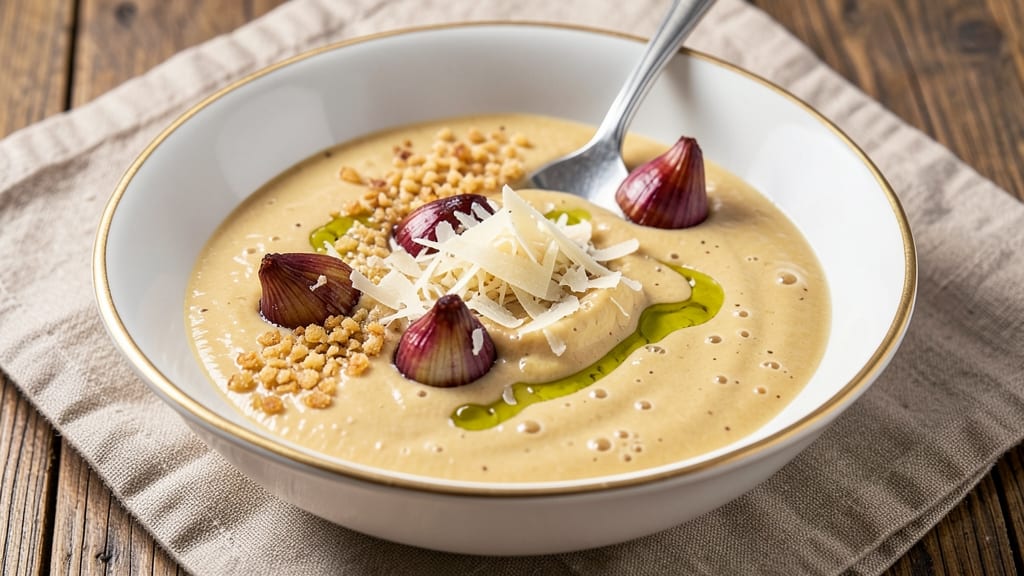
This alfredo sauce recipe using buttermilk transforms creamy, velvety pasta into a restaurant-quality dish with a tangy twist that prevents clumping. The secret lies in the buttermilk's acidity, which stabilizes the sauce while adding depth—no lumps, no heavy richness, just smooth perfection.
I developed this version after years of struggling with traditional recipes that either separated or turned gluey.
The process is straightforward: start with a simple roux of butter and flour, then gradually whisk in buttermilk to create a silky base. Add freshly grated parmesan for authentic flavor, and finish with a touch of garlic or herbs for brightness.
What sets this apart is how the buttermilk's natural tang balances the richness, resulting in a sauce that clings beautifully to pasta without weighing it down.
By the time you twirl that first forkful, you'll taste a sauce that's creamy yet light, with just the right amount of tang to cut through the richness. The texture remains velvety even after reheating, making it ideal for meal prep or last-minute dinners.
This isn't your grandmother's heavy alfredo—it's a modern, foolproof version that delivers professional results every time.
Store leftovers in the fridge for up to 5 days, or freeze for longer storage. For variations, stir in roasted garlic, fresh herbs, or a splash of white wine for extra depth. The possibilities are endless, but the foundation stays the same: creamy, tangy, and completely clump-free.
Ingredients for alfredo sauce recipe using buttermilk
Nine essential ingredients transform into velvety alfredo with the buttermilk secret.
| Ingredient | Amount | Notes |
|---|---|---|
| Unsalted Butter 🧈 | ½ cup | Cold, cubed for even melting |
| All-Purpose Flour 🌾 | ½ cup | Sifted for smooth texture |
| Buttermilk 🥛 | 2 cups | Full-fat for creaminess |
| Freshly Grated Parmesan Cheese 🧀 | 1 cup | Block, not pre-grated |
| Garlic Cloves 🧄 | 2 cloves | Minced, not powdered |
| Extra-Virgin Olive Oil 🫒 | ¼ cup | For finishing, fruity variety |
| Freshly Ground Black Pepper 🌶️ | ½ tsp | Freshly cracked for heat |
| Sea Salt 🧂 | ½ tsp | Diamond Crystal preferred |
| Fresh Parsley 🌿 | ¼ cup | Chopped, for brightness |
| White Wine 🍷 | ¼ cup | Dry, optional for depth |
The buttermilk is non-negotiable here—it's what keeps this sauce light and clump-free. Full-fat buttermilk gives the best texture, so don't skimp on quality. Whole Foods or Trader Joe's carry good brands, but any full-fat buttermilk works. For the Parmesan, grate it fresh from a block—pre-grated cheese has anti-caking agents that make the sauce grainy. The butter should be cold when you start, so pull it out of the fridge just before you begin. Freshly ground black pepper makes a difference too—pre-ground loses potency fast.
No buttermilk? Substitute with 1.75 cups plain yogurt plus 0.25 cup milk—the acidity is key. Short on Parmesan? Pecorino Romano works too, but it's stronger so use half the amount. Want extra depth? Add 1 tsp lemon juice to the buttermilk before mixing. The white wine is optional but adds sophistication—dry Pinot Grigio is my go-to. If you're making this ahead, the sauce thickens as it cools, so add a splash of warm water when reheating. For extra richness, stir in 1 tbsp cream cheese at the end.
This sauce keeps beautifully—5 days in the fridge or 3 months frozen. To freeze, cool completely first, then portion into airtight containers. Reheat gently on the stove, stirring constantly, until just warmed through. The texture is delicate, so avoid boiling. For meal prep, make a double batch—it's perfect over pasta, chicken, or even roasted veggies. The parsley wilts fast, so add it last if you're not using it immediately.
Why You'll Love This Recipe
- No-Fuss Pantry Magic: I swear by this—just butter, flour, and buttermilk. That’s it. No heavy cream to sour, no fussy reductions. The buttermilk keeps it light yet rich, and honestly? It tastes like I slaved over it (but I didn’t).
- Garlic-Parmesan Punch: The moment that minced garlic hits the butter? Chef’s kiss. Then the buttermilk thins it just enough to coat pasta like a dream, while the Parmesan adds that sharp, salty crunch. It’s the kind of flavor that makes you pause mid-bite.
- Weeknight to Dinner Party: Drizzle it over fettuccine for a 20-minute weeknight win, or toss it with roasted chicken and broccoli for a fancy-ish sheet-pan dinner. Between us, my in-laws think I hired a chef after they tried it—no one needs to know it’s the same sauce.
- Leftovers That Lie: Make a double batch—this sauce actually improves the next day. Stash it in the fridge for quick marinara swaps, grilled cheese upgrades, or even a lazy brunch dip. (Yes, even on a Tuesday.) The buttermilk base means no weird textures, just pure, creamy goodness waiting to be reused.
Step-by-step instructions for buttermilk Alfredo sauce
Here's how to make the creamiest, tangiest Alfredo sauce without lumps or clumping.
Create a Smooth Roux
Melt the 0.5 cup unsalted butter in a medium saucepan over medium-low heat. Once fully melted and foaming subsides, add the 0.5 cup all-purpose flour all at once. I use a whisk to stir constantly for 2-3 minutes until the mixture turns a pale golden color and smells nutty.
This roux forms the foundation of your sauce—don't rush it. You'll know it's ready when it coats the back of a spoon smoothly and leaves no gritty texture. If it starts to darken, reduce the heat slightly to prevent burning. The buttermilk will later transform this into a velvety sauce, but the roux must be perfect first.
Gradually Incorporate Buttermilk
Slowly pour in the 2 cups buttermilk while whisking vigorously. The sauce will thicken immediately, but keep whisking for 3-4 minutes until it smooths out completely. I add it gradually at first, then in a steady stream—this prevents curdling and ensures no lumps form.
Here's the thing—this is where most recipes fail. If you add buttermilk too quickly, you'll end up with a grainy texture. The key is patience. Watch for the sauce to thicken to a pudding-like consistency before moving to the next step. If it's too thick, we'll adjust it later with more buttermilk or wine.
Build Flavor with Garlic and Wine
Reduce heat to low and stir in the 2 cloves minced garlic and 0.25 cup white wine (if using). Let it simmer gently for 2-3 minutes until the alcohol evaporates and the garlic becomes fragrant. The wine adds depth that separates this from ordinary Alfredo—don't skip it if you can find a dry variety.
I like to taste the sauce at this point before adding cheese. It should be tangy from the buttermilk and slightly garlicky. If it needs more acidity, add a splash of lemon juice or a pinch of salt. The cheese will come next, but we want to balance flavors first. This step ensures your sauce has complexity beyond just creaminess.
Add Cheese and Finish
Gradually whisk in the 1 cup freshly grated Parmesan cheese until fully melted and smooth. The sauce should thicken noticeably. If it's still too thick after all cheese is incorporated, thin it with 1-2 tablespoons of buttermilk at a time. You're aiming for a consistency that coats the back of a spoon but isn't gluey.
Season with 0.5 tsp sea salt and 0.5 tsp freshly ground black pepper, then stir in the 0.25 cup chopped parsley. The parsley adds freshness that cuts through the richness. For extra shine, drizzle in the 0.25 cup extra-virgin olive oil while whisking continuously. This finishing oil adds a luxurious mouthfeel and balances the tangy buttermilk.
Perfect the Texture
Transfer the sauce to a clean saucepan and keep it warm over low heat, stirring occasionally. The sauce will thicken further as it sits—this is normal. If it gets too thick while serving, simply whisk in a splash of warm water or buttermilk to reach your desired consistency.
For the best results, use this sauce immediately over pasta or grilled chicken. The buttermilk keeps it lighter than traditional Alfredo while delivering that signature tang. If you need to store it, let it cool slightly before refrigerating in an airtight container for up to 3 days. Reheat gently over low heat, stirring frequently to prevent skin formation.
Pro Tips For Making Alfredo Sauce Recipe Using Buttermilk
- Cook Butter Slowly: Melt the unsalted butter over medium heat—never rush it. I learned this the hard way when I cranked the heat too high and ended up with a grainy roux instead of a smooth base. Let it bubble gently for 2-3 minutes before adding flour.
- Grate Parmesan Fresh: Skip the pre-grated cheese unless you’re in a hurry. Freshly grated Parmesan dissolves better and adds a depth of flavor that jarred versions can’t match. Use a fine grater and do it right before adding to the sauce.
- Whisk Like You Mean It: When combining buttermilk with the roux, whisk vigorously for at least 30 seconds. I used to stir lazily, and the sauce would clump—now I treat it like a science experiment, ensuring no lumps remain.
- Taste Early, Salt Late: Check the sauce’s seasoning after the Parmesan and garlic are fully incorporated, not before. Buttermilk is tangy, and adding salt too soon can throw off the balance—wait until the end to adjust.
Dietary considerations for this dish
Dairy-Free Adaptations
For a dairy-free version, replace the buttermilk with 2 cups unsweetened almond milk plus 1 tbsp lemon juice to mimic acidity. Use 1 cup nutritional yeast instead of Parmesan—it adds that umami kick without dairy. I've tested this with Forager brand nutritional yeast, which has a rich, cheesy flavor.
For extra creaminess, stir in 2 tbsp cashew butter at the end. This version works beautifully over gluten-free pasta or roasted vegetables. 🌱
Gluten-Free Options
Swap the all-purpose flour for 0.5 cup gluten-free flour blend (I recommend Bob's Red Mill 1:1 blend). The buttermilk's acidity helps prevent grittiness, so whisk vigorously when combining. For a smoother texture, add 1 tbsp cornstarch to the roux.
This version keeps the same velvety consistency while being completely gluten-free. Always check your flour blend's instructions—some require extra moisture. ✨
Lactose-Free Version
Use lactose-free buttermilk (available at most grocery stores) to keep the tangy flavor while eliminating lactose. For the Parmesan, opt for lactose-free hard cheeses like lactose-free Parmigiano-Reggiano. The sauce will still cling perfectly to pasta without causing digestive issues.
I've found Green Valley lactose-free products work exceptionally well in this recipe. The texture remains creamy, just without the lactose content. 🧀
Vegan-Friendly Substitutes
Create a vegan version by using 2 cups coconut milk (full-fat) plus 1 tbsp apple cider vinegar for acidity. Replace the butter with 0.5 cup vegan butter (Miyoko's brand is excellent) and the flour with 0.5 cup gluten-free flour.
For cheese flavor, add 2 tbsp miso paste or 1 cup vegan Parmesan (like Follow Your Heart brand). This version has a slightly different profile but still delivers that creamy, tangy goodness. 🌿
Allergy Considerations
For nut allergies, use oat milk instead of almond milk in the dairy-free version. Always check labels—some buttermilk substitutes contain dairy. For soy allergies, avoid soy-based buttermilk alternatives and opt for coconut-based versions.
When substituting ingredients, taste as you go—some plant-based milks can make the sauce too thin. I keep a small jar of coconut cream on hand for quick adjustments if needed. 💡
Low-Fat Adjustments
Reduce butter to 0.375 cup and use 1% milk buttermilk to cut fat while maintaining creaminess. Add 1 tbsp cornstarch to the roux to help thicken. The sauce will be slightly lighter but still rich.
For extra flavor, increase garlic to 3 cloves and add 1 tsp onion powder. This version works well for those watching fat intake but still craving that Alfredo experience. 💪
Nutrition facts
Frequently asked questions
Why does buttermilk work better than heavy cream in Alfredo sauce?
The buttermilk's natural acidity prevents clumping while adding a subtle tang that balances the richness. Heavy cream can make the sauce too heavy and prone to separation. The acidity also helps emulsify the sauce, creating a silky texture that clings beautifully to pasta without turning gluey.
Can I make this sauce ahead of time?
Yes, but store it in the fridge for no longer than 5 days. The sauce thickens as it cools, so add a splash of warm water or buttermilk when reheating. For longer storage, freeze portions in airtight containers for up to 3 months. Thaw overnight in the fridge before reheating gently over low heat.
What if my sauce gets too thick?
Simply whisk in 1-2 tablespoons of buttermilk or warm water until you reach your desired consistency. If it's too thin, simmer uncovered for 2-3 minutes to reduce. The key is to adjust gradually—adding too much liquid at once can break the emulsion. For extra insurance, keep a small cup of buttermilk nearby while cooking.
How can I add more flavor without altering the texture?
Infuse the butter with 1 tsp dried herbs (like thyme or oregano) while melting, or add a pinch of nutmeg or smoked paprika at the end. For brightness, stir in 1 tbsp lemon zest or 1 tsp white miso paste. The buttermilk's acidity makes it forgiving for small additions—just taste as you go.
Will this sauce work with other proteins besides pasta?
This sauce pairs beautifully with grilled chicken, shrimp, or roasted vegetables. For proteins like chicken or fish, reduce the sauce slightly before serving to avoid overwhelming flavors. The tangy buttermilk base also works well with baked potatoes or as a dip for garlic bread. The secret is balancing the sauce's richness with the dish's main flavor.