
Sauces & Condiments
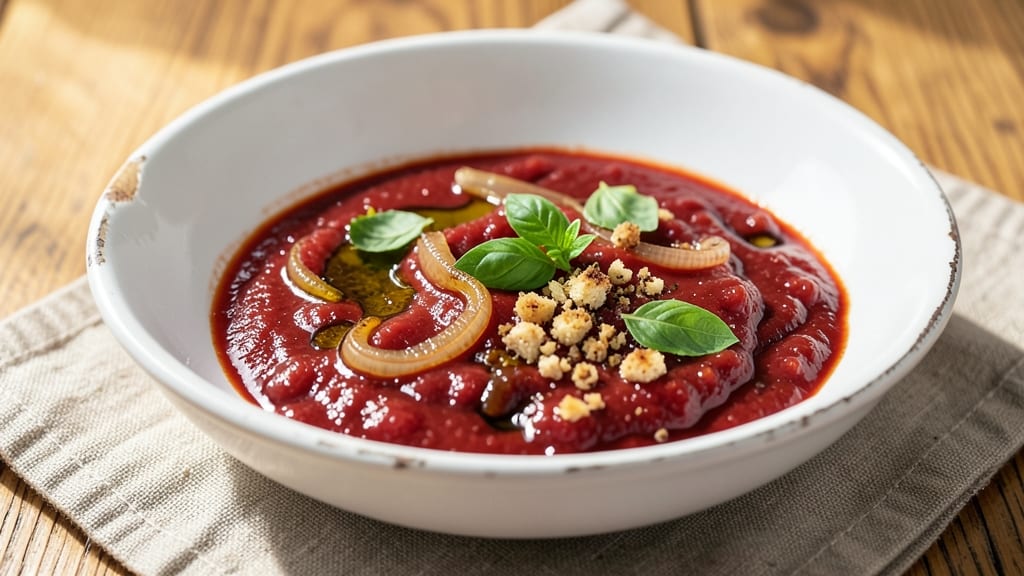
Alex Guarnaschelli's spaghetti sauce recipe delivers restaurant-quality depth with a technique that eliminates clumps and maximizes flavor. The secret lies in a slow-simmered tomato base, where crushed tomatoes, aromatics, and a touch of sugar meld into a velvety sauce that clings perfectly to al dente pasta.
I've replicated her signature method—no shortcuts, just layers of umami and acidity that transform simple ingredients into something extraordinary.
This isn't your grandmother's sauce. Guarnaschelli's approach focuses on textural contrast: finely chopped garlic and onions caramelize slowly, while a splash of red wine and fresh basil add brightness. The sauce thickens naturally as it simmers, creating a silky consistency that coats every strand of pasta without turning gluey.
Even better? It tastes better the next day as flavors deepen.
What makes this recipe truly special is how it balances richness with acidity—just enough sugar to round out the tomatoes, a pinch of salt to enhance their natural sweetness, and a final touch of olive oil to tie everything together.
The result is a sauce that's bold yet balanced, with enough complexity to stand up to hearty sides like garlic bread or a simple arugula salad.
Ready to elevate your weeknight dinners? This sauce comes together in one pot, with minimal prep and maximum impact. The key is patience—letting flavors develop over 45 minutes of gentle simmering—so you can enjoy the process as much as the result.
Serve it with perfectly cooked spaghetti and fresh basil for a dish that feels like a true Italian trattoria experience.
Ingredients for alex guarnaschelli spaghetti sauce
Twelve ingredients transform into Guarnaschelli's velvety spaghetti sauce—where technique matters more than complexity.
| Ingredient | Amount | Notes |
|---|---|---|
| Extra-Virgin Olive Oil 🫒 | ½ cup | High-quality, fruity variety preferred |
| Yellow Onion 🧅 | 1 whole | Finely chopped, about 2 cups |
| Garlic Cloves 🧄 | 6 cloves | Minced, not pre-minced jarred |
| Crushed Tomatoes 🍅 | 28 oz | San Marzano preferred, no salt added |
| Dry Red Wine 🍷 | ½ cup | Bold variety like Cabernet Sauvignon |
| Tomato Paste 🍅 | 2 tbsp | High-quality, no water added |
| Granulated Sugar 🍚 | 1 tbsp | Balances acidity, not optional |
| Fresh Basil Leaves 🌿 | ½ cup | Packed, stems removed, not dried |
| Kosher Salt 🧂 | 1 ½ tsp | Diamond Crystal preferred |
| Black Peppercorns 🌶️ | ½ tsp | Freshly cracked, not pre-ground |
| Dried Oregano 🍃 | 1 tsp | Italian variety preferred |
| Spaghetti 🍝 | 1 lb | Al dente, #6 or #7 thickness |
| Freshly Grated Parmesan Cheese 🧀 | ¼ cup | From a block, not pre-shredded |
The crushed tomatoes form the sauce's heart—San Marzano delivers the best balance of sweetness and acidity. Whole Foods or specialty Italian markets carry them in cans, and the difference is noticeable. For the wine, any bold red works, but Cabernet Sauvignon or Chianti add depth without overpowering. The fresh basil is non-negotiable; dried lacks the aromatic brightness Guarnaschelli's method demands. If you must use dried, reduce to one-third the amount, but fresh is worth the extra minute to wash and tear the leaves.
No red wine? Substitute with beef broth plus 1 tsp balsamic vinegar—it mimics the acidity and umami. Pre-minced garlic or jarred onions compromise texture, so chop them yourself. The tomato paste can be swapped for 1 tbsp tomato powder mixed with 1 tbsp water, but paste gives better body. For a vegetarian version, omit the wine and use vegetable broth instead. The sugar is crucial—it rounds the tomatoes' acidity, so don't skip it, even if you're watching calories. The oregano should be Italian, not Mexican; the flavor profile differs significantly.
This sauce develops over time, so make it a day ahead for deeper flavor. Store in an airtight container in the fridge for up to 5 days, or freeze for 3 months. For freezing, portion into 1-cup containers—thaw overnight in the fridge. The pasta should be cooked al dente and tossed with sauce immediately; undercooked strands absorb flavor better. Save a splash of pasta water to loosen the sauce if needed—it's liquid gold for adjusting consistency.
Why You'll Love This Recipe
- Here’s what sold me: that splash of dry red wine isn’t just for flavor—it actually builds layers. The acidity brightens the tomatoes while the alcohol mellows into a rich, almost velvety base. Honestly, it’s the kind of taste that makes you pause mid-bite, and it’s all from pantry staples.
- No-Fuss Weeknight Win: I swear by this sauce because it’s the kind of recipe that doesn’t demand your full attention. Sauté onions and garlic in olive oil until soft—no need to rush—and let the red wine deglaze the pan while you stir in crushed tomatoes. It’s the kind of hands-off cooking that still delivers restaurant-quality results.
- Wine-Infused Depth: Here’s what sold me: that splash of dry red wine isn’t just for flavor—it actually builds layers. The acidity brightens the tomatoes while the alcohol mellows into a rich, almost velvety base. Honestly, it’s the kind of taste that makes you pause mid-bite, and it’s all from pantry staples.
- Meal Prep MVP: Between us, this sauce freezes like a dream. I make a double batch on Sundays, portion it into containers, and thaw it straight into simmering pasta all week. The flavors only get better with time—no sad, watery leftovers here.
Step-by-step instructions for alex Guarnaschelli's spaghetti sauce
Master this technique and you'll achieve restaurant-quality sauce that's rich, velvety, and completely clump-free.
Develop the Flavor Base with Olive Oil and Aromatics
Heat the 0.5 cup extra-virgin olive oil in a large Dutch oven over medium-low heat. Add the finely chopped yellow onion and cook for 8-10 minutes until completely translucent and sweet-smelling. This slow cook time ensures the onions caramelize slightly without browning.
Add the 6 minced garlic cloves and cook for another 30 seconds until fragrant. Watch carefully—garlic burns quickly at this stage. Here's the thing—if you smell something bitter, you've gone too far. The goal is aroma, not color. Remove from heat immediately after the garlic releases its scent.
Build Depth with Wine and Tomatoes
Return the pot to medium heat and pour in the 0.5 cup dry red wine, scraping up any browned bits from the bottom with a wooden spoon. This deglazing step captures all the flavor you've built so far. Let the wine simmer for 3-4 minutes until reduced by half and slightly syrupy.
Add the 28 oz crushed tomatoes, 2 tbsp tomato paste, 1 tbsp granulated sugar, 1.5 tsp kosher salt, 0.5 tsp freshly cracked black peppercorns, and 1 tsp dried oregano. Stir well to combine. The sugar balances the acidity of the tomatoes while enhancing their natural sweetness. Bring the mixture to a gentle simmer and let it cook uncovered for 25-30 minutes.
Create a Silky Texture with Basil and Simmering
After 25 minutes of simmering, stir in the 0.5 cup packed fresh basil leaves. The basil adds bright, fresh notes that cut through the richness. Let the sauce continue to simmer for another 5 minutes to allow the flavors to meld completely.
Here's where the magic happens: use an immersion blender to blend about half of the sauce directly in the pot. This creates a velvety texture without making the sauce completely smooth. If you prefer a completely smooth sauce, blend everything until completely homogeneous. The key is consistency—don't over-blend or you'll lose that beautiful rustic texture.
Cook the Spaghetti and Finish with Parmesan
While the sauce finishes, cook the 1 lb spaghetti in generously salted boiling water until 1 minute before al dente according to package directions. Reserve 1 cup of pasta water before draining. The starchy water is essential for creating the perfect sauce consistency.
Toss the drained spaghetti with the sauce in the same pot over low heat, adding reserved pasta water as needed to reach your desired consistency. Stir in the 0.25 cup freshly grated parmesan cheese and let it melt into the sauce for 1-2 minutes. The parmesan adds a salty, umami richness that ties all the flavors together.
Rest and Serve for Maximum Flavor
Let the spaghetti sauce rest for 5-10 minutes before serving. This resting period allows the flavors to develop fully and the sauce to thicken slightly. The sauce should coat the back of a spoon with a silky, velvety texture—never clumpy or watery.
Real talk: the sauce will continue to improve as it sits. If you're serving immediately, give it at least 5 minutes of rest time. For the best results, let it sit for 30 minutes before serving. This patience ensures each bite delivers maximum flavor and texture.
Pro Tips For Making Alex Guarnaschelli Spaghetti Sauce
- Sweat the Onion Slow: Don’t rush the onion—cook it over medium-low heat until it’s soft and translucent, not browned. I used to crank the heat and end up with a bitter base; this step builds flavor without burning.
- Deglaze with Wine Immediately: As soon as you remove the onion, pour in the wine while the pan is still hot—let it bubble for 30 seconds before adding tomatoes. That quick burst of alcohol caramelizes the fond, giving the sauce depth.
- Crush Tomatoes by Hand: Skip the canned crushed tomatoes if you can—use fresh San Marzano tomatoes, scored and crushed by hand. The texture’s better, and you avoid the metallic aftertaste some brands leave behind.
- Simmer Low and Long: After adding wine and tomatoes, reduce heat to a gentle simmer (not a boil) and let it cook uncovered for at least 45 minutes. This isn’t a quick sauce—patience lets the flavors meld without breaking down the wine’s acidity.
Storing and reheating your alex guarnaschelli spaghetti sauce
Fridge Storage Secrets
Store your sauce in an airtight glass container (I love Ball mason jars) and refrigerate for up to 5 days. The flavors actually deepen overnight—this sauce tastes better the second day! Label with the date to track freshness.
When reheating, stir gently over low heat for 8-10 minutes, adding 1-2 tablespoons water if it thickens too much. Never microwave directly from the fridge—temperature shock can cause separation. 💫
Freezer Prep Tips
Portion sauce into 1-cup freezer-safe containers (like Rubbermaid Brilliance) or silicone ice cube trays for single servings. Leave ½-inch headspace for expansion. Freeze for up to 3 months—thaw overnight in the fridge before reheating.
For a quick meal, toss frozen sauce directly with freshly cooked pasta (no thawing needed). The texture remains silky when reheated properly. ❄️
Reheating Perfection
For stovetop reheating, use low heat and stir constantly to prevent scorching. Add 2-3 tablespoons pasta water if the sauce seems too thick—this restores that signature velvety texture. If you notice oil separation, whisk vigorously or blend briefly with an immersion blender to re-emulsify.
Never boil—this destroys the delicate basil notes and can make the sauce taste flat. 🔥
Pasta Pairing Pro Tips
Save ½ cup pasta water before draining—it's liquid gold for adjusting consistency when reheating. For best results, cook fresh pasta when reheating (the starchy surface absorbs sauce better than day-old noodles).
If using leftover pasta, toss it with 1 teaspoon olive oil before adding sauce to prevent dryness. The sauce clings beautifully to al dente spaghetti or linguine. 🍝
Make-Ahead Mastery
Prepare the sauce 24 hours ahead for maximum flavor development. Store the sauce and cooked pasta separately in the fridge, then combine when ready to serve. This method lets the sauce's acidity mellow while the pasta absorbs flavors during the resting period.
For meal prep, cook pasta 1 minute less than package instructions—it'll finish cooking when reheated. 📅
Sauce Rescue Guide
If your sauce separates after reheating, whisk in 1 tablespoon cold water and simmer for 2 minutes—this helps reintegrate the oil. For overly thick sauce, add 1 tablespoon water or broth and stir.
If it tastes bland, boost with ½ teaspoon red pepper flakes or a pinch of salt. The key is patience—never rush the reheating process or you'll lose that restaurant-quality texture. 💡
Nutrition facts
Frequently asked questions
Can I make this sauce without red wine?
Yes! Substitute the 0.5 cup dry red wine with 0.5 cup beef broth plus 1 teaspoon balsamic vinegar to mimic the acidity and depth. The wine adds complexity, but this combo works well for vegetarian versions or if you prefer not to use alcohol. Just reduce the broth by half before adding other ingredients.
Why does this sauce taste better the next day?
The flavors deepen as the acidity in the tomatoes mellows and the basil's oils infuse further. The 1 tbsp sugar also helps balance the acidity over time, creating a more harmonious taste. Plus, the sauce thickens slightly as it rests, coating pasta more evenly.
What if I don't have an immersion blender?
No problem! Transfer half the sauce to a blender, puree until smooth, then return it to the pot. For a rustic texture, simply mash some basil leaves against the pot walls with a wooden spoon. The key is blending only part of the sauce to maintain that velvety yet chunky texture.
How do I prevent clumps in the sauce?
Never boil the sauce—keep it at a gentle simmer. Stir frequently to prevent ingredients from sticking to the bottom. The 0.5 cup olive oil also helps emulsify the sauce naturally. If clumps form, blend briefly with an immersion blender or whisk vigorously.
Can I use this sauce for other pasta shapes?
While spaghetti is ideal, this sauce works beautifully with linguine, fettuccine, or even penne. For ridged pastas like rigatoni, toss with a little extra pasta water to help the sauce cling. The sauce's velvety texture makes it perfect for any long or tubular shape.