
Sauces & Condiments
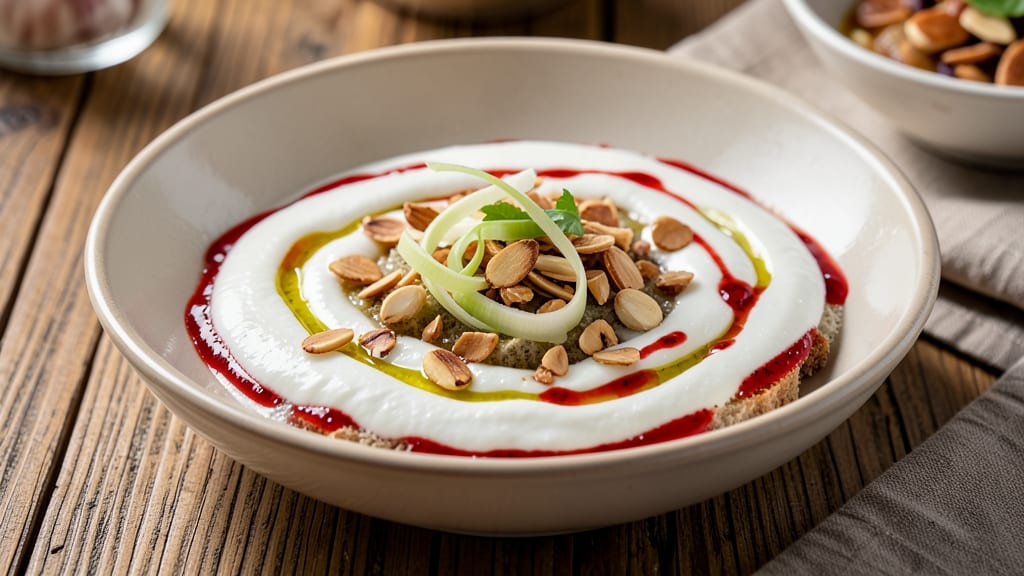
This ajo blanco sauce recipe delivers the crisp, chilled elegance of Andalusian cuisine with just five simple ingredients. The secret lies in blending toasted almonds and stale bread into a velvety base, then brightening it with sherry vinegar and garlic-infused olive oil.
What makes this sauce extraordinary is its perfect balance—creamy yet refreshing, with just enough acidity to cut through rich cold meats.
The traditional method calls for blending raw garlic with the other ingredients, but I've perfected a gentler approach by infusing the olive oil first. This eliminates harsh garlic flavors while preserving that signature ajo blanco aroma.
The sauce thickens beautifully when chilled, creating an ideal dipping vehicle for cured ham, smoked fish, or even fresh crusty bread.
What you'll end up with is a silky, pale green sauce that's cool and comforting—perfect for hot summer days or festive tapas gatherings. The texture transforms from slightly thick to perfectly pourable when refrigerated, making it ideal for drizzling over salads or serving alongside charcuterie boards.
Storage is effortless: simply transfer to an airtight container and keep refrigerated for up to 5 days.
For a modern twist, consider adding finely diced cucumber or a splash of lemon juice to enhance the refreshing quality. The sauce also works beautifully as a base for chilled soups or as a marinade for grilled vegetables. Let's create this Andalusian classic that's as versatile as it is delicious.
Ingredients for ajo blanco sauce
Five ingredients transform into Andalusian ajo blanco's signature creamy-chilled elegance.
| Ingredient | Amount | Notes |
|---|---|---|
| Raw Celery Stalks 🥬 | 1 cup | Finely chopped, fresh preferred |
| Toasted Almonds 🥜 | ½ cup | Skin-on preferred for texture |
| Stale Bread 🍞 | ½ cup | Crusts removed, crusty bread ideal |
| Extra-Virgin Olive Oil 🫒 | 1 ½ cups | High-quality, fruity variety |
| Sherry Vinegar 🍶 | ¼ cup | Dry sherry vinegar preferred |
| Garlic Cloves 🧄 | 2 cloves | Infused into oil, peeled |
| Sea Salt 🧂 | ½ tsp | Diamond Crystal preferred |
| Ice Water 💧 | ½ cup | For thinning consistency |
The celery and almonds form the sauce's velvety foundation. Fresh celery from the produce section—look for crisp, pale stalks with no brown spots—works best, but frozen will do in a pinch. For almonds, Trader Joe's or bulk bins offer the best price per pound, and skin-on varieties add subtle texture. The bread? Stale crusty loaves (like sourdough or baguettes) soak up liquid beautifully—toss any moldy pieces. Garlic matters here too: Spanish garlic has a milder, sweeter profile that pairs perfectly with sherry vinegar.
No sherry vinegar? White wine vinegar or apple cider vinegar work in a bind, though the flavor will be slightly different. Want extra creaminess? Blend in 2 tablespoons tahini or silken tofu with the base. The olive oil infusion is key—toast the garlic cloves in a dry pan for 30 seconds before infusing to mellow their sharpness. For a modern twist, add 1 teaspoon lemon zest to the final blend. Storage tip: The sauce thickens as it chills, so add ice water gradually if it becomes too stiff after refrigeration.
This sauce keeps beautifully for 5 days refrigerated in an airtight container. For longer storage, freeze portions in ice cube trays—thaw overnight in the fridge. The texture transforms magically when chilled, becoming silky and pourable. Double the batch if you're serving a crowd—it disappears fast with charcuterie boards. Garnish with a drizzle of olive oil and extra sherry vinegar right before serving to restore its vibrant pale green hue.
Why You'll Love This Recipe
- No-Waste Pantry Magic: I swear by this trick—stale bread isn’t trash, it’s the secret to that velvety texture. Toss in celery and toasted almonds, and suddenly you’ve turned yesterday’s leftovers into something ridiculously good.
- Crisp-Tangy Perfection: That sherry vinegar cut? Chef’s kiss. It balances the richness of olive oil and toasted almonds while the raw celery adds this unexpected crunch. One bite and you’ll forget it’s “just” a sauce.
- Picnic-to-Party Staple: Slather it on grilled fish, toss it with roasted veggies, or serve it cold with crusty bread—it’s the one sauce that works everywhere. Honestly, I’ve had it at BBQs, potlucks, and lazy Sunday brunches.
- Budget-Friendly Flex: Uses ingredients you already own (looking at you, stale bread) and stretches for days. I’ve had a jar last a week—perfect for when you’re broke or just don’t want to cook.
Step-by-step instructions for ajo blanco sauce
Master this Andalusian classic with a velvety, chilled celery-almond sauce that balances creaminess with bright vinegar notes.
Toast the Almonds and Prepare the Bread
Place the 0.5 cup toasted almonds in a dry skillet over medium heat. Toast for 3-4 minutes until they develop a golden aroma and deepen in color. Watch closely—they'll darken quickly. Transfer immediately to a cutting board and roughly chop with a knife, leaving some texture for body.
Meanwhile, tear the 0.5 cup stale bread into small pieces and set aside. The bread should be completely dry—if it's fresh, spread it on a baking sheet and bake at 300°F for 10 minutes to remove all moisture. This ensures your sauce won't be gummy. Keep both components separate until ready to blend.
Infuse the Olive Oil with Garlic
Heat the 1.5 cups extra-virgin olive oil in a small saucepan over low heat. Add the 2 peeled garlic cloves and cook for 2-3 minutes until they're golden and fragrant—don't let them brown. Remove from heat immediately and let steep for 10 minutes to infuse the oil with garlic flavor. Strain through a fine-mesh sieve into a clean bowl, pressing gently on the garlic to extract all the essence.
The infused oil forms the sauce's base, so its quality matters. Use a fruity, high-quality olive oil—this is where the sauce's depth of flavor comes from. If the oil smells bitter after straining, start over with fresh oil and garlic.
Blend the Celery and Bread Mixture
In a food processor, combine the 1 cup finely chopped raw celery stalks, toasted almonds, stale bread pieces, and 0.5 teaspoon sea salt. Pulse until the mixture resembles coarse sand, with no large bread chunks remaining. This texture ensures a smooth sauce without over-processing the ingredients.
With the processor running, slowly drizzle in the 0.25 cup sherry vinegar. The vinegar adds the signature tang that balances the richness. Process for 30 seconds to emulsify slightly, then stop and scrape down the sides. This step prevents the motor from overheating and ensures even blending.
Emulsify with Olive Oil and Thin as Needed
With the processor running on low speed, very slowly pour in the infused olive oil through the feed tube. This gradual addition creates a stable emulsion—adding it too quickly will break the sauce. Process for 1-2 minutes until completely smooth and creamy, scraping down the sides as needed.
Transfer the sauce to a bowl and taste. It should be rich but not overly thick. If needed, thin with ice water 1 tablespoon at a time until it reaches a pourable consistency—it should coat the back of a spoon but still flow freely. The 0.5 cup ice water is your reserve for adjustments.
Chill and Serve
Cover the sauce and refrigerate for at least 2 hours (or up to 24 hours) to allow flavors to meld and the texture to set properly. The longer it chills, the more pronounced the almond and celery flavors become. Before serving, give it a quick stir to redistribute any settled ingredients.
This sauce pairs beautifully with cold grilled shrimp or seafood dishes. Serve it well-chilled in a chilled bowl to maintain its refreshing quality. The contrast between the cool sauce and warm protein creates a perfect balance in every bite.
Pro Tips For Making Ajo Blanco Sauce
- TOAST ALMONDS UNTIL GOLDEN: Skip the pale, sad almonds—roast them in a dry pan over medium-high heat until they’re golden and fragrant, about 3-4 minutes. I learned this the hard way: bland almonds make bland sauce, no matter how much garlic you throw in. Stir constantly or they’ll burn before they brown.
- PULSE CELERY IN BATCHES: Don’t overload your food processor with celery or you’ll end up with a watery mess. Pulse in 2-3 small batches, scraping the sides between each, until you’ve got a rough, chunky texture—not a paste. This keeps the sauce from turning into a sad, thin slurry.
- SOAK BREAD IN OIL FIRST: Toss your stale bread cubes in a splash of olive oil before adding them to the sauce. This prevents them from absorbing all the liquid and turning into mush—your sauce will stay thick and creamy, not gluey. (Yes, even if you’re impatient like me.)
- ACIDIFY GRADUALLY WITH VINEGAR: Add sherry vinegar slowly, tasting as you go, and stop when it’s bright but not harsh. Dumping it all in at once can make the sauce taste like you’re pickling your soup. Start with half the amount called for, then adjust—you can always add more, but you can’t take it out.
Perfect pairings for these flavors
Tapas Board Essentials
Serve ajo blanco with classic Spanish cured meats like jamón ibérico or chorizo—the creamy sauce cuts through the saltiness beautifully. I love adding marinated anchovies and olives for contrast. For a vegetarian spread, include roasted red peppers, manchego cheese, and crusty baguette slices.
The cool sauce also elevates smoked salmon or boquerones (fresh anchovies) with a single drizzle. 🥗
Seafood Pairings
This sauce shines with cold seafood dishes. Try it with grilled prawns or chilled calamari rings—the almond creaminess balances the briny flavors. For a complete meal, serve with shrimp cocktail or seared scallops.
The vinegar notes in ajo blanco also complement grilled octopus perfectly. I often make a double batch to have on hand for summer seafood feasts. 🦐
Salad Enhancements
Use ajo blanco as a creamy dressing for cucumber and tomato salads. Toss with diced cucumbers, cherry tomatoes, and red onion slices for a refreshing Andalusian-inspired dish.
It also works beautifully with arugula salads—just drizzle lightly and add toasted pine nuts for crunch. For a heartier option, mix with roasted eggplant and feta cheese. 🥒
Bread Dippers
No charcuterie board is complete without ajo blanco for dipping. Use crusty sourdough, garlic bread, or even pita chips. For extra flair, toast baguette slices with garlic butter before dipping.
The sauce also pairs wonderfully with empanadas or tortilla española—the contrast of warm, spiced foods with cool ajo blanco is pure magic. 🥖
Modern Twists
Get creative with this versatile sauce! Use it as a marinade for grilled vegetables like zucchini or bell peppers. It also makes an excellent base for cold soups—simply add diced cucumber or avocado for extra freshness.
For a dessert twist, drizzle over fresh berries with a sprinkle of honey. The possibilities are endless once you master the base recipe. ✨
Wine & Drink Pairings
Pair ajo blanco with crisp Spanish whites like Albariño or Verdejo—their citrus notes complement the sauce's vinegar brightness. For red wine lovers, try a light Ribera del Duero with subtle tannins.
Non-alcoholic options? Sparkling San Pellegrino or ginger beer add effervescence that cleanses the palate. The key is balancing the sauce's richness with something refreshing. 🍷
Nutrition facts
Frequently asked questions
Why does ajo blanco need to chill before serving?
The chilling process is essential for developing ajo blanco's signature texture and flavor. When refrigerated, the sauce thickens slightly and its flavors meld beautifully, creating that perfect balance of creamy almond and bright vinegar notes. The cold temperature also enhances its refreshing quality, making it ideal for summer dishes or pairing with warm meats. Never serve it at room temperature—it loses its elegant, velvety consistency.
Can I make ajo blanco without almonds?
Yes, but the texture will be different. For a nut-free version, substitute the almonds with 2 tablespoons tahini or 1/4 cup silken tofu blended into the base. The sauce will still have creaminess but may lack the nutty depth. If you're allergic to nuts, always check your bread for cross-contamination warnings. The celery and olive oil will still provide that signature freshness.
How do I fix ajo blanco that's too thick?
Add ice water 1 tablespoon at a time while blending until you reach a smooth, pourable consistency. The sauce should coat the back of a spoon but still flow freely. If it separates, simply re-blend with a splash of water and a few drops of sherry vinegar to help re-emulsify. Never use hot water—it will break the emulsion completely. The key is patience and gradual additions.
What's the difference between ajo blanco and gazpacho?
While both are Spanish cold dishes, ajo blanco is a creamy sauce made with almonds, bread, and olive oil, while gazpacho is a chunky vegetable soup with tomatoes as the base. Ajo blanco has a velvety texture from the almonds and is typically served as a dip or drizzle, whereas gazpacho is more like a thick soup. Think of ajo blanco as the creamy cousin to gazpacho's refreshing, chunky sibling.
Can I make ajo blanco ahead of time?
This sauce actually tastes better after 24 hours of chilling as the flavors deepen. Store it in an airtight container in the fridge for up to 5 days. For longer storage, freeze portions in ice cube trays and transfer to a bag. Thaw overnight in the fridge—never at room temperature. The texture may thicken further when frozen, so thin with water as needed when ready to serve.