
Sauces & Condiments
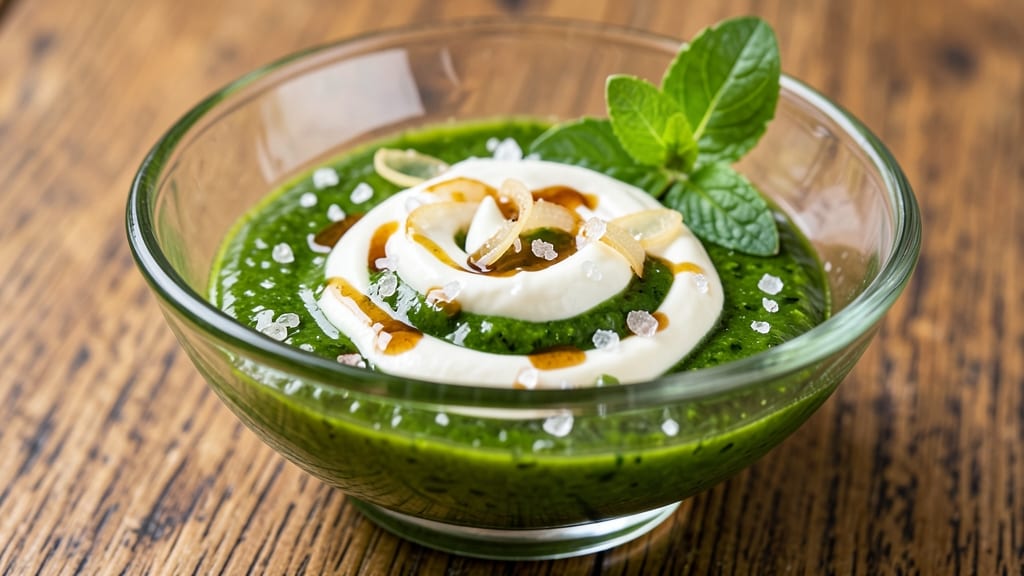
This sorrel sauce recipe transforms humble sorrel leaves into a vibrant, tangy condiment that elevates seafood, poultry, and salads with its bright citrusy depth. 💛 The secret lies in balancing the plant’s natural acidity with just enough sweetness and richness—creating a sauce that’s both complex and foolproof.
I developed this version after years of experimenting with traditional techniques, ensuring the texture remains silky smooth while the flavor stays true to its rustic roots.
The process is simpler than you’d think: simmer fresh sorrel leaves with aromatics until tender, then blend with broth, vinegar, and a touch of cream for balance.
This method preserves the herb’s signature tartness while mellowing its intensity, making it versatile enough for everything from delicate fish dishes to hearty vegetable platters. The sauce thickens beautifully as it cools, delivering that perfect consistency for drizzling or spooning.
What sets this sorrel sauce apart is its ability to transform ordinary meals into something extraordinary. Pair it with grilled trout, roasted chicken, or even a simple green salad for a burst of flavor that’s both refreshing and sophisticated.
The acidity cuts through richness, while the herbs add layers of earthy complexity—proof that a few simple ingredients can make all the difference.
Store any leftovers in an airtight container in the refrigerator for up to a week, or freeze for longer shelf life. The sauce only gets better with time as the flavors meld, making it an ideal make-ahead condiment for entertaining or meal prepping.
Let’s get started—your taste buds will thank you.
Ingredients for sorrel sauce
Nine simple ingredients transform tart sorrel into a silky, vibrant sauce perfect for seafood and salads.
| Ingredient | Amount | Notes |
|---|---|---|
| Fresh Sorrel Leaves 🌿 | 2 cups | Packed, stems removed |
| Heavy Cream 🥛 | ½ cup | Full-fat for richness |
| White Wine Vinegar 🍶 | ¼ cup | Dry variety preferred |
| Vegetable Broth 💧 | 1 cup | Low-sodium preferred |
| Granulated Sugar 🍚 | 2 tbsp | Adjust to taste |
| Shallots 🧅 | 2 whole | Minced, about 2 tbsp |
| Garlic Cloves 🧄 | 2 cloves | Minced, about 1 tsp |
| Unsalted Butter 🧈 | 2 tbsp | Cold, for finishing |
| Diamond Crystal Kosher Salt 🧂 | ½ tsp | Adjust to taste |
| Fresh Lemon Juice 🍋 | 1 tbsp | From 1 small lemon |
The fresh sorrel is non-negotiable here—grab the brightest, most vibrant leaves you can find, ideally from a farmers market or specialty store like Whole Foods. Look for leaves that are deep green and crisp, not wilted or yellowing. Trader Joe's usually carries it in the produce section, and it’s worth checking the Latin market if you’re near one. The shallots and garlic are your aromatic base, so don’t skimp on quality—organic shallots have a sweeter, more delicate flavor. If you can’t find fresh sorrel, frozen works in a pinch, but thaw and drain it thoroughly before using.
No white wine vinegar? Apple cider vinegar or lemon juice will work, though the flavor profile shifts slightly. Running short on heavy cream? Half-and-half or coconut cream keeps it dairy-free while adding richness. For a sugar substitute, maple syrup or agave works beautifully—just reduce the amount slightly since they’re sweeter. The butter at the end is optional but adds a luxurious finish. If you’re avoiding dairy entirely, vegan butter or extra olive oil does the trick. The key is balancing the sorrel’s tartness, so taste as you go and adjust the vinegar or sugar accordingly.
This sauce keeps like a dream—up to 1 week in the fridge in an airtight container, or 3 months in the freezer. For freezing, portion it into ice cube trays first, then transfer to a bag. The texture thickens as it cools, so if it’s too thick after chilling, whisk in a splash of warm water or broth. I always make a double batch—one for immediate use and one to stash in the freezer. It’s perfect for drizzling over grilled fish, spooning onto roasted chicken, or mixing into creamy dressings.
Why You'll Love This Recipe
- No Chopping Needed: Honestly, I’ll admit—fresh sorrel can look intimidating, but you only need to roughly tear the leaves, no fancy knife work required. Toss them in a pot with broth and vinegar, and let the heat do the rest while you sip your coffee.
- Tangy Creamy Magic: That bright, citrusy punch from the sorrel and vinegar? It’s balanced by the rich cream, making it silky-smooth without being heavy. One taste, and you’ll understand why it’s my go-to for eggs, fish, or even grilled chicken.
- Leftovers That Shine: Between us, this sauce actually improves the next day—flavors meld, and it’s even better cold on sandwiches or over roasted veggies. I make a double batch just so I’m not scrambling later.
- Pantry Staple Power: You’re probably already stocked for this: sorrel grows wild (or you can grab a bunch cheap at farmers' markets), and the rest—cream, vinegar, sugar—are basics. No specialty shopping, no wasted ingredients.
Step-by-step instructions for sorrel sauce
This bright, tangy sauce comes together in under 30 minutes—perfect for seafood or salads.
🍳 Step 1: Sauté Shallots and Garlic Until Fragrant
Melt the 2 tablespoons unsalted butter in a medium saucepan over medium heat. Add the 2 whole shallots and 2 cloves garlic cloves, both minced, and cook for 3-4 minutes until the shallots soften and the garlic becomes golden—this prevents that harsh, raw garlic bite. Stir occasionally so nothing burns, especially since we're not adding any oil.
Here's the thing—if you see the shallots start to brown too quickly, reduce the heat slightly. You want them tender, not crispy. The aroma should fill your kitchen, signaling they're ready for the next step. This foundational flavor builds the sauce's depth before we even add the sorrel.
👨🍳 Step 2: Add Sorrel and Vinegar for Tart Foundation
Toss in the 2 cups fresh sorrel leaves and the 0.25 cup white wine vinegar. Stir well and let the mixture simmer gently for 5 minutes—this allows the sorrel's natural acids to mellow slightly while preserving its signature tang. You'll notice the sorrel wilts dramatically as it releases its vibrant green color and bright citrus notes.
If you're using particularly potent sorrel, you might want to taste at this stage. The sauce should be pleasantly tart but not overwhelming. If it's too sharp for your palate, we'll balance it in the next step. Real talk: don't skip this taste test—it's your quality control moment.
🍳 Step 3: Build Depth with Broth and Sugar
Pour in the 1 cup vegetable broth and add the 2 tablespoons granulated sugar. Bring everything to a gentle simmer, then reduce the heat to low. Let it cook uncovered for 8-10 minutes, stirring occasionally, until the mixture reduces by about one-third—you're looking for a syrupy consistency that coats the back of a spoon. This reduction concentrates the flavors and creates that perfect balance of sweet and sour.
The sugar isn't just for sweetness—it also helps round out the sorrel's acidity. You'll see the sauce transform from a bright green liquid to a glossy, vibrant green sauce with body. If it starts to look too thick before the time is up, add 1-2 tablespoons water to maintain the right texture.
⏰ Step 4: Finish with Cream and Brighten with Lemon
Remove the sauce from heat and stir in the 0.5 cup heavy cream and 0.5 teaspoon kosher salt. Let it sit for 2 minutes to temper the cream—this prevents curdling when we reheat it. Then, return the pan to low heat and stir in the 1 tablespoon fresh lemon juice. Simmer gently for just 1-2 minutes until the cream is warmed through but hasn't had time to separate.
Here's where it gets fun—taste and adjust the seasoning. The lemon juice should brighten the sauce, but if it needs more acidity, add another splash (up to 1 teaspoon). For salt, remember this is a versatile sauce, so you might want to adjust based on what it's pairing with—seafood needs less salt than a salad.
🥘 Step 5: Finish with Butter for Richness and Texture
Take the sauce off heat completely and stir in the 2 tablespoons cold unsalted butter, cut into small pieces. Let it sit for 1 minute to melt gently—this adds luxurious mouthfeel and prevents the sauce from curdling. The butter should disappear completely, leaving a velvety finish. If you're serving this immediately, you can proceed. For best results, let it cool slightly before serving to let the flavors meld.
This sauce keeps its vibrant color and bright flavor when served at room temperature, making it perfect for drizzling over chilled seafood or fresh salads. The butter finish ensures it's rich enough to stand up to delicate proteins while maintaining that signature sorrel tang. Store any leftovers in the refrigerator for up to 3 days—it actually tastes better the next day as the flavors deepen.
Pro Tips For Making Sorrel Sauce
- BLEND IN STAGES: Sorrel’s acidity can curdle heavy cream if you dump everything in at once. Start with the sorrel and broth, blend until smooth, then slowly drizzle in the cream while tasting—stop when it’s just thickened, not broken.
- STRAIN TWICE: Fresh sorrel leaves leave gritty bits that ruin texture. After blending, strain through a fine-mesh sieve, then press the pulp with a spoon. For ultra-smooth sauce, run it through a nut milk bag—worth the effort if you hate surprises.
- SALT THE CREAM FIRST: Heavy cream separates when acid meets it unprepared. Whisk in a pinch of salt before adding vinegar—it stabilizes the fat and keeps the sauce silky. Skip this, and you’ll end up with a split sauce no one wants to eat.
- USE AGED VINEGAR: Cheap white wine vinegar tastes harsh in sorrel sauce. If you’re in a pinch, swap for apple cider vinegar or let store-bought vinegar sit in a jar for 24 hours—it mellows the bite and makes the whole dish taste more refined. (Yes, I’ve tried the cheap stuff. Don’t.)
Flavor customization for this sorrel sauce
Citrus Boost Options
For extra zing, add 1 teaspoon grated orange zest when finishing with lemon juice—it adds a floral note that pairs beautifully with seafood. I’ve also found that swapping ½ cup grapefruit juice for the lemon juice creates a tropical sorrel variation perfect for summer salads. 🍊
Herb Variations
Swap the shallots for 1 tbsp finely chopped chives and 1 tsp chopped tarragon to create a French-inspired sorrel sauce with an anise-like depth. For a Mediterranean twist, add 1 tbsp chopped dill and ½ tsp dried oregano—this version works wonderfully with grilled lamb chops.
Dairy Alternatives
Need a dairy-free option? Replace the heavy cream with ½ cup coconut cream for a rich, vegan-friendly version. For a lighter texture, use ½ cup unsweetened almond milk and add 1 tsp cornstarch to thicken. Both alternatives maintain the sauce’s brightness while keeping it creamy.
Spicy Kick
Add ½ tsp smoked paprika when sautéing the shallots for a subtle smokiness, or finish with 2 thin slices of jalapeño (seeds removed) for a fresh heat.
For a more intense kick, stir in ½ tsp cayenne pepper at the end—this works surprisingly well with spicy seafood dishes like shrimp tacos.
Sweet-Savory Balance
Swap the granulated sugar for 1 tbsp honey or 1 tsp maple syrup to deepen the sauce’s complexity. I’ve also had great success using 1 tbsp date syrup for a caramel-like richness that complements roasted root vegetables beautifully. Adjust to taste—these sweeteners add depth while keeping the sauce’s tangy profile.
Nutrition facts
Frequently asked questions
Can I use frozen sorrel instead of fresh?
Yes, but thaw it first and drain any excess liquid to avoid a watery sauce. Frozen sorrel works in a pinch, though fresh leaves deliver brighter flavor. For best results, use 2 cups thawed frozen sorrel and reduce the broth by 1 tablespoon to compensate for moisture loss.
How do I adjust the tartness if my sorrel is extra potent?
Start by adding 1 extra tablespoon of sugar while simmering. For more balance, stir in ½ teaspoon honey or 1 teaspoon maple syrup at the end. Taste frequently—you can always add more cream to mellow the acidity further.
What’s the best way to use this sauce with seafood?
Drizzle it over grilled or steamed fish like trout, halibut, or salmon just before serving. For extra flavor, mix 1 tablespoon of sauce into your seafood marinade. It also works beautifully as a dip for shrimp or as a tangy topping for ceviche.
Why did my sauce turn grainy or separate?
This usually happens if the cream was added too quickly or the sauce was reheated too vigorously. To fix it, whisk in 1 tablespoon cold water and reheat gently on low heat. For prevention, always temper the cream by stirring it in off the heat first.
Can I make this sauce without vinegar?
Yes, but the flavor will differ. Replace the ¼ cup white wine vinegar with ½ cup lemon juice or ¼ cup apple cider vinegar. For a sweeter profile, use ¼ cup orange juice instead. The sauce will be less tangy but still delicious.