
Sauces & Condiments
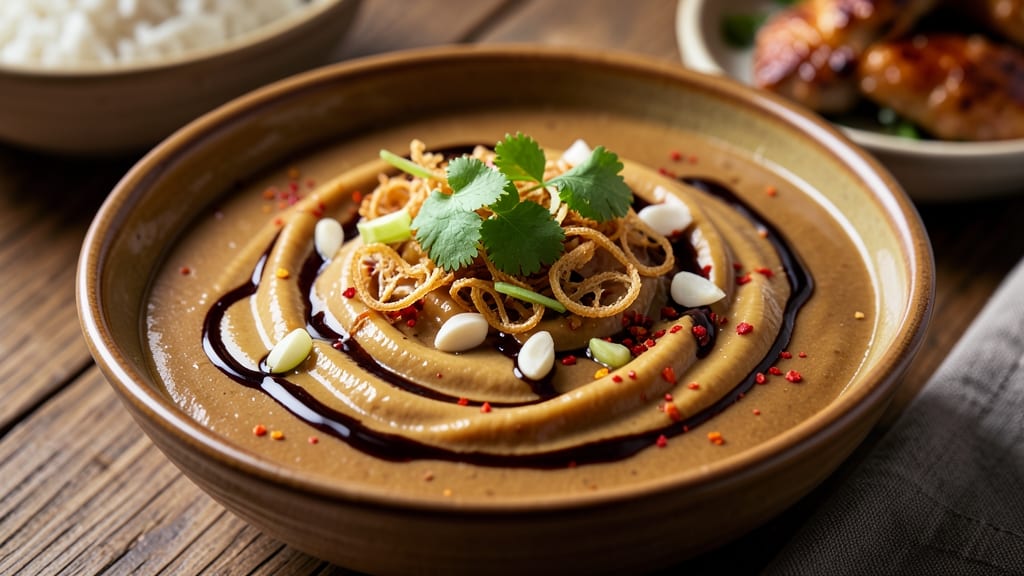
This hot pot peanut sauce recipe transforms ordinary dipping sauce into a bold, nutty-smoky masterpiece that elevates every bite. 💛 The secret lies in balancing rich peanut butter with aromatic spices and a touch of heat, creating a velvety sauce that clings perfectly to dumplings, noodles, or grilled meats.
I developed this recipe after craving a sauce that could stand up to the complex flavors of hot pot broths while adding depth to every dish.
The foundation of this sauce is a smooth blend of peanut butter and vegetable oil, simmered with garlic, ginger, and chili flakes to build layers of flavor.
A splash of soy sauce and a hint of sugar round out the taste, ensuring it’s savory, slightly sweet, and just spicy enough to keep your palate engaged. The sauce thickens beautifully when reduced, making it ideal for dipping or drizzling over finished dishes.
What sets this sauce apart is its versatility—it works as a dipping sauce for hot pot ingredients, a glaze for grilled meats, or even a flavorful addition to stir-fries.
The nutty richness pairs exceptionally well with the umami depth of hot pot broths, creating a harmonious balance that’s both comforting and exciting. Once you try it, you’ll never reach for store-bought again.
Best of all, this sauce keeps well in the refrigerator for up to a week, so you can make a big batch and enjoy it throughout the week.
Whether you're hosting a hot pot night or simply looking to elevate your favorite dishes, this peanut sauce is a game-changer that delivers restaurant-quality flavor at home.
Ingredients for hot pot peanut sauce
Nine simple ingredients blend into a velvety peanut sauce that transforms hot pot nights.
| Ingredient | Amount | Notes |
|---|---|---|
| Creamy Peanut Butter 🥜 | ½ cup | Natural, unsweetened preferred |
| Vegetable Oil 🫒 | ½ cup | Light or neutral flavor |
| Garlic Cloves 🧄 | 4 cloves | Minced for aromatic base |
| Fresh Ginger 🌿 | 1 tbsp | Grated, for zesty kick |
| Red Chili Flakes 🌶️ | 1 tbsp | Adjust for heat preference |
| Soy Sauce 🍶 | 2 tbsp | Light or dark variety |
| Granulated Sugar 🍚 | 1 tbsp | Balances savory flavors |
| Rice Vinegar 🍶 | 1 tbsp | Adds tangy brightness |
| Sesame Oil 🫒 | 1 tsp | Toasted for nutty aroma |
| Water 💧 | ¼ cup | For thinning consistency |
The peanut butter is your flavor anchor—natural, unsweetened is key here. Jif or Skippy work perfectly, but any store-brand with no additives keeps things authentic. Fresh ginger and garlic? Buy them at the farmers market if you can—they’ve got way more punch than the grocery store versions. Chili flakes can be adjusted; start with the 1 tbsp and add more if you're feeling bold. The soy sauce adds that umami depth, so don't skip it—Kikkoman or Lee Kum Kee are my go-tos, but any good-quality brand works.
No peanut butter? Almond butter or cashew butter will work in a pinch, though the flavor profile shifts slightly. Short on sesame oil? Toasted sesame seeds at half the amount give a similar nutty aroma. The rice vinegar is non-negotiable for that tangy brightness—substitute apple cider vinegar if needed. Want it smoother? Blend everything together before simmering. Prefer it chunkier? Stir in a spoonful of crushed peanuts at the end. This sauce is all about balance, so taste as you go—adjust the sugar if it needs more sweetness or the soy sauce if it needs more salt.
This sauce keeps beautifully in the fridge for up to 1 week—just store it in an airtight jar. For longer storage, freeze it in ice cube trays and pop out single servings as needed. The flavor actually improves after a day or two as everything melds together. I like to make a double batch—one for dipping, one for drizzling over grilled meats or noodles. If it thickens too much, just stir in a splash of water or a little more oil. Trust me, you'll want to make this again and again.
Why You'll Love This Recipe
- No-Fuss Stir-Fry Base: I swear by this sauce when I’m too tired to measure spices. Just toss in peanut butter, a splash of oil, minced garlic, and grated ginger—no fancy techniques, just heat and blend. The chili flakes add a kick without needing a scale.
- Umami Bomb Combo: That creamy peanut butter meets garlic and ginger like best friends at a reunion. The oil helps it cling to everything—stir-fries, noodles, even grilled chicken—while the chili flakes keep it bright and addictive. Honestly, it’s the kind of flavor that makes you pause mid-bite.
- Leftover Hero: This sauce doesn’t just taste great—it lasts. I make a big batch on Sundays, store it in the fridge, and use it all week. Drizzle it over rice bowls, toss it with veggies, or slather it on sandwiches. It’s my secret weapon for turning simple meals into something special.
- Budget Magic: Peanut butter, garlic, and ginger? Affordable staples that punch way above their price. No specialty ingredients, no markup—just pure, reliable flavor that won’t break the bank. Between us, I’ve made this sauce for under $3 a batch, and it’s never let me down.
Step-by-step instructions for hot pot peanut sauce
Here's how to whip up this rich, nutty sauce that'll elevate dumplings and noodles in minutes.
🍳 Step 1: Bloom the Aromatics in Oil
Heat the 0.5 cup vegetable oil in a medium saucepan over medium-low heat. Add the 4 minced garlic cloves and 1 tablespoon grated fresh ginger, stirring constantly for 1-2 minutes until fragrant but not browned. You'll know it's ready when the kitchen smells like a warm spice market—this is your aromatic foundation.
Here's the thing—don't rush this step. If the garlic starts to turn golden, reduce the heat immediately. We want flavor, not burnt bits. The oil should shimmer gently, not smoke. This gentle cooking ensures the garlic and ginger release their full potential without becoming bitter.
🔥 Step 2: Add Heat and Sweetness
Stir in the 1 tablespoon red chili flakes and cook for 30 seconds until the oil is tinged with color. Add the 2 tablespoons soy sauce, 1 tablespoon granulated sugar, and 1 tablespoon rice vinegar, stirring constantly. The mixture will bubble vigorously—let it simmer for 2 minutes until slightly thickened.
This is where the sauce starts coming together. The sugar helps balance the saltiness of the soy sauce while the vinegar adds that bright, tangy kick. If you're using dark soy sauce, you'll see it darken beautifully—this is normal and adds depth. Taste at this stage—you should notice the sweet, spicy, and umami flavors starting to meld.
🥘 Step 3: Incorporate the Peanut Butter
Reduce the heat to low and gradually whisk in the 0.5 cup creamy peanut butter. Start with small amounts to prevent clumping, then keep whisking vigorously until completely smooth. The sauce will thicken dramatically—this is what we want. If it gets too thick too quickly, add 1-2 tablespoons of the 0.25 cup water to loosen it.
I like to use a hand whisk for this step because it creates air in the sauce, making it lighter and more velvety. Keep whisking for 1-2 minutes until the peanut butter is fully incorporated and the sauce is silky. The color should be a rich, nutty brown with no visible peanut butter chunks. This is the moment that matters: the peanut butter's creaminess combines with the aromatic base to create that signature hot pot sauce texture.
⏰ Step 4: Finish with Sesame Oil and Water
Remove the saucepan from heat and stir in the 1 teaspoon sesame oil. This adds that final nutty aroma that takes the sauce from good to amazing. If the sauce is still too thick after whisking, add the remaining 0.25 cup water 1 tablespoon at a time until you reach a smooth, pourable consistency—it should coat the back of a spoon but still flow easily.
Let the sauce rest for 5 minutes off the heat. This resting period allows all the flavors to fully meld together. Taste and adjust seasoning if needed—you might want to add a pinch more sugar for sweetness or a splash more vinegar for tang. The perfect sauce should balance nutty, spicy, sweet, and umami flavors with a silky texture that clings beautifully to noodles and dumplings.
🍽️ Step 5: Serve Warm Over Your Favorite Dishes
Return the sauce to low heat and keep it warm until ready to use. This sauce is best served immediately over steamed dumplings, noodles, or even as a dipping sauce for spring rolls. The warmth helps the peanut butter maintain its creamy texture while the aromatics stay vibrant.
Here's a pro tip: if you're serving this over hot dishes, you can thin it slightly with a splash of hot water to maintain the perfect consistency. And don't be afraid to experiment—this versatile sauce works wonders with both savory and slightly sweet dishes. The key is to keep it warm and ready to go when your main dish is finished.
Pro Tips For Making Hot Pot Peanut Sauce
- Bloom the Ginger: Slice that ginger paper-thin—like rice paper, not poker chips—and let it sit in warm water for 10 minutes before cooking. I used to throw it in raw, and the sauce just smelled like a sad, underused spice. This wake-up call turns it into the aromatic backbone of your peanut sauce.
- Low and Slow with Peanut Butter: Start your peanut butter on medium-low heat, stirring constantly like you’re babysitting a toddler. After 3 minutes, drop the heat to the lowest setting—peanut butter burns faster than you’d think, and once it’s scorched, you’re starting over. (Yes, I’ve done it.)
- Toast the Garlic Right: Smash those garlic cloves flat with the side of your knife before adding them to the oil—more surface area means faster, deeper flavor. And listen for the sizzle, not the pop: if it’s popping, your heat’s too high, and you’ll get bitter, burnt bits instead of golden, fragrant goodness.
- Chili Flakes Last: Toss in the red chili flakes at the very end, just when you’re about to pour the sauce over your hot pot. They lose heat and punch fast—add them early, and you’ll be chasing that spicy kick with extra flakes while your sauce turns lukewarm. (Your guests will notice.)
Perfect pairings for hot pot peanut sauce
Dipping Sauce Perfection
This peanut sauce shines as a dipping sauce for hot pot ingredients like dumplings, noodles, or grilled meats. The silky texture clings beautifully to steamed wonton wrappers or shumai, while the nutty-sweet balance complements the savory broths.
For extra richness, serve it warm in a small ceramic dip bowl with a sprinkle of crushed peanuts on top. 🥜
Noodle Elevation
Drizzle this sauce over ramen or udon noodles for an instant flavor upgrade. The peanut butter's creaminess coats each strand perfectly, while the garlic and ginger add aromatic depth. I like to toss the noodles in a little sesame oil first to enhance the nutty flavor profile.
For a complete meal, pair with quick-pickled cucumbers to cut through the richness.
Protein Pairings
Use this sauce as a glaze for grilled chicken thighs or tofu before serving. The peanut butter caramelizes slightly when exposed to heat, creating a sticky, flavorful crust. For extra texture, sprinkle with toasted sesame seeds before grilling.
It also works wonderfully as a dipping sauce for spring rolls or egg rolls, adding a nutty contrast to the crispy exterior.
Vegetable Boost
Toss roasted or steamed vegetables like broccoli, carrots, or bell peppers in this sauce for a flavorful side dish. The peanut butter's richness balances the natural sweetness of the vegetables, while the chili flakes add a subtle kick.
For extra crunch, top with fried shallots or crushed peanuts before serving.
Breakfast Twist
Don't limit this sauce to dinner! Use it as a dip for congee or drizzle it over scrambled eggs for a savory-sweet breakfast. The peanut butter adds a creamy texture that pairs surprisingly well with the fluffy eggs.
For a complete meal, serve with steamed buns or rice cakes on the side.
Dessert Surprise
For a sweet twist, reduce the chili flakes to ½ teaspoon and add 1 teaspoon honey when incorporating the peanut butter. This creates a delicious dessert sauce for pancakes, ice cream, or fruit tarts.
The nutty-sweet combination is surprisingly addictive and works beautifully with bananas or berries. 🍯
Nutrition facts
Frequently asked questions
Can I make this peanut sauce without peanut butter?
For a nut-free version, substitute the peanut butter with ½ cup almond butter or cashew butter—both work beautifully. The texture will be slightly lighter but still rich. If you're avoiding all nuts, try ½ cup tahini (sesame paste) for a similar creamy base, though the flavor profile will shift toward sesame-forward.
How spicy should I make this sauce?
Start with the 1 tbsp chili flakes as written for a mild-medium heat level. For extra kick, add ½ tsp cayenne pepper or 1 tsp gochujang (Korean chili paste) when simmering the aromatics. Taste as you go—you can always adjust, but chili flakes are easier to control than liquid hot sauces.
Can I make this sauce ahead of time?
Yes! This sauce actually tastes better after resting. Store it in an airtight container in the fridge for up to 1 week, or freeze in ice cube trays for single-serving portions. Reheat gently on low heat, stirring in 1 tsp water if it thickens too much. The flavors meld beautifully overnight.
What's the best way to use this sauce with hot pot?
Serve it warm in a small bowl as a dipping sauce for cooked meats, dumplings, or vegetables. The peanut butter's creaminess contrasts perfectly with hot pot broths. For extra drama, drizzle it over finished dishes or use it as a glaze for grilled hot pot ingredients before serving.
Why did my sauce separate?
This usually happens if the peanut butter wasn't fully incorporated or if the sauce cooled too quickly. To fix it, whisk in 1 tbsp hot water while reheating on low heat. For prevention, always whisk vigorously when adding peanut butter and keep the heat low. If it's still grainy, strain through a fine-mesh sieve.