
Sauces & Condiments
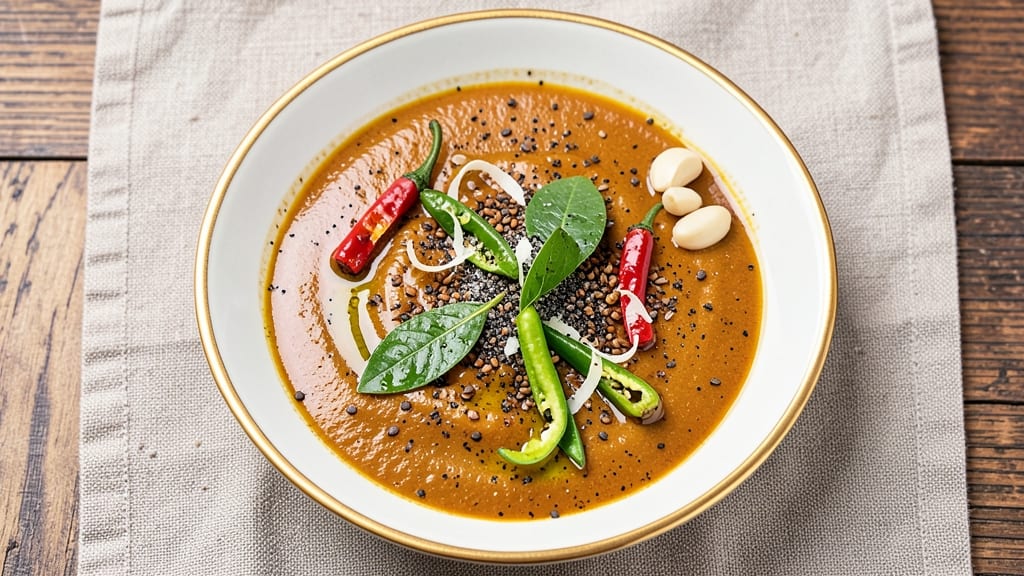
This curry leaf sauce recipe transforms simple ingredients into a fragrant, aromatic base that elevates curries, stews, and marinades with just a few minutes of prep.
The secret lies in properly pounding fresh curry leaves with garlic, chili, and a touch of oil—creating a paste that releases its complex flavors when simmered. I developed this version after years of experimenting with different ratios, and it consistently delivers that restaurant-quality depth without overpowering dishes.
The process is straightforward but critical: start with high-quality curry leaves (never dried) and pound them with aromatics until you achieve a fine, fragrant paste. This method preserves the leaves' natural oils, which are essential for that signature South Indian flavor.
The sauce keeps well in the fridge for up to a week, making it perfect for batch cooking or meal prep—just stir it into your favorite curry or stew for instant depth.
What makes this sauce truly versatile is its ability to adapt to any dish. Use it as a marinade for chicken or fish, stir it into coconut milk-based curries, or even drizzle it over roasted vegetables for an aromatic finish.
The balance of garlic, chili, and curry leaves creates a harmonious blend that works in both mild and spicy preparations without dominating the flavor profile.
The key to success is patience—don't rush the pounding process, and always use fresh ingredients. Once you've mastered this technique, you'll have a pantry staple that transforms ordinary meals into something extraordinary. Ready to make your kitchen smell like a South Indian home?
Ingredients for curry leaf sauce
Eight simple ingredients transform into aromatic magic for your curries and stews.
| Ingredient | Amount | Notes |
|---|---|---|
| Fresh Curry Leaves 🌿 | 1 cup | Packed, stems removed |
| Garlic Cloves 🧄 | 8 cloves | Peeled, rough chopped |
| Green Chilies 🌶️ | 3 whole | Fresh, seeded if preferred |
| Extra-Virgin Olive Oil 🫒 | ¼ cup | High quality, fruity |
| Salt 🧂 | ½ tsp | Kosher or sea salt |
| Ground Black Pepper 🌶️ | ¼ tsp | Freshly ground preferred |
| Lemon Juice 🍋 | 1 tbsp | Freshly squeezed |
| Cumin Seeds 🌿 | 1 tsp | Toasted for deeper flavor |
Curry leaves are non-negotiable here—they make or break the sauce. Indian grocery stores carry them fresh year-round, or check the international aisle at Whole Foods. Look for vibrant green leaves with no yellowing or wilting. Fresh is a must—dried leaves just don't deliver that same aromatic punch. If you can't find fresh, frozen curry leaves work in a pinch, but they lose some of their delicate texture. The garlic and chilies should be fresh too—no sad, shriveled cloves. For the chilies, I like to keep the seeds in for a bit more heat, but remove them if you prefer mild flavor.
No curry leaves? Fresh bay leaves at half the amount can mimic some of the earthiness, but it won't be the same. Short on garlic? Garlic powder at one-third the amount works, though fresh is always better. Olive oil is key here—don't skimp on quality. Trader Joe's or Costco have great options for affordable, high-quality EVOO. For the cumin seeds, toast them in a dry pan for about 30 seconds until fragrant—that aroma is everything. No lemon juice? Apple cider vinegar works in a similar way, though it'll have a slightly different tang.
This sauce keeps beautifully in the fridge for up to 1 week in an airtight container. For longer storage, freeze it in ice cube trays—just pop out what you need. The flavor actually improves after the first day as everything melds together. I like to make a double batch so I always have some on hand. It's perfect for marinades, stir-ins, or even drizzling over rice. The sauce thickens as it sits, so add a splash of water when reheating if needed.
Why You'll Love This Recipe
- Pantry Staple Magic: I swear by this sauce because it’s made with things I always have—garlic, chili, and olive oil—plus curry leaves, which I buy in bulk. No last-minute grocery runs, no stress. Just toss everything in a pan, let those leaves bloom, and boom—flavor without the fuss.
- Umami Bomb: That first sizzle of curry leaves in hot oil? It’s like a tiny explosion of warmth. The garlic and chilies deepen the richness, but the leaves give it this bright, herbal lift that makes it taste fresh even after sitting for days. Honestly, I’ve drizzled it over eggs, rice, and even grilled fish—each time, it’s better than takeout.
- Weeknight Superpower: This sauce is my lazy dinner secret weapon. Simmer it while you prep the rest of your meal, or keep a jar in the fridge to toss onto whatever you’re serving. It’s the difference between “meh” and “wow” for my picky eaters—and yes, even on a Tuesday night when I’m exhausted.
- Budget-Friendly Flex: A handful of curry leaves and a few cloves of garlic stretch across multiple meals. I make a big batch, freeze half, and still have leftovers for days. Between us, this is how I feed my family well without breaking the bank—plus, it’s the kind of sauce that makes simple meals feel special.
Step-by-step instructions for curry leaf sauce
This aromatic blend transforms simple dishes into flavor-packed masterpieces.
Toast the Cumin Seeds
Heat a small dry skillet over medium heat and add the 1 teaspoon cumin seeds. Toast them for 30-45 seconds until they release their nutty aroma and turn a deep golden brown. Watch closely—they burn quickly, so keep the heat moderate. The moment they begin to pop and smell intensely, remove them from the heat immediately.
Let the toasted cumin seeds cool for 1 minute before transferring them to a small bowl. This brief cooling prevents them from releasing their oil prematurely when you add the olive oil. The toasted seeds will form the aromatic base of your sauce, so don't skip this step—it's what gives the sauce its signature depth.
Sauté the Aromatics
In a medium saucepan, combine the toasted cumin seeds with the ¼ cup extra-virgin olive oil over low heat. Add the 8 cloves rough-chopped garlic and 3 whole green chilies (seeded if preferred). Cook them together for 2-3 minutes until the garlic becomes translucent and fragrant, but doesn't brown.
Keep the heat low to prevent burning the garlic—you want it to soften and release its sweet aroma without turning bitter. The green chilies should soften slightly but remain vibrant. Stir occasionally to ensure even cooking. This step builds the flavor foundation, so don't rush it.
Add the Curry Leaves
Increase the heat to medium-low and add the 1 cup packed fresh curry leaves. Stir them into the oil mixture and cook for 1-2 minutes until the leaves begin to darken slightly and release their intense, citrusy aroma. You'll notice the oil will turn a beautiful golden hue as the leaves infuse their flavor.
Watch for the leaves to change color—this indicates they're releasing their essential oils. If they start to darken too quickly, reduce the heat slightly. The leaves should be fragrant but not crispy or burnt. This is where the sauce gets its signature aromatic punch, so pay attention to the visual and olfactory cues.
Season and Finish
Add the ½ teaspoon salt and ¼ teaspoon ground black pepper to the pan. Stir well to distribute the seasonings evenly throughout the oil mixture. Cook for another 30 seconds to let the salt dissolve and the pepper warm up.
Remove the pan from heat and let the mixture cool for 2 minutes. Then stir in the 1 tablespoon freshly squeezed lemon juice. The lemon juice brightens the flavors and balances the richness of the oil. The sauce is now ready to use—its vibrant aroma will transform any dish you add it to.
Use Immediately or Store
This curry leaf sauce is best used immediately, but you can store it in an airtight container in the refrigerator for up to 1 week or freeze it for up to 3 months. When using from the fridge, let it come to room temperature before adding to hot dishes to preserve its aromatic qualities.
Use this fragrant blend to enhance curries, stews, rice dishes, or even as a marinade. A few tablespoons can transform a simple dish into something extraordinary. The key is using it while it's fresh—its aromatic power diminishes over time, so plan to use it within a few days for the best results.
Pro Tips For Making Curry Leaf Sauce
- CRANK THE HEAT FIRST: Start your olive oil on medium-high until it shimmers—you’ll hear it whisper to you when it’s ready. Curry leaves burn faster than you think, so get that garlic and green chili in within 30 seconds of the oil hitting the pan. I learned this the hard way when my first batch turned into a bitter, smoky mess.
- SLICE GARLIC THINLY: Crush those cloves flat with the side of your knife first, then slice them paper-thin. Whole cloves won’t infuse properly, and chopped pieces can turn bitter. Thin slices melt into the oil evenly, giving that aromatic punch without overpowering the curry leaves—no one wants garlic to steal the show.
- STIR CONSTANTLY AFTER ADDING LEAVES: The moment you toss in the curry leaves, stop everything and stir like your life depends on it. They release their oils in a flash, and if you let them sit, they’ll darken and turn bitter. Keep the pan moving for the first 20 seconds—this is the non-negotiable part of the recipe.
- USE WARM OIL, NOT HOT: Let the olive oil come to a gentle simmer (around 300°F/150°C) before adding anything. Too hot, and the garlic and green chili will scorch before the leaves even get a chance to sing. Too cool, and the flavors won’t wake up. A quick flick of the wrist to test—if a tiny drop of water sizzles but doesn’t explode, you’re golden.
Dietary considerations for this curry leaf sauce
Gluten-Free Friendly
This curry leaf sauce is naturally gluten-free since it contains no wheat, barley, or rye. All ingredients—curry leaves, garlic, chilies, and olive oil—are safe for gluten-sensitive diets.
Just ensure your salt is certified gluten-free (like Morton Salt) to avoid cross-contamination. The sauce works perfectly in gluten-free curries or as a marinade for grilled meats and seafood. ✨
Vegan Adaptations
For a vegan version, simply omit the lemon juice if you prefer no animal-derived ingredients (though it's plant-based). The rest of the ingredients are already vegan-friendly. I often use this sauce to enhance vegan curries, lentil stews, or roasted vegetables.
The cumin seeds and curry leaves provide deep, earthy flavors without any animal products.
Low-Oil Option
If you're watching your oil intake, reduce the extra-virgin olive oil to 2 tablespoons instead of ¼ cup. This lighter version still delivers the aromatic punch but with fewer calories.
I've found that even with less oil, the curry leaves and garlic infuse enough flavor to make a noticeable difference in dishes like stir-fries or grilled tofu. Just stir in a splash of water if the sauce seems too thick.
Spice-Free Adjustments
For a milder heat level, remove the seeds from the green chilies or substitute them with ½ teaspoon mild paprika. You can also skip the black pepper entirely if you prefer a completely smooth flavor profile.
The curry leaves and garlic still provide depth without any spiciness. This version works well for children or sensitive stomachs while keeping the signature aroma.
Allergy Considerations
If you have a garlic allergy, substitute it with 1 teaspoon garlic powder (though fresh garlic is preferred for flavor). For chili allergies, omit the green chilies entirely or replace them with ½ teaspoon mild cayenne pepper.
Always double-check ingredient labels for hidden allergens, especially with spices like cumin seeds, which are sometimes processed in shared facilities. The sauce remains versatile even with these adjustments. 🌿
Nutrition facts
Frequently asked questions
Can I use dried curry leaves instead of fresh?
Fresh curry leaves are essential for this sauce—they release their aromatic oils when heated, creating that signature flavor. Dried leaves won't infuse the oil properly and will result in a weaker, more bitter taste. If you must use dried, soak them in warm oil for 10 minutes before cooking, but expect a less vibrant result.
How much sauce should I add to curries or stews?
Start with 1-2 tablespoons per serving and adjust to taste. This sauce is potent—too much can overpower delicate dishes. For mild curries, 1 tablespoon is perfect, while heartier stews can handle 2 tablespoons. Always taste as you go! The aroma will guide you.
Can I make this sauce without oil?
While the recipe includes oil to capture the flavors, you can make a lighter version by replacing it with 2 tablespoons water or broth. The sauce will be thinner but still aromatic. For best results, simmer the mixture longer to concentrate the flavors. This works well for drizzling over soups or rice dishes.
Why does my sauce smell burnt?
Burnt aroma usually means the curry leaves or garlic overheated. Keep the heat at medium-low when cooking the leaves—they should darken slightly but not crisp or turn black. If it happens, start fresh with a lower heat setting. The leaves should release their fragrance without burning.
How can I use this sauce beyond curries?
This versatile sauce works in marinades for grilled chicken or fish, as a drizzle over roasted vegetables, or even in dressings for salads. Stir 1 tablespoon into hummus or yogurt dips for an instant flavor boost. The possibilities are endless—let your creativity guide you!