
Sauces & Condiments
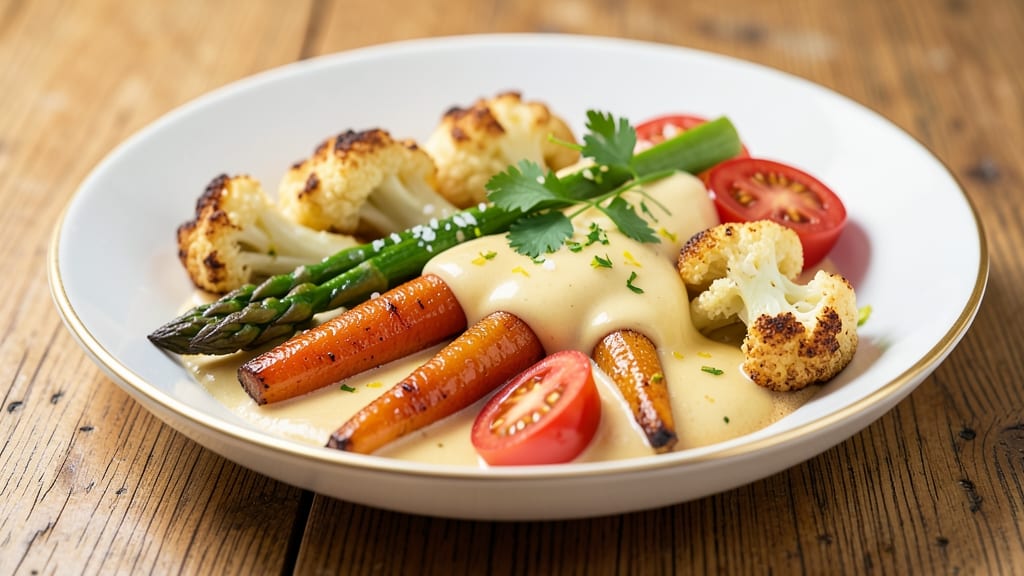
A rich velvety butter sauce transforms simple roasted vegetables into a restaurant-worthy side dish—no fancy techniques required. This smooth, flavorful coating elevates green beans, asparagus, or broccoli with just a few pantry staples and a simple emulsification trick.
The secret lies in balancing butter, broth, and a touch of flour or egg yolks to create a sauce that clings perfectly without overpowering the vegetables' natural taste.
The beauty of this butter sauce is its versatility and simplicity. You’ll need just butter, vegetable or chicken broth, a splash of lemon juice for brightness, and fresh herbs like parsley or thyme.
A small amount of flour or egg yolks acts as the emulsifier, ensuring the sauce stays creamy rather than separating. The process is straightforward: melt the butter, whisk in the broth and emulsifier, then simmer until thickened—just a few minutes of active time.
What you’ll end up with is a silky, golden sauce that coats every bite of your roasted vegetables, adding depth and richness without masking their natural flavors. The sauce’s velvety texture and balanced seasoning make it perfect for weeknight dinners or special occasions.
It pairs beautifully with almost any vegetable, turning a simple side dish into the star of the meal.
This recipe is also easy to customize—add a pinch of garlic powder for extra savory notes, a dash of smoked paprika for warmth, or a sprinkle of grated parmesan for umami.
The possibilities are endless, but the foundation remains foolproof. Let’s make this sauce and elevate your vegetables to new heights.
Ingredients for butter sauce recipe for vegetables
Nine simple ingredients create this luxurious butter sauce that turns vegetables into a showstopper.
| Ingredient | Amount | Notes |
|---|---|---|
| Unsalted Butter 🧈 | ¾ cup | Cold, cubed for even melting |
| Vegetable Broth 💧 | 1 ½ cups | Low-sodium preferred |
| Fresh Lemon Juice 🍋 | 1 tbsp | Freshly squeezed for brightness |
| All-Purpose Flour 🌾 | 1 tbsp | For emulsification |
| Large Egg Yolks 🥚 | 2 whole | Room temperature preferred |
| Fresh Parsley 🌿 | ¼ cup | Chopped, for freshness |
| Fresh Thyme Leaves 🌿 | 1 tbsp | Or 1 tsp dried thyme |
| Garlic Powder 🧄 | ½ tsp | For savory depth |
| Salt 🧂 | ¼ tsp | Kosher or sea salt |
| White Pepper 🌶️ | ⅛ tsp | Freshly ground for elegance |
The butter is the star here—use high-quality unsalted (like Plugrá or Land O'Lakes) for maximum flavor. Cold cubes melt more evenly than soft butter, creating that perfect velvety texture. If you're feeling fancy, European-style cultured butter adds even more depth. The broth should be low-sodium to avoid over-salting the sauce—homemade or high-quality store-bought like Pacific Foods or Imagine works best. Fresh herbs make all the difference: parsley for brightness, thyme for earthiness—both should be vibrant and fresh, not wilted.
No flour on hand? Cornstarch at half the amount works as an emulsifier, though the texture will be slightly different. Egg yolks can be tricky—room temperature yolks blend smoother and prevent curdling. Short on parsley? Chives or basil add a nice twist, though parsley's classic flavor is hard to beat. The garlic powder is optional but adds that restaurant-quality savory note—skip it if you're serving delicate vegetables like asparagus. For extra richness, a splash of heavy cream (2 tbsp) at the end creates a decadent variation perfect for special occasions.
This sauce is best made fresh but reheats beautifully—just warm gently over low heat with a splash of water or broth to restore creaminess. Store in an airtight container in the fridge for up to 3 days, though the flavor peaks within the first day. For longer storage, freeze in ice cube trays—thaw and reheat as needed. The sauce thickens as it cools, so thin with warm broth if needed before serving. A little goes a long way—plan for about 2 tbsp per serving of vegetables.
Why You'll Love This Recipe
- Here’s what sold me: the way the egg yolks thicken that sauce into something silky, not clumpy. The lemon cuts through the richness just enough to make it feel light, like a hug from a chef who actually knows what they’re doing. (Yes, even on a Tuesday night.)
- Five-Ingredient Magic: I swear by this sauce—just butter, broth, flour, yolks, and lemon. That’s it. No hidden spices, no fancy prep; the richness of the butter and brightness of the lemon do all the heavy lifting while you focus on roasting your veggies.
- Velvet Smooth Finish: Here’s what sold me: the way the egg yolks thicken that sauce into something silky, not clumpy. The lemon cuts through the richness just enough to make it feel light, like a hug from a chef who actually knows what they’re doing. (Yes, even on a Tuesday night.)
- Weeknight to Dinner Party: This sauce works for green beans, Brussels sprouts, or even roasted carrots—no judgment if you’re tossing it with whatever’s in your crisper. Double the batch, store it in the fridge, and suddenly you’ve got a backup for last-minute guests or a lazy Sunday brunch.
Step-by-step instructions for rich velvety butter sauce
This velvety sauce transforms simple vegetables into gourmet-worthy dishes with minimal effort.
Create the Roux for Thickening
In a medium saucepan, melt the 0.75 cup unsalted butter over medium heat until it foams and turns golden. Immediately whisk in the 1 tablespoon all-purpose flour and cook for 1-2 minutes until the mixture turns a pale golden color and smells nutty. This roux forms the foundation of your sauce, creating that signature velvety texture.
Watch the pan closely—if the roux darkens too quickly, reduce the heat slightly. You're aiming for a light, blond color that will blend seamlessly with the broth without adding any raw flour taste. Stir constantly to prevent burning, which would make your sauce bitter.
Gradually Incorporate the Broth
Slowly pour in the 1.5 cups vegetable broth while whisking vigorously to prevent lumps from forming. The mixture will bubble vigorously at first, so continue whisking until it smooths out completely. Once fully combined, bring the sauce to a gentle simmer over medium-low heat and let it cook uncovered for 5-7 minutes until it thickens slightly.
You'll know it's ready when the sauce coats the back of a spoon and leaves a visible trail when you run your finger through it. This gradual thickening process ensures your sauce won't separate later when you add the egg yolks. Taste and adjust seasoning with 0.25 teaspoon salt and 0.5 teaspoon garlic powder at this stage.
Temper the Egg Yolks
In a separate bowl, whisk together the 2 whole large egg yolks with 1 tablespoon fresh lemon juice and 0.125 teaspoon white pepper. Slowly ladle about ½ cup of the hot sauce into the egg mixture while whisking constantly to temper the eggs. This gradual warming prevents the eggs from scrambling when they're incorporated back into the sauce.
Once the egg mixture is warmed through (it should feel slightly thickened but still pourable), pour it back into the saucepan with the remaining sauce. Return to low heat and whisk continuously for 2-3 minutes until the sauce thickens to a luxurious, glossy consistency. The heat should be just enough to warm the eggs without cooking them—you're aiming for a silky, custard-like texture.
Finish with Herbs and Brightness
Remove the sauce from heat and stir in the 0.25 cup chopped fresh parsley and 1 tablespoon fresh thyme leaves. Let the herbs steep for 1-2 minutes to infuse their flavors. The parsley adds freshness while the thyme contributes an earthy depth that complements the richness of the butter.
For that final touch of brightness, stir in the remaining 1 tablespoon fresh lemon juice. This acidity cuts through the richness and balances the flavors perfectly. The sauce should now be smooth, velvety, and ready to coat your vegetables beautifully. If it's too thick, thin with a splash of warm vegetable broth as needed.
Keep Warm and Serve Immediately
Transfer the sauce to a bowl and place it over a pot of barely simmering water (bain-marie) to keep it warm while you prepare your vegetables. This gentle heat maintains the sauce's perfect consistency without letting it separate or curdle. The sauce should remain warm but not hot—just warm enough to coat vegetables beautifully.
Use this sauce immediately over roasted, sautéed, or steamed vegetables. The velvety texture clings perfectly to asparagus, green beans, Brussels sprouts, or even grilled vegetables. For best results, serve while the sauce is still warm and the vegetables are hot—this creates the most harmonious flavor experience.
Pro Tips For Making Butter Sauce Recipe For Vegetables
- Whisk Egg Yolks Cold: Take those yolks straight from the fridge—room temperature is overrated here. Cold yolks temper slower, so they won’t scramble when the hot butter hits. I used to rush this and end up with a sad, grainy sauce every time.
- Bloom Flour Fast: Toss that flour into the butter before adding broth—just 30 seconds of whisking until it smells like toasted bread. This builds flavor faster than waiting for the roux to form later. (Yes, even if you’re impatient like me.)
- Simmer, Don’t Boil: Keep the sauce at a gentle bubble—if it’s roaring, you’ve lost control. Too much heat turns the yolks into glue, and that’s a fix you won’t like. Think "barely there" simmer, not a rolling boil.
- Strain the Broth: Use a fine-mesh strainer for your broth—no one wants grainy bits in an otherwise silky sauce. I learned this after serving a sauce with a "sandpaper" texture. (Your future self will notice.)
Storing and reheating this dish
Fridge Storage Tips
Store your butter sauce in an airtight container—I use glass Pyrex with a tight-sealing lid—to maintain freshness for up to 3 days. The sauce will thicken slightly as it cools, so add 1-2 tablespoons warm broth when reheating to restore its velvety consistency.
Always let it cool completely before refrigerating to prevent condensation, which can dilute the sauce. 🧊
Freezer-Friendly Method
For longer storage, freeze the sauce in 1-tablespoon portions using ice cube trays. Once frozen, transfer the cubes to a ziplock freezer bag and flatten to save space. Thaw in the fridge overnight, then reheat gently over low heat with a splash of broth.
This method preserves the sauce’s texture perfectly for up to 3 months, making it ideal for meal prep. ❄️
Reheating Like a Pro
To reheat, place the sauce in a small saucepan over low heat and add 1-2 tablespoons warm broth to prevent curdling. Stir constantly until just warmed through—never boil—to avoid breaking the emulsion.
If the sauce separates slightly, whisk vigorously to re-emulsify. For extra richness, stir in a pat of cold butter at the end for a restaurant-quality finish. 🔥
Vegetable Pairing Prep
Roast or steam your vegetables first, then toss them with the reheated sauce while still hot. The sauce clings best to tender-crisp vegetables like asparagus or green beans. For extra flavor, add a pinch of freshly ground white pepper or a squeeze of lemon juice right before serving.
Prep your veggies in advance to streamline the process—just reheat and coat! 🥦
Nutrition facts
Frequently asked questions
Can I make this butter sauce without eggs?
Yes! For an egg-free version, replace the yolks with 2 tablespoons cornstarch mixed with 2 tablespoons cold water. Whisk this into the simmering broth mixture and cook for 3-5 minutes until thickened. The texture will be slightly different but still creamy. This works especially well for vegan diets when combined with plant-based butter.
Why did my sauce separate?
Sauce separation usually happens from one of three issues: overheating, adding cold ingredients too quickly, or insufficient emulsification. To fix it, whisk vigorously while reheating gently over low heat with 1 tablespoon warm broth. For prevention, always temper egg yolks gradually and avoid boiling the sauce. A splash of cold butter at the end can also help re-emulsify.
What vegetables pair best with this sauce?
This velvety butter sauce complements almost any cooked vegetable but shines with green beans, asparagus, Brussels sprouts, and roasted carrots. For heartier veggies like broccoli or cauliflower, add a pinch of smoked paprika to deepen the flavor. The sauce also works beautifully with grilled zucchini or sautéed mushrooms for a richer profile.
Can I make this sauce ahead of time?
Make it up to 1 day ahead and store in an airtight container in the fridge. The sauce will thicken further—just thin with warm broth before reheating. For longer storage, freeze in 1-tablespoon portions using ice cube trays. Thaw overnight in the fridge and reheat gently over low heat with a splash of broth to restore creaminess.
How do I adjust the flavor if my broth was too salty?
If your broth is high-sodium, reduce the added salt to ¼ teaspoon or omit it entirely. For extra depth without salt, stir in ½ teaspoon lemon zest or 1 teaspoon fresh herbs like tarragon. The egg yolks and butter will also help balance the flavor naturally. Always taste as you go—this sauce is highly customizable!