
Sauces & Condiments
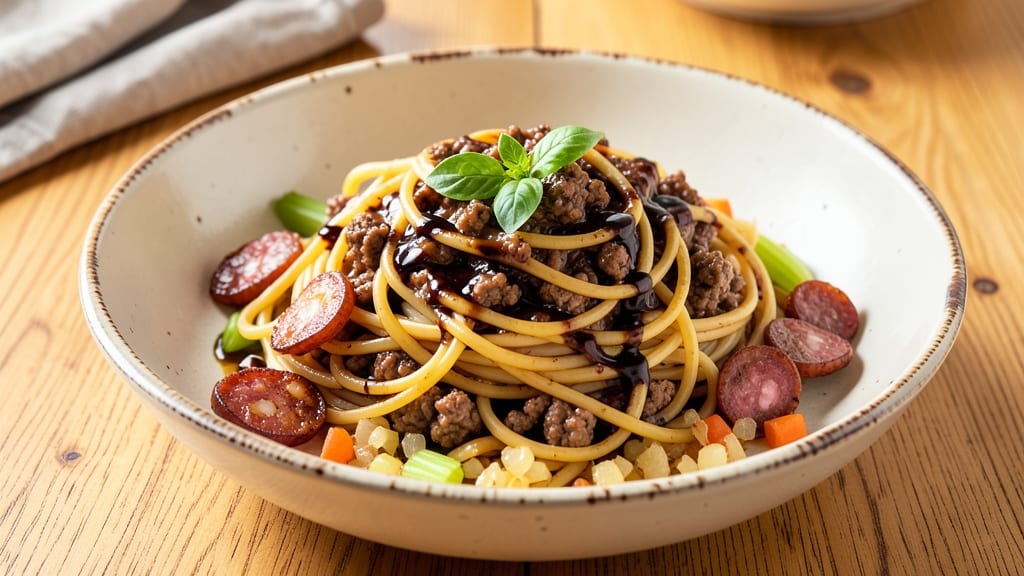
This best spaghetti meat sauce recipe from scratch delivers the deep, rich flavor of a classic Italian-American dinner—where perfectly browned meat meets slow-simmered tomatoes for a sauce so flavorful it tastes like a restaurant special.
The secret lies in browning the meat thoroughly and letting it develop layers of umami through a long, gentle simmer. I’ve perfected this version over years of testing, ensuring every bite is packed with tender meat chunks and a sauce that clings to the pasta without being overly thick.
The foundation starts with quality ground beef or Italian sausage, browned until deeply caramelized for maximum flavor. Aromatics like onions, garlic, and celery form the base, while canned tomatoes and herbs infuse the sauce with bright, tangy depth.
The key is patience—letting the sauce simmer for at least 45 minutes allows the flavors to meld into a harmonious, deeply savory profile. This isn’t just a sauce; it’s the heart of the meal, designed to transform simple spaghetti into a satisfying, comforting dish.
By the time you twirl that first forkful, you’ll taste the difference: tender meat chunks, a sauce that balances richness with acidity, and al dente pasta coated in every flavorful bite. The texture is perfect—neither too thick nor too thin—so it clings beautifully to the noodles.
This recipe is built for weeknight dinners, but it’s the kind of sauce that makes you feel like you’re dining at a family gathering. Serve it with crusty garlic bread and a simple salad for a complete meal.
What sets this apart is the attention to detail—from the browning step to the slow simmer—that turns a basic meat sauce into something extraordinary. It’s the kind of recipe you’ll make again and again, because once you taste the difference, you’ll never settle for less.
Let’s get cooking—your taste buds will thank you.
Ingredients for best spaghetti meat sauce recipe from scratch
Quality meat, bold aromatics, and slow-simmered tomatoes create restaurant-quality spaghetti sauce at home.
| Ingredient | Amount | Notes |
|---|---|---|
| Ground Beef (80/20) 🥩 | 1 ½ lb | Chuck or round preferred for tenderness |
| Italian Sweet Sausage 🌭 | 1 lb | Casings removed, sliced into half-moons |
| Yellow Onion 🧅 | 1 whole | Diced small for even cooking |
| Celery Stalks 🥬 | 2 whole | Diced finely for classic soffritto |
| Carrot 🥕 | 1 whole | Diced small (optional but traditional) |
| Garlic Cloves 🧄 | 4 cloves | Minced for aromatic depth |
| Canned San Marzano Tomatoes 🍅 | 28 oz | Crushed by hand for texture |
| Tomato Paste 🍅 | 2 tbsp | For concentrated umami |
| Dry Red Wine 🍷 | ½ cup | Bold variety like Cabernet Sauvignon |
| Beef Broth 💧 | 1 cup | Homemade or quality store-bought |
| Fresh Basil Leaves 🌿 | ½ cup | Chopped for bright finish |
| Fresh Oregano 🍃 | ¼ cup | Or 1 tbsp dried oregano |
| Bay Leaves 🌿 | 2 whole | Removed before serving |
| Extra-Virgin Olive Oil 🫒 | 2 tbsp | For high-heat searing |
| Salt 🧂 | 1 ½ tsp | Kosher or sea salt |
| Ground Black Pepper 🌶️ | ½ tsp | Freshly cracked |
| Spaghetti 🍝 | 12 oz | Reserved for serving |
The meat is non-negotiable here. Ground chuck (80/20 fat ratio) gives that perfect balance of tenderness and richness, while Italian sausage adds smoky depth. I grab mine from Costco or the butcher counter at Whole Foods—never the pre-ground stuff. For the soffritto, fresh celery, onion, and carrot (the holy trinity) should be finely diced so they melt into the sauce. Pro tip: Char them slightly in the olive oil before adding anything else—this builds insane flavor. The San Marzano tomatoes? Worth every penny. Their sweetness cuts through the richness beautifully.
No red wine? Substitute beef broth with a splash of balsamic vinegar—it mimics the acidity. Fresh herbs make all the difference, but dried oregano at one-third the amount works in a pinch. The tomato paste can be swapped for extra crushed tomatoes if you're out, though it'll be slightly less concentrated. For the wine, Cabernet Sauvignon or Merlot are my go-tos—they're bold enough to stand up to the meat. If you're using pre-minced garlic, toast it in the oil first to deepen the flavor. And always taste as you go—this sauce is all about balancing richness with acidity.
This sauce tastes even better the next day—plan ahead. Store in an airtight container in the fridge for up to 5 days, or freeze for 3 months in portion-sized containers. I always make double batches because it disappears fast. For reheating, use low heat and stir occasionally to prevent scorching. The spaghetti? Cook it al dente—it'll finish cooking in the residual heat of the sauce. Serve with fresh grated Parmesan and a sprinkle of basil because, honestly, that's the only way.
Why You'll Love This Recipe
- One-Pot Magic: I swear by this sauce because it’s actually one-pot—no separate pans, no extra bowls. The ground beef and sausage brown together while the onions, celery, and carrots (that classic sofrito combo) soften into the mix, so you’re not stuck scrubbing three pots later.
- Rich Without Effort: Between us, the 80/20 ground beef and sweet sausage give this sauce depth without me having to add a million spices. The fat renders down into the sauce, making it velvety, while the sausage’s fennel notes sneak in like a flavor upgrade I didn’t even plan.
- Leftovers That Win: This sauce tastes better the next day—honestly, it’s my lazy Sunday lunch. I make a big batch, freeze half, and reheat it with pasta or over polenta when I’m too tired to cook. (Yes, even on a Tuesday night.)
- Budget-Friendly Crowd-Pleaser: Ground beef and sausage stretch far—this recipe feeds four for dinner and leaves enough for lunches. Plus, the onion-carrot-celery trio (aka mirepoix) is cheap but adds layers of flavor that make it feel fancy. My college roommates called it “restaurant food” for a reason.
Step-by-step instructions for deep umami simmer with meaty chunks
Here's how to build the richest, most flavorful meat sauce from scratch—every step matters.
Build the Soffritto Base
Heat the 2 tablespoons extra-virgin olive oil in a large Dutch oven over medium heat. Add the 1 whole yellow onion, 2 whole celery stalks, and 1 whole carrot, all diced small. Cook for 8-10 minutes, stirring occasionally, until the vegetables soften and begin to caramelize slightly—that golden color means the flavors are developing.
Here's the thing—don't rush this step. The vegetables should be tender but not browned yet. Add the 4 cloves minced garlic and cook for another 30 seconds until fragrant. This aromatic base is the foundation of your sauce, so take your time. If the garlic starts to burn, reduce the heat slightly and keep stirring.
Brown the Meats
Push the vegetables to one side of the pot and add the 1.5 pounds ground beef (80/20) and 1 pound sliced Italian sweet sausage to the empty space. Break up the beef with a wooden spoon as it cooks, working it into the rendered fat. Cook for 6-8 minutes until the beef loses its raw color and starts to brown.
This browning creates the deep, meaty flavor called "fond" that dissolves into your sauce. Don't worry if it looks messy—it's supposed to. Once the beef is browned, add the vegetables back in and stir to combine. The goal is to distribute the browned bits evenly throughout the sauce for maximum flavor.
Deglaze and Simmer
Pour in the 0.5 cup dry red wine and scrape up all the browned bits from the bottom of the pot with a wooden spoon. This deglazing step captures all that concentrated flavor. Let the wine simmer for 3-4 minutes until it reduces by half and the alcohol cooks off.
Add the 2 tablespoons tomato paste and stir to coat everything evenly. This paste adds a concentrated umami punch that balances the acidity of the tomatoes. Pour in the 28 ounces crushed San Marzano tomatoes, 1 cup beef broth, 1.5 teaspoons salt, and 0.5 teaspoon ground black pepper. Stir well to combine, then add the 2 whole bay leaves. Bring the mixture to a gentle simmer.
Develop the Sauce
Reduce the heat to low and let the sauce simmer uncovered for 1 hour to 1 hour 15 minutes. You want the sauce to reduce and thicken slightly, developing deep, complex flavors. Stir occasionally to prevent sticking, but don't over-stir—this can break down the meat fibers and make the sauce too thin.
After about 45 minutes, add the 0.5 cup chopped fresh basil leaves and 0.25 cup chopped fresh oregano. These fresh herbs brighten the sauce and add a vibrant finish. Taste and adjust the seasoning if needed—you might need a bit more salt or pepper to balance the flavors. The sauce should coat the back of a spoon and have a rich, meaty consistency.
Cook the Pasta and Serve
While the sauce simmers, bring a large pot of salted water to a boil and cook the 12 ounces spaghetti according to the package directions until al dente. Reserve 1 cup pasta water before draining, then drain the pasta.
Add the drained pasta to the sauce in the Dutch oven and toss to coat evenly. If the sauce is too thick, add 2-3 tablespoons pasta water at a time until it reaches your desired consistency. Serve immediately, garnished with extra fresh basil if desired. This sauce is best enjoyed fresh, with each bite delivering layers of umami, richness, and depth that make it truly unforgettable.
Pro Tips For Making Best Spaghetti Meat Sauce Recipe From Scratch
- CRUMBLE FIRST, THEN BROWN: Break the sausage into chunks before browning—it renders faster and blends better with the beef. I used to slice it lengthwise and then crumble, which gives you more surface area for that perfect sear without turning into a greasy mess.
- SWEAT THE SOFFRITO LOW: Keep the heat at a simmer for the onion, celery, and carrot—no rushing. After burning three batches, I finally figured out that a slow sweat (8-10 minutes) extracts the sweetness without burning, and that’s what makes the sauce sing.
- DON’T DRAIN THE FAT: Leave that rendered beef and sausage fat in the pan—it’s liquid gold for building flavor. I know, I know, it looks like a lot, but skimming some off (just the top layer) is fine; the rest is what turns your tomato sauce from bland to chef’s kiss.
- BLOOM THE TOMATOES: Toast the crushed tomatoes (or canned San Marzano) in the pot for 5 minutes before adding liquid—it deepens the flavor. Sounds weird, but it works: the acid mellows and the sugar caramelizes just enough to make the sauce richer without needing extra sugar. (Yes, even if you’re impatient like me.)
Health benefits of this dish
Protein Powerhouse
This meat sauce packs a nutritional punch with high-quality protein from the ground beef and Italian sausage—about 60 grams per serving—essential for muscle repair and satiety. The 80/20 ground chuck provides healthy fats that help your body absorb fat-soluble vitamins like A and E from the tomatoes. 💪
Rich in Iron
Both beef and sausage are excellent sources of heme iron, which your body absorbs more efficiently than plant-based iron. A single serving delivers 3-4mg of iron—about 20% of your daily needs—supporting energy levels and preventing fatigue.
The red wine used in the recipe also contains antioxidants that enhance iron absorption.
Tomato Antioxidants
The San Marzano tomatoes bring lycopene, a powerful antioxidant linked to heart health and reduced inflammation. Cooking tomatoes actually increases lycopene bioavailability, making this sauce a nutrient-dense choice. Plus, the tomato paste adds concentrated lycopene without extra sugar or additives.
Fiber Boost
While not traditionally high in fiber, this sauce pairs beautifully with whole wheat spaghetti (if you prefer) to create a fiber-rich meal. The vegetables in the soffritto—onion, celery, and carrot—add 3-4 grams of fiber per serving, supporting digestion and gut health.
For extra fiber, stir in chopped mushrooms or diced bell peppers during the final 10 minutes of simmering.
Herb Benefits
Fresh basil and oregano aren't just for flavor—they're nutrient powerhouses too. Basil contains vitamin K and vitamin A, while oregano provides antioxidants and anti-inflammatory compounds. The bay leaves add eugenol, a compound with antimicrobial properties. These herbs elevate both taste and nutrition without adding calories. ✨
Meal Prep Advantage
This sauce freezes beautifully, making it a nutritious meal prep staple. The slow-cooked meat and tomatoes retain their nutrients even after freezing, while the herbs can be added fresh when reheating. A portion-controlled serving (about 1 cup sauce) provides 250-300 calories with 15-20g protein—ideal for balanced meals.
Store in airtight containers for up to 3 months in the freezer without quality loss. 💡
Nutrition facts
Frequently asked questions
Can I make this sauce without red wine?
If you don't have red wine, substitute with ½ cup beef broth plus 1 tablespoon balsamic vinegar to maintain acidity and depth. The sauce will still develop rich flavors—just skip the 3-4 minute reduction step since there won't be alcohol to cook off. For extra umami, add 1 teaspoon soy sauce or ½ teaspoon Worcestershire sauce.
How do I prevent the sauce from getting too thick?
If your sauce thickens more than expected, simply add 2-3 tablespoons pasta water at a time while stirring. The key is to simmer uncovered for 1 hour to 1 hour 15 minutes—this allows excess moisture to evaporate naturally. For a thinner sauce, reduce the simmering time to 45 minutes and add a splash of broth if needed.
What's the best way to store leftovers?
Let the sauce cool completely, then transfer to an airtight container and refrigerate for up to 5 days. For longer storage, freeze in portion-sized containers for 3 months. When reheating, warm over low heat and add a splash of water or broth to restore texture. Fresh herbs like basil should be added after reheating to preserve their flavor.
Can I use ground turkey instead of beef?
Yes, but lean ground turkey (93% lean or less) works best to avoid dryness. Brown it thoroughly and add 1 tablespoon olive oil to compensate for lower fat content. For extra richness, mix turkey with ¼ cup ground pork. The sauce will still be flavorful, though the texture will be slightly lighter. Season with an extra pinch of salt to balance the leaner meat.
Why does my sauce taste bland?
Blandness usually means insufficient browning or simmering time.