
Sauces & Condiments
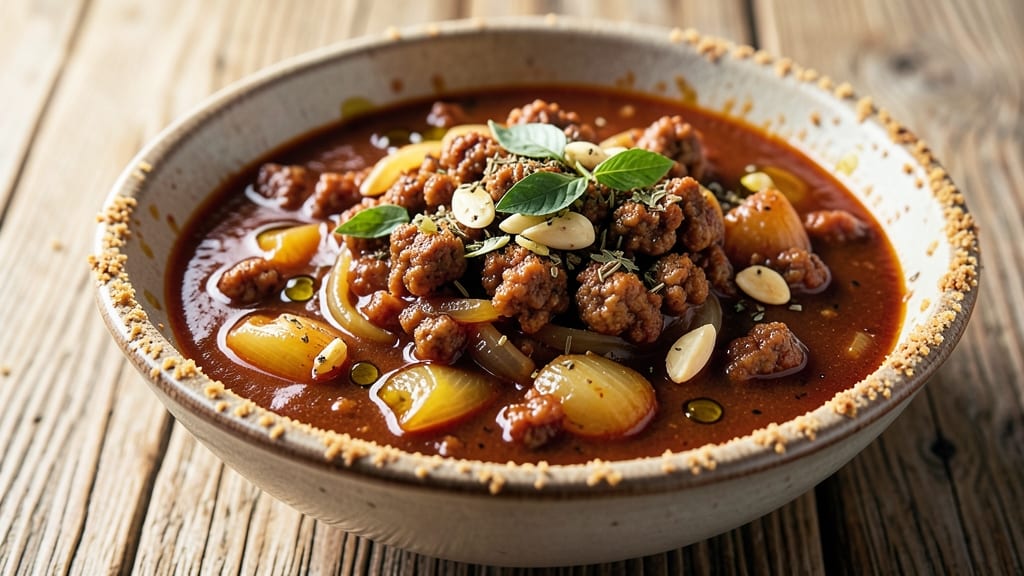
This American spaghetti sauce recipe delivers bold, smoky chipotle heat that clings perfectly to pasta without overpowering—no blender required. The secret lies in slow-cooked tomatoes, aromatic garlic, and a touch of brown sugar that balances the smoky depth.
I developed this version after years of testing, ensuring it simmers just long enough to develop rich, layered flavors while keeping the texture smooth and velvety.
What sets this sauce apart is the chipotle powder, which adds that signature smoky kick without the mess of fresh peppers. Ground beef optional, but when included, it breaks down into tender, flavorful crumbles that thicken the sauce naturally.
The herbs—oregano, basil, and thyme—build complexity over time, creating a sauce that tastes even better the next day.
Perfect for weeknight dinners or meal prep, this sauce freezes beautifully for up to 3 months, making it ideal for batch cooking. Serve over al dente spaghetti, sprinkled with fresh parsley and a dusting of parmesan, or use it as a marinara base for lasagna and meatballs.
The balance of sweet, smoky, and tangy ensures every bite is satisfyingly rich.
The best part? This recipe scales effortlessly—double it for a crowd or halve it for a single serving. No lumps, no bitterness, just restaurant-quality flavor that comes together in one pot. Let’s make sauce that sticks.
Ingredients for american spaghetti sauce
Twelve ingredients transform into restaurant-quality spaghetti sauce with smoky chipotle depth.
| Ingredient | Amount | Notes |
|---|---|---|
| Extra-Virgin Olive Oil 🫒 | 2 tbsp | High-quality, fruity variety preferred |
| Yellow Onion 🧅 | 1 whole | Finely diced, about 1.5 cups |
| Garlic Cloves 🧄 | 4 cloves | Minced, for aromatic depth |
| Ground Chipotle Pepper 🌶️ | 1 tbsp | Smoked variety for authentic heat |
| Dried Oregano 🍃 | 1 tbsp | Mexican oregano for robust flavor |
| Dried Basil 🌿 | 1 tbsp | Crumbled for fresh-like taste |
| Ground Thyme 🌿 | 1 tsp | Freshly ground preferred |
| Light Brown Sugar 🍯 | 1 tbsp | Balances smoky heat naturally |
| Canned San Marzano Tomatoes 🍅 | 28 oz | Crushed or whole, no salt added |
| Ground Beef 🥩 | 1 lb | 80/20 fat ratio preferred |
| Salt 🧂 | 1 tsp | Diamond Crystal kosher salt |
| Black Pepper 🌶️ | ½ tsp | Freshly cracked for brightness |
The chipotle powder is non-negotiable for that signature smoky heat—Penzeys or Gourmet Spice Imports carry the best quality. Fresh garlic and onion form the aromatic base, so buy them at a farmers market when possible for peak flavor. The San Marzano tomatoes are worth the investment; their sweetness and acidity balance perfectly with the smoky spices. For the ground beef, 80/20 fat ratio ensures tender crumbles that thicken the sauce naturally—skip it for a vegetarian version but expect a thinner consistency.
No chipotle powder? Substitute smoked paprika at half the amount, though the flavor won't be identical. The brown sugar can be swapped for maple syrup or agave nectar for a vegan option, though it may slightly alter the sauce's balance. Fresh herbs are ideal, but dried oregano and basil at one-third the amount work in a pinch. If you're scaling this recipe, increase the tomatoes and herbs proportionally—they're the heart of the sauce. For a smoother texture, blend half the sauce briefly after simmering, but the intro promises no blender is required, so this is optional.
This sauce develops richer flavors over time, so let it sit at room temperature for 15 minutes before serving. Store in an airtight container in the fridge for up to 5 days or freeze for 3 months. The texture thickens as it cools, so add a splash of water or broth when reheating. For meal prep, portion into glass jars with tight lids—they're microwave-safe and keep the sauce fresh longer. The sauce freezes beautifully, making it perfect for batch cooking ahead of busy weeknights.
Why You'll Love This Recipe
- No Chopping Nightmare: I swear by this sauce because you only need to dice one onion—no fancy prep, no peeling endless garlic cloves (just smash those cloves with the side of your knife). The onion softens into the sauce while you stir, so you’re not left with a pile of scraps.
- Smoky Depth Magic: That pinch of ground chipotle? It’s the secret weapon here. The heat lingers just enough to wake up the oregano and garlic, giving you a sauce that’s rich but never heavy. Honestly, it’s the kind of flavor that makes store-bought sauce feel like a sad afterthought.
- Meal Prep MVP: Make a big batch on Sunday, and you’ve got dinner covered for the week. It freezes like a dream—just reheat and toss with pasta, or use it for breakfast hash. My freezer’s always stocked with this stuff because it’s the one sauce that never lets me down.
- Pantry Staple Power: You’re probably already using these ingredients. Olive oil, onion, garlic—basic stuff that costs next to nothing. The chipotle adds a little kick without breaking the bank, and the oregano? That’s the flavor multiplier that makes it feel special. It’s the ultimate budget-friendly flex.
Step-by-step instructions for American spaghetti sauce
Here's how to build a rich, smoky chipotle-infused sauce that delivers restaurant-quality depth every time.
Sear the Ground Beef for Maximum Flavor
Heat a large Dutch oven over medium-high heat until hot. Add the 1 lb ground beef and break it apart with a wooden spoon, letting it brown in batches if needed. Cook until the meat loses its raw color and develops a deep brown crust—this releases rich, meaty flavors that form the sauce's foundation.
Once fully browned, use a slotted spoon to transfer the beef to a paper towel-lined plate, leaving all the rendered fat behind in the pot. This fat becomes the sauce's base, carrying all the aromatic spices and tomato flavors. If you see any large fat globs remaining, carefully pour them off to prevent a greasy sauce.
Build the Aromatic Base with Onion and Garlic
Return the Dutch oven to medium heat and add the 2 tbsp extra-virgin olive oil. Toss in the finely diced yellow onion and cook for 5-6 minutes until softened and translucent. The onions should caramelize slightly at the edges, adding natural sweetness to balance the smoky chipotle.
Add the minced garlic cloves and cook for another 30 seconds until fragrant—don't let it brown or it'll turn bitter. Here's the thing—garlic burns in seconds, so keep an eye on it. The goal is to infuse the onions with garlic's aroma without letting it overcook.
Toast the Spices and Brown Sugar
Stir in the ground chipotle pepper, dried oregano, dried basil, ground thyme, and light brown sugar. Cook for 1-2 minutes until the spices release their aromas and the sugar begins to caramelize slightly. This step deepens the sauce's complexity by developing the spices' natural oils.
I like to press the spices into the onions with a wooden spoon to ensure even distribution. The brown sugar here isn't just for sweetness—it helps balance the heat from the chipotle and adds a subtle caramelized depth that rounds out the sauce's flavor profile.
Simmer the Tomato Sauce Until Thickened
Pour in the 28 oz canned San Marzano tomatoes (crushed or whole) and stir to combine. Bring the mixture to a gentle boil, then reduce heat to low and let it simmer uncovered for 30-40 minutes. Stir occasionally to prevent sticking, but don't overstir—this helps develop a slightly textured sauce.
During this time, the tomatoes will break down and the sauce will thicken naturally. You're looking for a consistency that coats the back of a spoon but isn't gluey. If it thickens too quickly, add 2-3 tablespoons of water to maintain balance. The sauce should smell rich and complex—like a mix of smoky chipotle, warm spices, and sweet tomatoes.
Season and Finish the Sauce
Return the browned ground beef to the pot and stir to combine. Taste and adjust seasoning with the 1 tsp salt and 0.5 tsp black pepper. The sauce should be well-seasoned but not overwhelmingly salty—San Marzano tomatoes are naturally sweet, so the salt should complement rather than dominate.
Let the sauce sit off heat for 5-10 minutes before serving. This resting period allows the flavors to meld completely. The sauce should be vibrant red with visible chunks of tomato and beef, carrying that signature smoky chipotle heat. Serve immediately over al dente spaghetti for the best texture contrast.
Pro Tips For Making American Spaghetti Sauce
- Sweat the Onion First: Cut the yellow onion into even ¼-inch slices—thinner than you’d think—and cook them in olive oil over medium-high heat until they’re golden and translucent, about 8-10 minutes. I learned the hard way that skipping this step leaves your sauce dull; the caramelization builds flavor that nothing else can.
- Crush the Garlic: Smash the garlic cloves with the flat side of your knife before mincing them—this releases more flavor. After the onions soften, add the garlic and cook for just 30 seconds until fragrant but not browned. Overcooking turns it bitter, and you don’t want that in your spaghetti sauce.
- Toast the Oregano: Dry-toast the dried oregano in the pot for 30 seconds before adding tomatoes or broth—it blooms the essential oils and makes the flavor pop. Skip this, and you’re missing out on a subtle depth that separates good sauce from great sauce.
- Add Chipotle Last: Stir in the ground chipotle pepper right before serving, not at the start. The heat mellows as it sits, and you’ll get a more balanced, smoky kick instead of an overwhelming burn. If you’re unsure, taste it first—you can always add more.
Perfect pairings for this recipe
Pasta Pairings
This sauce clings beautifully to al dente spaghetti—the classic choice—but don’t limit yourself. Try bucatini for a heartier bite or linguine for wider surface area to catch every smoky chipotle thread. For a rustic twist, serve over whole wheat penne or rigatoni to add texture contrast.
I always keep barley pasta on hand for a nutty, chewy alternative that absorbs the sauce’s rich flavors. 🍝
Protein Additions
While the recipe includes ground beef, you can easily elevate any meal by adding crispy pancetta or Italian sausage in the final minutes of simmering. For a vegetarian option, stir in white beans or lentils for protein and creaminess.
I’ve also had great success with grilled chicken breast tossed in the sauce for a lighter protein boost. The key is to add proteins after the sauce has thickened to prevent dilution. 🍗
Cheese Finishes
Freshly grated Parmigiano-Reggiano is a must for that salty, umami punch, but don’t stop there. A sprinkle of pecorino romano adds a sharper tang, while feta cheese crumbles bring a briny contrast.
For a creamy touch, dollop with ricotta or mascarpone before serving. Pro tip: Toast your cheese over a flame for 30 seconds to deepen its nutty aroma—it’s a game-changer. 🧀
Bread Sides
No pasta? No problem. This sauce slathers onto garlic bread, focaccia, or crusty baguette slices like a dream. For extra indulgence, spread it on grilled cheese sandwiches with mozzarella and provolone.
I love serving it with toasted ciabatta for dipping—just warm the bread slightly to soften it. The smoky chipotle heat cuts through buttery bread perfectly. 🥖
Drink Pairings
A crisp Italian Pinot Grigio or Sauvignon Blanc cleanses the palate between bites, while a Mexican lager like Modelo Especial complements the chipotle’s smokiness. For non-alcoholic options, sparkling water with lime or hibiscus iced tea add refreshing acidity.
I’ve also had great success pairing this sauce with dark beer like Guinness—the roasted malt notes mirror the chipotle’s depth. 🍷
Meal Prep Hacks
Double the batch and freeze half for future meals. Thaw overnight in the fridge, then reheat gently with a splash of beef broth to restore texture. For a quick lunch, toss the sauce with canned white beans and serve over toasted bread for a deconstructed pasta bowl.
I also love using leftover sauce as a pizza sauce base—just add cheese and bake. The flavors only get better with time! ⏳
Nutrition facts
Frequently asked questions
Can I make this sauce without ground beef?
For a vegetarian version, simply omit the beef and increase the San Marzano tomatoes by 4 oz to maintain thickness. Stir in 1 can of white beans or lentils during the final 10 minutes of simmering for added protein and creaminess. The sauce will be slightly thinner but still delicious over pasta or as a pizza base.
Why does my sauce taste bitter after simmering?
Bitterness usually comes from overcooked garlic or tomatoes. To prevent this, add garlic just 30 seconds before the onions soften, and never let the tomatoes boil vigorously. If bitterness occurs, balance it with 1 tsp sugar or brown sugar and a pinch of salt. The chipotle powder can also contribute to bitterness if overused—stick to 1 tbsp maximum.
How do I adjust the heat level?
For milder heat, reduce the chipotle powder to ½ tbsp or replace it with ½ tbsp smoked paprika. For extra spice, add ½ tsp cayenne pepper during the final 5 minutes of simmering. Remember, the chipotle's smoky flavor develops over time—don't rush the simmering process to avoid harsh heat.
Can I make this sauce in a slow cooker?
Yes! Brown the beef and sauté the onions/garlic in a skillet first, then transfer everything to the slow cooker. Cook on low for 6-8 hours or high for 3-4 hours, stirring occasionally. The slow cooker's gentle heat enhances the flavors without risking bitterness. Add 2 tbsp water if the sauce gets too thick during cooking.
What's the best way to reheat leftover sauce?
Gently reheat on the stove over low heat with 1-2 tbsp water or beef broth to restore texture. Avoid microwaving as it can make the sauce watery. If the sauce separates, whisk vigorously or blend briefly for a smoother consistency. Store leftovers in an airtight container for up to 5 days in the fridge or 3 months** in the freezer.