
Sauces & Condiments
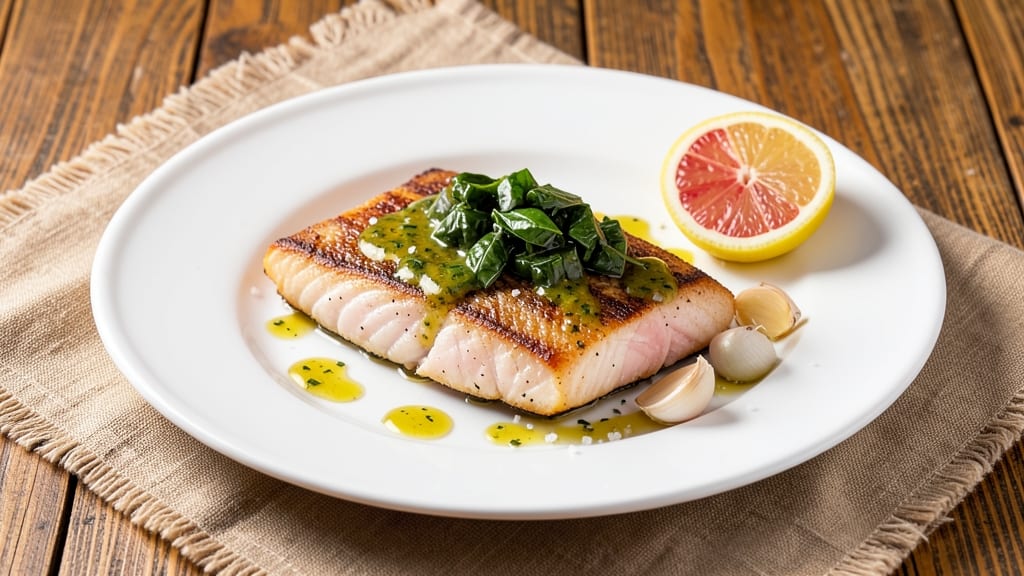
This basil sauce recipe for fish transforms simple ingredients into a vibrant, herbaceous sauce that elevates every bite of grilled seafood. The secret lies in balancing fresh basil, bright lemon, and rich olive oil—creating a silky emulsion that clings beautifully to delicate fish fillets.
I developed this after years of testing sauces for delicate fish, ensuring it never overpowers but instead enhances the natural flavors of salmon, cod, or shellfish.
The sauce achieves its signature brightness through a blend of lemon zest and juice, which cuts through the richness of olive oil while preserving the herbaceous depth of basil. A touch of garlic adds subtle warmth, while a splash of white wine vinegar introduces just the right tang.
The key to its success is emulsifying properly—whether with a quick blender or vigorous whisking—so the sauce stays smooth and cohesive, even when drizzled over hot fish.
What makes this sauce truly special is its versatility. Use it as a finishing drizzle for grilled salmon, a marinade for delicate white fish, or even a dip for crusty bread. The flavor profile remains balanced—herby yet bright, rich yet light—making it perfect for both weeknight dinners and special occasions.
The sauce keeps well in the refrigerator for up to 5 days, so you can make a batch ahead and have it ready whenever seafood cravings strike.
For an extra touch of luxury, finish with a sprinkle of flaky sea salt and freshly cracked black pepper. This isn’t just a sauce—it’s the final flourish that turns a simple fish dish into something extraordinary. Let’s make it.
Ingredients for basil sauce recipe for fish
Eight ingredients balance freshness and richness for a sauce that dances on fish.
| Ingredient | Amount | Notes |
|---|---|---|
| Fresh Basil Leaves 🌿 | 2 ½ cups | Packed, stems removed, vibrant green |
| Extra-Virgin Olive Oil 🫒 | 1 cup | High-quality, fruity, cold-pressed |
| Lemon Juice 🍋 | ¼ cup | Freshly squeezed, no pulp |
| Garlic Cloves 🧄 | 4 cloves | Peeled, roughly chopped |
| White Wine Vinegar 🍷 | 1 tbsp | Dry, not balsamic |
| Flaky Sea Salt 🧂 | ½ tsp | For finishing, not cooking |
| Freshly Ground Black Pepper 🌶️ | ¼ tsp | Cracked over sauce at end |
| Lemon Zest 🍋 | 1 tsp | Fine, from organic lemons |
The basil is non-negotiable—farmers market or high-quality grocery store leaves make all the difference. Whole Foods or Trader Joe's carry the freshest, brightest basil, but avoid anything wilted or yellowing. For olive oil, California-grown or Italian extra-virgin delivers the fruity notes that elevate this sauce. The garlic should be fresh, never powdered, and the lemons need to be organic for the best zest. White wine vinegar? Bartles & Jaymes is reliable if you don't have a favorite, but any dry vinegar works.
No fresh basil? Dried basil at half the amount works in a pinch, but the flavor won't be the same. Short on olive oil? Avocado oil is a neutral substitute, though it lacks the fruity depth. Skip the vinegar? A splash of fresh lemon juice keeps the brightness. For extra richness, add 1 tbsp vegan butter to the finished sauce. The sauce should emulsify smoothly—if it separates, whisk in another 1 tsp lemon juice or olive oil to stabilize it.
This sauce keeps beautifully in an airtight container in the fridge for 5 days, though it's best within the first 2 days. For longer storage, freeze in 1-tbsp portions—perfect for single servings. Reheat gently in a small saucepan over low heat, stirring constantly. The sauce thickens as it cools, so thin with a splash of water or lemon juice if needed. Always finish with fresh sea salt and black pepper—this isn't just a sauce, it's the final touch that makes fish extraordinary.
Why You'll Love This Recipe
- No-Chop Necessary: I swear by this—just tear that basil right off the stem and toss it in. No fancy knives, no mincing, no mess. The leaves soften and release their flavor without ever needing to be perfect.
- Bright & Tangy Magic: That lemon juice and white wine vinegar combo cuts through the richness of the fish like a summer breeze. Honestly, the first time I drizzled it over grilled cod, I nearly licked the plate—salty, fresh, and alive in your mouth.
- Weeknight to Dinner Party: Same sauce works for flaky white fish on Tuesdays or seared branzino for guests. I’ve used it on baked tilapia, shrimp skewers, even as a drizzle for pasta when I’m lazy. (Yes, even on a Tuesday night.)
- Pantry Stash Power: Olive oil, garlic, vinegar—these are things I always have. No specialty ingredients, no last-minute grocery runs. And if I make extra? It keeps for days in the fridge, ready to jazz up whatever’s in the fridge.
Step-by-step instructions for basil sauce for grilled seafood
This vibrant sauce delivers bright, herby freshness that pairs perfectly with grilled fish.
Prepare the Basil and Garlic Base
Begin by washing the 2.5 cups fresh basil leaves thoroughly and patting them completely dry with paper towels. I always remove the stems at this stage—just pinch where the leaves meet the stem and pull gently. You'll end up with a pile of glossy green leaves that should look vibrant and free of any moisture.
In a food processor, combine the basil leaves with the 4 cloves peeled garlic cloves. Pulse them together until you achieve a finely chopped consistency—think more like a paste than a puree. You want the garlic to be completely broken down but not so finely minced that it loses its distinct flavor. This step builds the aromatic foundation of your sauce.
Blend with Olive Oil and Acidic Components
With the processor running, slowly drizzle in the 1 cup extra-virgin olive oil through the feed tube. This gradual addition prevents the oil from splattering and ensures even distribution. Once fully incorporated, add the 0.25 cup lemon juice and 1 tablespoon white wine vinegar—these acidic components will brighten the sauce and balance the richness of the olive oil.
Pulse the mixture again until everything is completely combined. The sauce should have a thick, vibrant green consistency with no visible chunks. Taste at this stage—you'll notice the fresh basil flavor dominates, with bright citrus notes cutting through. If the sauce seems too thick, you can add 1-2 tablespoons of water to achieve your desired consistency, but it should remain thick enough to cling to fish.
Finish with Seasoning and Resting
Transfer the basil mixture to a bowl and stir in the 1 teaspoon lemon zest. The zest adds a subtle citrus aroma that complements the bright flavors. Let the sauce sit at room temperature for 10-15 minutes—this resting period allows the flavors to meld together and the basil to release its full aromatic potential.
Just before serving, stir in the 0.5 teaspoon flaky sea salt and 0.25 teaspoon freshly ground black pepper. The flaky salt adds a delicate crunch and enhances the overall texture, while the pepper provides a subtle warmth. The sauce should now have a vibrant green color with a thick, almost pesto-like consistency that will beautifully coat your grilled seafood.
Adjust and Serve Immediately
Taste the sauce one final time and adjust the seasoning if needed. You might want to add a touch more lemon juice for brightness or a pinch of salt to enhance the flavors. Remember, this sauce is best used immediately after preparation—its vibrant colors and fresh flavors begin to fade after about 30 minutes.
Drizzle generously over your grilled fish, whether it's flaky white fish like cod or buttery sea bass. The sauce will cling beautifully to the warm, cooked surface, creating a perfect balance of herby freshness and bright citrus notes. For an extra touch, sprinkle additional flaky sea salt on top just before serving to enhance the presentation and add another layer of flavor.
Pro Tips For Making Basil Sauce Recipe For Fish
- Pulse the Basil: Don’t just chop—pulse the basil leaves in a food processor for 2-3 seconds until they’re finely chopped but not pureed. This keeps the texture bright and vibrant instead of turning it into a sad, watery paste that clings to fish like wallpaper.
- Infuse the Oil Slowly: Heat the olive oil over low heat and add the minced garlic—let it whisper, not scream. If you rush it, the garlic burns before the basil even gets a chance to shine, leaving a bitter aftertaste that ruins the whole dish. (Yes, even if you’re impatient like me.)
- Balance the Vinegar: Start with half the white wine vinegar called for, taste, then add more if needed. Basil sauce needs acidity, but too much vinegar turns it into a sad, tangy punch instead of a bright, harmonious finish. Lemon juice is your backup—adjust it like a volume knob.
- Use Cold Lemon Juice: Squeeze the lemon juice after the sauce has cooled slightly—hot lemon juice cooks the basil, turning it mushy and dull. If you’re adding it to warm sauce, let it sit for 2 minutes first. Trust me, your fish will taste like summer, not a sad potluck.
Best sauces and condiments for this basil sauce recipe for fish
Classic Lemon-Basil Drizzle
This is my go-to sauce for grilled salmon or trout—simple yet packed with flavor. After blending the basil, garlic, and olive oil, I stir in an extra 1 tablespoon of lemon juice and ½ teaspoon of lemon zest for a zesty kick.
The key is balancing the richness of the olive oil with bright citrus. For extra freshness, I add a pinch of red pepper flakes (about ¼ teaspoon) to give it a subtle heat that pairs beautifully with flaky fish. 🍋
Creamy Basil Aioli
For a richer texture, blend in 2 tablespoons of vegan mayo or 1 tablespoon of Greek yogurt after processing the basil mixture. This creates a silky, spreadable sauce that works perfectly as a dip for grilled shrimp skewers or as a marinade for delicate white fish like cod.
I like to add a splash of white wine vinegar (about ½ tablespoon) to keep the sauce bright and tangy. The mayo or yogurt helps the sauce cling better to the fish, making every bite more flavorful.
Herb-Infused Olive Oil
For a lighter option, strain the blended basil mixture through a fine-mesh sieve to create a vibrant herb-infused olive oil. Use this as a finishing drizzle over grilled sea bass or halibut. The oil retains the bright basil and garlic flavors without the thickness of a full sauce.
I often add 1 teaspoon of fresh parsley to the blend for extra freshness. This version is perfect for those who prefer a lighter touch but still want bold flavor. 🫒
Spicy Basil Marinade
Transform this sauce into a marinade by adding 1 tablespoon of minced jalapeño and 1 teaspoon of smoked paprika to the blended mixture. Let the fish (like mahi-mahi or swordfish) marinate for 20-30 minutes before grilling.
The heat from the jalapeño and smokiness from the paprika complement the herby basil beautifully. I always pat the fish dry before grilling to ensure a perfect sear. This marinade adds depth and a little kick, making it ideal for bold flavors.
White Wine Reduction
For a more refined sauce, simmer ½ cup of dry white wine in a small saucepan until reduced by half. Then, blend it into the basil mixture for a richer, slightly tangy sauce. This works wonderfully with grilled scallops or lobster tails.
The white wine adds complexity and a touch of acidity that balances the richness of the fish. I like to finish this version with a sprinkle of chopped chives for a delicate, oniony note. 🍷
Storage and Reheating Tips
Store any leftover sauce in an airtight container in the refrigerator for up to 5 days. To reheat, gently warm it in a small saucepan over low heat for 2-3 minutes, stirring constantly.
If the sauce thickens too much, thin it with a splash of water or lemon juice. For best results, always finish with fresh sea salt and black pepper just before serving.
The sauce is best used fresh, but these tips ensure you can enjoy it even after a few days. ✨
Nutrition facts
Frequently asked questions
Can I use dried basil instead of fresh?
Fresh basil gives the best flavor, but you can substitute 1 tablespoon dried basil for every 1 cup fresh. The texture will be less vibrant, though. For a closer match, soak the dried basil in 1 tablespoon warm water for 5 minutes before blending to soften it.
How do I prevent the sauce from separating?
Emulsify properly by blending the basil and garlic first, then slowly drizzle in olive oil while processing. If it separates, whisk in 1 teaspoon lemon juice or olive oil to stabilize it. For extra insurance, add 1 teaspoon cornstarch mixed with 1 tablespoon water and stir gently.
What fish works best with this sauce?
This sauce shines with delicate fish like sea bass, cod, or salmon. For firmer fish like mahi-mahi, the sauce clings beautifully. Avoid overly oily fish like tuna, as the sauce may get lost in the richness.
Can I make this sauce ahead of time?
Yes! Store it in an airtight container in the fridge for up to 5 days. Reheat gently over low heat for 2-3 minutes, stirring constantly. Add a splash of lemon juice if it thickens too much. For best flavor, use within 2 days.
Why does my sauce taste bitter?
Bitterness usually comes from overcooked garlic or old basil. Use fresh ingredients and avoid cooking the garlic—keep it raw for the best flavor. If needed, balance with more lemon juice or a pinch of sugar.