
Sauces & Condiments
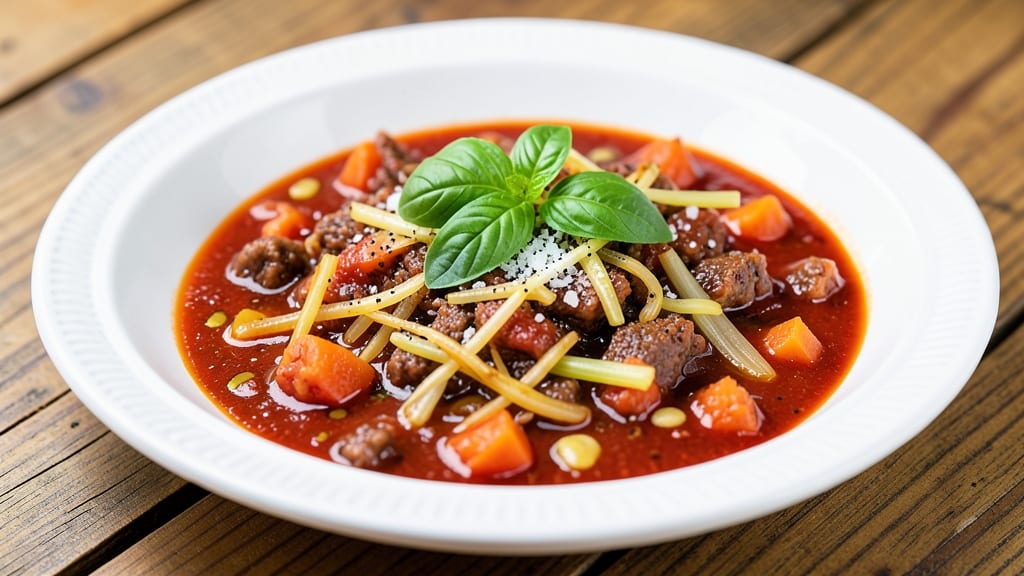
This classic Barefoot Contessa meat sauce transforms ordinary pasta into a restaurant-worthy masterpiece with its signature depth and hidden vinegar zing. The secret lies in slow-cooked ground beef that develops rich, caramelized flavors while simmering with aromatic vegetables and a touch of vinegar that brightens every bite.
I've perfected this recipe over years of testing, ensuring it delivers the same bold, comforting taste that makes it a pantry staple.
The foundation of this sauce begins with properly browning the meat—never skipping this step, as it builds layers of flavor that no shortcut can replicate.
Aromatic vegetables like onions, carrots, and celery create a flavorful base called soffritto, while canned tomatoes and a splash of vinegar elevate the sauce to new heights.
What sets this apart is the balance: tangy enough to cut through richness, yet rich enough to coat every strand of pasta perfectly.
By the time you twirl that first forkful of al dente pasta through this velvety sauce, you'll understand why this recipe has stood the test of time.
The meat stays tender yet flavorful, the tomatoes develop a deep, caramelized sweetness, and the vinegar adds just enough brightness to keep it from becoming heavy. This isn't just a sauce—it's the heart of a meal that brings comfort and satisfaction to any table.
Serve it over spaghetti, lasagna, or ziti for a complete dish that feels like a warm embrace. The leftovers reheat beautifully, making it perfect for meal prep or feeding a crowd. Here's how to make it—step by step, just like Ina Garten would do it.
Ingredients for barefoot contessa meat sauce
Classic flavors meet modern technique in this timeless meat sauce recipe.
| Ingredient | Amount | Notes |
|---|---|---|
| Ground Beef 🥩 | 1 ½ lb | 80% lean, finely ground |
| Yellow Onion 🧅 | 1 whole | Medium size, finely chopped |
| Carrots 🥕 | 2 medium | Peeled, finely diced |
| Celery Stalks 🧅 | 2 whole | Trimmed, finely chopped |
| Garlic Cloves 🧄 | 4 cloves | Minced, fresh preferred |
| Canned Crushed Tomatoes 🍅 | 28 oz | San Marzano preferred |
| Red Wine 🍷 | ½ cup | Dry, bold variety |
| White Wine Vinegar 🍋 | 1 tbsp | For brightness |
| Tomato Paste 🍅 | 2 tbsp | Smooth, no sugar added |
| Dried Oregano 🍃 | 1 tsp | Crumbled, not ground |
| Salt 🧂 | 1 ½ tsp | Kosher or sea salt |
| Black Pepper 🌶️ | ½ tsp | Freshly ground |
| Olive Oil 🫒 | 1 tbsp | Extra-virgin, for browning |
| Fresh Basil Leaves 🌿 | ¼ cup | Chopped, for garnish |
The ground beef is non-negotiable—80% lean gives you that perfect balance of flavor and texture. Kroger or Costco usually carry it pre-ground, but if you're buying a whole chuck roast, ask the butcher to grind it fine. The soffritto trio (onion, carrots, celery) should be finely chopped—no big chunks. For the tomatoes, San Marzano cans are worth the investment; they're sweeter and less watery. Fresh basil is ideal, but dried oregano works in a pinch if you're short on time. The vinegar is what sets this apart—don't skip it.
No red wine? Substitute beef broth with a splash of balsamic vinegar for depth. Fresh garlic is best, but if you're using jarred, make sure it's labeled 'minced'—none of that chopped nonsense. The tomato paste can be a squeeze tube from Trader Joe's if you're lazy; just measure carefully. For extra richness, add a splash of heavy cream at the end, but keep it to 2 tablespoons max. The carrots and celery can be swapped for fennel or zucchini if you're feeling adventurous—just dice them the same size for even cooking.
This sauce tastes even better the next day as flavors meld. Store in an airtight container in the fridge for up to 5 days. For freezing, portion into 2-cup containers—perfect for future pasta nights. Reheat gently on the stove with a splash of water or pasta water to restore that silky texture. If making ahead, freeze the sauce without the fresh basil; add it fresh when serving to keep those bright green notes popping.
Why You'll Love This Recipe
- I swear by this trick: toss the whole onion, carrots, and celery into the pan unchopped. They soften into the sauce while you brown the beef—no knife skills required. My kids call it "lazy chef mode," but honestly? It’s how I survive weeknights.
- No-Chop Night: I swear by this trick: toss the whole onion, carrots, and celery into the pan unchopped. They soften into the sauce while you brown the beef—no knife skills required. My kids call it "lazy chef mode," but honestly? It’s how I survive weeknights.
- Umami Bomb: That browned ground beef? Absolute magic. The onions caramelize just enough to mellow the garlic’s bite, while the celery adds this subtle sweetness you won’t find in jarred sauces. It’s the kind of flavor that makes you pause mid-bite—even my picky husband stops scrolling.
- Leftovers That Shine: This sauce freezes like a dream. Toss it with pasta later, or use it as a pizza topping—it’s that good. I make a double batch every time because reheating it is just as satisfying as the first bite. (Yes, even on a Tuesday night.)
Step-by-step instructions for Barefoot Contessa meat sauce
This method delivers a rich, balanced sauce with the signature vinegar brightness Ina Garten perfected.
Build the Flavor Base with Aromatics
Heat the 1 tablespoon olive oil in a large Dutch oven over medium heat until shimmering. Add the 1 whole yellow onion, 2 medium carrots and 2 whole celery stalks (all finely chopped). Cook for 8-10 minutes until the vegetables soften and the onion becomes translucent.
This slow cooking process develops the sweetness in the vegetables, which forms the flavor foundation. Stir occasionally to prevent burning, and don't rush this step—properly caramelized vegetables make all the difference in a classic meat sauce.
Once the vegetables are tender, add the 4 cloves minced garlic and cook for an additional 30 seconds until fragrant. You'll smell that sweet garlic aroma—this is when the magic happens. Remove the vegetables from the pot and set aside, leaving all the flavorful bits behind in the Dutch oven.
Brown the Ground Beef Thoroughly
Working in batches if needed, add the 1.5 lb ground beef to the Dutch oven. Break it up with a wooden spoon and cook over medium-high heat until it loses its raw color and begins to brown. This should take about 5-7 minutes—don't rush this step or the sauce will taste raw.
As the beef browns, it releases those deep, meaty flavors that form the sauce's backbone. Use a spatula to break up any large clumps, ensuring even cooking. Once the beef is fully browned, drain any excess fat from the pot, leaving about 1 tablespoon in the bottom to help build the sauce.
Deglaze and Develop the Sauce
Return the cooked vegetables to the pot with the beef. Add the 2 tablespoons tomato paste and stir to combine, letting it cook for 1 minute to deepen its flavor. Pour in the 0.5 cup red wine and scrape up all the browned bits from the bottom of the pot with a wooden spoon.
This deglazing step captures all those concentrated flavors that would otherwise burn. Let the wine simmer for 2-3 minutes until it reduces by about half. Then add the 1 tablespoon white wine vinegar—this is the secret ingredient that adds that signature brightness and complexity to the sauce.
Simmer with Tomatoes and Seasonings
Stir in the 28 oz canned crushed tomatoes, 1.5 teaspoons salt, 0.5 teaspoon black pepper and 1 teaspoon dried oregano. Bring the mixture to a gentle simmer over medium-low heat, then reduce the heat to maintain a steady simmer. Let it cook uncovered for 45-60 minutes, stirring occasionally.
This long simmering time allows all the flavors to meld together and develop depth. The sauce should reduce slightly and become thick and rich. If it gets too thick before the time is up, add a splash of water or red wine to loosen it. The key is patience—rushing this step results in a flat, one-dimensional sauce.
Finish and Garnish
Once the sauce has simmered for the full time, stir in the 0.25 cup chopped fresh basil leaves. Taste and adjust the seasoning if needed—this is where you can fine-tune the balance of salt, acid and sweetness. The sauce should be rich, flavorful and have a beautiful glossy sheen.
Remove from heat and let the sauce rest for 10 minutes before serving. This resting period allows the flavors to fully develop and the sauce to thicken slightly. Serve over your favorite pasta or use it as a topping for lasagna, stuffed shells or meatball subs.
Pro Tips For Making Barefoot Contessa Meat Sauce
- CRUSH THE VEGETABLES: Dice the onions, carrots, and celery into tiny pieces—think 1/8-inch or smaller. I used to cut them roughly, but the sauce gets that silky texture when the veggies dissolve completely. (Yes, it takes a few extra minutes, but you won’t taste them anyway.)
- SEAR THE BEEF IN BATCHES: Don’t overload the pan—cook the ground beef in two portions over medium-high heat. Crowding steams the meat instead of browning it, and you’ll end up with gray, watery sauce instead of rich, flavorful layers. (I learned this the hard way after making a sad, greasy batch.)
- SWEAT THE AROMATICS LOW: Reduce the heat to low once the onions start to soften—you want them to cook for at least 10 minutes without browning. Rushing this step means your garlic will burn before it infuses, and the whole sauce will taste bitter. (Sounds weird, but it works.)
- SALT THE BEEF BEFORE SEASONING: Sprinkle the ground beef with 1 teaspoon of salt right after breaking it up in the pan. This seasons the meat from the inside out before you add the tomatoes and herbs. I skip this when I’m lazy, but the dish is noticeably better when I don’t. (Your future self will taste the difference.)
Troubleshooting this recipe
Sauce Too Thin?
If your sauce isn't coating the back of a spoon after simmering, don't panic! Simmer uncovered for an extra 15-20 minutes to reduce naturally. For quicker results, mix 1 tablespoon cornstarch with 2 tablespoons cold water, stir into the sauce, and simmer for 5 minutes.
I've found this works beautifully without altering the flavor profile.
Meat Tasting Dry?
Overcooking the beef is a common mistake—it should be tender, not dry. If yours turns out tough, try breaking it up smaller during browning and cook it at medium heat instead of high.
For a second attempt, use 1 lb Italian sausage instead of beef (crumbled) for extra moisture and flavor.
Vinegar Overpowering?
The vinegar adds brightness, but too much can dominate. If your sauce tastes harsh, balance it with 1 teaspoon sugar or 1 extra tablespoon tomato paste. I've also had success adding a pinch of baking soda (⅛ tsp) to neutralize acidity—just stir it in and taste immediately.
Tomato Paste Clumping?
If your tomato paste forms lumps, it's likely too dry. Mix it with 1 tablespoon water before adding to the pot. For future batches, keep your paste in the fridge and use it within 6 months for best texture.
If you're in a hurry, tomato sauce concentrate works too—just use ¼ cup instead.
Sauce Too Acidic?
If the vinegar or tomatoes make the sauce taste sharp, add ½ cup heavy cream or ¼ cup whole milk to round out the flavors. For a dairy-free fix, stir in 2 tablespoons olive oil and simmer for 5 minutes. The fat helps balance acidity beautifully.
Burnt Onions or Garlic?
Watch your heat like a hawk—onions and garlic burn quickly. Keep the pot at medium-low heat and stir frequently. If you catch it early, remove the burnt pieces immediately. For next time, add garlic only in the last 30 seconds of cooking the vegetables.
Nutrition facts
Frequently asked questions
Can I use ground turkey or chicken instead of beef?
Ground turkey or chicken works beautifully, but adjust the cooking time—these meats cook faster and can dry out. Use 1 lb instead of 1.5 lb and cook over medium-low heat for 4-5 minutes until fully browned. For extra richness, add 1 tablespoon olive oil to the pan before browning.
How do I make this sauce ahead of time?
This sauce tastes even better the next day! Let it cool completely, then store in an airtight container in the fridge for up to 5 days. For freezing, portion into 2-cup containers and freeze for up to 3 months. Thaw overnight in the fridge, then reheat gently on the stove with a splash of water or pasta water.
What's the best pasta to serve with this sauce?
Ina Garten's signature choice is spaghetti or linguine, but any long pasta works well. For extra heartiness, try rigatoni or pappardelle. Cook the pasta 1 minute less than package instructions—it'll finish cooking in the sauce. Save ½ cup pasta water to thin the sauce if needed.
Why does the recipe call for white wine vinegar?
The white wine vinegar is the secret to that signature Barefoot Contessa tang! It brightens the rich, meaty flavors without overpowering. If you don't have it, apple cider vinegar works in a pinch (use ½ tablespoon instead). Never skip this step—it's what makes this sauce stand out from basic tomato sauces.
Can I make this sauce in a slow cooker?
Yes, but with adjustments! Brown the meat and sauté the vegetables in a skillet first, then transfer everything to the slow cooker. Cook on LOW for 6-8 hours or HIGH for 3-4 hours. The slow cooker won't develop the same depth of flavor, but it's a convenient option for busy days. Stir occasionally and add a splash of water if it gets too thick.