
Sauces & Condiments
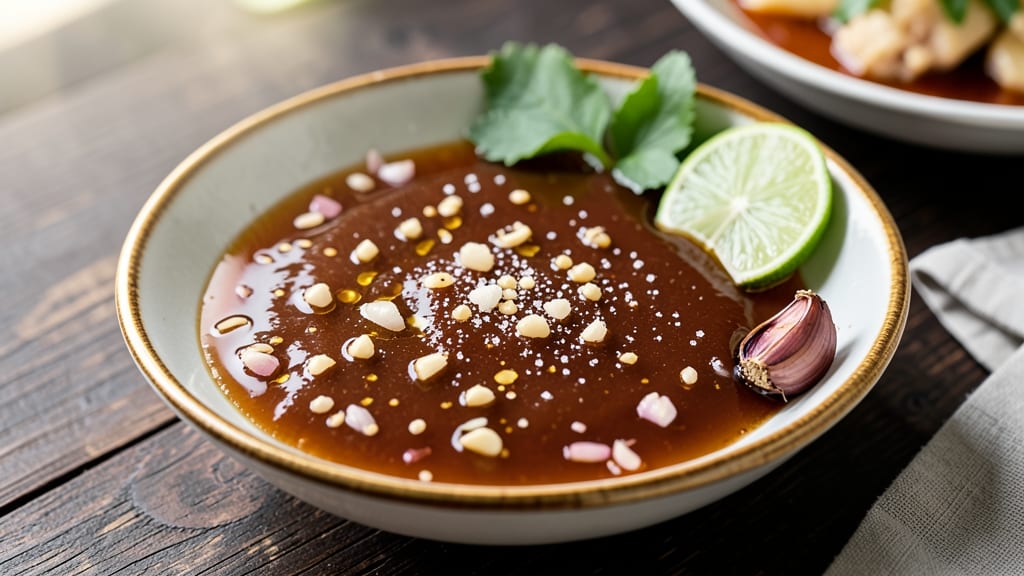
This banh cuon sauce recipe transforms simple ingredients into a vibrant, tangy-sweet dip that elevates every bite of delicate Vietnamese rice rolls. The secret lies in balancing fish sauce’s umami depth with bright lime and aromatic shallots, creating a sauce that’s addictively complex yet effortless to make.
I’ve perfected this version after years of testing—no overpowering fishiness, just a harmonious fusion of nutty, citrusy, and savory notes that clings perfectly to each tender roll.
The foundation of great banh cuon sauce starts with proper fish sauce reduction—simmering it just until the alcohol cooks off without losing its rich, salty essence. Fresh lime juice and a touch of sugar brighten the depth, while minced shallots add layers of sharp, onion-like complexity.
This isn’t just a dip; it’s the soul of the dish, turning simple rice rolls into an unforgettable experience. The sauce keeps well in the fridge for up to a week, making it ideal for meal prep.
What makes this recipe stand out is its precision—no guessing about sweetness or saltiness. The key is to taste as you go, adjusting the sugar or lime to your preference, but always maintaining that perfect equilibrium. The result?
A sauce that’s bold enough to stand up to creamy cheese and shrimp fillings but delicate enough to let the rice rolls shine. Once you try this version, store-bought dipping sauces will never measure up again.
Pair it with your favorite banh cuon fillings—shrimp, pork, or cheese—and watch how this sauce transforms an ordinary meal into something truly special. The process is simple, but the flavor impact is extraordinary. Let’s get started on creating your perfect banh cuon sauce.
Ingredients for banh cuon sauce
Nine simple ingredients blend into a sauce that's vibrant, tangy, and perfectly balanced.
| Ingredient | Amount | Notes |
|---|---|---|
| Fish Sauce 🐟 | ½ cup | Red Boat preferred for quality |
| Fresh Lime Juice 🍋 | ¼ cup | About 2-3 limes, freshly squeezed |
| Granulated Sugar 🍚 | ¼ cup | Adjust to taste after blending |
| Shallots 🧅 | 4 whole | Minced finely for aromatic punch |
| Garlic Cloves 🧄 | 2 cloves | Minced, for balanced depth |
| Sesame Oil 🫒 | 1 tbsp | Toasted for nutty aroma |
| Vegetable Oil 🫒 | 1 tbsp | For cooking shallots and garlic |
| Water 💧 | ¼ cup | For thinning if needed |
| Salt 🧂 | ½ tsp | Adjust to taste after blending |
The fish sauce is the heart of this recipe—Red Boat is my go-to because it's clean, rich, and free from that harsh alcohol tang. Grab a small bottle from the Asian market if you can't find it at the grocery store; it's worth the investment. Shallots are key here—fresh, not dried, and minced finely so they dissolve into the sauce rather than sitting as chunks. If you're using dried shallots, soak them in warm water for 10 minutes first. The garlic should be fresh too, but if you're in a pinch, pre-minced garlic works—just taste it first to make sure it's not past its prime.
No sesame oil? Toasted peanut oil gives a similar nutty depth, though it's slightly sweeter. Running low on lime juice? Lemon works in a pinch, but it's brighter and less floral. The sugar is non-negotiable for balance—it cuts the fish sauce's saltiness and rounds out the acidity. If your sauce tastes too sweet, add a splash more lime; too salty? Thin with a bit of water or add more sugar. For extra depth, a dash of soy sauce (just 1/2 teaspoon) adds another layer of umami without overpowering.
This sauce keeps beautifully—up to 1 week in the fridge, sealed tightly in a jar. The flavors actually meld better over time, so it's perfect for meal prep. If you're making it ahead, let it come to room temperature before blending for the smoothest texture. Store any leftovers in the fridge, and give it a quick stir before using. The sesame oil separates, but just shake it up and it'll re-emulsify perfectly. Freezes well for up to 3 months if you want to make a big batch.
Why You'll Love This Recipe
- Five-Ingredient Magic: I swear by this combo—fish sauce, lime, sugar, and those two aromatics (shallots + garlic) are all you need. No fancy gadgets, no stressing over measurements. Honestly, I’ve made it blindfolded and still nailed the balance.
- Balanced Bite: That first tangy hit from the lime, then the umami punch of fish sauce, and finally the sweetness rounding it out? It’s like a flavor crescendo. The garlic and shallots caramelize just enough to give it depth without overpowering the freshness.
- Leftover Goldmine: This sauce keeps like a champ in the fridge for up to a week—perfect for when you’re prepping banh cuon for a busy week. I double the batch and use it on rice bowls, noodles, or even grilled meats. (Yes, even on a Tuesday night.)
- Budget-Friendly Flex: Fish sauce and sugar are my pantry staples, and shallots/garlic are cheap. A little lime goes a long way, so you’re not breaking the bank. Plus, it’s the kind of sauce that makes simple meals feel like a restaurant dish without the price tag.
Step-by-step instructions for banh cuon sauce
This aromatic sauce brings perfect balance—salty, sweet, and tangy all at once.
Cook the Shallots and Garlic
Heat the 1 tablespoon vegetable oil in a small saucepan over medium-low heat. Add the 4 whole shallots, peeled and finely minced, along with the 2 cloves garlic, also minced. Cook gently for 5-6 minutes, stirring often, until the shallots turn a soft golden color and the garlic becomes fragrant but never browns.
Here's the thing—low heat is key. If the shallots darken, they'll turn bitter. You want them sweet and translucent, not crispy. Stir frequently so they cook evenly and release their natural sugars. This step builds the sauce's aromatic foundation, so don't rush it.
Toast the Sesame Oil
Once the shallots are golden, remove the pan from heat and let it cool slightly for 1 minute. Add the 1 tablespoon toasted sesame oil and stir well to combine. The nutty aroma will deepen as it infuses with the shallot mixture. Return the pan to low heat just to keep everything warm while you prepare the remaining ingredients.
This is where the sauce gets its signature depth. Toasted sesame oil adds a rich, toasty note that balances the fish sauce's saltiness. If you're using untoasted sesame oil, you can still use it, but toasting first will give you that extra layer of complexity that makes this sauce truly special.
Combine Wet Ingredients
In a separate bowl, whisk together the 0.5 cup fish sauce, 0.25 cup fresh lime juice, 0.25 cup granulated sugar, and 0.5 teaspoon salt. Taste the mixture—it should be tangy, salty, and slightly sweet. Adjust the sugar or salt if needed, but start with the recipe amounts for balance.
I always taste at this stage because everyone's palate is different. Some people prefer more sweetness, others more saltiness. This is your chance to dial it in before blending. The lime juice should brighten the flavors and cut through the richness of the fish sauce.
Blend Everything Together
Pour the wet ingredient mixture into the pan with the shallot and garlic mixture. Stir well to combine, then add 0.25 cup water if the sauce seems too thick. Transfer everything to a blender and blend until smooth. Taste again and adjust seasoning if needed—this is your final chance to perfect the balance.
The sauce should coat the back of a spoon with a glossy sheen. If it's too thick after blending, add a splash more water, 1 teaspoon at a time, until it reaches your desired consistency. The texture should be silky and ready to drizzle over your banh cuon.
Rest and Serve
Let the sauce sit at room temperature for 10-15 minutes before serving. This resting time allows the flavors to meld together beautifully. The sauce will deepen in complexity and taste even more balanced as it sits.
When ready to serve, give it one final taste. The perfect banh cuon sauce should have layers of flavor—salty from the fish sauce, sweet from the sugar, tangy from the lime, and nutty from the sesame oil. Drizzle it generously over your steamed banh cuon and enjoy the perfect harmony of textures and flavors.
Pro Tips For Making Banh Cuon Sauce
- Bloom the Aromatics: Slice shallots and garlic thin—like paper—and let them sit in the pan for 30 seconds before adding oil. I used to rush this, and the sauce always tasted flat. Those few seconds let the raw flavor develop, making the difference between "okay" and "wow."
- Balance the Lime: Use two limes, but squeeze the first one into the sauce first, then taste before adding the second. Fresh lime juice varies wildly—better to adjust gradually than end up with a pucker-worthy mess.
- Sweeten Gradually: Add sugar one teaspoon at a time, tasting between additions. The sauce should taste slightly sweet—not cloying—because the fish sauce and lime will mellow it out. I’ve ruined batches by dumping it all in at once.
- Simmer, Don’t Boil: Keep the sauce at a gentle simmer, not a rolling boil, or the fish sauce will cook off into bitterness. A low flame and occasional stir guarantee a clean, bright finish—no need to babysit the pot, but don’t walk away either.
Essential equipment for banh cuon sauce
Small Saucepan
I recommend using a small 1-2 quart saucepan with sloped sides for this recipe. The shallow depth helps distribute heat evenly and prevents the shallots from burning while cooking. A stainless steel pan is ideal because it conducts heat consistently and won't react with acidic ingredients like lime juice.
If you don’t have one, a heavy-bottomed nonstick pan works too—just monitor the heat closely to avoid scorching. 🔥
Immersion Blender
While a countertop blender works perfectly, an immersion blender is my go-to for sauces like this. It lets you blend directly in the saucepan, eliminating transfer steps and reducing cleanup. I use the Ninja BN601—it’s powerful enough to emulsify the sauce smoothly without overworking it.
If you prefer a handheld option, just ensure you thin the sauce slightly with water first for easier blending. ✨
Fine-Mesh Strainer
A fine-mesh strainer is essential if you prefer your sauce completely smooth. After blending, strain the mixture through a sieve or cheesecloth-lined strainer to remove any shallot fibers or garlic bits.
I keep a stainless steel mesh strainer (like the OXO Good Grips) in my kitchen specifically for sauces and dressings—it’s durable and easy to clean. Skip this step if you like a slightly textured sauce for added depth. 💫
Measuring Spoons
Precision is key when balancing flavors, so invest in a set of stainless steel measuring spoons for accurate measurements. I use Weston Pro Series—they’re magnetic, easy to read, and built to last. For this recipe, pay special attention to the ½ teaspoon salt and 1 tablespoon sesame oil measurements.
A mismeasured teaspoon can throw off the entire sauce’s balance, so don’t skimp on quality tools here. 💡
Glass Storage Jar
Store your finished sauce in a glass jar with an airtight lid to preserve freshness and prevent contamination. I love Le Parfait jars—they’re leak-proof, stackable, and perfect for fridge storage. Label the jar with the date to track freshness, as the sauce’s flavor evolves beautifully over 5-7 days.
For longer storage, transfer to a freezer-safe glass container and freeze for up to 3 months. The glass won’t absorb odors like plastic can. 💪
Nutrition facts
Frequently asked questions
Can I make this banh cuon sauce without fish sauce?
The fish sauce is essential for that signature umami depth, but if you're avoiding it, try substituting with 2 tablespoons soy sauce plus 1 tablespoon coconut aminos for a similar savory profile. Just reduce the sugar slightly since soy sauce is saltier. For a vegetarian option, use 2 tablespoons tamari and add ½ teaspoon mushroom powder for umami.
How do I adjust the sweetness if I don't like it too sugary?
Start with the full ¼ cup sugar and taste after blending. If it's too sweet, add 1-2 tablespoons lime juice at a time—this brightens the flavor and balances the sweetness naturally. For a less sweet version, reduce sugar to 2 tablespoons and increase fish sauce by 1 tablespoon to maintain depth.
Can I make this sauce ahead of time?
This sauce actually tastes better after 24 hours as the flavors meld. Store it in an airtight container in the fridge for up to 1 week. Give it a quick stir before serving—it may separate slightly, but the sesame oil will re-emulsify when shaken. For longer storage, freeze for up to 3 months in a glass jar.
What's the best way to serve this sauce with banh cuon?
Drizzle it generously over steamed banh cuon or serve it in a small bowl for dipping. For extra presentation, garnish with crushed peanuts or thinly sliced fresh herbs like Thai basil or cilantro. The sauce pairs perfectly with fillings like shrimp, pork, or cheese—just let the rolls soak up that delicious balance of sweet, salty, and tangy flavors.
Why does my sauce smell strong when cooking the shallots?
The strong aroma comes from the raw shallots and garlic releasing their volatile oils. Keep the heat low to prevent burning—this ensures sweet, caramelized shallots rather than bitter ones. Once blended with the other ingredients, the aroma mellows into a complex, aromatic sauce. If the smell bothers you, work near a vent or open window while cooking.