
Sauces & Condiments
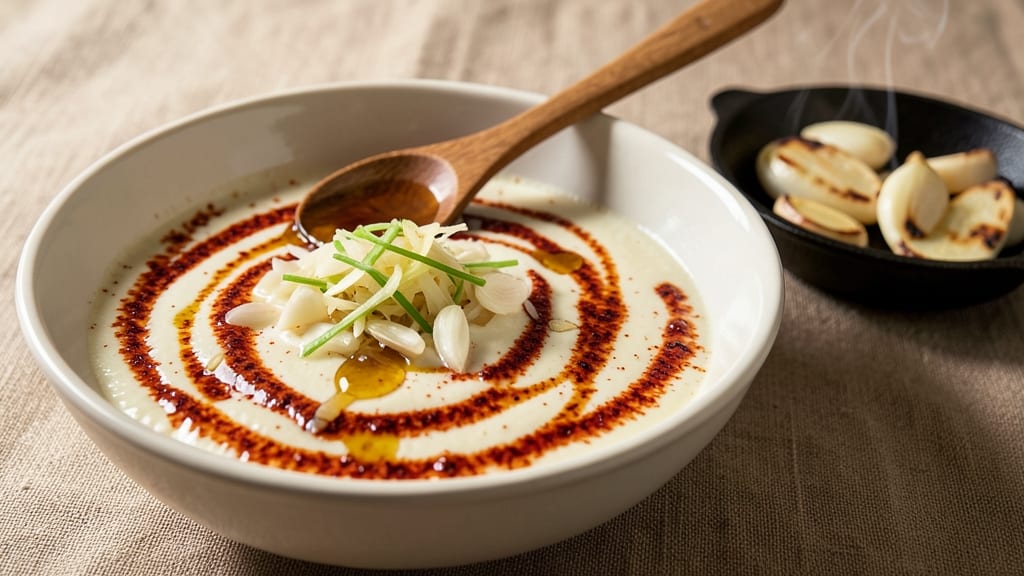
This Asian Cajun sauce recipe transforms bold spice profiles into a versatile condiment that bridges two culinary worlds—smoky, spicy Cajun heat meets umami-rich Asian depth. The secret lies in balancing sweetness, acidity, and chili intensity while letting flavors meld through gentle simmering.
I developed this after craving a sauce that could elevate everything from stir-fries to grilled proteins without overpowering delicate flavors.
The foundation starts with a simple base of soy sauce and fish sauce for umami, then builds complexity through garlic, ginger, and chili paste. Smoked paprika and cayenne add that signature Cajun depth, while a touch of honey or brown sugar rounds out the heat.
What makes this sauce special is its adaptability—use it as a stir-fry glaze, dipping sauce for spring rolls, or finishing sauce for grilled meats.
By the time you taste the finished product, you’ll notice how the smoky-sweet notes of Cajun spices harmonize with the salty, funky depth of Asian ingredients. The sauce thickens just enough to coat proteins and vegetables beautifully, creating a sticky, flavorful crust that clings to every bite.
This isn’t just a condiment—it’s a flavor amplifier that turns ordinary dishes into standout meals.
Ready in 15 minutes with just 10 ingredients, this sauce delivers restaurant-quality results without the fuss. The best part? It keeps well in the fridge for up to a week, so you can make a batch and use it all week long.
Let’s create this bold, versatile sauce that will become your go-to for any dish needing a spicy, umami kick.
Ingredients for asian cajun sauce
Ten simple ingredients fuse two bold worlds into one irresistible sauce.
| Ingredient | Amount | Notes |
|---|---|---|
| Soy Sauce 🍶 | ½ cup | Light or dark variety preferred |
| Fish Sauce 🐟 | 2 tbsp | Red Boat preferred for quality |
| Garlic Cloves 🧄 | 6 cloves | Minced finely for depth |
| Fresh Ginger 🌿 | 2 tbsp | Grated, not minced |
| Red Chili Paste 🌶️ | 2 tbsp | Maesri or Thai preferred |
| Smoked Paprika 🌶️ | 1 tbsp | For signature Cajun smokiness |
| Cayenne Pepper 🔥 | ½ tsp | Adjust for heat preference |
| Brown Sugar 🍚 | 2 tbsp | Light or dark works |
| Extra-Virgin Olive Oil 🫒 | 1 tbsp | For richness and balance |
| Lime Juice 🍋 | 1 tbsp | Freshly squeezed preferred |
The fish sauce is non-negotiable here—Red Boat is my go-to, but any reputable brand works. Look for one that smells funky but not rotten (that's good funk!). The chili paste should be vibrant red, not dull—Maesri or Thai Bird's Eye are my favorites, but any quality paste will do. Ginger loses flavor fast, so grab fresh and grate it right before using. For the smoked paprika, Penzeys or McCormick are solid choices, but don't overpay—store-brand works fine if it's fresh. The garlic and ginger are your flavor anchors, so don't skimp on freshness.
No fish sauce? Extra soy sauce plus a dash of anchovy paste gets you close, though it won't be identical. Running low on chili paste? Fresh red chili peppers blended with a pinch of salt works in a pinch (trust me, it's worth the extra minute). The brown sugar can be swapped for honey or maple syrup if you prefer, but it adds a nice caramel note that pairs perfectly with the smoky spices. Need less heat? Reduce the cayenne to a pinch or swap it for sweet paprika. The lime juice can be bottled if you're in a hurry, but fresh is always better—just make sure it's not too bitter.
This sauce keeps beautifully in the fridge for up to a week in an airtight container. For longer storage, freeze portions in ice cube trays—just thaw and stir before using. The flavors actually improve over time as everything melds together. I like to make a big batch and use it all week for stir-fries, dipping spring rolls, or finishing grilled meats. If it thickens too much, just stir in a splash of water or broth. The sauce is ready to use as soon as it's cooled, so no waiting around!
Why You'll Love This Recipe
- Pantry Powerhouse: I swear by this sauce because it lives in my fridge year-round—just those five ingredients (plus a little oil) and you’re golden. No specialty jars, no confusing labels, just the kind of flavor that turns a simple stir-fry into something special without breaking the bank.
- Fiery Umami Bomb: That first spoonful of fish sauce and chili paste hitting the pan? Instant magic. The garlic and ginger sizzle until they’re fragrant but not burnt, and suddenly your protein is swimming in a sauce that’s salty, sweet, and just spicy enough to make you reach for more.
- Weeknight Workhorse: Dinner with the kids? Date night? Last-minute takeout craving? This sauce handles it all—drizzled over noodles, slathered on grilled chicken, or even tossed with tofu. I’ve made it three times this month, and it’s never felt repetitive because it’s always right for whatever’s on the menu.
- Leftovers That Lie: Between us, this sauce tastes better the next day. The flavors meld into this deep, complex punch that makes you question why you ever bought store-bought sauces. I double the batch on purpose—because once it’s in your fridge, you’ll use it up before it disappears.
Step-by-step instructions for Asian Cajun sauce
Here’s how to blend bold flavors into a versatile sauce that works for everything from stir-fries to dipping.
Bloom the Smoked Paprika and Spices
Heat the 1 tablespoon extra-virgin olive oil in a small saucepan over medium-low heat. Add the 1 tablespoon smoked paprika and 0.5 teaspoon cayenne pepper, stirring constantly for 30 seconds until fragrant. This step unlocks their flavors—don’t rush it, or you’ll burn the spices and turn the sauce bitter.
Watch for the spices to darken slightly and fill your kitchen with a smoky aroma. If the oil starts to smoke or the spices darken too quickly, reduce the heat immediately. Once properly bloomed, remove the pan from heat—you’re ready for the next layer of flavor.
Sauté Aromatics Until Fragrant
Return the pan to medium heat and add the 6 cloves minced garlic and 2 tablespoons grated fresh ginger. Sauté for 2-3 minutes until the garlic turns golden and the ginger softens. You’ll know it’s ready when the aroma shifts from raw garlic to nutty, toasted notes—this is where the sauce builds depth.
Be careful not to let the garlic burn; it can turn bitter in seconds. If it starts to darken too quickly, pull the pan off the heat for a few seconds to let it cool slightly. Once fragrant, remove the pan from heat again—you’re about to add the wet ingredients.
Combine Wet Ingredients for Balance
Lower the heat to low and add the 0.5 cup soy sauce, 2 tablespoons fish sauce, 2 tablespoons red chili paste, and 2 tablespoons brown sugar. Stir gently to dissolve the sugar and blend everything smoothly. Let the mixture simmer for 3-4 minutes, stirring occasionally, until it thickens slightly and coats the back of a spoon.
This is where the sauce comes together. The soy sauce adds umami, the fish sauce deepens the savory profile, the chili paste brings heat, and the brown sugar balances everything with a touch of sweetness. Taste as you go—you can adjust the sweetness or heat now if needed.
Finish with Lime Juice and Rest
Remove the pan from heat and stir in the 1 tablespoon lime juice. The acidity brightens the flavors and cuts through the richness of the other ingredients. Let the sauce rest for 5 minutes—this allows the flavors to meld and the sauce to thicken slightly as it cools.
The sauce should be glossy, well-balanced, and ready to use. If it’s too thick for your liking, thin it with a splash of water or a little more soy sauce. If it’s too thin, simmer it gently for another minute or two to reduce. Serve warm or at room temperature over stir-fries, grilled meats, or as a dipping sauce for spring rolls.
Pro Tips For Making Asian Cajun Sauce
- Bloom the Garlic First: Toss your minced garlic into the pan with a splash of oil before adding heat—let it sit for 30 seconds so it softens instead of burns. I learned this the hard way when my sauce ended up bitter from overcooked garlic (yes, it’s subtle but noticeable).
- Toast the Ginger: Shave your ginger thin, then dry it in the pan for 10 seconds over medium heat before adding liquid—this deepens its flavor without turning it mushy. Skip this, and your sauce will taste flat, even if you use the freshest ginger.
- Simmer Slow and Low: Once you add soy and fish sauce, reduce heat to low and let the sauce bubble gently for 5-7 minutes—this lets the flavors meld instead of evaporating. I used to rush it, and the sauce always tasted one-note.
- Balance the Heat: Taste your chili paste first—if it’s painfully hot, cut it with a teaspoon of sugar or a splash of honey before adding it to the sauce. You’ll thank yourself later when the heat doesn’t overpower the umami.
Troubleshooting perfect results
Sauce Too Thin?
If your sauce isn’t clinging to proteins or vegetables, simmer it uncovered over medium-low heat for an extra 2-3 minutes. The liquid will reduce naturally, thickening the sauce while concentrating flavors.
For a quicker fix, stir in 1 teaspoon cornstarch mixed with 1 tablespoon water, then simmer for 1 minute until it reaches your desired consistency. 🔥
Too Much Heat?
The cayenne and chili paste can overwhelm delicate dishes. To mellow the heat, add 1 teaspoon honey or 1 tablespoon brown sugar to balance the spice. For a smoother profile, strain the sauce through a fine-mesh sieve to remove any chili paste chunks.
If you prefer milder heat, reduce the cayenne to ¼ teaspoon next time—this sauce is forgiving and easy to adjust!
Fish Sauce Overpowering?
Fish sauce can dominate if not balanced properly. If your sauce tastes too funky, add ½ teaspoon more brown sugar to round out the flavors. A splash of lime juice (up to 1 tablespoon) also brightens the sauce, cutting through the saltiness.
For a milder option, swap 1 tablespoon of the fish sauce for 1 tablespoon coconut aminos—it’s a great substitute with a cleaner taste.
Ginger or Garlic Burning?
Fresh ginger and garlic burn quickly, turning bitter. To prevent this, keep the heat at medium and stir constantly. If they start to darken too quickly, remove the pan from heat for 10-15 seconds to let them cool slightly.
For extra insurance, add the ginger and garlic to the pan after the spices have bloomed—this gives them a head start without risking burning.
Sauce Separating?
If the sauce separates (e.g., oil pooling on top), whisk in 1 teaspoon cornstarch or 1 tablespoon water to re-emulsify it. Simmer gently for 30 seconds while stirring continuously.
For a smoother texture, blend the sauce briefly with an immersion blender—this breaks up any oil separation and creates a silky consistency. Store the sauce in an airtight container to prevent further separation.
Not Enough Umami?
If your sauce lacks depth, boost the umami with 1 teaspoon soy sauce or ½ teaspoon fish sauce (if you have it). A pinch of MSG (½ teaspoon) can also enhance the savory notes, though it’s optional.
For a natural alternative, add 1 tablespoon miso paste and simmer for 1 minute to dissolve. The umami in this sauce is what makes it shine—don’t be afraid to tweak it to your taste! ✨
Nutrition facts
Frequently asked questions
Can I make this sauce without fish sauce?
Yes! Swap the 2 tablespoons fish sauce with 1 tablespoon soy sauce plus 1 tablespoon coconut aminos for a milder alternative. For extra depth, add ½ teaspoon anchovy paste (if you're comfortable with it). The sauce will still be flavorful, though the umami won't be as intense.
How spicy will this sauce be?
The heat comes from the 2 tablespoons chili paste and ½ teaspoon cayenne, which creates a medium-hot kick. For milder heat, reduce the cayenne to ¼ teaspoon or swap 1 tablespoon chili paste for sweet paprika. Always taste as you go—you can adjust while simmering!
What’s the best way to store this sauce?
Keep it in an airtight container in the fridge for up to 1 week. For longer storage, freeze portions in ice cube trays—thaw and stir before using. The flavors actually improve over time as everything melds together! For smoother texture, shake or stir well before each use.
Can I use this sauce on non-Asian dishes?
This sauce works beautifully on grilled chicken, pork chops, or even as a marinade for steak. Try it as a dipping sauce for fries or a glaze for roasted vegetables. The Cajun-Asian fusion brings bold flavor to any protein or veggie dish.
Why does my sauce look too thin?
Simmer uncovered for 2-3 extra minutes to reduce the liquid naturally. For quicker thickening, mix 1 teaspoon cornstarch with 1 tablespoon water, stir in, and simmer for 1 minute. The sauce should coat the back of a spoon when done.