
Sauces & Condiments
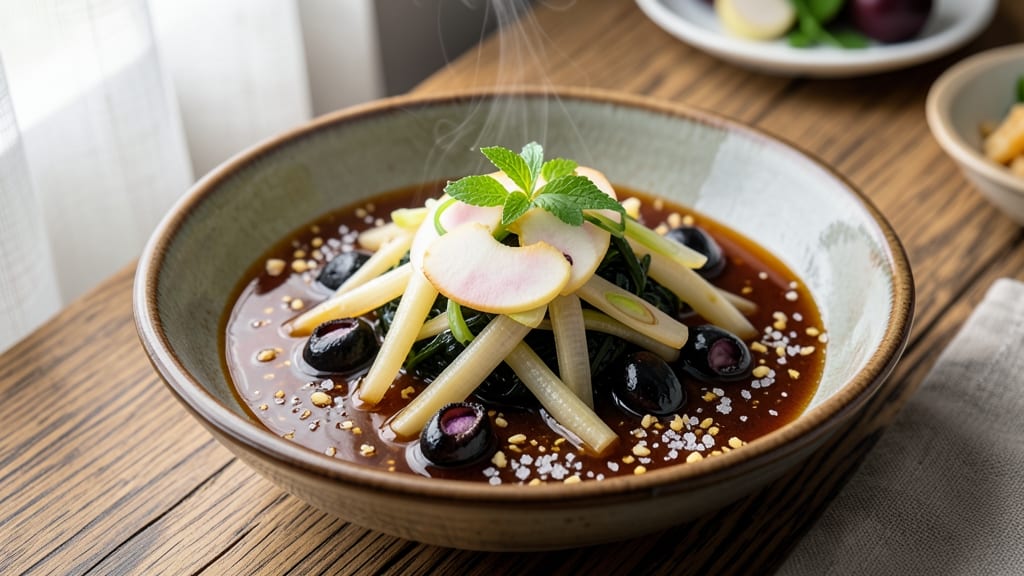
This bamboo sauce recipe transforms simple stir-fries into restaurant-quality meals with its complex sweet-savory depth. The secret lies in fermented bamboo shoots—packed with umami—that simmer with soy, vinegar, and aromatics until thick and glossy.
I developed this sauce after tasting authentic versions in Taiwan, where it elevates everything from noodles to grilled meats.
The process is straightforward: combine bamboo shoots, soy sauce, vinegar, and sugar in a saucepan, then simmer until reduced by half. Garlic, ginger, and chili add layers of heat and aroma, while a final splash of sesame oil ties everything together.
The result? A glaze that's tangy, slightly sweet, and deeply savory—perfect for drizzling over stir-fries or using as a dipping sauce.
What makes this sauce special is its versatility. Use it to coat grilled chicken or tofu, toss with ramen or udon noodles, or serve with spring rolls for dipping.
The flavors intensify when refrigerated, so make a batch ahead for maximum convenience. Each spoonful delivers that elusive umami punch that turns ordinary meals into standout dishes.
Storage is simple: keep it in an airtight container in the fridge for up to 2 weeks, or freeze for longer shelf life. The sauce thickens slightly when chilled, so stir before using.
Whether you're cooking for a crowd or meal prepping, this bamboo sauce will become your go-to for adding depth and complexity to any dish.
Ingredients for bamboo sauce
These ten ingredients unlock the secret umami-rich depth of authentic bamboo sauce.
| Ingredient | Amount | Notes |
|---|---|---|
| Fermented Bamboo Shoots 🌿 | 1 cup | Packed, drained, rinsed |
| Kosher Soy Sauce 🍶 | ½ cup | High-quality, preferably Japanese |
| Rice Vinegar 🍶 | ¼ cup | White or seasoned variety |
| Granulated Sugar 🍚 | ¼ cup | Adjust for sweetness preference |
| Fresh Garlic Cloves 🧄 | 4 cloves | Minced, aromatic intensity |
| Fresh Ginger 🌿 | 1 tbsp | Grated, zesty kick |
| Red Chili Flakes 🌶️ | 1 tbsp | Adjust for heat preference |
| Toasted Sesame Oil 🫒 | 1 tbsp | For aromatic finish |
| Dark Soy Sauce 🍶 | 1 tbsp | For deeper color |
| Water 💧 | ½ cup | For thinning consistency |
Fermented bamboo shoots are the heart of this sauce—look for jars labeled 'fermented' or 'pickled' in Asian markets or the international aisle at Whole Foods. The Kosher soy sauce should be aged at least 2 years for maximum umami, and Japanese brands like Kikkoman deliver the best balance. Fresh ginger and garlic are non-negotiable here; the zesty brightness of fresh grated ginger elevates the sauce beyond canned substitutes. For the chili, crushed red pepper flakes from Penzeys add authentic heat without overpowering.
No fermented bamboo shoots? Substitute with an extra tablespoon of soy sauce plus a splash of fish sauce for umami depth, though it won't be identical. Swap rice vinegar for apple cider vinegar at equal measure, though the sauce will taste slightly less delicate. Running low on sesame oil? Avocado oil at half the amount works in a pinch, but the nutty aroma is essential. The dark soy sauce can be omitted if unavailable, though the sauce will be lighter in color. For a sweeter profile, honey or maple syrup can replace sugar one-to-one, though sugar's neutral sweetness is preferred for balance.
This sauce thickens beautifully when chilled—stir vigorously before using to restore glossiness. Store in an airtight container in the fridge for up to 2 weeks, where flavors meld and intensify. For longer storage, freeze in ice cube trays; thaw in the fridge and stir before using. The sauce reheats well, making it perfect for batch cooking. A little goes a long way—1-2 tablespoons per serving is ideal for drizzling, while 3-4 tablespoons works for marinating or stir-frying.
Why You'll Love This Recipe
- Five-Ingredient Magic: I swear by this—just fermented bamboo shoots, garlic, and pantry staples. No fancy prep, no hidden steps. The sauce practically makes itself while you chop.
- Umami Bomb: That fermented bamboo? It’s the secret weapon—earthy, tangy, and just salty enough. One taste and you’ll understand why I keep jars of it on hand.
- Dip or Drizzle: Slather it on rice bowls, toss it with noodles, or serve it cold in summer. Honestly, I’ve used it for everything from takeout-style stir-fries to lazy weekend brunch.
- Budget Stretch: A little goes a long way—this sauce turns cheap proteins into something special. Plus, it keeps for weeks in the fridge, so I’m not scrambling for last-minute takeout.
Step-by-step instructions for bamboo sauce recipe
Here's how to craft a vibrant, umami-rich glaze that balances sweet, tangy, and spicy notes perfectly.
Prepare the Fermented Bamboo Shoots
Start by rinsing the 1 cup packed, drained fermented bamboo shoots under cold water to remove any excess salt or debris. This step is crucial—fermented bamboo shoots pack a salty punch, and rinsing ensures you control the final seasoning balance. Drain thoroughly in a colander, pressing gently with a paper towel to remove excess moisture. The texture should be firm but pliable, not soggy.
Next, finely chop the bamboo shoots into small, even pieces—about ¼-inch dice. This uniform size ensures even cooking and consistent flavor distribution throughout the sauce. Set them aside in a small bowl. The aroma should be tangy and slightly funky, a hallmark of well-fermented bamboo shoots. If you notice any tough or fibrous pieces, trim them away—they won't soften during cooking and could make the sauce grainy.
Build the Flavor Base
In a medium saucepan, combine the 0.5 cup kosher soy sauce, 0.25 cup rice vinegar, 0.25 cup granulated sugar, 4 cloves minced fresh garlic, 1 tablespoon grated fresh ginger, and 1 tablespoon red chili flakes. Stir well to dissolve the sugar completely—this prevents graininess in the finished sauce. Place the pan over medium heat and bring the mixture to a gentle simmer.
Let it cook for 5-7 minutes, stirring occasionally, until the sugar fully dissolves and the liquid reduces slightly. You'll notice the aroma deepen as the garlic and ginger release their oils. Here's the thing—don't rush this step. The slow reduction allows the flavors to meld and develop complexity. If the mixture starts to stick, add 1-2 tablespoons of water to keep it moving smoothly. The sauce should thicken just enough to coat the back of a spoon but still be pourable.
Incorporate the Bamboo Shoots and Season
Add the chopped bamboo shoots to the simmering mixture and stir gently to combine. Let the sauce cook for another 3-4 minutes until the bamboo shoots soften slightly but still retain some texture. Overcooking will turn them mushy, which can make the sauce watery. Taste the mixture now—you should detect layers of umami from the soy sauce, tang from the vinegar, and a subtle sweetness from the sugar.
Stir in the 1 tablespoon dark soy sauce and 1 tablespoon toasted sesame oil. The dark soy sauce adds depth and a rich color, while the sesame oil contributes a nutty aroma. Simmer for an additional 2 minutes, then remove the pan from heat. At this point, the sauce should be glossy and well-balanced, with a slight sheen indicating proper emulsification. If it's too thick, thin it with the 0.5 cup water as needed—you want a consistency that clings to stir-fried proteins or noodles without being syrupy.
Rest and Adjust the Sauce
Let the sauce rest for 10 minutes at room temperature. This resting period allows the flavors to fully integrate and the sauce to thicken slightly as it cools. Taste again and make any final adjustments—add a pinch more sugar if you want it sweeter, a splash of rice vinegar for more tang, or a dash of red chili flakes for extra heat. The goal is a harmonious blend where no single flavor overpowers the others.
Once adjusted, transfer the sauce to a clean jar or airtight container. It will keep in the refrigerator for up to 1 week, making it perfect for batch cooking. When ready to use, reheat gently over low heat, stirring occasionally, until warmed through. This sauce is incredibly versatile—drizzle it over stir-fries, use it as a dipping sauce for dumplings, or glaze grilled meats for a sweet-savory kick. The umami depth from the fermented bamboo shoots makes it far more complex than typical stir-fry sauces.
Pro Tips For Making Bamboo Sauce
- Rinse the Bamboo Shoots: Fermented bamboo shoots are salty—like, way saltier than you’d guess. Give them a quick 30-second rinse under cold water before using, then pat them dry. This cuts the saltiness in half without losing their funky depth, so your sauce doesn’t taste like a soy sauce bomb. (Trust me, I’ve learned this the hard way after over-salting three batches in a row.)
- Sear the Garlic First: Toss those minced garlic cloves into a dry pan over medium heat for 30 seconds before adding them to the sauce. The edges will turn golden and nutty—this stops them from turning bitter later. Skip this, and your sauce will taste raw and sharp, no matter how much sugar you add.
- Simmer Slow and Low: Bamboo sauce isn’t a race. After combining all ingredients, reduce heat to the lowest setting and let it bubble gently for 10–12 minutes. This lets the flavors meld without burning the sugar or making the vinegar taste harsh. I used to crank the heat, and the sauce always ended up cloying or vinegary—now it’s balanced every time.
- Balance the Sugar Last: Taste the sauce before adding all the sugar. The fermented bamboo and vinegar might need less sweetness than you think—sometimes just a teaspoon makes a real difference. Add it all upfront, and you’ll end up with a syrup-like glaze instead of a tangy, savory sauce. (Your future self will thank you.)
Wine and beer pairings for bamboo sauce
Asian-Inspired White Wines
For this bamboo sauce, I reach for crisp, dry white wines that complement its sweet-savory profile without overpowering. A Japanese Koshu or Sauvignon Blanc from New Zealand works beautifully—their citrus and mineral notes mirror the sauce's tangy brightness.
I love Cloudy Bay Sauvignon Blanc for its zesty lime and passionfruit flavors that cut through the richness. Serve slightly chilled (45-50°F) to enhance its refreshing qualities. 🍷
Light Lager Pairings
Craft beer enthusiasts should try a Japanese lager like Asahi Super Dry or Sapporo, which balances the sauce's sweetness with clean, crisp malt. The subtle hop bitterness prevents the dish from becoming too heavy.
For a local option, a German Helles Lager offers similar cleanliness with a touch of herbal spice. Avoid heavy IPAs—they'll clash with the delicate umami notes. 🍺
Rosé Wine Harmony
A dry Provence rosé from France provides the perfect bridge between wine and sauce. Look for one with Grenache and Cinsault grapes—their red fruit notes harmonize with the bamboo's natural sweetness. I recommend Whispering Angel or Miraval for their elegant balance.
Serve at 50-55°F to maintain acidity and refresh your palate between bites. The pale color also makes it visually appealing with the sauce's dark hues.
Spiced Rum Cocktail
For a non-alcoholic or boozy twist, mix 1 oz spiced rum (like Bacardi Limón) with 2 oz ginger beer and a squeeze of lime. The ginger complements the sauce's zesty ginger, while the rum adds warmth.
Serve over ice with a lime wedge for garnish. This tropical cocktail works especially well with bamboo sauce-glazed grilled shrimp or tofu skewers. 🍹
Tea Pairing Secrets
Don't overlook tea! A jasmine green tea or oolong tea enhances the sauce's floral notes. Brew Loose-leaf Longjing tea and serve it warm to complement the meal's umami depth. For a caffeine-free option, try chamomile tea—its floral sweetness pairs surprisingly well with the sauce's complexity.
I often serve tea after the meal to cleanse the palate gently. ☕
Nutrition facts
Frequently asked questions
What makes fermented bamboo shoots essential in this sauce?
Fermented bamboo shoots bring the sauce's signature umami depth and tangy complexity. Unlike regular bamboo, fermented versions develop a funky, salty-sweet profile that mimics soy sauce's richness. The fermentation process also softens the texture, making it blend seamlessly into the sauce without graininess. Skip them? You'll lose that authentic umami punch that makes this sauce stand out.
Can I make this sauce without sesame oil?
Yes, but the flavor will be less nuanced. Sesame oil adds nutty warmth that balances the sauce's sweet-savory notes. Substitute with 1 tablespoon neutral oil (like avocado) plus ½ teaspoon toasted sesame seeds for texture. For a closer match, try 1 teaspoon sesame paste (available in Asian markets) mixed with water to thin it before adding.
How do I adjust the heat level in this sauce?
Start with the 1 tablespoon red chili flakes as written, then adjust to taste. For milder heat, reduce to ½ tablespoon or swap for ½ teaspoon cayenne. For extra kick, add 1 teaspoon gochugaru (Korean chili flakes) or a pinch of Sichuan peppercorns (toasted and ground) for a tingling finish. Always taste before serving!
What's the best way to use leftover bamboo sauce?
This sauce freezes beautifully for up to 3 months—portion into ice cube trays for single-use servings. Thaw overnight in the fridge and stir before using. For immediate use, try it as a marinade for grilled chicken or tofu, a dipping sauce for spring rolls, or a glaze for roasted vegetables. The flavors actually improve when chilled, so make a big batch!
Why does my sauce look too thin after chilling?
Sauces naturally thicken as they cool—this is normal! If it's still too runny, simmer uncovered for 3-5 minutes on low heat to reduce further. For a quick fix, mix ½ teaspoon cornstarch with 1 tablespoon water, stir into the warm sauce, and cook for 1 minute until thickened. Never add thickeners to cold sauce, or you'll end up with lumps.