
Sauces & Condiments
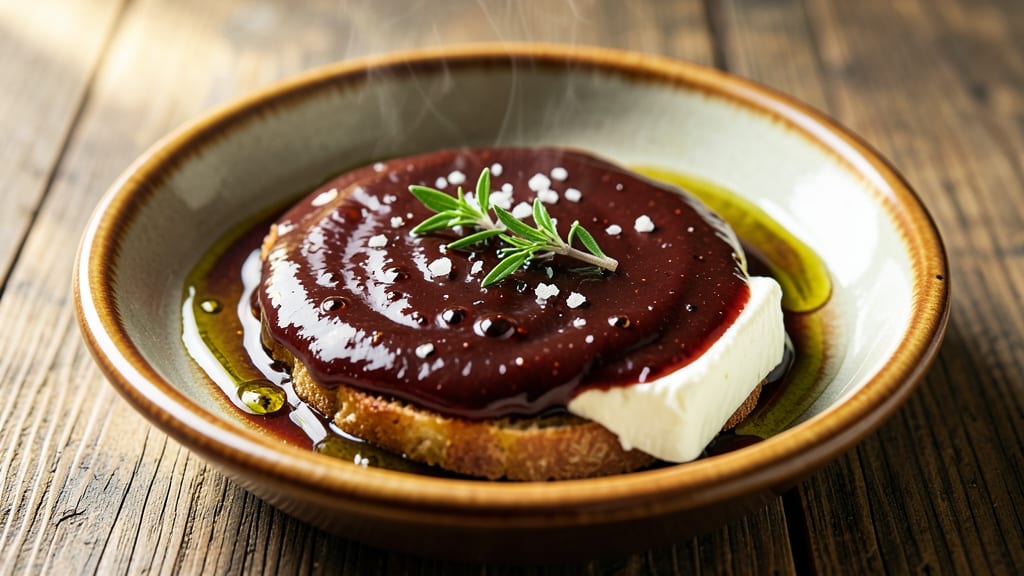
This balsamic reduction sauce recipe transforms simple pantry staples into a glossy, thick glaze that elevates any dish in just 15 minutes. The key lies in simmering balsamic vinegar with sugar until it darkens into a rich, syrupy consistency—no fancy techniques required.
What starts as a tangy vinegar becomes a velvety, caramelized sauce with deep umami notes that cling beautifully to meats, salads, or even desserts.
The process is straightforward yet precise: combine balsamic vinegar and sugar in a saucepan, then simmer gently until reduced by nearly half. The sugar helps balance the acidity while creating that signature glossy sheen.
For extra depth, I often add a splash of red wine or a pinch of thyme, but the basic version delivers restaurant-quality results every time. This sauce isn’t just for drizzling—it’s a flavor multiplier that turns ordinary dishes into something extraordinary.
What you’ll end up with is a thick, syrupy glaze that coats every surface it touches, whether it’s seared steak, roasted vegetables, or even vanilla ice cream. The reduction process concentrates the flavors, making each drizzle count.
Best of all, it keeps well in the fridge for up to two weeks, so you can make a batch ahead and use it whenever inspiration strikes.
Serving suggestions are endless: glaze grilled chicken for a restaurant-worthy finish, drizzle over caprese salads for brightness, or swirl into mascarpone for a dessert that tastes like a sophisticated dessert.
The possibilities are limited only by your imagination. Let’s get started on creating this versatile sauce that’s as easy as it is impressive.
Ingredients for balsamic reduction sauce
Six simple ingredients transform tangy vinegar into a restaurant-worthy glaze.
| Ingredient | Amount | Notes |
|---|---|---|
| Balsamic Vinegar 🍷 | 1 cup | High-quality aged variety preferred |
| Granulated Sugar 🍚 | ½ cup | White or brown sugar works |
| Red Wine 🍷 | ¼ cup | Bold dry red like Cabernet |
| Fresh Thyme Leaves 🌿 | ¼ tsp | Or 1/8 tsp dried thyme |
| Extra-Virgin Olive Oil 🫒 | 1 tbsp | For finishing drizzle |
| Salt 🧂 | ¼ tsp | Kosher or sea salt |
| Black Pepper 🌶️ | ⅛ tsp | Freshly ground preferred |
The balsamic vinegar makes all the difference—look for aged varieties at specialty stores like Whole Foods or Trader Joe's for deeper flavor. Sugar balances the acidity, but brown sugar adds subtle caramel notes. Red wine isn't mandatory, but it deepens the umami (any bold dry red works). Fresh thyme is ideal, but dried works at one-third the amount. I always grab extra balsamic—it keeps forever and makes other vinaigrettes shine too.
No red wine? Extra balsamic vinegar or beef broth works in a pinch. Swap sugar for honey or maple syrup for floral notes, but sugar's neutral sweetness is foolproof. The olive oil at the end isn't just for richness—it helps the sauce cling to everything. Want more depth? Add 1/4 tsp vanilla extract or a pinch of cinnamon for dessert drizzles. For a tangier finish, add 1 tsp lemon juice at the end.
This sauce thickens as it cools—store in a sealed jar in the fridge for up to 2 weeks. The consistency changes slightly when reheated, so I often make a double batch. Freezes beautifully for 3 months—just reheat gently to restore that glossy sheen. Perfect for drizzling over roasted veggies, grilled meats, or even vanilla ice cream (trust me on that one).
Why You'll Love This Recipe
- Pantry Magic: I swear by this sauce because it uses what I already have—no last-minute grocery runs. Just vinegar, sugar, and a splash of red wine simmering until it thickens into something rich and glossy, with thyme adding that earthy whisper.
- Sweet-Sour Symphony: That perfect balance? The sugar caramelizes into the vinegar, while the wine adds depth—like a sophisticated hug for your taste buds. Drizzle it over grilled chicken or toss with roasted veggies, and suddenly, everything tastes like a restaurant special.
- Weeknight Flex: This sauce is my secret weapon for lazy nights. It’s ready in 20 minutes (set it and forget it), pairs with anything—pasta, steak, even toast—and turns a simple plate into something that feels intentional. Honestly, it’s the reason I don’t stress dinner plans.
- Leftovers That Shine: Make a big batch—it keeps for weeks in the fridge—and the flavor only gets better. Thin it with a splash of olive oil before serving, and suddenly, last night’s roasted Brussels sprouts taste like a gourmet meal. Budget-friendly? Absolutely. Waste-free? Even better.
Step-by-step instructions for balsamic reduction sauce
Here's how to make a rich, glossy glaze that transforms simple dishes into something extraordinary.
Combine Ingredients in a Saucepan
Pour the 1 cup Balsamic Vinegar into a heavy-bottomed saucepan. Add the 0.5 cup Granulated Sugar, stirring until it dissolves completely. I like to use a wooden spoon for this step—it won't scratch the pan like metal utensils might. Add the 0.25 cup Red Wine, 0.25 tsp Fresh Thyme Leaves, 0.25 tsp Salt, and 0.125 tsp Black Pepper. Give everything a quick stir to combine.
This is the foundation of your sauce, so make sure all the sugar dissolves before moving on. If you see any undissolved sugar grains, gently heat the mixture over low heat for 30 seconds while stirring until smooth. Undissolved sugar can create a grainy texture in your finished sauce.
Simmer Until Reduced by Half
Place the saucepan over medium-high heat and bring the mixture to a gentle boil. Once boiling, reduce the heat to medium and let it simmer uncovered for 8-10 minutes. You'll see the liquid reduce dramatically as it thickens into a glossy syrup.
Here's where you need to pay attention: the sauce should reduce until it reaches about ½ cup in volume. Swirl the pan occasionally to prevent sticking, but don't stir constantly—this can cause sugar crystals to form. If you notice the sauce starting to darken too quickly, reduce the heat slightly to maintain a balanced color.
Finish with Olive Oil and Cool
Once the sauce has reduced to your desired consistency, remove it from the heat. Let it cool for 1-2 minutes—this prevents the 1 tbsp Extra-Virgin Olive Oil from separating when you add it. Slowly drizzle in the olive oil while whisking gently to emulsify.
The olive oil adds richness and helps create that signature glossy finish. If you're using this sauce immediately, whisk it in right before serving. For best results, let the sauce cool completely to room temperature, then refrigerate for up to 1 week. The flavors will deepen and mellow over time, making it even more delicious.
Adjust Consistency and Flavor
Taste the sauce and adjust the seasoning if needed. If it's too thick, thin it with 1 teaspoon of water at a time until you reach your desired consistency. For extra depth, add 1-2 more drops of Red Wine or a pinch of Salt. The sauce should coat the back of a spoon smoothly but still cling to whatever you drizzle it over.
This sauce is incredibly versatile—use it as a glaze for roasted meats, a drizzle for bruschetta, or a finishing touch for salads. The key to a perfect balsamic reduction is patience and attention to heat control. Don't rush it, and you'll end up with a sauce that's restaurant-quality every time.
Pro Tips For Making Balsamic Reduction Sauce
- STIR CONSTANTLY: The second this sauce starts simmering, grab that wooden spoon and keep it moving—especially in the first 10 minutes. I learned this the hard way when a batch turned into sticky syrup instead of glossy reduction. High heat means fast evaporation, and skipping the stir lets sugar burn before the liquid reduces properly.
- USE DARK VINEGAR: Skip the cheap stuff—opt for aged balsamic vinegar (like Modena or Modena-style) instead of the clear variety. The deeper color and richer flavor cut through the sweetness better, and you’ll end up with a sauce that’s actually complex, not just syrupy. (Yes, it’s pricier, but your dish won’t taste like vinegar.)
- DEGLAZE FIRST: If you’re using red wine, don’t just dump it in cold. After caramelizing the sugar with the vinegar, splash in the wine while the pan is still hot—it’ll sizzle and release flavors instantly. This step turns the sauce from good to layered, and it takes about 30 seconds. (I know, I know, but trust the process.)
- SKIP THE THYME STEMS: Strip the leaves from thyme stems before adding them to the sauce—no need to fish them out later. The stems add bitterness and gummy texture, while the leaves infuse all the bright, herbal notes without the hassle. (Your future self will thank you when you’re not picking out stems mid-drizzle.)
Creative variations of these flavors
Sweet & Savory Twist
Swap the red wine for 2 tbsp balsamic glaze (found in the baking aisle) and add 1 tsp vanilla extract for a dessert-friendly version. Perfect for drizzling over vanilla bean ice cream or pound cake. I like to finish with a pinch of cinnamon for warmth. 🍰
Herb-Infused Variations
Boost the herbal profile by adding 1 tsp fresh rosemary or ½ tsp dried oregano to the simmering mixture. These work beautifully with grilled lamb chops or roasted eggplant. For a Mediterranean touch, stir in 1 minced garlic clove during the last 2 minutes of simmering.
Spicy Kick
Add ½ tsp red pepper flakes or 1 tsp hot honey at the end for heat. This variation pairs perfectly with charred vegetables or spicy grilled shrimp. I recommend using Whole Foods 365 hot honey for consistent heat levels. 🌶️
Umami Bomb
For deeper savory notes, add 1 tbsp soy sauce or ½ tsp fish sauce during the simmer. This works amazingly with Asian-inspired dishes like teriyaki chicken or stir-fried noodles. The soy sauce adds complexity without overpowering the balsamic flavor.
Citrus Brightener
Finish with 1 tbsp freshly squeezed orange juice or lemon juice for a refreshing twist. This variation shines on seafood dishes or summer salads. I like to add it during the final 30 seconds of simmering to preserve the brightness.
Dessert Elevation
Create a caramelized version by adding 1 tbsp brown sugar and ½ tsp cinnamon during the reduction. Drizzle over warm apple slices or cheesecake for a sophisticated dessert finish. The extra brown sugar creates beautiful caramelized bubbles on the surface. 🍎
Nutrition facts
Frequently asked questions
Can I make this balsamic glaze without wine?
Skip the red wine and use an extra 2 tablespoons of balsamic vinegar or substitute with ¼ cup beef broth for depth. The sauce will still develop rich caramel notes—just reduce the simmer time by 1-2 minutes since broth evaporates faster. For a sweeter profile, add 1 teaspoon of honey instead of wine.
Why did my balsamic reduction turn grainy?
Graininess happens when sugar crystals form before dissolving completely. To fix it, whisk in 1 teaspoon of water while reheating gently over low heat for 30 seconds. For prevention, stir constantly during the initial heating phase and avoid boiling too vigorously. A splash of red wine (even just 1 tablespoon) can also help smooth out textures.
How do I store and reheat this sauce?
Transfer to an airtight container and refrigerate for up to 2 weeks. When reheating, warm in a small saucepan over low heat with 1 tablespoon of water to restore glossiness. For freezing, portion into ice cube trays—thaw overnight in the fridge. Never microwave directly, as it can make the sauce stringy. The texture thickens as it cools, so adjust with water if needed.
What's the best way to use leftover reduction?
Get creative! Drizzle over grilled chicken or steak for instant restaurant flair, swirl into mascarpone cheese for dessert, or use as a marinade base (reduce by half first). For salads, thin with 1 part water to 2 parts sauce to create a tangy dressing. Even pasta dishes benefit from a spoonful stirred into the sauce at the end.
Can I make this in a slow cooker?
Yes, but with adjustments. Combine ingredients in the slow cooker on high heat for 1.5-2 hours, checking every 30 minutes to prevent over-darkening. The low-and-slow method creates a deeper flavor but requires more attention. For best results, finish by transferring to a saucepan and reducing on the stovetop for the last 5 minutes to intensify the gloss.