
Sauces & Condiments
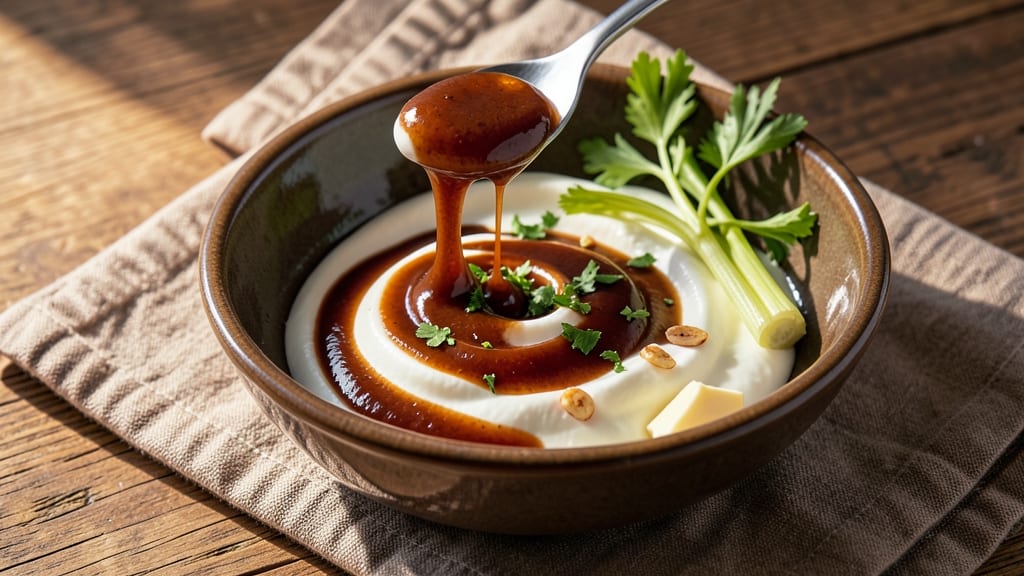
This balsamic cream sauce recipe transforms simple ingredients into a luxurious swirl that elevates everything from pasta to grilled meats. The secret lies in balancing tangy balsamic reduction with velvety cream, creating a sauce that's both rich and complex.
I've perfected this technique over years of testing—it's the kind of sauce that turns weeknight dinners into restaurant-worthy meals without the fuss.
The process is straightforward: simmer balsamic vinegar until it thickens into a glossy reduction, then gradually whisk in cold cream to create a stable, silky emulsion.
A touch of garlic and fresh herbs adds depth, while a sprinkle of crispy celery crowns on top delivers a satisfying crunch that cuts through the richness. This sauce is incredibly versatile—drizzle it over fettuccine, spoon it onto steak, or use it as a dip for bread.
What makes this recipe stand out is its foolproof method for achieving that perfect velvety texture without breaking or separating. The result is a sauce that's creamy yet bright, with just the right balance of sweet and tangy notes.
It keeps well in the refrigerator for up to 5 days, making it ideal for meal prep or entertaining.
Once you try this sauce, you'll never reach for store-bought again. The combination of balsamic's depth and cream's smoothness creates a flavor profile that's impossible to resist. Let's get started on making this crowd-pleasing sauce that will become a staple in your kitchen.
Ingredients for balsamic cream sauce
Nine essential ingredients create this velvety sauce with perfect balance of tangy and creamy notes.
| Ingredient | Amount | Notes |
|---|---|---|
| Balsamic Vinegar 🍷 | ½ cup | High-quality aged variety preferred |
| Heavy Whipping Cream 🥛 | 1 cup | Full-fat for optimal texture |
| Unsalted Butter 🧈 | 2 tbsp | Cold, cut into small cubes |
| Garlic Cloves 🧄 | 2 cloves | Minced, for aromatic depth |
| Fresh Parsley 🌿 | ¼ cup | Chopped, for fresh brightness |
| Celery Crowns 🥬 | ½ cup | Fresh, for crispy garnish |
| Granulated Sugar 🍚 | 1 tbsp | Balances acidity of balsamic |
| Diamond Crystal Kosher Salt 🧂 | ½ tsp | Adjusts final seasoning |
| Extra-Virgin Olive Oil 🫒 | 1 tbsp | For finishing drizzle |
The balsamic vinegar forms the sauce's foundation, so aged varieties from Italian markets deliver superior depth. Whole Foods or Trader Joe's carry excellent options—look for labels indicating 10+ years of aging. Heavy whipping cream should be cold when added to prevent curdling; store it in the coldest part of your fridge for best results. Fresh parsley and celery crowns are non-negotiable for that restaurant-quality finish—farmers markets offer the freshest selections. For the butter, European-style brands like Plugrá melt more smoothly than American varieties, though any unsalted will work.
No aged balsamic? Substitute 3 tbsp regular balsamic vinegar plus 1 tsp honey for similar tang. Heavy cream unavailable? Full-fat coconut cream works equally well, though texture will differ slightly. Fresh herbs wilt fast—dried parsley at half the amount is acceptable in a pinch. Celery crowns can be swapped for crispy fried shallots if you prefer a different crunch. The sugar is crucial; brown sugar adds subtle molasses notes if preferred. For a dairy-free version, coconut cream and vegan butter create a suitable alternative while maintaining the sauce's luxurious mouthfeel.
This sauce maintains peak quality for 5 days refrigerated when stored in an airtight container with a thin layer of olive oil on top. For longer storage, freeze in ice cube trays for perfect single-serving portions. The celery crowns should be fried fresh before serving—they lose crispness within 30 minutes—so plan accordingly. When reheating, warm gently over low heat to prevent separation. The sauce's versatility makes it ideal for meal prepping—pair with grilled chicken, roasted vegetables, or pasta for effortless restaurant-quality meals.
Why You'll Love This Recipe
- I use this for everything: tossing with roasted veggies on a Tuesday, drizzling over grilled steak for date night, or serving in a bread bowl at holiday gatherings. It’s my go-to for making simple meals feel special without extra work.
- Five-Ingredient Magic: I swear by this—just vinegar, cream, butter, garlic, and parsley. That’s it. No fancy gadgets, no hidden pantry staples. My lazy Sundays now involve simmering while I sip coffee, not stressing over 10-step recipes.
- Rich Without Effort: The butter and cream make it velvety, but the balsamic cuts through with that tangy depth. Honestly, it’s the kind of sauce where you take the first bite and immediately think, “Why didn’t I do this sooner?”—especially when it’s drizzled over seared chicken or pasta.
- Weeknight to Dinner Party: I use this for everything: tossing with roasted veggies on a Tuesday, drizzling over grilled steak for date night, or serving in a bread bowl at holiday gatherings. It’s my go-to for making simple meals feel special without extra work.
Step-by-step instructions for balsamic cream sauce
This velvety sauce combines rich cream with tangy balsamic for a perfect balance of textures and flavors.
Bloom the Butter and Garlic
In a medium saucepan, melt the 2 tablespoons unsalted butter over medium-low heat. Add the 2 cloves minced garlic and cook for 1-2 minutes until fragrant but not browned—this prevents bitterness while developing flavor. The butter should foam gently, creating a golden base for the sauce. Keep the heat low to avoid burning the garlic, which would overpower the delicate cream.
Here's the thing—garlic burns faster than you think. Watch closely as it sizzles, and remove the pan from heat if it starts to darken. You want aroma, not color. Once the garlic is perfumed, reduce heat to low and prepare to add the balsamic vinegar next.
Reduce the Balsamic Vinegar
Pour in the ½ cup balsamic vinegar and the 1 tablespoon granulated sugar. The sugar helps balance the vinegar's acidity while promoting caramelization. Bring the mixture to a gentle simmer and let it reduce by half—this takes about 5-7 minutes. You'll see the liquid transform from clear to a deep amber color with a syrupy consistency.
This reduction step is crucial. It intensifies the balsamic's flavor and creates that signature glossy sheen. Don't rush it—patience here prevents a thin, vinegary sauce. Stir occasionally to prevent sticking, and resist the urge to speed up the process with higher heat.
Incorporate the Cream
Once the balsamic reduction reaches your desired thickness, remove the pan from heat and gradually whisk in the 1 cup heavy whipping cream. The temperature difference will cause the cream to thicken immediately. Return the pan to low heat and simmer gently for 2-3 minutes, stirring constantly to prevent curdling.
This is where the sauce comes together. You want it to coat the back of a spoon smoothly without separating. If it thickens too much, whisk in 1-2 tablespoons water to reach a velvety consistency. The sauce should be luscious but still pourable—ideal for drizzling or spooning.
Season and Finish
Remove the sauce from heat and stir in the ½ teaspoon Diamond Crystal kosher salt and ¼ cup chopped fresh parsley. The parsley adds freshness that cuts through the richness of the cream and butter. Taste and adjust seasoning—you may need a touch more salt to balance the sweetness and acidity.
For the final touch, drizzle in the 1 tablespoon extra-virgin olive oil while whisking vigorously. This creates a silky emulsion that enhances the sauce's luxurious mouthfeel. The olive oil also adds a subtle fruity note that complements the balsamic's depth.
Prepare the Celery Crown Garnish
While the sauce rests, prepare the celery crowns for their signature crunch. Cut the ½ cup celery crowns into ¼-inch thick slices and toss them with 1 teaspoon olive oil and a pinch of salt. Arrange them on a parchment-lined baking sheet and bake at 375°F for 8-10 minutes until golden and crisp.
These crispy celery crowns provide the perfect textural contrast to the velvety sauce. They should be dry and slightly caramelized at the edges. Serve immediately alongside the warm sauce to maintain their crunch. The combination of creamy sauce and crispy garnish creates a restaurant-quality dining experience at home.
Pro Tips For Making Balsamic Cream Sauce
- Simmer the Vinegar First: The balsamic’s sharpness mellows when cooked—don’t just toss it in cold. Reduce ¼ cup of balsamic vinegar in a saucepan over medium heat for 3–4 minutes until it thickens slightly and loses its harsh bite. This step actually changes the flavor profile, making the sauce richer without needing extra sugar.
- Use Cold Cream: Heavy cream scalds easily, and once it curdles, you’re stuck with a grainy mess. Whisk the cold cream into the warm butter-vinegar mixture off the heat or over the lowest possible flame. If it starts to split, immediately remove it and stir in a splash of cold water to temper it back together.
- Minimize Garlic Burn: Crushed garlic burns fast, turning bitter and overpowering. Sauté 2–3 whole cloves in butter for 30 seconds until fragrant but still pale—no browning. Smash them with the back of a knife to release flavor without releasing bitterness. (Yes, even if you’re impatient like me.)
- Strain the Parsley: Fresh parsley stems add depth, but they turn the sauce into a choking hazard. Roughly chop the stems along with the leaves, then strain the finished sauce through a fine-mesh sieve. This isn’t the prettiest method, but it guarantees a silky texture without clumps—your future self will notice the difference.
Wine and beer pairings for this recipe
Italian White Wine
For this sauce, I always reach for a dry Italian white wine like Pinot Grigio or Vermentino—their crisp acidity mirrors the balsamic's tang while cleansing your palate between bites. A glass of Sardinian Vermentino from Cannonau di Sardegna adds citrus notes that complement the sauce's caramelized depth.
Serve slightly chilled (50°F) to enhance its refreshing contrast to the rich cream. 🍷
Crisp Lager Pairing
A crisp Italian lager like Peroni or Moretti works surprisingly well, cutting through the sauce's richness with its light malt sweetness. For craft beer lovers, try a Belgian witbier such as Hoegaarden—its coriander and citrus notes create a delightful contrast.
Avoid heavy stouts or IPAs, which would overpower the delicate balance of flavors. 🍺
Red Wine Alternative
If you prefer red, opt for a light-bodied Chianti or Sangiovese—their bright acidity and cherry notes harmonize beautifully with the balsamic's tang. Look for a Chianti Classico with 12-14% alcohol to avoid overwhelming the sauce. Serve at 60°F to let its fruitiness shine through. 🍇
Non-Alcoholic Options
For a non-alcoholic pairing, sparkling apple cider or ginger beer adds effervescence that mimics wine's cleansing effect. A sparkling water with a splash of lemon also works—its brightness enhances the sauce's complexity without competing flavors. For a richer option, try sparkling grape juice like Martinelli. 🍎
Beer Pairing Tips
When pairing beer, ensure the hop bitterness doesn't clash with the sauce's sweetness. Stick to low-bitterness beers (15 IBU or less) like Corona Extra or Heineken.
For a bolder choice, a wheat beer like Blue Moon adds a subtle spice that pairs well with the celery crown garnish. 🍻
Nutrition facts
Frequently asked questions
Can I make this sauce without heavy cream for a lighter version?
For a lighter option, substitute the heavy cream with ½ cup Greek yogurt plus ½ cup whole milk. This keeps the richness while reducing fat content. Alternatively, use coconut cream for a dairy-free version—just note the texture will be slightly thicker. The key is maintaining the same total volume to balance the balsamic's acidity.
Why did my sauce separate when I heated it?
Sauce separation usually happens when cream is heated too quickly or added to hot liquids. To fix it, whisk in 1 tablespoon cold butter or 1 teaspoon cornstarch slurry while stirring constantly over low heat. For prevention, always whisk cold cream into the warm balsamic reduction gradually, then simmer gently. The olive oil added at the end helps stabilize the emulsion too.
What are the best dishes to serve with this sauce?
This versatile sauce elevates fettuccine alfredo, grilled chicken, and seared scallops beautifully. Try it as a dip for garlic bread or crudité, or drizzle over roasted vegetables like Brussels sprouts. For a showstopper, spoon it over lobster ravioli or use it as a finishing sauce for steak sandwiches. The celery crowns add crunch to any application.
How can I make this sauce ahead of time?
Prepare the sauce up to 3 days ahead by storing it in an airtight container in the fridge. The flavors deepen over time! Reheat gently on low heat, stirring frequently, and finish with fresh parsley and olive oil. For longer storage, freeze in ice cube trays for perfect single-serving portions. Just thaw overnight in the fridge before reheating.
What's the difference between this and traditional balsamic reduction?
While both use balsamic vinegar, this sauce incorporates cream and butter for a velvety texture that traditional reductions lack. Balsamic reduction is purely vinegar-based, with a thicker, syrupy consistency used for drizzling. This version creates an emulsified sauce that coats foods beautifully, making it ideal for spooning over dishes rather than just drizzling.