
Sauces & Condiments
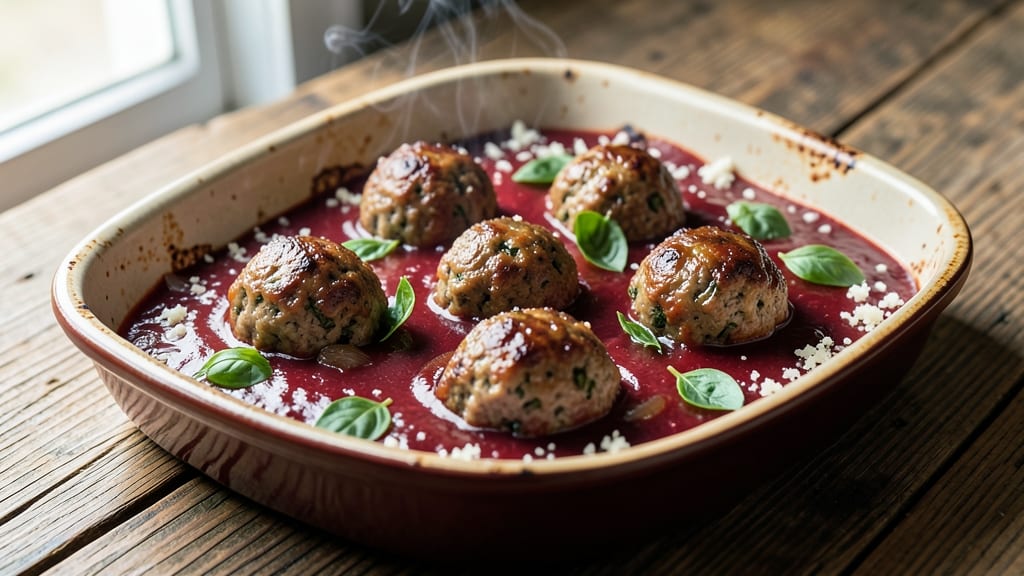
This baked meatball sauce recipe transforms simple ingredients into a deeply flavorful, slow-simmered sauce that clings to every bite of your meatballs.
The secret lies in a three-stage cooking process—first building layers of umami with garlic, onions, and tomato paste, then letting the sauce develop its rich, caramelized depth over low heat.
I created this version after years of testing, and it’s the one that finally earned me compliments even from the most critical Italian nonna in my family.
The sauce starts with a savory base of olive oil, garlic, and onions, where the flavors meld before tomatoes and herbs join the party. A splash of red wine adds brightness, while a touch of sugar balances the acidity—no artificial ingredients, just pure, developed flavor.
The key is patience; letting it simmer uncovered allows the sauce to thicken naturally and concentrate its aroma, creating that restaurant-quality richness you crave.
By the time you’re done, you’ll have a sauce that’s silky yet substantial, with just the right balance of sweetness, acidity, and umami. It’s the kind of sauce that makes your meatballs taste like they’ve been simmering all day—even if you’re short on time.
The best part? It tastes even better the next day, making it perfect for meal prep or freezing for future dinners.
This isn’t just a sauce; it’s the foundation of a memorable meal. Whether you’re serving it over pasta, with crusty bread, or straight from the pot, every spoonful delivers that slow-cooked, comforting flavor that turns a simple dinner into something special. Let’s get cooking—your taste buds will thank you.
Ingredients for baked meatball sauce
Nine essential ingredients for a sauce that tastes like it simmered all day.
| Ingredient | Amount | Notes |
|---|---|---|
| Extra-Virgin Olive Oil 🫒 | ½ cup | High quality, fruity |
| Yellow Onion 🧅 | 1 ½ cups | Finely chopped, about 2 medium |
| Garlic Cloves 🧄 | 6 cloves | Minced for depth |
| Tomato Paste 🍅 | ¼ cup | Smooth, not chunky |
| Canned Crushed Tomatoes 🍅 | 28 oz | San Marzano preferred |
| Dry Red Wine 🍷 | ½ cup | Bold, dry variety |
| Fresh Basil Leaves 🌿 | ½ cup | Packed, stems removed |
| Fresh Oregano Leaves 🍃 | ¼ cup | Chopped, not dried |
| Granulated Sugar 🍚 | 1 tbsp | Balances acidity |
| Salt 🧂 | 1 ½ tsp | Diamond Crystal preferred |
The tomatoes are non-negotiable—San Marzano if you can find it, but any good-quality crushed tomatoes work. I grab mine from Trader Joe's because their canned goods are consistently reliable. The red wine adds that bright, complex layer—Cabernet Sauvignon or Chianti are my go-tos, but whatever's open in your fridge works. Fresh herbs make all the difference here. Basil and oregano should be bright green and fragrant. If you're using dried, cut the amount in half, but honestly, fresh is worth the extra minute to chop.
No red wine? Substitute with beef broth plus a splash of balsamic vinegar—it won't be identical, but it'll still taste great. Running low on basil? Fresh parsley or thyme can stretch it, but reduce to half the amount. The sugar might seem odd, but it's crucial—it balances the acidity from the tomatoes and wine, rounding out the flavors. If you're watching sugar, reduce to 1 teaspoon, but don't skip it entirely. The tomato paste? Those little squeeze tubes from Trader Joe's are perfect—no waste, and they keep forever in the pantry.
This sauce only gets better with time. Let it sit at room temperature for 30 minutes after baking before serving—it'll thicken up nicely. Keeps in the fridge for 5-6 days and freezes beautifully for up to 3 months. I always make a double batch—one for dinner, one for lunches. Portion it into containers so you can grab and reheat without any fuss. The flavors deepen overnight, so leftovers are often the best part.
Why You'll Love This Recipe
- Pantry Powerhouse: I swear by this recipe when my fridge is bare. Just olive oil, onion, garlic, and a can of tomatoes—no fancy ingredients, just pure flavor. The tomato paste gives it that deep, rich base without needing a jar of sauce.
- One-Pot Magic: Honestly, this is my go-to when I don’t want to scrub a million dishes. Sauté the onion and garlic in olive oil, toss in the meatballs, and let the crushed tomatoes and paste do the work. Done in one pot, cleanup in five minutes.
- Weeknight Flex: Between us, this sauce is my secret weapon for busy nights. Serve it over pasta, spoon it into subs, or just eat it straight from the pan—it’s that good. (Yes, even on a Tuesday night when I’d rather microwave something.)
- Budget-Friendly Win: I make this all the time because it’s cheap but feels special. A can of tomatoes and a few cloves of garlic stretch into enough sauce for leftovers, lunches, and still having enough for dinner. No waste, all flavor.
Step-by-step instructions for baked meatball sauce
Let's build a rich, layered sauce that's perfect for baked meatballs—deep flavor with just the right balance.
Sauté Onions and Garlic Until Translucent
Heat the 0.5 cup extra-virgin olive oil in a large, heavy-bottomed pot over medium heat. Add the 1.5 cups finely chopped yellow onion and cook for 8-10 minutes, stirring occasionally, until soft and translucent. You'll know it's ready when the onions release their moisture and begin to caramelize slightly at the edges.
Reduce the heat to medium-low and add the 6 minced garlic cloves. Cook for another 2-3 minutes until fragrant—this ensures the garlic infuses the oil without burning. Here's the thing: if you smell a sharp, bitter aroma, your garlic is burning. Remove the pot from heat immediately if this happens and start over with fresh garlic.
Build the Sauce Base with Tomato Paste and Wine
Return the pot to medium heat and stir in the 0.25 cup tomato paste, breaking up any lumps with a wooden spoon. Cook for 3-4 minutes until the paste darkens slightly and the raw taste disappears. This step develops the sauce's depth—don't rush it.
Pour in the 0.5 cup dry red wine and scrape up any browned bits from the bottom of the pot. These bits, called fond, are packed with flavor. Let the wine simmer for 3-4 minutes until it reduces by half and the alcohol cooks off. You'll notice the sauce thicken slightly and the wine's sharpness mellow.
Simmer Tomatoes and Seasonings for Richness
Add the 28 oz canned crushed tomatoes, 1 tbsp granulated sugar, and 1.5 tsp salt to the pot. Stir well to combine, then increase the heat to medium-high and bring the mixture to a gentle boil. Once boiling, reduce the heat to low and let it simmer uncovered for 30-40 minutes, stirring occasionally.
During this time, the sauce will thicken and deepen in color. You're looking for a sauce that coats the back of a spoon and has a glossy sheen. If it reduces too quickly, add 2-3 tablespoons of water to maintain the right consistency. The sugar helps balance the acidity of the tomatoes, while the salt enhances all the flavors.
Finish with Fresh Herbs for Brightness
Remove the pot from heat and stir in the 0.5 cup fresh basil leaves and 0.25 cup chopped fresh oregano leaves. Let the herbs steep in the warm sauce for 5 minutes, then taste and adjust the seasoning if needed. The fresh herbs add a bright, aromatic finish that cuts through the richness of the tomatoes.
For the best results, let the sauce sit at room temperature for 10-15 minutes before using. This allows the flavors to meld even further. If you're making it ahead, store it in an airtight container in the refrigerator for up to 3 days or freeze it for up to 3 months. When reheating, warm it gently on the stove to preserve its texture.
Pro Tips For Making Baked Meatball Sauce
- Sweat the Onion First: I learned this the hard way—skipping the slow cook in olive oil means you’ll taste raw onion in your sauce. Dice the onion small, cook it on medium-low for 8-10 minutes until it’s soft and translucent, and let that oil get golden. That’s when the flavor actually develops, not when it’s still crunchy.
- Toast the Tomato Paste: Don’t just dump it in. Use 1 tablespoon of olive oil to fry the tomato paste for 2-3 minutes until it darkens slightly—it deepens the umami and cuts the metallic taste. Stir constantly or it’ll stick and burn, and nobody has time for that.
- Simmer the Sauce Low: After adding crushed tomatoes, resist the urge to crank the heat. A gentle simmer (barely bubbling) for 20-25 minutes lets the flavors meld without breaking down the texture. I used to rush it, and the sauce always tasted thin and sad.
- Deglaze with a Splash of Water: When the onions and garlic are done, splash in ¼ cup water and scrape the bottom of the pan—this lifts all the stuck-on flavor. It’s the easiest way to make sure you’re not missing out on the best parts of the pan sauce. (Yes, even if you’re impatient like me.)
Perfect pairings for this recipe
Pasta Pairings
This rich sauce is a match made in heaven with short, sturdy pasta shapes like rigatoni or penne. The sauce clings beautifully to the ridges, creating that perfect bite.
I love tossing 12 oz pasta with ½ cup reserved sauce before adding the meatballs—this ensures every forkful is packed with flavor. For a lighter option, try whole wheat spaghetti or bucatini—both hold up well to the sauce's depth. 🍝
Bread Options
Serve this sauce with garlic bread or focaccia for a hands-on experience that soaks up every last drop. I recommend toasting a 1-inch thick baguette slice with 2 tbsp olive oil and 1 minced garlic clove, then brushing with extra sauce.
For a heartier option, use grilled ciabatta—its airy texture contrasts perfectly with the sauce's richness. A sprinkle of Parmesan cheese adds a salty crunch.
Protein Additions
While this sauce is designed for baked meatballs, it pairs wonderfully with other proteins. Try serving it over shredded chicken for a lighter meal or with sausage slices for extra heartiness.
I once made a quick meatball sub using hoagie rolls and provolone cheese, and it became an instant family favorite. The sauce's depth complements grilled shrimp skewers too—just toss them in warm sauce for a few minutes before serving. 🍗
Vegetable Sides
Balance the richness with bright, fresh vegetables. A simple arugula salad with lemon vinaigrette cuts through the sauce's intensity beautifully. For a warm option, try roasted zucchini or asparagus spears—toss them in olive oil, salt, and pepper and roast at 400°F for 15 minutes.
Steamed broccolini with a drizzle of balsamic glaze adds a touch of sweetness that enhances the sauce's umami notes.
Cheese Enhancements
Finish your dish with a sprinkle of freshly grated Parmesan or Pecorino Romano for a salty, nutty contrast. For a creamy twist, stir in ¼ cup ricotta cheese or dollop it on top before serving.
I also love adding crumbled feta to the sauce in the final minutes of simmering—it adds a tangy brightness that balances the richness. A few sun-dried tomato slices scattered on top add another layer of depth. 🧀
Wine Pairings
An Italian red wine like Chianti or Montepulciano d'Abruzzo complements this sauce perfectly with its bright acidity and earthy notes. For a lighter option, try a Pinot Noir—its delicate fruitiness won’t overpower the dish.
If you prefer white wine, a crisp Vermentino from Sardinia works surprisingly well. For beer lovers, a Belgian witbier with its citrusy notes provides a refreshing contrast. 🍷
Nutrition facts
Frequently asked questions
Can I make this sauce without red wine?
For a non-alcoholic version, replace the 0.5 cup red wine with 0.5 cup beef broth plus 1 tbsp balsamic vinegar. This keeps the sauce's depth and acidity balance. The broth adds umami while the vinegar mimics the wine's brightness. If you prefer a sweeter profile, add an extra ½ tsp sugar to compensate for the missing wine.
How do I adjust the sauce consistency?
If your sauce is too thin, simmer uncovered for 10-15 extra minutes to let the moisture evaporate. For a thicker texture, mix 1 tbsp cornstarch with 2 tbsp cold water and stir it into the simmering sauce. Cook for 2-3 minutes until it thickens. Too thick? Thin with 1-2 tbsp water or broth while stirring constantly to prevent clumping.
Can I use dried herbs instead of fresh?
Yes, but reduce the amount by half. For the 0.5 cup fresh basil, use 1 tbsp dried basil, and for the 0.25 cup fresh oregano, use 1 tsp dried oregano. Dried herbs are more concentrated, so they pack the same punch with less volume. Add them at the end of cooking to avoid overpowering the sauce with bitterness.
What's the best way to reheat leftovers?
Gently reheat on the stove over low heat for 5-7 minutes, stirring occasionally. Avoid microwaving as it can make the sauce watery. For best results, transfer the sauce to a saucepan with 1-2 tbsp water or broth to help restore its original texture. If the sauce seems too thick after reheating, thin it with a splash of water or pasta water.
Can I use this sauce for other dishes?
This versatile sauce works beautifully for lasagna, ravioli, or as a dipping sauce for crusty bread. For lasagna, spread it between layers of noodles and cheese. For ravioli, toss them in warm sauce with a sprinkle of Parmesan. The rich flavor also pairs well with polenta or mashed potatoes—just add a splash of cream to loosen the sauce slightly.