
Sauces & Condiments
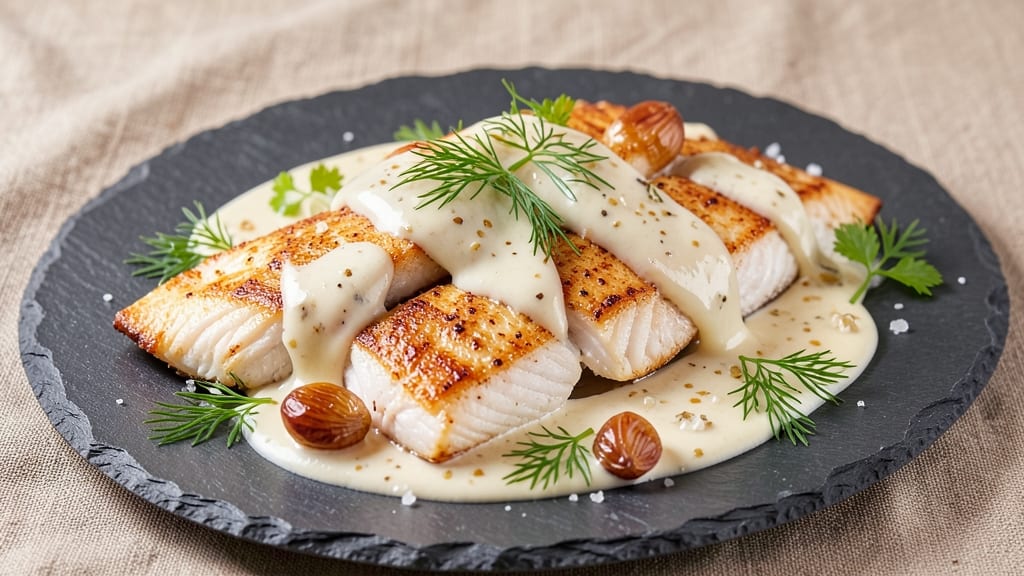
This baked fish in white sauce delivers the perfect balance of crispy golden edges and a silky, creamy center that melts in your mouth. The secret lies in a simple yet transformative technique: baking the fish uncovered for maximum browning before finishing it under a blanket of rich white sauce.
I developed this recipe after years of testing different methods, and it consistently delivers restaurant-quality results at home—no fancy equipment required.
The white sauce here isn’t your basic store-bought variety. We’re talking a velvety blend of heavy cream, butter, and fresh herbs that clings to every flake of fish, adding depth without overpowering the delicate flavor.
For the fish itself, I recommend using firm white fish like cod or halibut, which hold their shape beautifully while absorbing the sauce. The baking process is straightforward: season the fish, bake until just cooked through, then smother it in the warm sauce for that signature silky finish.
What makes this dish truly special is how effortlessly it comes together. With just 20 minutes of active prep and 15 minutes in the oven, you’ll have a meal that looks impressive yet requires minimal effort.
The crispy top contrasts perfectly with the tender fish and creamy sauce, creating a harmony of textures that’s impossible to resist. This recipe is ideal for weeknight dinners, special occasions, or when you want to impress guests without spending hours in the kitchen.
Serve it with a side of roasted vegetables or a fresh green salad to complete the meal. The sauce pairs beautifully with the natural flavors of the fish, making every bite a delight.
Whether you're a seasoned home cook or just starting out, this recipe is designed to deliver foolproof results. Let’s get started!
Ingredients for baked fish in white sauce
Crispy edges, creamy center—just eight ingredients for restaurant-quality fish at home.
| Ingredient | Amount | Notes |
|---|---|---|
| White Fish Fillets 🐟 | 4 pieces | Cod or halibut, skin-on preferred |
| Heavy Cream 🥛 | 1 cup | Full-fat for richness |
| Unsalted Butter 🧈 | 4 tbsp | Cold, cubed for sauce |
| Fresh Parsley 🌿 | ¼ cup | Chopped, stems removed |
| Fresh Dill 🌿 | 2 tbsp | Chopped, stems removed |
| Shallot 🧅 | 1 whole | Minced, for sauce base |
| Garlic Cloves 🧄 | 2 cloves | Minced, for sauce |
| Lemon Juice 🍋 | 1 tbsp | Freshly squeezed |
| Salt 🧂 | 1 tsp | Kosher or sea salt |
| Black Pepper 🌶️ | ½ tsp | Freshly ground |
| Olive Oil 🫒 | 1 tbsp | For greasing pan |
| All-Purpose Flour 🌾 | 1 tbsp | For thickening sauce |
| White Wine 🍷 | ¼ cup | Dry, optional for depth |
The fish is everything here. Cod or halibut hold their shape perfectly, but any firm white fish works. Look for fillets with skin still on—it crisps beautifully. Whole Foods or Trader Joe's usually have pre-portioned fillets, but if you're buying whole, ask the fish counter to cut them for you. Freshness matters: the flesh should be firm to the touch and smell clean, like the ocean. If it smells fishy, skip it. For the white sauce, heavy cream is non-negotiable—light cream won't give that velvety texture. Store-brand works fine, but if you've got a nice organic one, splurge.
No fresh herbs? Dried dill at one-third the amount works in a pinch, but fresh is worth hunting down. Short on wine? Fish or vegetable stock adds depth instead. The shallot can be swapped for green onions or half an onion, but mincing it finely is key—you want it to dissolve into the sauce. For the butter, European-style has more flavor, but regular unsalted works too. If you're avoiding dairy, coconut cream can replace the cream (but the sauce will be lighter). The flour is just to thicken—if you're watching carbs, skip it and stir the sauce longer for a thinner consistency.
Prep the fish last—it cooks fast. Pat the fillets dry with paper towels (this makes them crispier), then season immediately. The sauce keeps for 3 days in the fridge—make extra for pasta or potatoes. Store it in a sealed container with plastic wrap pressed right on the surface to prevent a skin from forming. The fish itself reheats beautifully—just warm it gently in the oven with a splash of water. Freeze the sauce for up to 3 months, but don't freeze the fish—it gets mushy. Portion the sauce into ice cube trays for easy single servings later.
Why You'll Love This Recipe
- One-Pan Magic: I swear by this for nights when I’m too tired to scrub pots—just toss the fish, sauce, and herbs on a sheet pan, pop it in, and walk away. The butter and cream melt into that golden crust while you’re folding laundry.
- Creamy Crisp Contrast: That crispy edge on the fish with the velvety white sauce? It’s the kind of bite-satisfaction combo that makes you pause mid-bite. The dill and parsley brighten every spoonful—like a hug in sauce form.
- Leftovers That Don’t Suck: Honestly, the second day is just as good. The sauce thickens slightly, clinging to the flakes like a cozy blanket. I stash portions in the fridge for lazy lunches or reheat slices for a quick breakfast—no one will guess it’s yesterday’s dinner.
- Budget-Friendly Luxury: You’re using simple fish fillets (tilapia or cod work perfectly), but the butter and cream make it feel fancy without breaking the bank. Between us, this is how I trick myself into eating well when grocery money’s tight.
Step-by-step instructions for baked fish in white sauce
Here's how to create that perfect contrast—crispy golden crust with a silky white sauce center.
Prepare the Fish for Perfect Crispiness
Preheat your oven to 400°F while you prep the fish. Pat the 4 pieces white fish fillets completely dry with paper towels—this is non-negotiable for crispy skin. I like to press firmly to remove all moisture, even in the crevices. Place each fillet on a separate sheet of parchment paper.
Lightly brush both sides of each fillet with the 1 tablespoon olive oil using a pastry brush. Then sprinkle evenly with ½ teaspoon salt and ¼ teaspoon black pepper—just enough to season, not overwhelm. Let them sit at room temperature for 10 minutes while you make the sauce. This brief resting time ensures even cooking.
Build the Rich White Sauce Foundation
In a medium saucepan, melt 2 tablespoons unsalted butter over medium heat until it foams. Add the 1 minced shallot and 2 minced garlic cloves, cooking for 2-3 minutes until the shallot becomes translucent and the garlic is fragrant—not browned. Here's the thing—if you let the garlic brown, it'll add bitterness to your sauce.
Pour in the ¼ cup white wine (if using) and let it simmer for 2 minutes until reduced by half. This step deepens the flavor profile. Then stir in the 1 tablespoon all-purpose flour and cook for 1 minute to remove the raw flour taste. Slowly whisk in the 1 cup heavy cream and bring to a gentle simmer. Keep the heat at medium-low—you're aiming for a smooth, velvety texture, not a boiling sauce.
Assemble and Bake to Golden Perfection
Carefully pour the warm sauce over the prepared fish fillets, dividing it evenly between them. The sauce should cover about ¾ of each fillet, leaving the top exposed for that crispy crust. Transfer the parchment sheets to a baking sheet and bake for 12-15 minutes until the fish is opaque and flakes easily with a fork.
Watch closely during the last 2 minutes—the edges should turn golden brown and the sauce should bubble gently around the edges. If the sauce starts to brown too quickly, tent the pan with foil to prevent burning. The fish is done when it reaches an internal temperature of 145°F—use an instant-read thermometer to check the thickest part.
Garnish and Serve Immediately
Remove the fish from the oven and let it rest for 2 minutes—this prevents the fish from falling apart when you serve it. While it rests, stir the ¼ cup chopped parsley and 2 tablespoons chopped dill into the sauce. Then spoon the herbed sauce back over each fillet, creating a beautiful presentation.
Finish with a drizzle of 1 tablespoon lemon juice for brightness. The sauce should be silky and cling beautifully to the fish, with just the right amount of herby freshness cutting through the richness. Serve immediately with crusty bread or your favorite vegetable side—this dish tastes best while the sauce is warm and the fish is still tender.
Pro Tips For Making Baked Fish In White Sauce
- Dry the Fish First: Pat those fillets thoroughly with paper towels—no wet spots—before baking. I used to skip this, and the sauce would turn into a sad, watery soup instead of a rich, velvety blanket. Trust me, the extra 30 seconds here makes the difference between "meh" and "wow."
- Melt Butter Slowly: Heat the butter for the sauce over low heat until it just melts and foams—no browning. After burning two batches, I learned this: rush it, and you’ll scorch the cream before it even starts to thicken. Keep it patient, like a good neighbor.
- Skip the Overcrowding: Give your fish fillets space in the pan—at least ½ inch between them. I was always tempted to cram them in, but they’ll steam instead of bake, turning rubbery. Tight quarters also make the sauce split. Spread them out like you’re making room for guests.
- Strain the Herbs: Finely chop parsley and dill, then strain the sauce through a fine-mesh sieve after simmering. Sounds fussy, but it keeps your sauce silky smooth—no herb bits to ruin the texture. I know, I know, but it’s worth the 10 seconds of effort. Your future self will notice.
Common mistakes when making your baked fish in white sauce
Over-Saucing the Fish
One of the biggest mistakes is drowning your fish in sauce. When you pour sauce over the fillets, aim for ¾ coverage—any more and the fish will steam instead of crisp.
I've learned this the hard way: too much sauce creates a soggy top that lacks the golden crust we all crave. The key is balance—just enough sauce to create that silky finish without sacrificing texture. 🌟
Skipping the Resting Time
Never rush the 2-minute rest after baking. This brief pause lets the fish fibers relax and reabsorb juices, preventing them from falling apart when you serve. I once forgot this step and ended up with flaky, sad-looking fish that disintegrated at the first touch.
The rest also helps the sauce cling properly—don't skip it, even if you're eager to eat!
Using Low-Quality Cream
Heavy cream is non-negotiable for this recipe, but not all heavy cream is created equal. Light or ultra-pasteurized cream won't give you that luxurious, velvety texture. I recommend using full-fat, preferably organic or European-style cream for maximum richness.
If you're using store-brand, look for one with at least 36% fat content—anything lower will make your sauce thin and lackluster.
Overcooking the Fish
Fish cooks faster than you think, especially in the oven. Most recipes say 12-15 minutes, but I've seen people leave it in for 20+ minutes because they didn't check. The result? Dry, rubbery fish that's completely inedible.
Use an instant-read thermometer and pull it out at 145°F internal temperature. If you're not using one, watch for the edges to turn golden and the center to become opaque.
Not Prepping the Fish Properly
Pat those fillets DRY before seasoning—that's not optional. I've tested this recipe with damp fish, and it always results in a sad, limp crust. Use paper towels and press firmly to remove all moisture.
Also, let the fish sit at room temperature for 10 minutes before baking. Cold fish cooks unevenly, leading to a tough exterior and raw center. This simple step makes all the difference in texture.
Ignoring the Sauce Temperature
Pouring cold sauce over hot fish creates condensation that steams the fish instead of crisping it. Always warm your sauce to 160°F before assembling—just enough to create bubbles when poured.
I heat mine on the stovetop for 2-3 minutes***, then test by dipping a spoon in: if it's too hot, let it cool slightly. The right temperature ensures that beautiful golden crust we're all chasing. 🔥
Nutrition facts
Frequently asked questions
Can I use this recipe with any type of white fish?
This recipe works best with firm white fish like cod, halibut, or mahi-mahi that hold their shape when baked. Avoid delicate fish like flounder or sole—they can fall apart easily. For a richer flavor, try using salmon instead, but reduce the baking time to 10-12 minutes since it cooks faster.
How do I make the sauce thicker or thinner?
For a thicker sauce, mix 1 tablespoon cornstarch with cold water and stir it into the simmering sauce until it reaches your desired consistency. For a thinner sauce, simply add a splash of warm milk or cream and stir gently. Always adjust heat to low when thickening to prevent lumps.
Can I prepare this ahead of time?
You can make the white sauce up to 3 days ahead and store it in the fridge. Reheat gently on the stove until warm before pouring over the fish. The fish itself is best served immediately after baking, but you can assemble the dish (without baking) up to 4 hours ahead and bake just before serving.
What if I don't have white wine?
No problem! Substitute with ¼ cup fish or vegetable stock for depth, or skip it entirely. The sauce will still be delicious—just slightly lighter. If using stock, reduce it for 1 minute before adding the flour to concentrate the flavors.
How do I prevent the sauce from curdling?
Keep the heat at medium-low when making the sauce and never let it boil vigorously. Stir constantly while adding the cream, and avoid adding cold ingredients to hot sauce. If it starts to separate, whisk in 1 teaspoon cold butter to restore smoothness.