
Sauces & Condiments
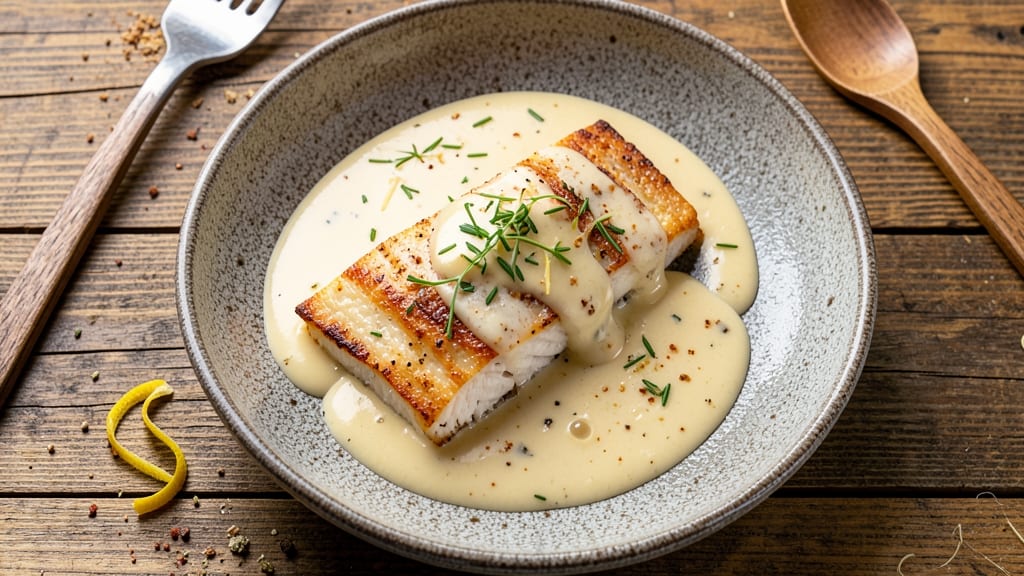
Baked fish in cheese sauce transforms simple weeknight dinners into a restaurant-worthy meal with minimal effort. The secret lies in creating a golden, crispy cheese topping that encases tender fish fillets, delivering a texture contrast that's impossible to resist. This recipe delivers foolproof results every time, whether you're cooking for two or feeding a crowd.
The process begins with a simple yet flavorful cheese sauce—creamy, tangy, and perfectly balanced—that blankets the fish while baking. We use a combination of sharp cheddar and cream cheese for richness, with a touch of mustard to prevent curdling.
The sauce isn't just a topping; it's the star that elevates the dish from ordinary to extraordinary.
By the time it emerges from the oven, your fish will have a crispy cheese crust that shatters with every bite, hiding perfectly tender fish beneath. The sauce remains velvety smooth, clinging to each flake and creating a harmonious blend of textures.
This dish pairs beautifully with roasted vegetables or a simple green salad, making it a complete, satisfying meal.
What makes this recipe truly special is its versatility—it works with any white fish fillet, from cod to tilapia, and can be adapted to suit your favorite flavors. The technique is straightforward, ensuring you'll achieve professional-quality results without the fuss. Let's get started on creating this comforting, cheesy delight.
Ingredients for baked fish in cheese sauce
Four fish fillets and a handful of pantry staples create this restaurant-worthy cheesy delight.
| Ingredient | Amount | Notes |
|---|---|---|
| White Fish Fillets 🐟 | 4 whole | Cod, tilapia, or halibut preferred |
| Sharp Cheddar Cheese 🧀 | 1 ½ cups | Freshly grated, sharp variety |
| Cream Cheese 🧈 | 8 oz | Full-fat for best texture |
| All-Purpose Flour 🌾 | 2 tbsp | For thickening sauce |
| Dijon Mustard 🌶️ | 1 tbsp | Prevents cheese curdling |
| Milk 🥛 | ½ cup | Whole milk preferred |
| Garlic Cloves 🧄 | 2 cloves | Minced for depth of flavor |
| Lemon Juice 🍋 | 1 tbsp | Freshly squeezed |
| Butter 🧈 | 2 tbsp | Unsalted, for richness |
| Breadcrumbs 🍞 | ½ cup | Panko for extra crispiness |
| Salt 🧂 | 1 tsp | Kosher or sea salt |
| Black Pepper 🌶️ | ½ tsp | Freshly ground preferred |
| Dried Parsley 🌿 | 1 tbsp | For garnish |
| Olive Oil 🫒 | 1 tbsp | For greasing baking dish |
The fish is your canvas here—cod or halibut stay firm during baking, but tilapia works too. Look for fillets with even thickness (about 1-inch) for consistent cooking. Whole Foods or your local fishmonger usually have the freshest cuts, but the frozen section at Kroger or Walmart has solid options too. Pat them dry with paper towels before baking—this helps the cheese crust adhere better. If you're using frozen fillets, thaw them overnight in the fridge (never at room temperature). The cheese sauce is where the magic happens—sharp cheddar gives that tangy kick, while cream cheese adds richness. Kraft sharp cheddar is my go-to for grating, but any sharp variety works.
No sharp cheddar? Parmesan mixed with mild cheddar gets you close. Running out of cream cheese? Substitute with an extra 0.5 cup of milk and 1 tbsp cornstarch to thicken. The Dijon mustard is non-negotiable—it keeps the cheese from curdling (trust me on this). No panko breadcrumbs? Regular breadcrumbs work fine, but you'll miss that extra crunch. The milk can be any kind, but whole milk gives the sauce the creamiest texture. For extra flavor, add a pinch of smoked paprika or a dash of hot sauce to the sauce—it's a game-changer. If you're feeling fancy, top with fresh parsley or a sprinkle of red pepper flakes before baking.
This dish reheats beautifully—just cover with foil and warm in the oven for 5-10 minutes. Store leftovers in an airtight container for up to 3 days in the fridge, or freeze for 2 months (the cheese stays creamy when reheated). I always make a double batch because it disappears fast. The sauce thickens as it cools, so if it seems too thick when you first make it, stir in a splash of milk. For serving, a side of roasted asparagus or a simple arugula salad cuts through the richness perfectly.
Why You'll Love This Recipe
- This dish works for everything: a quick Tuesday dinner, a last-minute potluck, or even a fancy-ish lunch with crusty bread. Between us, I’ve served it at book club meetings, and no one batted an eye. The sauce reheats beautifully, so it’s my go-to for feeding crowds without slaving away.
- One-Pan Magic: I swear by this recipe for lazy nights—just toss the fish, sauce, and herbs on a sheet pan, pop it in the oven, and walk away. No pots, no pans, no stress. The flour-thickened cheese sauce clings perfectly to the flakes, and honestly? The cleanup is just rinsing one pan.
- Cheese Sauce Dream: That tangy Dijon mustard cutting through the sharp cheddar and creamy cheese is chef’s kiss. The sauce caramelizes just enough on top while staying silky underneath—like a hug for your taste buds. My picky-eating husband devours this faster than anything else I make.
- Weeknight to Potluck: This dish works for everything: a quick Tuesday dinner, a last-minute potluck, or even a fancy-ish lunch with crusty bread. Between us, I’ve served it at book club meetings, and no one batted an eye. The sauce reheats beautifully, so it’s my go-to for feeding crowds without slaving away.
Step-by-step instructions for baked fish in cheese sauce
Here's how to create that perfect golden crust and creamy cheese blanket every time.
Prepare the Cheese Sauce Mixture
In a medium bowl, combine the 1.5 cups sharp cheddar cheese, 8 oz cream cheese, 2 tbsp all-purpose flour, 1 tbsp Dijon mustard, 0.5 cup milk, 2 cloves minced garlic, and 1 tbsp lemon juice. Mix until smooth and fully incorporated—this prevents any grainy texture in your sauce. I like to use a hand mixer for this step to ensure everything blends evenly.
The Dijon mustard is key here—it helps prevent the cheese from curdling when baked. If the mixture looks too thick, add 1-2 teaspoons of milk at a time until it reaches a smooth, pourable consistency. Cover and set aside while you prepare the fish—this gives the flavors time to meld together.
Season and Coat the Fish Fillets
Pat each of the 4 whole white fish fillets completely dry with paper towels. Season both sides generously with 1 tsp salt and 0.5 tsp black pepper, pressing the seasoning into the flesh so it adheres well. This step is crucial for developing flavor and ensuring the crust forms properly.
Place the seasoned fillets in a shallow dish and pour the cheese sauce mixture over them, coating each fillet completely. Let them sit for 5 minutes while you prepare the breadcrumb topping. This marinating time allows the fish to absorb some of the cheese flavor before baking.
Create the Crispy Breadcrumb Topping
In a small bowl, mix together the 0.5 cup breadcrumbs, 2 tbsp melted butter, and 1 tbsp dried parsley. The breadcrumbs should look evenly moistened but not wet—if needed, add 1 teaspoon of milk to help them bind together. This topping is what creates that irresistible crispy crust we're after.
Spoon the breadcrumb mixture evenly over each fish fillet, pressing down gently to help it adhere. The butter in the topping adds richness and helps create that beautiful golden-brown crust when baked. If you're using panko breadcrumbs, they'll naturally puff up more for extra crunch.
Bake to Golden Perfection
Preheat your oven to 375°F. Grease a baking dish with 1 tbsp olive oil and arrange the fish fillets in a single layer. Bake for 15-18 minutes until the edges are deep golden brown and the cheese is fully melted and bubbly. The fish should be opaque throughout with no translucent areas.
Here's where it gets tricky—I like to broil for the final 2-3 minutes to get that extra crispy crust. Watch closely during broiling to prevent burning. The cheese should be melted completely with a golden, slightly crispy top that's irresistible to pick at.
Rest and Serve Immediately
Remove the fish from the oven and let it rest for 3-5 minutes before serving. This resting time allows the cheese to set slightly and makes it easier to plate without losing that beautiful melted texture. The fish should be tender enough to flake easily with a fork but still hold together.
Garnish with additional dried parsley if desired and serve immediately with your favorite sides. The contrast of the crispy cheese crust with the tender, flaky fish is what makes this dish so special. Each bite should deliver that perfect combination of creamy cheese and crispy topping with the delicate flavor of the fish underneath.
Pro Tips For Making Baked Fish In Cheese Sauce
- Dry the Fish First: Pat those fillets thoroughly—not just the top, but the sides and bottom—with paper towels. Wet fish steams instead of browning, and you’ll end up with sad, soggy cheese sauce. I learned this the hard way when my first batch came out tasting like a fishy milkshake.
- Pre-Cook the Flour Slurry: Mix your flour and cold water into a smooth paste before adding cream or cheese—then gently heat it in a small saucepan for 2-3 minutes until it thickens. This keeps the sauce from breaking when you add the cheese later, and it’s way easier to stir than trying to fix a lumpy mess mid-bake.
- Skip the Overmixing: Once the cheese melts into the sauce, stir just until combined—no need to whip it like you’re making mashed potatoes. Overworking it turns the sauce grainy, and you’ll end up with a texture closer to cottage cheese than creamy perfection.
- Bake at 375°F, Not Higher: The cheese sauce needs time to set properly, and anything above 400°F will make the top burn before the center melts. Trust me, I’ve turned golden cheese crusts into sad, rubbery messes by rushing it—just let it bake until the edges are bubbly and the center is just set, about 20-25 minutes.
Creative variations of this recipe
Cheesy Baked Fish Fusion
Swap the classic cheese sauce for a creamy Alfredo-inspired version by replacing the cheddar with 1.5 cups grated Parmesan and 4 oz cream cheese. Add ½ cup heavy cream> and 1 tbsp lemon zest> to the sauce for a bright, rich twist.
Top with crushed garlic breadcrumbs instead of panko for extra depth. 🍝
Spicy Cajun Cheese Crust
Kick up the heat by mixing 1 tsp Cajun seasoning> (like Tony Chachere's) into your cheese sauce before coating the fish. For the topping, combine ½ cup panko> with 1 tbsp melted butter> and ½ tsp smoked paprika>.
Bake as directed, but broil for an extra 2 minutes> to intensify the flavors. Serve with a cooling side of mango avocado salsa to balance the heat.
Lemon Herb Cheese Twist
Brighten the dish with a zesty lemon-herb variation by adding 2 tbsp fresh lemon juice> and 1 tbsp chopped fresh dill> to the cheese sauce.
For the topping, mix ½ cup crushed cornflakes> (for extra crunch) with 2 tbsp melted butter> and 1 tbsp chopped parsley>. This version pairs beautifully with roasted asparagus and a crisp white wine.
Buffalo Blue Cheese Sauce
For a bold, tangy flavor, replace the cheddar with 1 cup crumbled blue cheese> and ½ cup cream cheese>. Stir in ¼ cup hot sauce> (like Frank's RedHot) and 1 tbsp melted butter> to the sauce.
Top with crushed buttery Ritz crackers for a crispy finish. Serve with celery sticks and ranch dressing for dipping. 🌶️
Mediterranean Feta Crust
Transform the dish into a Mediterranean-inspired version by mixing 1 cup crumbled feta> with ½ cup cream cheese> and 1 tbsp dried oregano> in the sauce.
For the topping, combine ½ cup crushed pistachios> with 2 tbsp melted butter> and 1 tbsp chopped sun-dried tomatoes>. Bake as usual, but finish with a drizzle of olive oil and extra sun-dried tomatoes for a burst of flavor.
Gluten-Free Crispy Topping
For a gluten-free option, replace the breadcrumbs with ½ cup crushed gluten-free cornflakes> or almond flour>. Mix with 2 tbsp melted butter> and 1 tbsp grated Parmesan> for the topping.
This version still delivers that satisfying crunch while keeping the dish inclusive for those with gluten sensitivities. ✨
Nutrition facts
Frequently asked questions
Can I use frozen fish fillets for this recipe?
Yes, but thaw them properly first! Place frozen fillets in a sealed bag and submerge in cold water for 30-45 minutes or thaw overnight in the fridge. Never use warm water—it promotes bacteria growth. Pat completely dry before seasoning to ensure the cheese crust adheres properly.
Why did my cheese sauce get grainy?
Graininess usually happens when cheese isn't fully melted or the sauce cools too quickly. Always use room-temperature cheese and mix it with warm milk (not boiling). If your sauce thickens too much, whisk in 1-2 teaspoons of milk at a time. The Dijon mustard helps prevent curdling, so never skip it!
What's the best fish for this recipe?
Firm white fish works best—try cod, halibut, or mahi-mahi for perfect texture. Tilapia or haddock also work well. Avoid delicate fish like flounder, which can fall apart. Look for fillets with even thickness (1-inch) for consistent baking. Freshness matters most—aim for fish that smells clean and has firm flesh.
Can I make this ahead of time?
Assemble the dish up to 24 hours ahead and refrigerate uncovered. When ready to bake, add 5-10 extra minutes to the baking time (cover with foil for the first 10 minutes to prevent over-browning). For make-ahead convenience, prepare the cheese sauce and store it separately—mix with fish just before baking.
How do I prevent the cheese from burning?
Watch closely during the final 2-3 minutes of broiling—that's when burning happens fastest. If the top browns too quickly, cover with foil and return to regular baking. For extra insurance, bake at 350°F instead of 375°F and skip the broiler entirely. A light spray of cooking oil on the breadcrumb topping also helps create a barrier.