
Sauces & Condiments
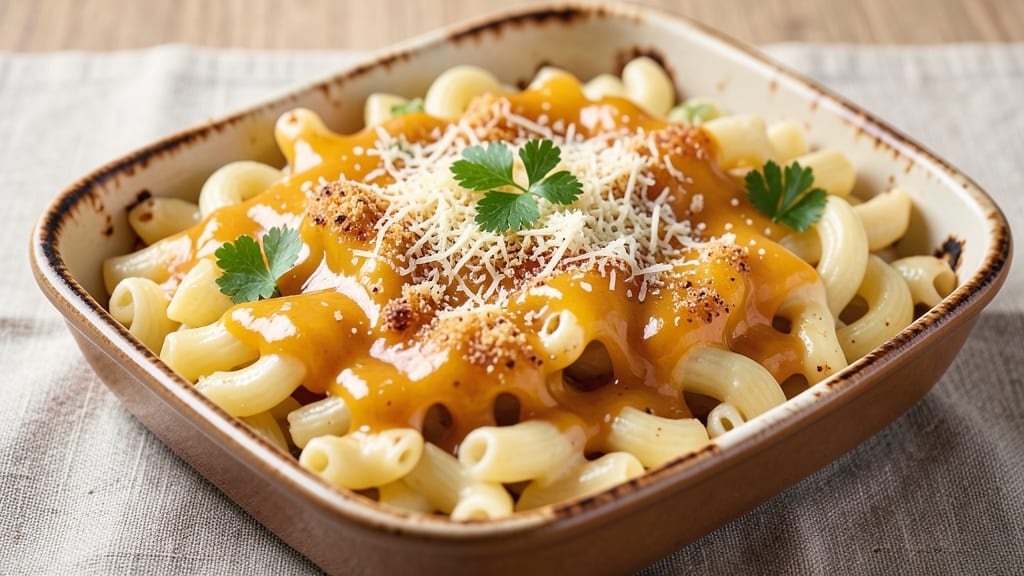
This bake macaroni sauce recipe delivers the comforting, golden perfection you remember from childhood—creamy sauce bubbling over tender pasta, all baked to crispy, cheesy bliss in one dish. The secret lies in a rich béchamel base that clings to every noodle while forming that signature bubble-top crust.
I’ve perfected this method after years of trial and error, ensuring the sauce stays velvety smooth even after baking, with just the right crispness at the edges.
What sets this recipe apart is the balance of simplicity and restaurant-quality results. You’ll start with elbow macaroni boiled to al dente perfection, then combine it with a velvety cheese sauce made from butter, flour, and milk—no shortcuts here.
The key technique is baking it uncovered at high heat, which transforms the top into a golden, bubbly blanket while keeping the pasta tender underneath. It’s the kind of dish that feels indulgent but comes together in under 45 minutes.
By the time it emerges from the oven, you’ll have a casserole with ultra-creamy sauce, crispy edges, and a sauce so rich it clings to every bite.
The aroma alone will have everyone gathering around the table, and the first forkful delivers that perfect harmony of tender pasta and melty cheese. This is comfort food at its finest—easy enough for weeknights but impressive enough for company.
The beauty of this recipe is its versatility. Swap out the cheese for vegetarian options, add vegetables for extra nutrition, or keep it classic with just the essentials. Leftovers reheat beautifully, making it ideal for meal prep. Here’s how to create this timeless dish that always delivers.
Ingredients for bake macaroni sauce
Here’s the core lineup for that perfect golden bubble-top macaroni bake—creamy, crisp, and impossible to resist.
| Ingredient | Amount | Notes |
|---|---|---|
| Elbow Macaroni 🍝 | 12 oz | Al dente, uncooked weight |
| Unsalted Butter 🧈 | ½ cup | Cold, cubed for béchamel |
| All-Purpose Flour 🌾 | ½ cup | Sifted for smooth sauce |
| Whole Milk 🥛 | 2 cups | Full-fat for creaminess |
| Sharp Cheddar Cheese 🧀 | 1 ½ cups | Shredded, block preferred |
| Parmesan Cheese 🧀 | ½ cup | Freshly grated, nutty |
| Garlic Cloves 🧄 | 2 cloves | Minced for béchamel |
| Salt 🧂 | 1 ½ tsp | Kosher or sea salt |
| Black Pepper 🌶️ | ½ tsp | Freshly ground preferred |
| Dried Mustard 🌿 | ½ tsp | For subtle depth |
| Dried Oregano 🍃 | ¼ tsp | Italian preferred |
| Vegetable Oil 🫒 | 1 tbsp | For greasing baking dish |
| Breadcrumbs 🍞 | ¼ cup | Panko for extra crunch |
The cheese is non-negotiable here. Sharp cheddar gives that signature tang, while freshly grated Parmesan adds nutty depth. Skip the pre-shredded stuff—it’s packed with anti-caking agents that make the sauce grainy. For the best quality, grab a block of Cabot or Tillamook cheddar from the dairy case. The butter should be cold when you start the béchamel—this prevents lumps and ensures that rich, velvety texture. If your kitchen runs warm, chill the bowl before mixing. The elbow macaroni? Barilla or De Cecco are my go-tos—they hold up perfectly during baking without turning mushy.
No sharp cheddar? Monterey Jack or pepper jack work in a pinch, though the flavor will be milder. Running low on Parmesan? Nutritional yeast adds a cheesy umami punch without the dairy. The dried mustard and oregano might seem minor, but they’re what elevate this from basic to restaurant-quality. Penzeys or Spicewalla have great pre-measured spice blends if you want to skip measuring. For the béchamel, if you accidentally overcook the flour, just whisk in a splash of cold milk to cool it down—this keeps the sauce smooth. The breadcrumbs can be omitted if you prefer a softer top, but trust me on the panko—it adds that perfect crunch.
This casserole tastes even better the next day, so make a double batch if you can. Store leftovers covered in the fridge for up to 4 days—the sauce gets richer overnight. For freezing, portion into individual servings and reheat straight from frozen in the oven at 375°F for 20-25 minutes. The key to reheating? Cover loosely with foil to let the top crisp up again. I always bake mine in a 9x13-inch glass dish—it conducts heat evenly and makes the golden crust even prettier. And if anyone asks, the secret to that perfect bubble top? Baking uncovered at high heat for the last 10 minutes—don’t peek!
Why You'll Love This Recipe
- No Boil Needed: I swear by this baked version—just toss the macaroni with butter, flour, and milk, then bake until golden. No pot to scrub, no pasta strainer drama.
- Cheesy Magic: That sharp cheddar melts into a glossy, stretchy sauce that clings to every noodle. Honestly, the first bite makes the whole recipe worth it.
- Lunchbox Hero: Between us, this is my go-to for school lunches or office meals. Pack it warm or cold—it reheats like a dream and kids actually eat it.
- Budget Stretch: Four ingredients, one pan, zero waste. I’ve fed six people for under $8 with this—leftovers? Even better the next day, if there are any.
Step-by-step instructions for baked macaroni with ultra-creamy sauce
Master this technique and you'll achieve that signature creamy sauce with golden bubbles every time.
Cook the Macaroni to Al Dente Perfection
Bring a large pot of water to a rolling boil and add 1 tablespoon vegetable oil to prevent sticking. Add the 12 oz elbow macaroni and cook according to package directions until 1 minute shy of al dente—the pasta should have a slight bite when you test it. Drain immediately and set aside, reserving 1 cup of pasta water. This starchy water is essential for creating a velvety sauce later.
Don't rinse the pasta—those surface starches help create the creamy texture. I like to give the pasta a quick shake in the colander to break up any clumps before moving to the next step. The pasta will finish cooking in the oven, so it's important to get it just slightly underdone at this stage.
Prepare the Creamy Béchamel Sauce
In a large saucepan, melt the ½ cup unsalted butter over medium heat until it foams. Add the ½ cup all-purpose flour all at once and whisk vigorously for 1-2 minutes until the mixture forms a smooth paste and begins to bubble. This is your roux, and it's the foundation of that creamy sauce.
Gradually whisk in the 2 cups whole milk, about ½ cup at a time, allowing each addition to incorporate completely before adding more. The mixture should thicken noticeably as you add the milk. Stir in the 2 cloves minced garlic, ½ teaspoon dried mustard, ¼ teaspoon dried oregano, 1½ teaspoons salt, and ½ teaspoon black pepper. Continue cooking for 3-4 minutes until the sauce thickens enough to coat the back of a spoon.
Combine Pasta and Cheese Mixture
In a large bowl, combine the cooked macaroni with the 1½ cups sharp cheddar cheese and ½ cup parmesan cheese. Mix well to distribute the cheese evenly throughout the pasta. Then pour the béchamel sauce over the pasta mixture, tossing gently to coat everything completely. The cheese should begin to melt from the heat of the sauce, creating that signature creamy texture.
If the mixture seems too thick, add 2-3 tablespoons of reserved pasta water to loosen it. The sauce should be thick enough to cling to the pasta but still be spoonable. This is the moment where all the flavors come together—salty cheddar, nutty parmesan, and the rich béchamel working in harmony.
Assemble and Bake for Golden Bubbles
Preheat your oven to 375°F. Lightly grease a 9x13-inch baking dish with a bit of vegetable oil to prevent sticking. Transfer the macaroni mixture to the prepared dish and spread it evenly into a single layer. Sprinkle the ¼ cup breadcrumbs evenly over the top—this creates that signature crispy crust.
Bake uncovered for 20-25 minutes until the top is golden brown with bubbly spots and the edges are crispy. The cheese should be fully melted and the breadcrumbs should be toasted. If the top browns too quickly, tent loosely with foil for the last 5 minutes of baking to prevent over-browning while still achieving that crispy texture.
Rest and Serve with Perfect Texture
Remove the baking dish from the oven and let it rest for 5-10 minutes before serving. This resting period allows the sauce to thicken slightly and the flavors to meld completely. The internal temperature should reach 165°F by the time you serve it.
Serve immediately with a sprinkle of additional black pepper and a side of steamed vegetables or a simple green salad. The sauce should be creamy yet not greasy, with a perfect balance of cheesy richness and crispy breadcrumb topping. Each bite should deliver that signature bubble-top experience that makes this dish so special.
Pro Tips For Making Bake Macaroni Sauce
- TOAST THE PASTA: Drain the elbow macaroni completely and spread it on a baking sheet for 5 minutes at 400°F before mixing with sauce. I learned this the hard way—unevenly cooked pasta in the oven turns gummy, and no one wants that. A quick toast gives it a crispy edge and better texture.
- GRATE CHEESE FINE: Use a microplane or fine grater for the sharp cheddar—no big chunks, even if the recipe doesn’t say so. I once skipped this and ended up with chewy bits that didn’t melt properly. Smooth cheese = creamy sauce every time.
- LOW AND SLOW: Bake the macaroni at 350°F, not 400°F, unless you want a crusty top and dry edges. The sauce needs time to soak in evenly—rushing it turns the cheese into a gluey mess. Cover loosely with foil halfway if it’s browning too fast.
- ROUX FIRST: Melt the butter, whisk in the flour, and cook for 2 full minutes before adding milk. I used to skip this, and the sauce always tasted raw. A proper roux makes the cheese melt smoother and the sauce richer—no excuses.
Dietary considerations for bake macaroni sauce
Gluten-Free Adaptation
Swap the elbow macaroni for gluten-free pasta like Barilla GF or Jovial—both hold up well during baking. Use a 1:1 ratio by weight (12 oz of gluten-free pasta instead of regular).
For the béchamel, replace all-purpose flour with ½ cup gluten-free flour blend (like Bob’s Red Mill 1:1) or cornstarch for a smoother texture. The sauce will still cling beautifully to the pasta, though you may need an extra 1-2 tablespoons of pasta water to adjust consistency. 💫
Dairy-Free Options
Replace the cheddar and Parmesan with nutritional yeast (for cheesy flavor) and dairy-free cheese shreds like Violife or Daiya. For the béchamel, use olive oil or vegan butter instead of butter, and unsweetened almond milk or oat milk for the liquid.
Add ½ teaspoon white miso paste to deepen the umami. The texture stays creamy, though the top may brown slightly faster—watch closely after 15 minutes of baking.
Lower-Carb Versions
Cut carbs by using cauliflower rice or shirataki noodles instead of pasta. For the sauce, keep the béchamel base but reduce the milk to 1½ cups and add ¼ cup heavy cream for richness.
Top with crushed pork rinds instead of breadcrumbs for a crispy, low-carb crust. The dish will be lighter but still packed with cheesy flavor—perfect for keto diets. 🥦
Vegetarian Protein Boost
Add 1 cup cooked lentils or crumbled tempeh to the pasta mixture for extra protein. For a meaty texture, try ½ cup finely chopped mushrooms sautéed in olive oil before mixing. These additions bulk up the dish without altering the creamy sauce’s consistency.
The lentils absorb the béchamel beautifully, making every bite heartier. Pair with a side of roasted Brussels sprouts for a balanced meal.
Allergen-Friendly Swaps
For nut allergies, avoid almond milk and use coconut milk (full-fat for creaminess) in the béchamel. If mustard is an issue, replace it with ½ teaspoon smoked paprika for depth. Always check labels on pre-shredded cheeses—some brands add anti-caking agents with dairy derivatives.
When in doubt, opt for block cheese and shred it yourself. The dish remains safe and delicious with these simple adjustments.
Nutrition facts
Frequently asked questions
Can I use any type of pasta for this recipe?
Elbow macaroni is ideal because its shape holds the creamy sauce perfectly, but you can use penne or rigatoni too. Avoid long, thin noodles—they can break during baking. For gluten-free versions, opt for gluten-free elbow macaroni like Barilla GF or Jovial, which hold up well when baked. The key is choosing pasta that won't turn mushy during the 20-25 minute baking time.
Why does my sauce turn grainy after baking?
Grainy sauce usually means the cheese didn't melt smoothly or the béchamel was overcooked. Always use block cheese (not pre-shredded) and shred it yourself to avoid anti-caking agents. For the béchamel, remove it from heat as soon as it thickens—overcooking can cause lumps. If the sauce is too thick, add 1-2 tablespoons of reserved pasta water to restore creaminess.
How do I get that perfect golden bubble-top crust?
The secret is baking uncovered at 375°F for the final 10 minutes—this creates steam that forms the bubbles. Sprinkle ¼ cup panko breadcrumbs evenly on top before baking for extra crunch. If the top browns too quickly, loosely tent with foil for the last 5 minutes to prevent burning while still achieving crispiness. The cheese should be fully melted by the time it emerges.
Can I make this ahead of time?
Yes! Assemble the dish up to 24 hours ahead and refrigerate uncovered. Before baking, let it sit at room temperature for 30 minutes to even out. Bake as directed, but reduce the temperature to 350°F and add 5-10 minutes to the baking time since it starts colder. The flavors actually improve overnight—the sauce becomes richer and the pasta reabsorbs the creamy goodness.
What’s the best way to reheat leftovers?
For the crispiest results, cover loosely with foil and reheat at 350°F for 15-20 minutes. To restore the bubble-top, broil for 2-3 minutes at the end. If using the microwave, cover with a damp paper towel and heat in 30-second bursts, stirring between each interval. The sauce may separate slightly—just stir vigorously to recombine before serving.