
Sauces & Condiments
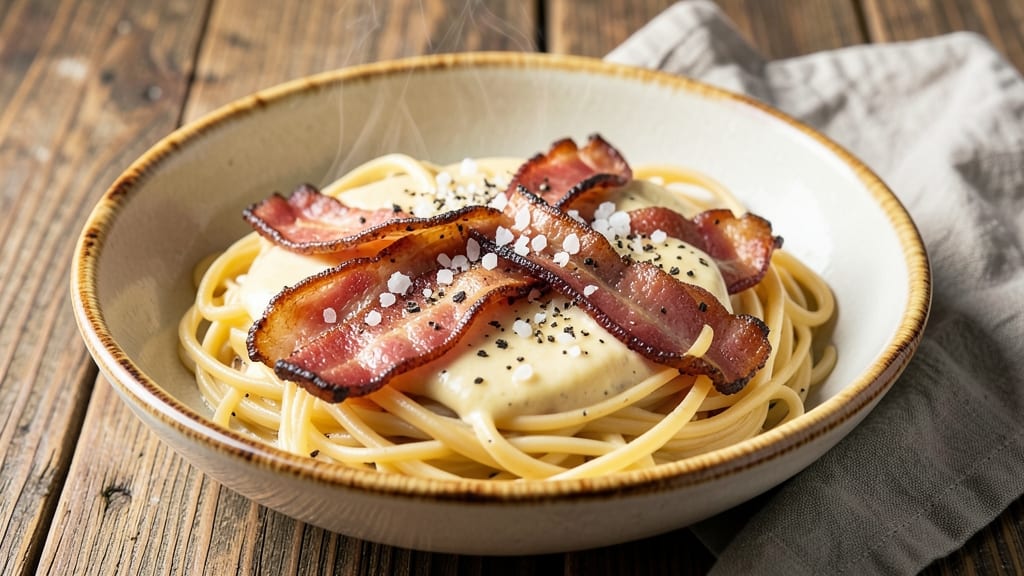
This bacon carbonara sauce recipe delivers the perfect balance of smoky bacon, creamy eggs, and rich cheese in every velvety spoonful. The secret lies in tempering eggs with starchy pasta water to create a sauce that's impossibly silky without curdling—no lumps, just luxurious texture.
I've perfected this technique after years of trial and error, ensuring each bite delivers that signature carbonara flavor you crave.
The magic happens when crispy bacon fat emulsifies with raw eggs and grated cheese, creating a sauce that clings to pasta like a dream. Unlike traditional recipes that rely on heavy cream, this version uses only three ingredients—bacon, eggs, and cheese—plus the golden liquid from your cooked pasta.
The result? A sauce so rich and flavorful it transforms simple spaghetti into an indulgent meal.
What makes this sauce truly special is its foolproof method for avoiding scrambled eggs—temper them gently with hot pasta water while whisking continuously. The bacon adds smoky depth, the cheese brings umami richness, and the pasta water ties everything together with just the right amount of acidity.
One taste and you'll understand why this is the ultimate carbonara sauce.
Perfect for tossing with fresh pasta or using as a dipping sauce, this recipe makes enough for two generous servings. Store leftovers in the fridge for up to three days, reheating gently with a splash of pasta water to restore that silky consistency. Let's get cooking!
Ingredients for bacon carbonara sauce
Eight ingredients transform simple spaghetti into smoky, creamy, velvety perfection—no cream, no lumps, just pure carbonara magic.
| Ingredient | Amount | Notes |
|---|---|---|
| Thick-Cut Bacon 🥓 | 6 oz | Crispy, chopped into small pieces |
| Large Eggs 🥚 | 4 whole | Room temperature for best emulsification |
| Pecorino Romano Cheese 🧀 | 1 ½ cups | Freshly grated, coarse texture preferred |
| Spaghetti Pasta 🍝 | 8 oz | Fresh or high-quality dried, cooked al dente |
| Diamond Crystal Kosher Salt 🧂 | 1 ½ tsp | For seasoning pasta water |
| Freshly Ground Black Pepper 🌶️ | ½ tsp | Coarsely cracked for texture |
| Extra-Virgin Olive Oil 🫒 | 1 tbsp | For finishing drizzle |
| Reserved Pasta Water 💧 | 1 ½ cups | Starchy, golden liquid from cooked pasta |
The bacon is non-negotiable—thick-cut, smoky, and crisped to a perfect crunch. Applewood-smoked bacon from Trader Joe's or Costco delivers that signature depth, but any good-quality bacon works. Chop it small so every bite gets that smoky crunch. The eggs? Pasture-raised from local farms if you can find them—they emulsify better than conventional. And the cheese? Pecorino Romano is essential here—it's sharper and saltier than Parmigiano, cutting through the richness. Skip the pre-grated stuff; freshly grating from a block makes all the difference.
No thick-cut bacon? Thin-cut bacon cooked until extra crispy works in a pinch, but you'll lose that coveted crunch. Egg substitutes? Silken tofu blended with a splash of pasta water mimics the texture, though it won't be quite as rich. Running short on Pecorino? Parmigiano-Reggiano mixed with a pinch of sea salt gets you close. The pasta water is the secret weapon—save at least 1.5 cups of that starchy, golden liquid. It's what turns scrambled eggs into silky sauce. Pro tip: If your pasta water isn't starchy enough, add a pinch of salt and cook the pasta 30 seconds longer.
This sauce is best made fresh, but leftovers reheat beautifully—just whisk in a splash of fresh pasta water to restore that velvety texture. Store in an airtight container in the fridge for up to 3 days. For longer storage, freeze portions in ice cube trays, then transfer to a bag. Thaw overnight in the fridge before reheating. The bacon fat solidifies when chilled, so reheat gently over low heat, whisking constantly. And if you're feeling fancy, finish with a drizzle of extra-virgin olive oil and a crack of black pepper right before serving.
Why You'll Love This Recipe
- Here’s what sold me: the thick-cut bacon stays crunchy while the sauce gets silky from the eggs and pecorino. That salty, cheesy, eggy bite? It’s the kind of flavor that makes you reach for seconds without thinking.
- No-Fuss Weeknight Win: I swear by this when I’m too tired to fuss. Crispy bacon renders itself while the pasta cooks—no chopping, no straining, just toss everything in one pot. That’s the magic of letting the eggs and cheese melt into the stovetop heat.
- Crispy-Creamy Magic: Here’s what sold me: the thick-cut bacon stays crunchy while the sauce gets silky from the eggs and pecorino. That salty, cheesy, eggy bite? It’s the kind of flavor that makes you reach for seconds without thinking.
- Leftovers That Don’t Suck: Between us, most pasta leftovers are sad. Not this. The sauce clings to the noodles, so it reheats like it’s fresh—just add a splash of water and stir. I’ve fed my family this for lunch three days in a row, and no one complains.
Step-by-step instructions for bacon carbonara sauce
This smoky, creamy sauce delivers restaurant-quality flavor with just a few key techniques.
Render the Bacon Until Crispy
Place the 6 oz thick-cut bacon in a cold, heavy skillet over medium heat. I like to use a cast iron pan for even heat distribution—it's worth the wait to get it hot. Cook the bacon undisturbed for 6-8 minutes until the edges become deep golden brown and the fat begins to render generously. This is where the magic starts; the rendered fat will become the base of our sauce.
Once the bacon is crispy, use a slotted spoon to transfer it to a paper towel-lined plate, leaving all that glorious bacon fat in the pan. You should have about 2 tablespoons of fat remaining—this is your liquid gold. If you need more, return the bacon to the pan for another minute to render additional fat. The key here is patience; rushing will result in greasy bacon instead of crispy perfection.
Prepare the Egg and Cheese Mixture
While the bacon fat heats, crack the 4 whole large eggs into a medium bowl. Add the 1.5 cups freshly grated Pecorino Romano cheese, ensuring it's coarse rather than powdery for maximum flavor. Sprinkle in the 0.5 teaspoon freshly ground black pepper and whisk vigorously until the mixture is completely smooth and pale yellow. The eggs should be room temperature for best emulsification—this prevents scrambled eggs in your sauce.
I like to make a small well in the center of the mixture and whisk continuously as I add the eggs. This ensures even distribution of the cheese, which can be quite potent. The mixture should be thick but still pourable—almost like a custard. If it's too thick, add a splash of milk or water to loosen it slightly. This step is crucial; the egg-cheese mixture is the heart of our carbonara, and proper preparation makes all the difference.
Cook the Pasta Al Dente
Bring a large pot of water to a rolling boil and add the 1.5 teaspoons Diamond Crystal kosher salt. Add the 8 oz spaghetti and cook until it's al dente—about 1 minute less than the package instructions suggest. I like to taste-test the pasta; it should be firm to the bite with a slight resistance in the center. This ensures it won't turn mushy when combined with the sauce.
Before draining, reserve exactly 1.5 cups of the starchy pasta water. This golden liquid is essential for creating the creamy texture of our sauce. I keep a measuring cup nearby and ladle out the water just before draining. The starch in the pasta water acts as a natural thickener and helps emulsify the egg mixture. Drain the pasta directly into the skillet with the bacon fat, shaking off any excess water.
Combine Everything Off the Heat
Remove the skillet from heat and immediately add the drained pasta along with the reserved 1.5 cups pasta water. Toss vigorously with tongs to coat the pasta evenly in the bacon fat. This step is critical—it ensures the pasta absorbs some of the fat and prevents the sauce from breaking when we add the egg mixture.
Now, with the skillet still off the heat, slowly pour the egg-cheese mixture into the pasta, tossing constantly with the tongs. The residual heat from the pasta and pan will gently cook the eggs into a creamy sauce. This process should take about 1-2 minutes. If the sauce starts to look too thick, add more reserved pasta water, 1 tablespoon at a time, until it reaches a silky consistency. The sauce should coat the back of a spoon but still flow smoothly.
Finish and Serve Immediately
Return the skillet to low heat for just 10-15 seconds to gently warm through the sauce. Then, stir in the crispy bacon pieces and drizzle with the 1 tablespoon extra-virgin olive oil. The oil adds a final touch of richness and helps balance the richness of the cheese. Taste and adjust seasoning with additional salt or pepper if needed.
Serve the carbonara immediately, as the sauce continues to thicken as it cools. The perfect carbonara should have a luxurious, creamy texture with visible strands of spaghetti and pockets of crispy bacon throughout. Each bite should deliver a harmonious blend of smoky bacon, sharp Pecorino, and silky egg cream. Enjoy it while warm for the ultimate experience—this sauce doesn't wait!
Pro Tips For Making Bacon Carbonara Sauce
- CRISP THE BACON LOW: Cook thick-cut bacon on the lowest heat setting you can stand—it renders fat slower but stays crispy without burning. I used to blast it on high and end up with greasy, limp bacon that drowned the sauce in oil. Save the high heat for searing the bacon bits at the end to revive their crunch.
- GRATE PECORINO FINE: Use a microplane or the smallest holes on a box grater for Pecorino Romano—you want powdery, not chunky cheese. I learned this the hard way when my first attempt left gritty bits that ruined the sauce’s silky texture. Freshly grated is non-negotiable; pre-shredded cheese has anti-caking agents that make carbonara taste off.
- OFF-HEAT EGGS ONLY: Remove the egg-bacon-cheese mixture from heat the second it’s just combined—no more, no less. The residual heat will gently cook the eggs into a creamy sauce without scrambling them. I used to let it sit too long, and suddenly I had a gluey mess instead of that perfect, velvety ribbon.
- SALT THE PASTA WATER HARD: Taste the pasta water before draining—it should taste like the ocean. Diamond Crystal kosher salt means about 1.5 tablespoons per quart of water. Under-salted water means bland pasta, and no amount of cheese can fix that. (Yes, even if you’re impatient like me.)
Wine and beer pairings for these flavors
Crisp White Wine
For this rich, bacon-forward sauce, a dry Italian white wine like Vermentino or Pinot Grigio cuts through the fat beautifully. The crisp acidity refreshes your palate between bites, balancing the smoky bacon and salty cheese.
I keep a bottle of Santa Margherita Pinot Grigio chilled in my fridge specifically for carbonara nights. 🍷
Malbec or Chianti
A medium-bodied Italian red like Chianti or a Malbec from Argentina stands up to the sauce's richness without overpowering it. The earthy notes in Chianti complement the bacon, while Malbec's dark fruit adds depth.
Avoid heavy Cabernet Sauvignons—they'll clash with the creamy texture. My go-to is a Chianti Classico from Tuscany. 🍷
Amber Ale Balance
If you prefer beer, a hazy amber ale with malty sweetness and subtle bitterness works perfectly. Look for New Belgium Fat Tire or Allagash White—both have enough body to stand up to the sauce while providing a refreshing contrast.
The caramel notes in amber ale mirror the bacon's smokiness. 🍺
Prosecco Sparkle
For a celebratory touch, serve with Prosecco—its bright acidity and effervescence cleanse your palate between bites. The bubbles also enhance the sauce's creaminess. I like La Marca Prosecco for its crisp, dry profile that pairs beautifully with the dish's richness. ✨
Non-Alcoholic Options
Don't drink? A sparkling apple cider like Martinelli's or a ginger beer with a squeeze of lime provides similar refreshing contrast. The acidity in both mimics wine's palate-cleansing effect, while the ginger adds a subtle kick. 🍏
Nutrition facts
Frequently asked questions
Why does this sauce use eggs instead of heavy cream?
Traditional carbonara relies on eggs to create that signature creamy texture without dairy. The eggs emulsify beautifully with starchy pasta water and bacon fat, creating a rich, velvety sauce that's lighter than cream-based versions. Plus, it's the authentic Italian method! The key is tempering the eggs with hot pasta water to prevent scrambling.
Can I make this sauce ahead of time?
While fresh is best, you can prepare the sauce components separately and assemble just before serving. Store the cooked bacon fat in the fridge for 2 days, the egg-cheese mixture in an airtight container for 1 day, and cook pasta fresh. Reheat gently with a splash of pasta water to restore that silky texture. The bacon crunch is best added fresh!
What if my sauce gets too thick?
Don't panic! Simply whisk in 1 tablespoon of reserved pasta water at a time until you reach that perfect coat-the-back-of-a-spoon consistency. The starch in the pasta water acts as a natural emulsifier. If it's still too thick, warm it gently over low heat while stirring continuously. The sauce should remain silky, not greasy.
Can I use this sauce on other pasta shapes?
While spaghetti is traditional, this sauce works beautifully with linguine, fettuccine, or even bucatini. For shorter shapes like penne, toss with a fork instead of tongs to avoid breaking the pasta. The sauce's richness pairs especially well with thick, hearty pastas that can hold onto the creamy coating.
What's the secret to avoiding scrambled eggs?
The magic happens when you combine everything off the heat using the residual warmth from the pasta. Whisk continuously while pouring the egg mixture into the hot pasta, and never let it simmer. The starchy pasta water gently cooks the eggs into a creamy sauce without scrambling. Room temperature eggs also help prevent curdling.