
Sauces & Condiments
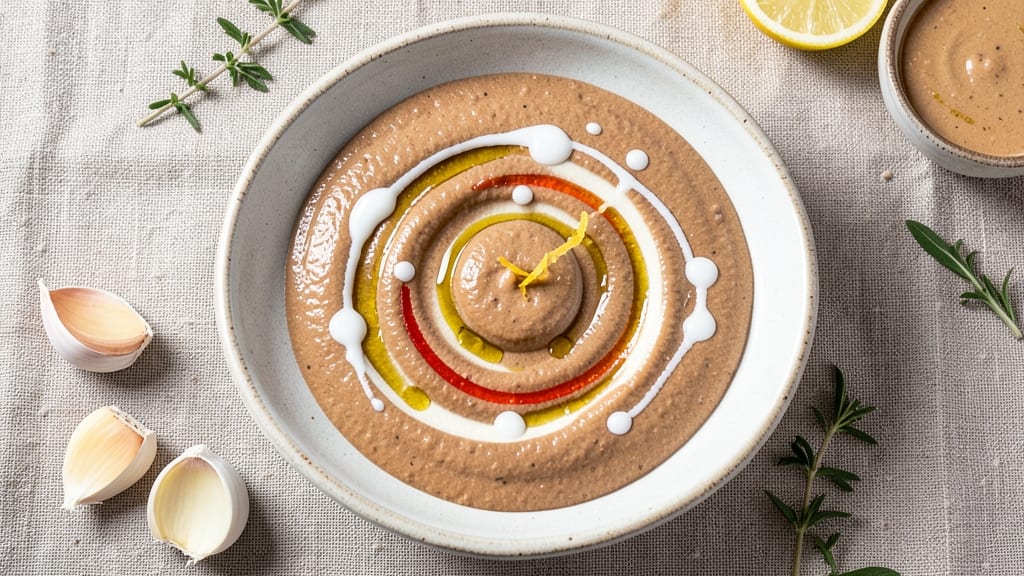
This authentic tahini sauce transforms simple pantry staples into a velvety, nutty condiment with a secret tangy kick. The balance of rich sesame paste, bright lemon, and aromatic garlic creates a sauce that elevates everything from hummus to grilled meats.
I've perfected this recipe over years of Middle Eastern cooking, ensuring every spoonful delivers that perfect harmony of creaminess and zing.
The foundation is always tahini and lemon juice—never skip the lemon, as it cuts through the richness while preserving the sauce's authentic depth. A touch of garlic and olive oil adds complexity, while salt and water adjust the consistency to your preference.
This isn't just a dip; it's a flavor multiplier that works as a marinade, salad dressing, or even a pasta finish.
What makes this sauce truly special is its versatility without sacrificing authenticity. The tahini provides that signature nutty richness, while the vinegar (or extra lemon) adds a subtle tang that prevents heaviness.
Once blended, it keeps beautifully in the fridge for up to a week, ready to transform any dish with minimal effort.
The result is a sauce that's restaurant-quality but simple to make at home—no special equipment needed, just a whisk or immersion blender.
Whether you're drizzling it over roasted vegetables or using it as a base for soups, this tahini sauce will become your go-to for adding nutty, creamy depth to every bite.
Ingredients for authentic tahini sauce
Simple pantry staples transform into restaurant-quality tahini sauce with nutty depth and tangy zing.
| Ingredient | Amount | Notes |
|---|---|---|
| Tahini 🥜 | ½ cup | Sesame paste, unsweetened |
| Extra-Virgin Olive Oil 🫒 | ⅓ cup | Light, fruity variety |
| Fresh Lemon Juice 🍋 | ¼ cup | Strained, no pulp |
| White Vinegar 🍶 | 1 tbsp | Or extra lemon juice |
| Garlic Cloves 🧄 | 2 cloves | Peeled, roughly chopped |
| Water 💧 | ¼ cup | Adjust for consistency |
| Sea Salt 🧂 | ½ tsp | Diamond Crystal preferred |
| Ground Black Pepper 🌶️ | ¼ tsp | Freshly ground |
Tahini is the heart of this sauce—look for 100% sesame paste with no additives. Whole Foods or Middle Eastern markets carry the best quality, but the jarred stuff at regular grocery stores works too. The olive oil should be light and fruity—California brands like Corto or Pompeian are my go-tos. Fresh lemon juice is non-negotiable; bottled won't give you that authentic zing. For garlic, roast it first (400°F for 10 minutes) to mellow the flavor—trust me, it makes all the difference.
No tahini? Substitute with equal parts peanut butter and olive oil, though the flavor won't be identical. Vinegar short on vinegar? Extra lemon juice works perfectly. Want it thicker? Add tahini; thinner? Add water. The sauce should coat the back of a spoon but still pour smoothly. For extra authenticity, add a pinch of ground cumin—it's a secret in many Middle Eastern kitchens. If you're using a blender, pulse the garlic first so it doesn't clog the motor.
This sauce keeps beautifully—1 week in the fridge sealed in a jar with a thin layer of olive oil on top to preserve freshness. Freezes for 3 months if portioned into ice cube trays for single-use servings. I always make a double batch—one for dipping hummus, another to drizzle over roasted veggies. The flavors meld even better after sitting overnight, so if you can wait, do it.
Why You'll Love This Recipe
- Five-Ingredient Magic: I swear, this sauce comes together with just tahini, olive oil, lemon, vinegar, and garlic—no fancy gadgets or last-minute grocery runs. Honestly, I keep a jar of tahini in my pantry just for this, because it’s the kind of recipe that turns a simple bowl of veggies into something special without overcomplicating things.
- Umami Bomb: That first bite of garlic-infused tahini? It’s like a flavor explosion. The olive oil smooths out the richness, while the lemon and vinegar cut through it with a bright, tangy punch—seriously, the balance is chef’s kiss. I’ll be real: my partner steals my bowl before I finish eating.
- Dip, Dress, Repeat: This sauce is my secret weapon for everything: drizzled over grilled chicken, stirred into hummus, or slathered on fresh bread. Between us, it’s also the only thing that makes my sad office salad feel like a meal—no fancy plating required. (Yes, even on a Tuesday night.)
- Make-Ahead MVP: I double the batch every Sunday because it keeps for weeks in the fridge, and the flavor only gets better as the garlic mellows. Not to mention, tahini is one of the most budget-friendly pantry staples—you’re getting restaurant-quality taste for pennies. Plus, no one judges you for eating leftovers straight from the jar.
Step-by-step instructions for authentic tahini sauce
Let's create a rich, balanced tahini sauce with that perfect marriage of nutty depth and bright acidity.
Whisk Tahini and Olive Oil Together
In a medium bowl, combine the 0.5 cup tahini and 0.33 cup extra-virgin olive oil. Use a whisk or fork to blend them until completely smooth—this prevents graininess in your sauce. The mixture should look like a thick, creamy paste with no visible streaks of tahini.
I like to work in a bowl slightly larger than what I'll need because tahini can be sticky. If the mixture feels too thick, don't worry—we'll adjust with water later. This initial blending creates the base that will carry all those vibrant flavors we're adding next.
Add Lemon Juice and Vinegar for Brightness
Slowly drizzle in the 0.25 cup fresh lemon juice while whisking continuously. This prevents the sauce from curdling and helps emulsify the tahini. After the lemon juice is incorporated, add the 1 tablespoon white vinegar—this might seem like a lot, but it's what creates that signature tang that balances tahini's richness.
Taste the mixture now. You should notice a pleasant bitterness from the vinegar cutting through the nutty tahini. If you're worried about the vinegar being too strong, remember it'll mellow as we add more ingredients. This is where the magic happens—the acidity prevents the sauce from being overwhelmingly heavy.
Incorporate Garlic and Seasonings
Add the 2 peeled garlic cloves (roughly chopped) and continue whisking. Let the garlic sit in the sauce for 2-3 minutes—this allows its flavor to infuse fully. Then add the 0.5 teaspoon sea salt and 0.25 teaspoon ground black pepper, whisking until everything is evenly distributed.
The garlic should soften and blend into the sauce rather than remaining as distinct pieces. If you prefer a milder garlic flavor, you can press it through a fine-mesh strainer after whisking. This step builds the sauce's complexity—salty, garlicky, and still with that bright acidity from earlier.
Thin to Perfect Consistency
Gradually add the 0.25 cup water, one tablespoon at a time, while whisking vigorously. You're aiming for a sauce that's thick enough to coat the back of a spoon but still pourable. It should look like a glossy, smooth dressing rather than a heavy paste.
Here's the thing—every tahini brand behaves slightly differently. If your sauce feels too thick after all the water, add a little more (up to 2 tablespoons total). If it's too thin, whisk in another teaspoon of tahini. The perfect consistency should cling lightly to whatever you're drizzling it over—vegetables, grilled meats, or fresh bread.
Adjust and Serve Immediately
Taste your sauce one final time and adjust the seasoning if needed. You might want more salt, a touch more lemon, or even a pinch of sugar to balance the acidity. The sauce should taste complex—nutty from the tahini, bright from the lemon and vinegar, and well-rounded by the garlic and salt.
This sauce keeps well in the refrigerator for up to 5 days in an airtight container, but it's best used fresh. The flavors meld beautifully when served at room temperature, making it perfect for drizzling over salads, grilled fish, or as a dip for warm pita bread. The vinegar's presence might surprise you at first, but that's what makes this sauce authentically balanced rather than just sweet and nutty.
Pro Tips For Making Authentic Tahini Sauce
- STIR SLOWLY AT FIRST: Tahini’s a stubborn beast—dumping it all in at once turns your sauce into a clumpy mess. Start with just 1 tablespoon of olive oil or water to the tahini, whisk like crazy for 30 seconds until it’s smooth, then gradually add the rest. I learned this the hard way after scraping globs off my whisk for what felt like an hour.
- USE COLD PRESSED TAHINI: Not all tahini is created equal. Store-bought can taste flat or bitter, but cold-pressed, high-quality tahini (look for brands like Al-Wadi or Soom) has a rich, nutty depth that makes your sauce sing. If you’re on a budget, refrigerate your tahini for 20 minutes before using—it thickens and emulsifies better.
- PRESS THE GARLIC: Minced garlic? Forget it. For real flavor, peel the cloves, smash them flat with the side of your knife, then press them into the sauce with a spoon or garlic press. The oils release differently, giving you that authentic, savory punch without the harsh bite. (Yes, even if you’re impatient like me—this isn’t the step you’ll skip.)
- THIN WITH VINEGAR LAST: Vinegar cuts the richness, but add it too early and your sauce will curdle like a bad smoothie. Mix the tahini, oil, and lemon first until fully emulsified, then drizzle in vinegar 1 teaspoon at a time while tasting. Need it thinner? A splash of warm water works better than vinegar alone—trust the process.
Health benefits of this recipe
Plant-Based Protein Power
This tahini sauce is a vegan protein powerhouse, delivering 7 grams of plant-based protein per 2-tablespoon serving—all from the tahini alone. Unlike creamy dressings made with dairy or mayo, this sauce provides protein without cholesterol or saturated fat.
The sesame seeds in tahini are particularly rich in arginine, an amino acid that supports heart health and blood vessel function. 💪
Healthy Fats for Satiety
The extra-virgin olive oil and tahini combine to create a sauce rich in monounsaturated fats, the same heart-healthy fats found in Mediterranean diets. These fats help keep you feeling full longer while supporting brain function and reducing inflammation.
Just 2 tablespoons of this sauce provide about 12 grams of healthy fats, making it a satisfying addition to salads or grilled proteins.
Digestive Benefits
The garlic in this sauce isn't just for flavor—it contains allicin, a compound with proven antimicrobial and anti-inflammatory properties. Combined with the fiber from tahini, this sauce gently supports digestion while adding a subtle pungency that enhances other flavors.
The lemon juice also aids digestion by stimulating stomach acid production, making this sauce especially beneficial when paired with heavier meals like grilled meats or fried foods.
Blood Sugar Regulation
Unlike many creamy dressings loaded with refined sugars, this tahini sauce has a low glycemic impact thanks to its high fiber and healthy fat content. The tahini's sesamin compound helps regulate blood sugar levels, making this an excellent choice for anyone managing diabetes or insulin resistance.
The vinegar further enhances this effect by slowing carbohydrate absorption in paired dishes.
Rich in Essential Minerals
Just one serving of this sauce provides significant amounts of calcium, iron, and magnesium—all from plant-based sources. The tahini contributes 10% of your daily calcium needs per serving, while the garlic adds trace minerals like selenium and potassium.
These minerals support bone health, immune function, and proper muscle function without the heavy metals sometimes found in animal-based products.
Antioxidant Boost
The extra-virgin olive oil used in this recipe contains polyphenols, powerful antioxidants that combat oxidative stress in your body. Combined with the vitamin E in tahini, this sauce provides a protective antioxidant boost with every drizzle.
The lemon juice adds vitamin C, creating a synergistic antioxidant profile that helps protect your cells from damage while adding vibrant flavor. ✨
Nutrition facts
Frequently asked questions
Why does your tahini sauce recipe include vinegar?
The vinegar is essential for balancing tahini's natural richness. It adds a subtle tang that prevents the sauce from tasting overly heavy or sweet. Traditional Middle Eastern tahini sauces often use vinegar or extra lemon juice to create that perfect harmony—think of it as the sauce's secret flavor enhancer that makes every bite more vibrant.
Can I make this sauce without a blender?
Use a whisk or fork in a bowl to blend tahini and olive oil first until smooth. Then gradually add lemon juice, vinegar, and water while whisking vigorously. For garlic, you can mince it finely or press it through a strainer after whisking. The manual method just requires more elbow grease but works perfectly.
How can I use tahini sauce beyond dipping?
This versatile sauce works as a marinade for grilled chicken or fish, a dressing for salads, or a drizzle over roasted vegetables. Try mixing it with maple syrup for a sweet-savory glaze, or use it as a base for vegan Caesar dressing by adding nutritional yeast. It's also fantastic as a sauce for falafel or as a finishing touch for grain bowls.
What's the best way to store tahini sauce?
Transfer to an airtight container and store in the fridge for up to 5 days. For longer storage, freeze in ice cube trays (thaw overnight in the fridge). To preserve freshness, add a thin layer of olive oil on top before sealing. The sauce thickens slightly when refrigerated—just whisk in a splash of water before using.
Can I substitute tahini with peanut butter?
While possible, it won't be authentic. Peanut butter lacks tahini's unique sesame flavor and texture. If you must substitute, use equal parts peanut butter and olive oil, but reduce the water slightly since peanut butter is oilier. For the closest alternative, try almond butter, though the flavor will still differ from tahini's nutty depth.