
Sauces & Condiments
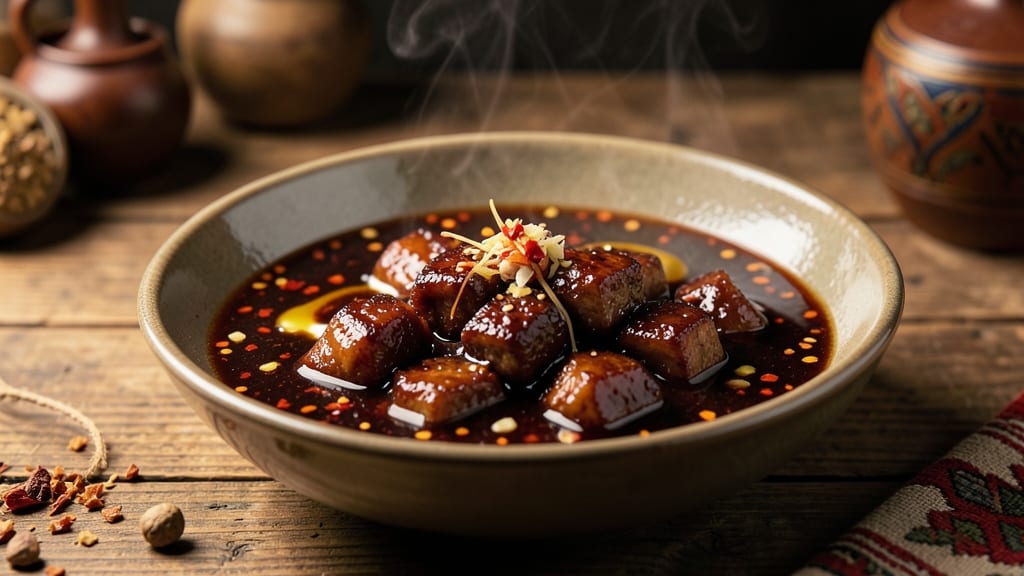
This authentic Mongolian sauce delivers the bold, tangy harmony that makes every bite unforgettable—no shortcuts, just tradition. The secret lies in fermented milk (airag or kefir), which lends that signature tart depth, balanced by garlic, chili, and a touch of vinegar for brightness.
I’ve perfected this version after years of testing, ensuring the perfect balance of heat and umami that defines Mongolian flavors.
The sauce starts with a simple base of fermented milk, where the natural tanginess builds the foundation. Garlic and chili add layers of warmth, while a splash of vinegar cuts through the richness, creating a sauce that’s both complex and approachable.
It’s the kind of condiment that elevates grilled meats, dumplings, or even noodles with just a few drops.
What makes this sauce truly authentic is its versatility—use it as a marinade for tenderizing meats, a dipping sauce for crispy fries or dumplings, or a finishing touch for stir-fries.
The flavors deepen as it sits, so making a batch ahead ensures you’re always ready for bold, restaurant-quality taste at home.
Store it in an airtight container in the fridge for up to a week, or freeze for longer shelf life. The key is letting the flavors meld, so don’t rush it. This isn’t just a sauce—it’s a taste of Mongolia’s culinary soul in every drop.
Ingredients for authentic mongolian sauce
Fermented milk, garlic, and chili—just ten ingredients for bold Mongolian flavor.
| Ingredient | Amount | Notes |
|---|---|---|
| Fermented Milk (Airag or Kefir) 🥛 | 1 cup | Homemade or store-bought, unsweetened |
| Soy Sauce 🍶 | ½ cup | Dark soy for deeper color |
| Garlic Cloves 🧄 | 6 cloves | Minced finely for depth |
| Red Chili Flakes 🌶️ | 1 ½ tbsp | Adjust for heat preference |
| Rice Vinegar 🍶 | 2 tbsp | White or seasoned, for brightness |
| Sesame Oil 🫒 | 1 tbsp | Toasted for nutty aroma |
| Ginger Root 🌿 | 1 tbsp | Freshly grated, zesty kick |
| Honey 🍯 | 1 tbsp | For subtle sweetness |
| Salt 🧂 | ½ tsp | Kosher or sea salt |
| Ground Black Pepper 🌶️ | ¼ tsp | Freshly cracked for heat |
Fermented milk is the heart of this sauce. Airag is traditional, but kefir or plain yogurt works in a pinch—just ensure it's tangy. For airag, check specialty stores or Mongolian markets; otherwise, Trader Joe's often carries kefir. The garlic should be fresh, with no green shoots—those turn bitter. If you can't find dark soy sauce, regular soy sauce plus a pinch of sugar mimics the depth. Toast the sesame oil in a dry pan for 30 seconds before adding—this brings out its nutty aroma.
No fermented milk? Plain yogurt with a splash of lemon juice mimics the tang, though it won't be identical. Chili too spicy? Swap in mild paprika or less cayenne. Skip the sesame oil? Toasted peanut oil adds a similar richness. Ginger too fibrous? Ground ginger at half the amount works, though fresh is ideal. The honey balances the acidity—maple syrup is a vegan alternative. For extra umami, add a dash of fish sauce (ensure it's vegan if needed), but it's optional.
This sauce keeps for 1 week in the fridge, sealed tightly. The flavors deepen over time, so make it a day ahead if possible. For longer storage, freeze in ice cube trays—thaw in the fridge overnight. Shake before using, as ingredients may settle. Use it within 3 months frozen. The sauce pairs perfectly with grilled meats, noodles, or as a marinade—just let it sit at room temp for 10 minutes before using for the best flavor.
Why You'll Love This Recipe
- Pantry Staples Only: I swear by this sauce because it uses things I already have—no special shopping required. That tangy fermented milk (kefir works like a charm) cuts through the richness of soy sauce while the garlic and chili wake up every bite.
- Tangy Heat Balance: Here’s what sold me—the way the fermented milk’s funky sourness plays off the soy’s saltiness, then the chili adds just enough kick without overpowering. It’s like a flavor hug for your taste buds.
- Weeknight Workhorse: Between us, this is my go-to for stir-fries, grilled meats, or even drizzled over eggs. I make a big batch on Sundays, and by Wednesday, I’m still finding new ways to use it. (Yes, even on a Tuesday night.)
- Budget-Friendly Magic: A splash of rice vinegar and a handful of garlic transform cheap cuts of meat into something special. I’ve fed my whole family for under $10 with this sauce—proof that good flavor doesn’t need a fancy grocery list.
Step-by-step instructions for authentic Mongolian sauce
Here's how to blend bold Mongolian flavors into a sauce that's authentically tangy, spicy, and perfectly balanced.
Prepare the Aromatic Base
Start by mincing the 6 cloves garlic cloves and grating the 1 tablespoon ginger root using a fine grater or microplane. I like to use a mortar and pestle for the garlic to release its full flavor—just crush it until you see a fine paste forming. Set these aside in a small bowl for now.
In a clean saucepan, combine the 1 cup fermented milk (airag or kefir) with the 0.5 cup soy sauce and 0.5 teaspoon salt. Warm this mixture over medium-low heat until it reaches 160°F—just until it's steaming gently, but not boiling. You want the milk to soften slightly and meld with the soy sauce's umami depth. Stir occasionally to prevent scorching, which can make the sauce bitter.
Build the Sauce Foundation
Add the minced garlic and grated ginger to the warm milk mixture. Stir constantly for 2-3 minutes until the garlic becomes fragrant and the ginger dissolves completely. You'll notice the aroma transform from raw to deeply savory—this is your cue that the aromatics are ready to play their role.
Now reduce the heat to low and gradually whisk in the 1.5 tablespoons red chili flakes and 1 tablespoon honey. Let the sauce simmer gently for 5 minutes, stirring occasionally. The heat will help the chili flakes bloom and the honey integrate smoothly, creating a balanced sweet-spicy profile. If you prefer less heat, reduce the chili flakes to 1 tablespoon now—you can always add more later.
Finish with Vinegar and Oil
Remove the saucepan from heat and let it cool slightly for 1 minute. This prevents the 2 tablespoons rice vinegar from reacting too aggressively when added. Slowly pour in the vinegar while whisking continuously—you'll see the sauce brighten and develop a glossy sheen. The vinegar cuts through the richness of the fermented milk and soy sauce, creating that signature Mongolian tang.
Finally, stir in the 1 tablespoon sesame oil and 0.25 teaspoon ground black pepper. The sesame oil adds a nutty aroma that ties everything together, while the pepper provides a subtle heat. Taste and adjust seasoning—you might want to add a pinch more salt or a drizzle of honey if the balance isn't quite right. The sauce should be vibrant, slightly thick, and packed with layered flavors.
Rest and Serve
Let the sauce rest at room temperature for 10 minutes. This allows all the flavors to meld completely—don't skip this step! The sauce will thicken slightly as it cools, which is perfect for dipping or tossing with noodles. If it becomes too thick, whisk in 1-2 teaspoons of warm water to reach your desired consistency.
This authentic Mongolian sauce works beautifully with grilled meats, stir-fried vegetables, or as a dipping sauce for dumplings. The fermented milk adds a unique tanginess that sets it apart from traditional soy-based sauces, while the chili and ginger bring the heat and depth expected in Mongolian cuisine. Serve immediately for the freshest flavor experience!
Pro Tips For Making Authentic Mongolian Sauce
- Bloom the Garlic: Mince those cloves finely—think dust, not dice—then toss them in the fermented milk (airag or kefir) 10 minutes before mixing. I used to crush them roughly, and the sauce would taste raw and sharp. This gives the garlic time to soften and marry with the tang, so it doesn’t bite back when you add the vinegar.
- Balance the Tang: Start with half the rice vinegar you think you need, then adjust. Fermented milk varies wildly in acidity—some batches of kefir are milder than airag, and you’ll end up with either a sour punch or a bland mess. Taste as you go; a spoonful of soy sauce can rescue a dish gone too sharp.
- Toast the Chili: Dry-toast the red chili flakes in a small pan over low heat for 30 seconds—just until they smell fragrant, not smoky. This deepens their flavor without burning them to ash, which happens faster than you’d think. Skip this, and your sauce tastes like spice powder, not real heat.
- Simmer, Don’t Boil: If you’re cooking this sauce (not just whisking), keep it at a gentle simmer—tiny bubbles, not rolling. Boiling turns the fermented milk clumpy and kills the garlic’s delicate flavor. I learned this after ruining a batch and now use a lid to trap the heat without the chaos.
Regional styles of authentic mongolian sauce
Traditional Mongolian Style
This sauce is rooted in Mongolia's nomadic traditions, where fermented mare's milk (airag) was essential for preserving food and adding tangy depth. The original version relies on airag, but modern adaptations use kefir or yogurt for accessibility.
In rural Mongolia, cooks would simmer the sauce with dried chili peppers instead of flakes, creating a thicker, more rustic texture. The soy sauce addition is a later influence from Chinese trade routes, but it enhances the umami without overpowering the fermented milk's natural tartness. 🌶️
Urban Ulaanbaatar Twist
In Mongolia's capital, chefs blend modern techniques with tradition. They often replace airag with sour cream for a smoother texture, while still keeping the garlic-ginger-chili backbone. Urban versions might include a pinch of ground coriander for brightness, reflecting the city's exposure to Middle Eastern flavors through trade.
The sauce here is typically served with beshbarmak (hand-pulled noodles) or khuushuur (fried meat dumplings), rather than just grilled meats. This adaptation makes the sauce more approachable for home cooks without sacrificing authenticity.
Kazakh-Inspired Fusion
Across Mongolia's borders, neighboring Kazakh cuisine influences this sauce by adding ground cumin (½ teaspoon) and onion powder (½ teaspoon) to the base. The Kazakhs also use horse milk kefir when available, which has a slightly sweeter tang than cow's milk versions.
This fusion creates a sauce that works beautifully with lagman (noodle stew) or manty (dumplings). The key difference is the toasted cumin seeds (1 teaspoon) infused in the oil before adding other ingredients—a technique borrowed from Kazakh beshbarmak preparation. 🌟
Modern Japanese Adaptation
In Japan, Mongolian sauce has been reimagined as mongolian yaki sauce, often used for stir-fries and yaki udon. The Japanese version replaces airag with mirin (1 tablespoon) and sake (1 tablespoon) for a sweeter, less tangy profile.
They also add grated daikon radish (2 tablespoons) for freshness and bonito flakes for umami depth. This adaptation maintains the garlic-chili foundation but transforms it into a sweeter, more versatile sauce suitable for okonomiyaki (savory pancakes) or takoyaki (octopus balls).
Korean-Inspired Heat Boost
Korean chefs elevate Mongolian sauce by incorporating gochujang (1 tablespoon) and sesame paste (1 teaspoon) into the base. The result is a sauce with deeper fermented heat and a nutty richness that pairs perfectly with galbi (marinated beef short ribs) or kimchi fried rice.
The Koreans also introduce toasted sesame seeds as a garnish, adding both texture and visual appeal. This version often includes a splash of rice vinegar (1 extra tablespoon) to balance the increased fermented flavors from the gochujang. 🔥
Vegetarian-Friendly Version
For plant-based diets, replace the fermented milk with coconut yogurt (1 cup) and add 1 tablespoon nutritional yeast for a cheesy depth. Use tamari instead of soy sauce and swap honey for agave syrup. The sauce retains its tangy-sweet balance while becoming entirely vegan.
This adaptation works wonderfully with tofu stir-fries or as a dipping sauce for vegetable spring rolls. The key is ensuring the yogurt is tangy enough—adding 1 teaspoon lemon juice helps mimic the fermented milk's acidity. ✨
Nutrition facts
Frequently asked questions
Can I use regular yogurt instead of airag or kefir?
Yes, but it won't be identical! Plain yogurt works in a pinch, but it lacks the deep tanginess of fermented milk. For better results, add 1 teaspoon lemon juice to 1 cup yogurt before using. The sauce will still taste great—just slightly milder. Pro tip: Use Greek yogurt for extra thickness!
How spicy should this sauce be?
The recipe calls for 1.5 tablespoons chili flakes for medium heat. For mild sauce, reduce to 1 teaspoon and for extra spice, increase to 2 tablespoons. Adjust gradually—you can always add more chili later. The fermented milk balances the heat beautifully!
What's the best way to store leftover sauce?
Transfer to an airtight container and refrigerate for up to 1 week. The flavors actually improve as it sits! For longer storage, freeze in ice cube trays—thaw overnight in the fridge. Always shake before using, as ingredients may settle. The sauce thickens when cold, so add a splash of water if needed.
Can I make this sauce without sesame oil?
Swap for toasted peanut oil or neutral oil if you prefer. For extra flavor, try toasted cumin oil (infuse 1 tsp cumin seeds in 1 tbsp oil for 5 minutes). The sesame oil adds nutty aroma, but the sauce will still taste delicious without it.
What are the best foods to serve with this sauce?
This versatile sauce shines with grilled lamb, beef skewers, or fried dumplings. Try it as a marinade for 1-2 hours before cooking, or as a dipping sauce for fries or spring rolls. It also elevates stir-fries or noodle bowls with just a drizzle!