
Sauces & Condiments
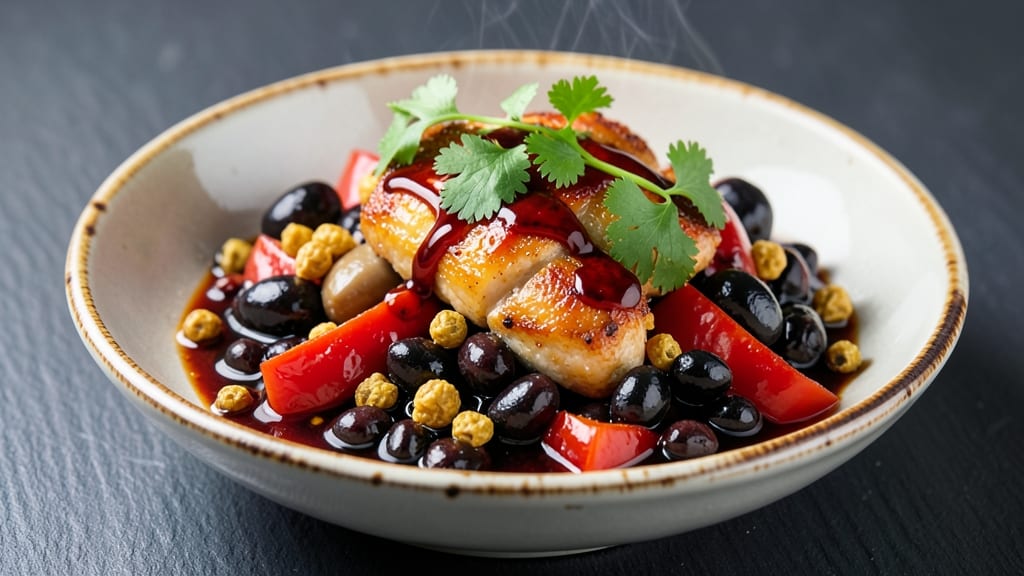
This authentic kung pao sauce transforms any stir-fry into a restaurant-worthy dish with its signature smoky-sweet balance. The secret lies in fermented black beans and Sichuan peppercorns, which create that unmistakable numbing heat and deep umami flavor.
Unlike store-bought versions, this homemade sauce builds layers of complexity through careful toasting and slow reduction—no shortcuts, just authentic Sichuan technique.
The foundation starts with a base of dark soy sauce, rice vinegar, and a touch of sugar to balance the heat, while chili oil adds vibrant color and fiery depth. Fresh ginger and garlic infuse the sauce with aromatic warmth, while fermented black beans contribute their signature funky, savory richness.
The sauce can be adjusted for spice levels—keep the Sichuan peppercorns whole for subtle tingling or crush them for an intense kick.
What makes this sauce truly special is its versatility—use it as a dipping sauce for dumplings, a marinade for meats, or the star of a classic kung pao chicken dish.
The flavors develop even more after resting, so making a batch ahead ensures you’re always ready for a quick, flavorful meal. With just 15 minutes of active prep and 30 minutes of simmering, you’ll have a sauce that’s worth every minute of effort.
Store it in the fridge for up to 2 weeks or freeze for months, so you can always bring that authentic Sichuan restaurant taste to your home cooking. The key to success? Patience—letting the flavors meld and the sauce reduce properly is what separates good from extraordinary.
Ingredients for authentic kung pao sauce
Nine ingredients, one sauce—authentic Sichuan flavor in every drop, no shortcuts.
| Ingredient | Amount | Notes |
|---|---|---|
| Fermented Black Beans 🫘 | ½ cup | Rinsed to remove excess salt |
| Sichuan Peppercorns 🌶️ | 1 tbsp | Whole for subtle tingling |
| Dark Soy Sauce 🍶 | ½ cup | For deep color and umami |
| Rice Vinegar 🍶 | ¼ cup | White or seasoned variety |
| Granulated Sugar 🍚 | 2 tbsp | Balances heat and sweetness |
| Chili Oil 🌶️ | ¼ cup | Store-bought or homemade |
| Fresh Ginger 🧄 | 2 tbsp | Finely grated, aromatic |
| Garlic Cloves 🧄 | 6 cloves | Minced for aromatic depth |
| Sesame Oil 🫒 | 1 tbsp | Toasted for nutty aroma |
| Cornstarch 🌾 | 1 tbsp | For thickening sauce |
Fermented black beans are the heart of this sauce—Asian grocery stores carry them in jars or bags, often labeled 'black bean garlicky sauce'. If you can't find them, substitute 2 tbsp soy sauce plus 1 tsp molasses for a similar funk. Sichuan peppercorns? Whole Foods or Penzeys Spices have them, but any Asian market will too. Toast them lightly in a dry pan first—they'll release their signature aroma. The ginger and garlic? Fresh is non-negotiable here; frozen works in a pinch but lacks that bright punch.
No chili oil? Mix 2 tbsp vegetable oil with 1 tbsp red pepper flakes and 1 tsp smoked paprika, then heat until fragrant. The dark soy sauce gives that signature deep color—La Choy or Lee Kum Kee are reliable brands. For extra authenticity, add 1 tsp Shaoxing wine if you've got it. If your sesame oil smells rancid, toss it—it should have a nutty aroma, not bitter. The cornstarch is your secret weapon for that perfect glossy finish; don't skip it. And for heat control? Keep the Sichuan peppercorns whole for subtle tingling or crush them for an intense kick.
This sauce tastes even better the next day—make a double batch so you always have some ready. Store in an airtight jar in the fridge for up to 2 weeks, or freeze for 3 months (leave room at the top—it'll expand). To reheat, warm gently on the stove with a splash of water. Pro tip: Add a pinch of sugar when reheating if it tastes too sharp. The flavors meld beautifully with proteins, so toss some into your fridge freezer for quick stir-fries.
Why You'll Love This Recipe
- Few Ingredients, Big Payoff: I swear by this—just five core ingredients (fermented black beans, Sichuan peppercorns, dark soy sauce, rice vinegar, and sugar) transform into a sauce that tastes like a restaurant secret. No blender, no straining, no fuss—just toast, grind, and stir.
- Numbness That’s Addictive: That Sichuan peppercorn heat isn’t just spicy—it’s tingly, with a slow-building numbness that lingers in the best way. Honestly, once you taste the balance of salty fermented beans and that bright vinegar cut, you’ll crave it on everything from stir-fries to dumplings.
- Weeknight to Party Fix: Slap this sauce on chicken, tofu, or even noodles for a weeknight win, then double the batch and freeze it for last-minute takeout vibes. Between us, it’s the only sauce I make when I’m too tired to improvise—and guests never guess it’s homemade.
- Pantry Goldmine: Fermented black beans and Sichuan peppercorns might sound fancy, but they’re shelf-stable and stretch across multiple meals. I buy them in bulk, and this sauce lasts for weeks in the fridge—meaning more flavor, less waste, and zero takeout regrets.
Step-by-step instructions for authentic kung pao sauce
Here's how to craft this iconic sauce with proper balance and depth.
Toast the Sichuan Peppercorns and Prepare Aromatics
Heat a dry skillet over medium heat and add the 1 tablespoon Sichuan peppercorns. Toast them for 1-2 minutes until fragrant and slightly puffed, shaking the pan constantly to prevent burning. The aroma should fill your kitchen—this is where the signature tingling heat begins.
While the peppercorns toast, peel and finely mince the 6 cloves garlic and grate the 2 tablespoons fresh ginger using a microplane. Set these aside—they'll release their essential oils as they cook, forming the aromatic base of your sauce. I like to press the garlic through a garlic press for even distribution of flavor.
Bloom the Fermented Black Beans and Dark Soy Sauce
In a clean saucepan, combine the 0.5 cup fermented black beans (rinsed), 0.5 cup dark soy sauce, and 0.25 cup rice vinegar. Place over medium heat and bring to a gentle simmer. The beans will release their deep umami essence as they cook—this is the foundation of the sauce's complex flavor profile.
Simmer for 5-7 minutes until the beans break down slightly and the mixture reduces by about 20%. You're looking for a thickened consistency that coats the back of a spoon. This step develops the sauce's signature smoky-sweet balance, so don't rush it. If the mixture sticks, add 1-2 tablespoons water to prevent burning.
Build the Sauce with Chili Oil and Sweetness
Reduce heat to low and stir in the toasted Sichuan peppercorns, minced garlic, and grated ginger. Add the 0.25 cup chili oil and 2 tablespoons granulated sugar, mixing constantly. The sugar will begin to dissolve, creating a glossy sheen that indicates proper integration of all components.
Simmer for another 3-4 minutes until the sauce thickens slightly and the raw garlic and ginger aromas transform into cooked depth. Taste at this stage—the sauce should be tangy, slightly sweet, with a subtle heat from the peppercorns. If it needs more balance, adjust with 1 teaspoon additional sugar or 1 tablespoon more rice vinegar.
Thicken and Finish with Sesame Oil
In a small bowl, whisk together the 1 tablespoon cornstarch with 2 tablespoons water to create a slurry. Slowly drizzle this into the simmering sauce while stirring continuously. The sauce will thicken dramatically within 1-2 minutes—this is your signal to remove it from heat immediately.
Stir in the 1 tablespoon sesame oil and let the sauce sit for 2-3 minutes to allow all the flavors to meld. The final sauce should be glossy, with visible flecks of peppercorns and a perfect balance of sweet, tangy, spicy, and umami notes. For authentic kung pao dishes, this sauce should coat proteins beautifully while maintaining its vibrant color and complex flavor profile.
Pro Tips For Making Authentic Kung Pao Sauce
- CRUSH THE BEANS: Toss those fermented black beans in a dry pan for 30 seconds before adding oil—just enough to warm them through. I learned this the hard way after my first batch tasted bitter; the heat helps release their umami without burning them. (Yes, even if you’re impatient like me.)
- TOAST THE PEPPERCORNS: Dry-toast whole Sichuan peppercorns in a separate pan until they smell piney and fragrant (about 1 minute). Then grind them fresh—store-bought powder loses its kick fast. My grandmother swore by this, and she was right: the aroma is half the battle.
- BALANCE THE SOY: Start with half the dark soy sauce called for, taste, then add the rest. Dark soy thickens as it cooks, so you’ll need more than you think to hit that glossy, caramelized finish. I skip this step, and the sauce ends up flat—trust the process.
- WARM THE VINEGAR: Mix rice vinegar into the sauce after it’s simmered for 2 minutes—adding it too early makes the sauce split. I was skeptical until I tried it: the acid cuts through the richness without curdling, and the flavor’s brighter. (Your future self will thank you.)
Essential equipment for authentic kung pao sauce
Wok or Saucepan
Your saucepan or wok is the workhorse of this recipe—I recommend a 2-quart stainless steel wok for even heat distribution and quick cooking. The wide surface area allows for proper reduction of the sauce without scorching.
If you don't have a wok, a heavy-bottomed saucepan (like All-Clad) works perfectly. Avoid nonstick pans—they can't handle the high heat needed for proper flavor development. 🔥
Fine-Mesh Strainer
A fine-mesh strainer is essential for rinsing fermented black beans without losing their flavorful liquid. I use a stainless steel mesh strainer (like OXO Good Grips) because it's durable and won't rust.
If you don't have one, a cheesecloth works in a pinch, but it requires more effort to squeeze out excess liquid. The goal is to remove excess salt while preserving the beans' funky, savory essence.
Microplane or Grater
For the ginger and garlic, a microplane is my top recommendation—it creates ultra-fine particles that dissolve beautifully into the sauce. If you don't have one, a box grater works, but you'll need to press the ginger through to avoid large chunks.
The key is to maximize surface area so these aromatics infuse the sauce completely. Mincing the garlic with a sharp knife is also crucial—don't skip this step, as raw garlic pieces will make your sauce taste harsh.
Wooden Spoon
A heat-resistant wooden spoon (like Oxo Good Grips) is perfect for stirring the sauce without scratching your pan. Wood distributes heat evenly and won't react with acidic ingredients like metal can. I avoid silicone spoons here—they can degrade at high heat.
Stirring constantly prevents burning, especially when reducing the sauce. Pro tip: Use a long-handled spoon if your pan is deep to avoid steam burns.
Small Mixing Bowl
For the cornstarch slurry, a small mixing bowl (about 8-ounce capacity) is ideal. I prefer glass or ceramic—Pyrex is my go-to because it's heat-resistant and easy to clean. The slurry needs to be smooth and lump-free, so use a whisk or fork to break up any clumps.
A measuring cup with a whisk attachment works if you're short on tools, but precision matters here for proper thickening.
Thermometer (Optional)
While not mandatory, a kitchen thermometer helps ensure you're maintaining the right temperature for even reduction. I use an instant-read thermometer (like Thermoworks Thermapen) to monitor the saucepan—aim for 180-190°F during reduction.
This prevents scorching while ensuring proper flavor development. If you don't have one, watch closely for color changes and bubbling to gauge doneness. 🌡️
Nutrition facts
Frequently asked questions
Can I adjust the spice level in this sauce?
For a milder version, keep the Sichuan peppercorns whole and reduce chili oil to 2 tablespoons. For extra heat, crush the peppercorns and add 1 extra tablespoon chili oil. You can also remove some peppercorns before serving if needed.
What's the best way to store leftover sauce?
Transfer to an airtight container and refrigerate for up to 2 weeks. For longer storage, freeze in ice cube trays (perfect for small portions) or a sealed jar for 3 months. Thaw overnight in the fridge before using. The flavors actually improve after resting!
Can I use this sauce for dishes other than Kung Pao chicken?
This versatile sauce works beautifully with stir-fried tofu, shrimp, or pork. Try it as a dipping sauce for dumplings or spring rolls, or toss it with noodles. The fermented black beans add depth to any protein—just adjust the sauce-to-food ratio based on your dish's moisture level.
Why does my sauce taste too salty?
Fermented black beans contain concentrated salt, so rinse them thoroughly before using. If it's still too salty, balance with 1 extra tablespoon rice vinegar or 1 teaspoon sugar. For future batches, reduce dark soy sauce by 1 tablespoon if your beans are very salty.
How can I make this sauce vegan?
Replace dark soy sauce with 2 tablespoons tamari or coconut aminos and use vegan chili oil (check for fish-free versions). Fermented black beans are typically vegan, but verify the label. The sauce will still deliver that signature umami-packed flavor with these simple swaps!