
Sauces & Condiments
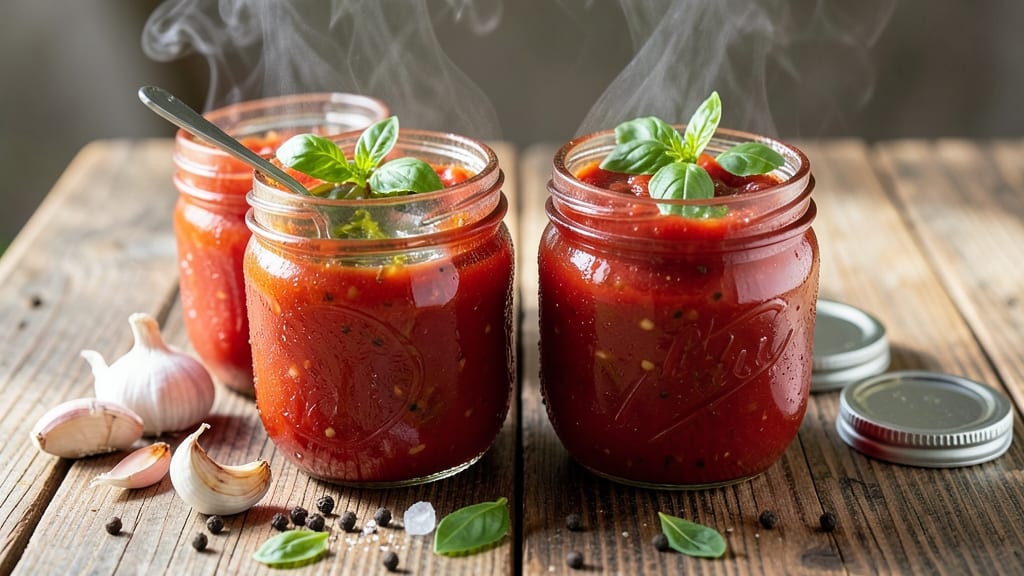
This authentic Italian tomato sauce recipe captures the soul of Nonna's kitchen—rich, balanced flavors preserved through proper canning techniques. I learned the art from my grandmother Nana Mae, who insisted on San Marzano tomatoes and slow-cooked reductions for that perfect umami depth.
The secret lies in sterilization and water bath canning to maintain safety and flavor for months without refrigeration.
What sets this sauce apart is the traditional Italian technique: simmering tomatoes with garlic, olive oil, and fresh basil until deeply concentrated. We'll use a foolproof water bath canning method that ensures shelf-stable results while preserving the sauce's vibrant character.
The key ingredients—San Marzano tomatoes, garlic, basil, and high-quality olive oil—create that authentic Italian taste you crave.
By following these steps, you'll achieve a sauce that's restaurant-quality at home, with a perfect balance of sweetness, acidity, and herbal notes. The canning process locks in flavor while extending shelf life to a year or more.
This isn't just a sauce—it's a taste of Italy preserved in your pantry, ready for pasta, pizza, or bruschetta whenever you need that authentic touch.
Safety is paramount, so we'll cover proper sterilization and canning techniques to ensure your sauce remains safe to eat for months. Whether you're a seasoned canner or trying this for the first time, this method delivers professional results with minimal stress.
Let's get started on creating your pantry staple that'll impress everyone at the table.
Ingredients for authentic italian tomato sauce recipe canning
San Marzano tomatoes, fresh basil, and Italian olive oil—these are the soul of Nonna's canned sauce.
| Ingredient | Amount | Notes |
|---|---|---|
| San Marzano Tomatoes 🍅 | 6 lbs | Whole, peeled or crushed |
| Extra-Virgin Olive Oil 🫒 | ½ cup | High quality, fruity |
| Garlic Cloves 🧄 | 6 whole | Peeled, rough chopped |
| Fresh Basil Leaves 🌿 | 1 cup | Packed, stems removed |
| Salt 🧂 | 1 ½ tsp | Diamond Crystal preferred |
| Black Peppercorns 🌶️ | ½ tsp | Freshly ground |
| White Wine Vinegar 🍷 | 2 tbsp | For acidity balance |
| Mason Jars 🥫 | 4 pieces | Pint-sized, sterilized |
| Lid Bands 🔗 | 4 pieces | New, unopened |
| Lids 🔘 | 4 pieces | Two-piece canning lids |
San Marzano tomatoes are non-negotiable here—their natural sweetness and low acidity create that authentic Italian flavor. Ball or Kerr jars are the gold standard for canning, but any reputable brand works. The olive oil should be extra-virgin and fruity, not the cheap stuff. Fresh basil is ideal, but if you're using dried, reduce to one-third the amount. Nana Mae always said, 'The best tomatoes come from the garden, but when you can't, San Marzano is the next best thing.'
No white wine vinegar? Lemon juice works in a pinch, but the flavor won't be identical. The garlic should be freshly peeled and chopped—never pre-minced from a jar. For sterilization, boil lids and bands for 10 minutes before filling jars. If you're short on basil, Italian seasoning at half the amount adds depth. The key is balancing sweetness from tomatoes with acidity from vinegar—taste as you go.
Once sealed, these jars keep for 12-18 months in a cool, dark pantry. Label them with the date—Nana Mae wrote it in pencil on masking tape. The sauce thickens as it ages, so add a splash of water or broth when reheating. Freeze extras if you won't use them within a year. This isn't just a sauce—it's a taste of Italy preserved for whenever you crave that restaurant-quality flavor.
Why You'll Love This Recipe
- No-Fuss Simplicity: I swear by this recipe because it’s actually simple—just crush tomatoes, simmer, and let the garlic and olive oil work their magic. No blenders, no fancy techniques, just a pot and 20 minutes of hands-off time while you sip wine and pretend you’re in a Tuscan kitchen.
- Sunshine in a Jar: That first taste of San Marzano tomatoes, kissed by garlic and fresh basil, hits different—bright, sweet, and layered in a way store-bought sauce never is. Honestly, I’ve sent jars to friends just to brag about how good homemade can taste.
- Weeknight Superhero: This sauce is my secret weapon for lazy nights: dump it on pasta, toss it with grilled chicken, or slather it on crusty bread. It even freezes beautifully, so I make a big batch and thank myself later when I’m scrambling for dinner ideas.
- Pantry Goldmine: A few jars of this sauce mean no more last-minute takeout runs or sad, wilted grocery-store tomatoes. Between us, I’ve saved hundreds by canning my own—plus, the flavor stays fresh for months, making it the ultimate budget-friendly flex.
Step-by-step instructions for authentic Italian tomato sauce canning
Preserving Italian flavors in your pantry starts with this no-fuss canning method.
Prepare and Sterilize Your Equipment
Begin by thoroughly washing the 4 pieces Mason Jars, 4 pieces Lids, and 4 pieces Lid Bands with hot, soapy water. Place them in a large pot and cover with water. Bring to a boil for 10 minutes to sterilize completely. This ensures your sauce stays fresh and free from contamination once canned.
While the jars sterilize, prepare your workspace by lining it with clean towels. You'll want everything ready to move quickly once the sauce is cooked. The 6 lbs San Marzano Tomatoes should be peeled and roughly chopped—this makes them easier to work with and ensures even cooking. I like to use a paring knife to score an "X" on the bottom of each tomato before blanching them in boiling water for 30 seconds to loosen the skins.
Cook the Tomato Base
In a large, heavy-bottomed pot, combine the 6 lbs San Marzano Tomatoes, 1.5 tsp Salt, and 0.5 tsp Black Peppercorns. Cook over medium-high heat, stirring occasionally, until the tomatoes break down and the mixture simmers vigorously. This should take about 20-25 minutes. You're aiming for a thick, rich consistency—almost like a chunky paste.
As the tomatoes cook, you'll notice the sauce darkening and deepening in flavor. This is where the authentic Italian taste develops. Once the mixture reaches this stage, stir in the 0.5 cup Extra-Virgin Olive Oil and 2 tbsp White Wine Vinegar. The vinegar adds a bright acidity that balances the richness, while the olive oil enhances the natural sweetness of the tomatoes.
Add Aromatics and Simmer
Add the 6 whole Garlic Cloves and 1 cup Fresh Basil Leaves to the pot. Let the mixture simmer for another 10 minutes, allowing the garlic to soften and infuse the sauce with its aromatic depth. The basil should wilt slightly but remain vibrant—this ensures the fresh flavor carries through to the canned sauce.
Here's the thing—don't rush this step. The longer the sauce simmers, the more complex the flavors become. You'll know it's ready when the garlic is tender and the basil has released its essence into the sauce. Taste it now—this is your baseline flavor before canning. Adjust the seasoning if needed, but remember, the canning process will concentrate the flavors further.
Fill and Seal the Jars
Using a ladle, carefully fill each of the 4 pieces Mason Jars with the hot tomato sauce, leaving about ½ inch of headspace at the top. This space allows the sauce to expand as it heats during processing. Wipe the rims of the jars with a clean, damp cloth to ensure a proper seal.
Place the 4 pieces Lids on the jars and screw the 4 pieces Lid Bands tightly until they're just fingertip-tight. Don't overtighten—they should be snug but not so tight that they warp the lids. Transfer the filled jars to a canning rack in a large pot, ensuring they're covered by at least 1 inch of water.
Process and Store
Bring the water to a gentle boil and process the jars for 45 minutes for pint-sized jars. This extended time ensures the sauce is safely preserved and will last for years in your pantry. Once the time is up, carefully remove the jars using tongs and let them cool on a towel-lined surface for 12-24 hours. You'll hear the lids pop as they seal—this is the sound of success!
After cooling, check that the lids have sealed by pressing down on them. If they don't pop back up, they're properly sealed. Store the jars in a cool, dark place, and your authentic Italian tomato sauce will stay fresh and flavorful for up to 1 year. When you're ready to use it, simply open a jar and heat the sauce gently on the stove—just like Nonna used to make!
Pro Tips For Making Authentic Italian Tomato Sauce Recipe Canning
- Crush Tomatoes by Hand: Skip the blender—San Marzano tomatoes release more flavor when you crush them with your fingers or a wooden spoon. The seeds and pulp break down better, giving you a smoother, richer base without the metallic taste that can come from blending. (Yes, it’s messy, but it’s worth it.)
- Sweat Garlic Low and Slow: After searing your olive oil, reduce heat to medium-low and let the garlic cook until it’s just golden—not brown. I learned this the hard way: burnt garlic turns bitter, and no amount of basil can fix it. A soft whisper of garlic is all you need.
- Salt the Water, Not Just the Sauce: Add a pinch of salt to the boiling water when blanching tomatoes (if you’re peeling) or to the canning jars before filling. This keeps the sauce from tasting flat later, especially if you’re canning for long-term storage. Trust me, your future pasta nights will notice.
- Add Basil at the End—Seriously: Toss in fresh basil leaves only after the sauce has thickened and cooled slightly. If you add them too early, they’ll turn to mush and ruin the bright, herbal finish. A handful at the end keeps that classic Italian freshness intact. (And no, dried basil won’t cut it here.)
Flavor customization for this dish
Classic Red Sauce
This is the foundation—simple, bold, and true to Italian roots. Stick with the original recipe using San Marzano tomatoes, garlic, and fresh basil for that perfect balance of sweetness and acidity. The white wine vinegar adds brightness, while the olive oil keeps it rich.
I always say, "If it ain't broke, don't fix it!" This version is foolproof for canning and tastes like Nonna's kitchen. 🍅
Spicy Arrabbiata
For heat lovers, add 1-2 tbsp of red pepper flakes or 1-2 fresh chili peppers (like arrabiata) when cooking the tomatoes. Remove the peppers after 5 minutes to prevent bitterness. I like to use Calabrian chili paste for depth—just 1 tbsp adds serious heat without overpowering.
Balance with extra basil to keep the flavors harmonious. David always says, "This one's for the brave—but worth every bite!" 🌶️
Herb-Infused Variation
Swap out the basil for a mix of oregano, thyme, and rosemary—about 1 tbsp each—for a more complex herbal profile. This works beautifully with roasted meats or hearty pasta dishes.
I discovered this version while canning for a winter potluck, and it became a crowd-pleaser. The herbs add earthy notes that pair perfectly with the tomatoes' natural sweetness. 🌿
Creamy Alfredo Twist
For a non-traditional but delicious twist, stir in ½ cup heavy cream or ½ cup whole milk during the final 5 minutes of simmering. This creates a velvety sauce perfect for canning and reheating.
I use this version for creamy pasta dishes—just add a pinch of nutmeg for warmth. Remember, cream adds richness, so reduce the olive oil slightly to balance the texture. 🥛
Garlic-Forward Version
Double the garlic to 12 cloves and add 1 tsp garlic powder for an intense garlic flavor that's perfect for garlic bread or hearty stews. Roast the garlic first for a deeper, sweeter taste.
This version is a game-changer for those who love bold garlic notes. I learned this trick from a chef in Charleston, and it's become a staple in my pantry. 🧄
Smoky Chipotle Kick
For a smoky, slightly spicy variation, add 1-2 chipotle peppers in adobo sauce (minced) along with the garlic. Simmer for 10 minutes to infuse the smoky flavor without overpowering.
This works amazingly with Mexican-inspired dishes or as a bold pizza sauce. The chipotle adds depth that pairs beautifully with the tomatoes' natural sweetness. 🔥
Nutrition facts
Frequently asked questions
Can I use regular tomatoes instead of San Marzano for canning?
While you can substitute regular tomatoes, San Marzano tomatoes are ideal for canning because of their low acidity and natural sweetness. If you use regular tomatoes, add an extra 1 tbsp of bottled lemon juice or vinegar per quart to ensure proper acidity levels for safe canning. The flavor won't be as authentic, but it will still work in a pinch.
How do I know if my canned sauce is properly sealed?
After cooling for 12-24 hours, press down on the center of each lid. If it pops back up, the jar isn't sealed. A properly sealed lid will stay concave and won't flex when pressed. If a jar fails to seal, refrigerate the sauce and use it within 1 week. The popping sound you hear while cooling is actually the lids sealing—it's a good sign!
What's the best way to reheat canned tomato sauce?
Simmer the sauce gently on the stove over low heat for 10-15 minutes, stirring occasionally. Avoid boiling, as it can make the sauce too thick. If the sauce seems too concentrated after canning, add a splash of water or broth while reheating. Some people also like to blend it briefly for a smoother texture, but I prefer keeping it slightly chunky for that authentic feel.
Can I can this sauce in larger jars (quarts) instead of pints? Yes, but you'll need to adjust processing time. For quart jars, process for 55 minutes instead of 45 minutes to ensure proper sterilization.
Why did my canned sauce turn cloudy or moldy after opening?
Cloudiness can happen if the sauce wasn't properly sealed or if it sat too long before refrigeration. Mold means the jar wasn't sterile or the seal failed. Always check for proper sealing before storing, and use opened jars within 1 year (or sooner if refrigerated). If you see any signs of spoilage, discard the sauce immediately—when in doubt, throw it out!