
Sauces & Condiments
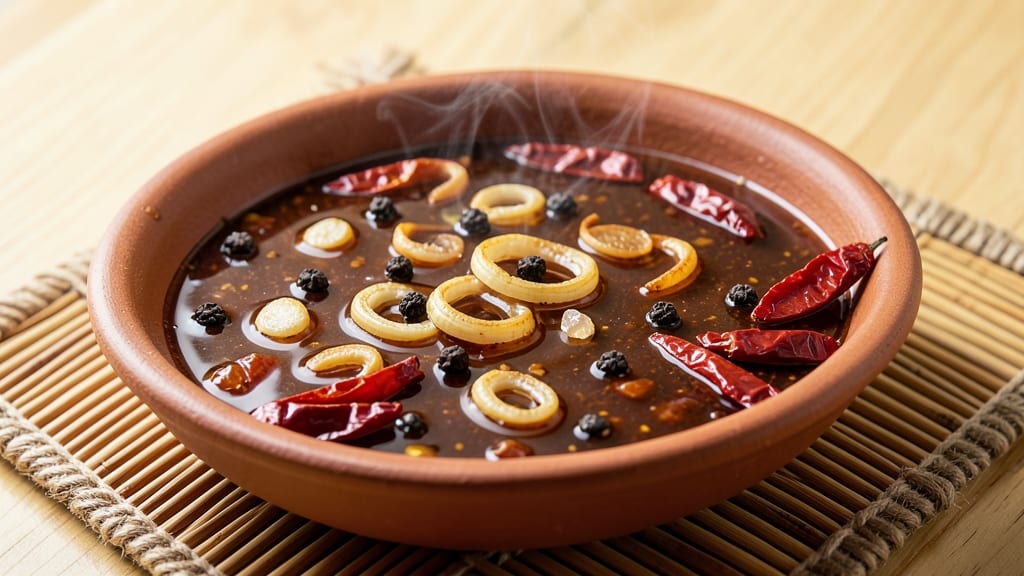
This authentic Chinese brown sauce transforms simple dishes into restaurant-quality meals with its deep umami richness and caramelized sweetness. 🌟 The secret lies in fermented soybeans, which develop complex flavors through slow simmering and traditional techniques passed down through generations.
Unlike store-bought versions, this sauce builds layers of taste—salty, sweet, and tangy—that elevate stir-fries, braised meats, and dumplings to new heights.
What sets this recipe apart is the balance of ingredients: fermented soybeans provide that signature umami depth, while rock sugar caramelizes into a glossy, aromatic glaze. A splash of rice vinegar brightens the sauce, and a touch of Sichuan peppercorns adds subtle heat for regional authenticity.
The process is straightforward but requires patience—simmering until the sauce thickens and reduces to a perfect consistency.
The result is a versatile sauce that works as a dipping sauce, stir-fry glaze, or marinade. Its complex flavor profile makes it a pantry staple, and the recipe yields enough to keep your kitchen stocked for weeks.
Whether you're cooking Cantonese-style braised dishes or Sichuan-inspired stir-fries, this sauce delivers the depth and authenticity you crave.
Store it in an airtight container in the refrigerator for up to two months, or extend its shelf life with proper canning techniques. The longer it sits, the more the flavors meld together, creating a sauce that tastes even better with time.
Let's get started on making this essential condiment from scratch.
Ingredients for authentic chinese brown sauce
Ten ingredients transform into a sauce that bridges Cantonese tradition and Sichuan depth.
| Ingredient | Amount | Notes |
|---|---|---|
| Fermented Soybeans (Douchi) 🌱 | 1 ½ cups | Traditional Chinese fermented, not sweetened |
| Rock Sugar 🍬 | ½ cup | Or substitute brown sugar in pinch |
| Shallots 🧅 | 4 whole | Minced, for aromatic base |
| Garlic Cloves 🧄 | 6 cloves | Peeled, for umami depth |
| Sichuan Peppercorns 🌶️ | 1 tsp | Lightly toasted for aromatic heat |
| Dried Red Chilies 🔥 | 2 pieces | Optional for subtle heat |
| Rice Vinegar 🍶 | ¼ cup | For bright acidity balance |
| Light Soy Sauce 🍶 | ½ cup | Kikkoman preferred for balance |
| Dark Soy Sauce 🍶 | ¼ cup | For deep color and richness |
| Sesame Oil 🫒 | 1 tbsp | Toasted, for nutty aroma |
Fermented soybeans are the heart of this sauce—authentic douchi from Chinese markets delivers the deepest umami, but substitute fermented black beans if unavailable. Rock sugar caramelizes beautifully but brown sugar works in a pinch. Shallots and garlic should be minced finely for even distribution. Sichuan peppercorns must be toasted lightly in a dry pan first to release their aromatic oils—don't skip this step. For the chilies, dried arbol peppers work best if you want subtle heat without overpowering the sauce's complexity.
No fermented soybeans? Miso paste at half the amount adds umami depth, though it lacks the traditional funk. Rock sugar unavailable? Honey or agave caramelizes similarly but won't develop the same crystalline texture. The soy sauces are non-negotiable—light and dark varieties create the signature color contrast. Sesame oil should be toasted until fragrant but not smoking—use a small saucepan to prevent burning. For a quicker version, blend all ingredients except the soybeans and sugar first, then simmer to develop flavors.
This sauce thickens as it cools, so stir occasionally during the final 10 minutes to prevent sticking. Store in a sterilized glass jar with a tight seal—refrigerate for up to 2 months or cann for 6 months. The longer it sits, the more complex the flavors become. For best results, reheat gently in a saucepan with a splash of water to restore its glossy consistency. A little goes a long way, so portion into small jars for convenience.
Why You'll Love This Recipe
- No-Chop Needed: I swear by this—just toast the shallots and garlic whole, then crush them later. The douchi’s funk does all the work; you’re basically stirring, not slaving.
- Umami Bomb: That fermented soybean paste? It’s like liquid magic—deep, salty, with a hint of funk that makes everything taste richer. The rock sugar caramelizes into a glossy, addictive finish.
- Pantry Powerhouse: Drizzle it over stir-fries, toss with noodles, or even slather it on grilled meats. Honestly, I keep a jar in the fridge because it turns bland meals into something special without extra effort.
- Lasts Forever: One batch stretches for weeks—douchi’s shelf life is insane, and the sauce only gets better as flavors meld. Between us, I’ve had this jar for months, and it’s still my go-to for quick, crave-worthy flavor.
Step-by-step instructions for authentic Chinese brown sauce
Here's how to craft this complex sauce with precision and authenticity.
🍳 Step 1: Toast the Aromatics and Spices
Heat a dry skillet over medium heat and add the 1 tsp Sichuan peppercorns and 2 pieces dried red chilies. Toast for 1-2 minutes until the peppercorns begin to pop and release their fragrant aroma. Remove from heat immediately and let cool for 30 seconds—this preserves their delicate flavors.
In a food processor, combine the toasted spices with the 4 whole shallots and 6 cloves garlic cloves. Pulse until you achieve a fine, even minced texture—this ensures even distribution of flavor throughout the sauce. The mixture should resemble wet sand with visible flecks of shallot and garlic.
🔥 Step 2: Caramelize the Aromatic Base
Transfer the minced shallot mixture to a heavy-bottomed saucepan and cook over medium-low heat with 1 tablespoon sesame oil for 8-10 minutes. Stir frequently to prevent burning while watching for the mixture to turn a deep golden brown color—this indicates proper caramelization and flavor development.
Here's the thing—don't rush this step. The caramelized aromatics form the flavor foundation of your sauce. When you smell a rich, nutty aroma with hints of sweetness, you're ready for the next phase. If it starts to darken too quickly, reduce the heat slightly to medium-low and continue cooking.
🍳 Step 3: Build the Fermented Soy Foundation
Add the 1.5 cups fermented soybeans (Douchi) to the saucepan and stir vigorously for 2-3 minutes over medium heat. The Douchi will release its characteristic funky, fermented aroma—this is essential for authentic flavor. Don't be tempted to skip this step; the fermented soybeans provide the umami depth that distinguishes this sauce.
As the mixture cooks, you'll notice it becomes thicker and develops a rich, reddish-brown color. This is where the sauce begins to transform from a simple mixture into something complex and flavorful. Keep stirring occasionally to prevent sticking—this is particularly important with the Douchi, which can burn easily.
🥘 Step 4: Balance with Sweetness and Acid
Increase heat to medium-high and add the 0.5 cup rock sugar, 0.5 cup light soy sauce, and 0.25 cup dark soy sauce. Stir constantly for 5-7 minutes until the sugar completely dissolves and the mixture reaches a thick, syrupy consistency. The sauce should coat the back of a spoon and leave a glossy sheen when drizzled.
This is where the sauce's signature sweet-savory balance develops. The rock sugar caramelizes slightly, creating depth, while the soy sauces provide the salty backbone. Taste the sauce at this stage—it should be intensely umami with a pronounced sweetness. If it's too sweet, you can add a splash of 0.25 cup rice vinegar next, but typically this stage is where the balance is achieved.
⏰ Step 5: Finish and Simmer to Perfection
Add the 0.25 cup rice vinegar and bring the sauce to a gentle simmer over low heat. Reduce heat to maintain a bare simmer and cook for 10-15 minutes, stirring occasionally. The sauce should thicken noticeably and develop a rich, glossy appearance with a deep mahogany color.
Here's what to watch for: the sauce should coat a spoon completely and leave a visible track when you run your finger through it. When you taste it, you should experience layers of flavor—fermented funk, sweet caramel notes, umami depth, and a bright acidity from the vinegar. If the sauce becomes too thick, you can thin it with 1-2 tablespoons hot water, but typically it reaches the perfect consistency at this stage.
Pro Tips For Making Authentic Chinese Brown Sauce
- Bloom the Douchi: Toss the fermented soybeans in hot oil for 30 seconds first—just until they sizzle and release their funk. I learned this the hard way: skipping this step means the sauce will taste raw and bitter, like you forgot to wake up the flavor. (Yes, even if you’re impatient like me.)
- Sweat Shallots Low: Cook the shallots on medium-low heat for 8–10 minutes until they’re translucent but not browned. After burning three batches, I finally figured out that rushing this step turns them bitter—like overcooked onions, but worse. Let them cry quietly.
- Crush Sichuan Peppercorns: Lightly toast the peppercorns in a dry pan for 1 minute, then crush them with the flat of your knife before adding to the sauce. Whole peppercorns just float like decorative rocks. My grandmother swore by this, and she was right: the aroma hits harder when they’re broken open.
- Rock Sugar First: Add the rock sugar to the pan after the shallots and garlic have softened, but before the douchi. This lets it caramelize slowly into the sauce instead of dissolving into a sticky mess. I was skeptical until I tried it—now I double-check the order.
Storing and reheating this recipe
Refrigerator Storage
Transfer your freshly made brown sauce to a sterilized glass jar with an airtight lid while it's still warm. This prevents condensation from forming inside, which can dilute flavors.
Store in the refrigerator where it'll keep for up to 2 months—the flavors actually deepen over time as the ingredients meld together.
I like to portion it into smaller jars (about ½ cup each) for convenience, so I can grab just what I need without opening the whole batch. 🌟
Freezer Preservation
For longer storage, freeze the sauce in airtight freezer-safe containers or silicone molds for easy portioning. Leave about ½ inch headspace to prevent expansion cracks. This sauce freezes beautifully for up to 6 months—the texture remains glossy when thawed properly.
When ready to use, transfer frozen portions to the fridge to thaw overnight for best results. Never microwave directly from frozen, as this can create a grainy texture. ❄️
Reheating Methods
For the best texture, reheat your brown sauce in a small saucepan over low heat with 1-2 tablespoons water to restore its glossy consistency. Stir constantly until warmed through—this usually takes about 5-7 minutes.
Avoid high heat, which can cause the sauce to separate or develop a skin. If you're in a hurry, microwave on low power (30%) for 30-second intervals, stirring between each, until fully heated. 🔥
Canning for Shelf Stability
For true pantry longevity, can your brown sauce using the water bath method. Sterilize jars and lids, then fill with hot sauce leaving ¼ inch headspace. Process in a boiling water bath for 90 minutes for quarts or 75 minutes for pints.
The sauce will keep for 12 months unrefrigerated. I recommend using Ball mason jars and following USDA guidelines for safe canning. The sealed jars make perfect gifts for fellow sauce lovers! 💛
Reviving Thickened Sauce
If your sauce thickens too much during storage, simply stir in 1 tablespoon hot water at a time until you reach the desired consistency. For extra gloss, add ½ teaspoon sesame oil while reheating—this restores that restaurant-quality sheen.
I've found that sauces stored longer than 3 weeks often need this treatment, but the extra effort is worth it for that perfect dipping consistency. The key is patience and gentle heat. ✨
Flavor Evolution
This sauce tastes even better after 3-5 days of storage as the flavors continue developing. The fermented soybeans mellow slightly while the caramelized sugars deepen. For maximum complexity, make a big batch and let it sit in the fridge for a week before using—your taste buds will thank you.
The first time I did this, I was amazed at how much richer the sauce became over time. 💡
Nutrition facts
Frequently asked questions
Can I substitute fermented soybeans (Douchi) with something else?
For the most authentic flavor, fermented soybeans are ideal, but you can use ½ cup miso paste as a substitute if unavailable. The miso won't replicate the exact funky depth, but it adds umami richness. If you're using black beans instead, soak them overnight first to soften and enhance their flavor profile.
How do I know when the sauce has reached the right consistency?
The perfect consistency is when the sauce coats the back of a spoon and leaves a visible track when drizzled. It should be thick enough to cling to ingredients but still pour smoothly. If it's too thick, add 1 tablespoon hot water at a time until it reaches the ideal texture.
Can I make this sauce without Sichuan peppercorns?
While Sichuan peppercorns add a unique aromatic heat, you can omit them or substitute ½ teaspoon ground white pepper for a milder flavor. The sauce will still be delicious—just slightly less complex. The key is balancing the other spices and aromatics to maintain depth.
Why does my sauce smell so strong when cooking?
The fermented soybeans release a pungent aroma as they cook, which is completely normal and essential for authentic flavor. Don't be alarmed—this funky smell indicates the umami depth developing. Cover the pot with a lid for the last 5 minutes of cooking to help mellow the aroma while preserving the flavor.
What's the best way to use this sauce in dishes?
This versatile sauce works as a glaze for stir-fries, a dipping sauce for dumplings, or a marinade for meats. Try brushing it on char siu pork before roasting or using it in mapo tofu for extra depth. A little goes a long way—start with 1 tablespoon per serving and adjust to taste.