
Sauces & Condiments
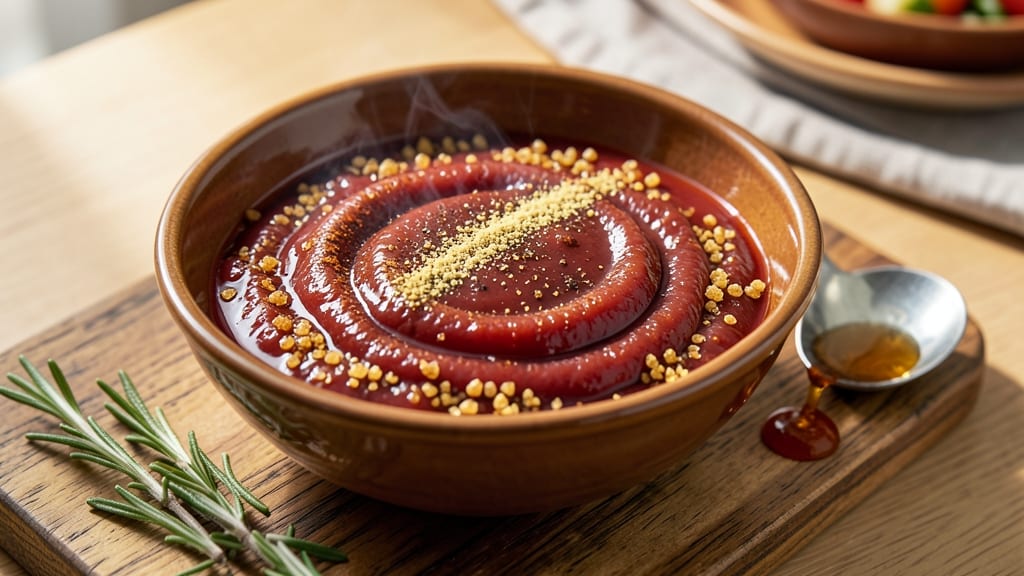
This Atkins-style barbecue sauce delivers all the bold smoky heat you crave—without the sugar crash. Traditional recipes rely on molasses and brown sugar, but this version replaces them with erythritol and apple cider vinegar for a tangy, low-carb alternative that still clings perfectly to grilled meats.
The secret lies in balancing sweetness with deep, charred flavors from smoked paprika and liquid smoke, creating a sauce that’s rich enough for ribs but versatile enough for dipping or glazing.
The recipe builds flavor through slow simmering, allowing the spices to meld without caramelization that requires sugar. You’ll start with tomato paste and vinegar for acidity, then layer in spices like cayenne and mustard powder for that signature kick.
Unlike many sugar-free sauces that taste artificial, this one develops a complex, smoky depth that stands up to pulled pork, chicken, or even grilled vegetables. The texture remains thick and glossy, perfect for basting or drizzling.
What sets this sauce apart is its ability to deliver restaurant-quality results while fitting into a low-carb lifestyle. Each batch yields about 2 cups—enough for multiple meals—and stores well in the refrigerator for up to 2 weeks.
The erythritol provides sweetness without spiking blood sugar, while the vinegar and spices create the tangy, smoky backbone that defines great barbecue sauce. It’s the kind of recipe that transforms ordinary grilled dishes into something extraordinary.
Whether you’re following Atkins or simply looking for a healthier take on classic BBQ flavors, this sauce delivers. Use it as a marinade, glaze, or dipping sauce—its versatility makes it a must-have for any low-carb cook.
The instructions are straightforward, but the flavor development is where the magic happens. Let’s get started on creating a sauce that tastes indulgent but keeps you on track.
Ingredients for atkins barbecue sauce
These 12 ingredients create bold, smoky barbecue sauce without sugar—perfect for low-carb grilling.
| Ingredient | Amount | Notes |
|---|---|---|
| Tomato Paste 🍅 | ½ cup | High-quality, no sugar added |
| Apple Cider Vinegar 🍏 | ½ cup | Raw, unfiltered preferred |
| Erythritol 🍬 | ¼ cup | Granular, not powdered |
| Smoked Paprika 🌶️ | 2 tbsp | High-quality, not sweet |
| Liquid Smoke 🔥 | 1 tbsp | Pure, no additives |
| Mustard Powder 🥬 | 1 tbsp | Yellow or Dijon |
| Cayenne Pepper 🔥 | ½ tsp | Adjust for heat preference |
| Garlic Powder 🧄 | 1 tsp | Freshly ground preferred |
| Onion Powder 🧅 | 1 tsp | Freshly ground preferred |
| Salt 🧂 | 1 tsp | Kosher or sea salt |
| Black Pepper 🌶️ | ½ tsp | Freshly ground preferred |
| Water 💧 | ½ cup | Filtered preferred |
The smoked paprika and liquid smoke are the flavor powerhouses here. Trader Joe's has a great smoked paprika that’s not too sweet, and Worcestershire-free liquid smoke is key—avoid brands with vinegar or sugar additives. Erythritol is your sugar substitute, but Swerve or Lakanto work just as well. Apple cider vinegar adds tang, so grab the raw, unfiltered kind if you can—it’s got more depth. The tomato paste? Muir Glen is my go-to—no sugar added, and it’s what I always find at the store.
No smoked paprika? Substitute with 1 tbsp regular paprika plus 1/2 tsp liquid smoke. Running low on erythritol? Xylitol or stevia blend works, but erythritol’s neutral taste is best. Mustard powder can be swapped for Dijon mustard (use half the amount). The cayenne is totally adjustable—start with less if you’re sensitive to heat. Want extra depth? Add a pinch of ground coriander or celery salt. The water is just to thin it out—adjust as needed for your desired consistency.
This sauce keeps beautifully in an airtight container for 2 weeks in the fridge. For longer storage, freeze in ice cube trays—perfect for single-use portions. It thickens as it cools, so stir in a splash of water if it gets too stiff. The flavor actually improves after a day or two as everything melds. Double the batch if you’re grilling a crowd—trust me, you’ll want leftovers.
Why You'll Love This Recipe
- Five-Ingredient Magic: I swear, this sauce comes together with just a handful of pantry staples—no fancy shopping required. That thick, smoky depth from the tomato paste and liquid smoke? Pure flavor without the sugar crash.
- Smoky-Sweet Fix: The erythritol gives it that caramelized sweetness you crave, but without the guilt, while the smoked paprika and apple cider vinegar bring this sauce to life. Honestly, it’s the kind of tangy-sweet balance that makes you reach for the bottle again.
- Weeknight BBQ Hero: Slather it on grilled chicken, drizzle it over pulled pork, or even toss it with roasted veggies—this sauce works for anything. I’ve used it for meal prep bowls, summer picnics, and even as a marinade. It’s my go-to for lazy nights.
- No-Waste Wonder: A little goes a long way, so you’ll have leftovers for days. Store it in the fridge, and it keeps its bold flavor for weeks—perfect for when you’re short on time or just don’t want to cook. Budget-friendly? Absolutely.
Step-by-step instructions for Atkins-style barbecue sauce
Here's how to make a bold, smoky sauce that won't spike your blood sugar.
Combine Wet Ingredients in a Saucepan
In a medium saucepan, combine the 0.5 cup tomato paste, 0.5 cup apple cider vinegar, and 0.5 cup water. Stir well to break up any lumps in the tomato paste—this ensures a smooth sauce from the start. I like to use a wooden spoon for this step because it helps scrape up any stubborn bits clinging to the pan.
Place the saucepan over medium heat and bring the mixture to a gentle simmer. You'll see small bubbles forming around the edges—that's your cue the liquid is heating through. Let it simmer for 5 minutes while you prepare the dry ingredients. This initial cooking step helps develop the base flavor before adding the spices.
Add Spices and Sweeteners
With the wet ingredients simmering, it's time to add the 0.25 cup erythritol, 2 tbsp smoked paprika, 1 tbsp mustard powder, 0.5 tsp cayenne pepper, 1 tsp garlic powder, 1 tsp onion powder, 1 tsp salt, and 0.5 tsp black pepper. Stir everything together thoroughly to distribute the spices evenly throughout the sauce.
Here's the thing—don't rush this mixing. I like to stir for at least 30 seconds to make sure every spoonful gets that deep smoky flavor. The erythritol will dissolve as it heats, creating a smooth texture without any graininess. Keep the heat at medium-low to prevent the sauce from boiling over as it thickens.
Incorporate Liquid Smoke and Simmer
After the spices are fully incorporated, add the 1 tbsp liquid smoke. Stir immediately to distribute it evenly—this is where the sauce gets its authentic smoky character. The liquid smoke has a strong flavor, so a little goes a long way. You'll notice the aroma become more intense right away.
Let the sauce simmer uncovered for 15-20 minutes, stirring occasionally. You're looking for it to thicken to a glossy, spoonable consistency. If it reduces too quickly, add 1 tablespoon water at a time until you reach your desired thickness. The sauce should coat the back of a spoon but still be pourable. This simmering time is crucial for developing the deep, complex flavors.
Adjust Consistency and Seasoning
Once the sauce has thickened, taste it and adjust the seasoning if needed. You might want to add a pinch more cayenne pepper for heat or a bit more salt to balance the flavors. Real talk: the erythritol might make the sauce taste slightly sweet at first, but the smoky and tangy elements will come through as it cools.
If the sauce is thicker than you'd like, thin it with 1 tablespoon water at a time until it reaches your preferred consistency. For a smoother texture, you can strain it through a fine-mesh sieve to remove any undissolved particles. Transfer the finished sauce to a clean jar and let it cool completely before storing in the refrigerator.
Pro Tips For Making Atkins Barbecue Sauce
- STIR CONSTANTLY AT FIRST: I learned this the hard way—skipping the first 5 minutes of stirring tomato paste over heat means it burns before it even starts to break down. Keep the pan moving until the paste darkens and smells rich, then you can ease up.
- USE FRESH VINEGAR: That cheap vinegar in the back of your pantry? It’s watered down and dull. Apple cider vinegar works best when it’s fresh—look for labels with no added water or preservatives. A splash of real vinegar makes the sauce tangier without overpowering.
- DILUTE LIQUID SMOKE: I was skeptical until I tried it: liquid smoke is concentrated, and dumping it straight in makes your sauce taste like a campfire disaster. Mix ½ teaspoon with 1 tablespoon water first—it blends smoother and doesn’t overpower the smoked paprika.
- SIMMER LOW AND SLOW: High heat turns this sauce bitter fast. After the initial cook, drop the heat to a gentle simmer (barely bubbling) and let it thicken naturally. Rushing it means a gloppy, underdeveloped sauce—patience here makes all the difference.
Essential equipment for this dish
Saucepan Essentials
Start with a medium saucepan that has a 3-quart capacity—this gives you room to stir without splattering while keeping heat control precise. I swear by All-Clad stainless steel because it distributes heat evenly and prevents scorching.
If you're on a budget, a Calphalon non-stick saucepan works well too, but avoid cheap aluminum pans that can react with acidic ingredients like vinegar. 🔥
Wooden Spoon
A wooden spoon is non-negotiable for stirring this sauce. The gentle heat transfer prevents hot spots that can burn the tomato paste, and the natural texture helps scrape up any stuck-on bits.
I keep a Oxo Good Grips in my kitchen—it’s sturdy and stays cool to the touch even with prolonged use. Avoid metal spoons that can scratch your pan or create sharp edges.
Fine-Mesh Sieve
For that ultra-smooth texture, a fine-mesh sieve is your best friend. I use a Eberhardt stainless steel one with 0.03-inch holes—it catches even the tiniest undissolved particles while letting the sauce flow through beautifully.
If you don’t have one, a clean coffee filter in a pinch works, but it might slow you down. Strain the sauce into a clean jar before storing for the silkiest results.
Measuring Spoons
Precision matters with spices, so invest in a set of stainless steel measuring spoons with clear markings. I recommend OXO Good Grips—they’re easy to read and won’t rust. For the cayenne pepper and liquid smoke, a ¼-teaspoon measure is critical since these ingredients pack a punch.
Don’t eyeball it—trust me, your taste buds will notice the difference. 🌶️
Liquid Smoke Bottle
Use a dropper bottle for the liquid smoke to control the amount precisely. I prefer Altoids-style mini bottles because they’re easy to store and let you dispense just ¼-teaspoon at a time.
Avoid the spray bottles—you can’t measure accurately, and the mist can irritate your eyes. Store it in a cool, dark place away from heat sources to preserve its potency.
Storage Containers
For leftovers, airtight glass jars are the gold standard. I love Le Parfait 16-ounce jars—they’re sturdy, microwave-safe, and let you see the sauce’s rich color. Label them with the date so you can track freshness.
If you’re freezing portions, use silicone ice cube trays for single-use servings—just pop out a cube and toss it in your saucepan for quick glazing. ❄️
Nutrition facts
Frequently asked questions
Can I substitute erythritol with another sweetener?
Yes, but results may vary. Swerve (erythritol blend) or Lakanto (monk fruit) work 1:1, while stevia requires ½ the amount (start with ¼ cup and adjust). Xylitol is also an option, but it has a slight cooling aftertaste. The key is balancing sweetness with the sauce's tangy, smoky flavors—taste as you go!
Why does my sauce taste too sweet?
The erythritol may dominate initially, but the apple cider vinegar and smoked paprika will balance it as it cools. For a less sweet profile, reduce the erythritol to ¼ cup and add 1 extra tbsp vinegar. Simmering longer (up to 25 minutes) also helps mellow the sweetness while deepening the smoky flavor.
Can I make this sauce without liquid smoke?
Replace the 1 tbsp liquid smoke with 1 tbsp extra smoked paprika plus ½ tsp liquid smoke-free chipotle powder. For a smokier depth, add ½ tsp smoked salt (like Mortons). The sauce will still have a rich, charred flavor—just a slightly different profile. Simmer for 5 extra minutes to enhance the smokiness.
How do I adjust the heat level?
Start with the ½ tsp cayenne as written, then adjust in ¼-tsp increments. For mild heat, reduce to ¼ tsp or omit entirely. For extra kick, add ½ tsp chipotle powder or ¼ tsp red pepper flakes. Always taste before serving—heat builds as the sauce cools, so err on the lighter side if you're unsure.
Can I use this sauce for slow-cooker meats?
Yes! Add ½ cup sauce during the last 2 hours of cooking (for pork shoulder) or 1 hour (for chicken). The low-and-slow process lets the flavors meld beautifully. For extra richness, reduce the sauce by ⅓ before adding—simmer 10 minutes uncovered to thicken it first. Avoid adding it too early, or the vinegar may make the meat mushy.