
Sauces & Condiments
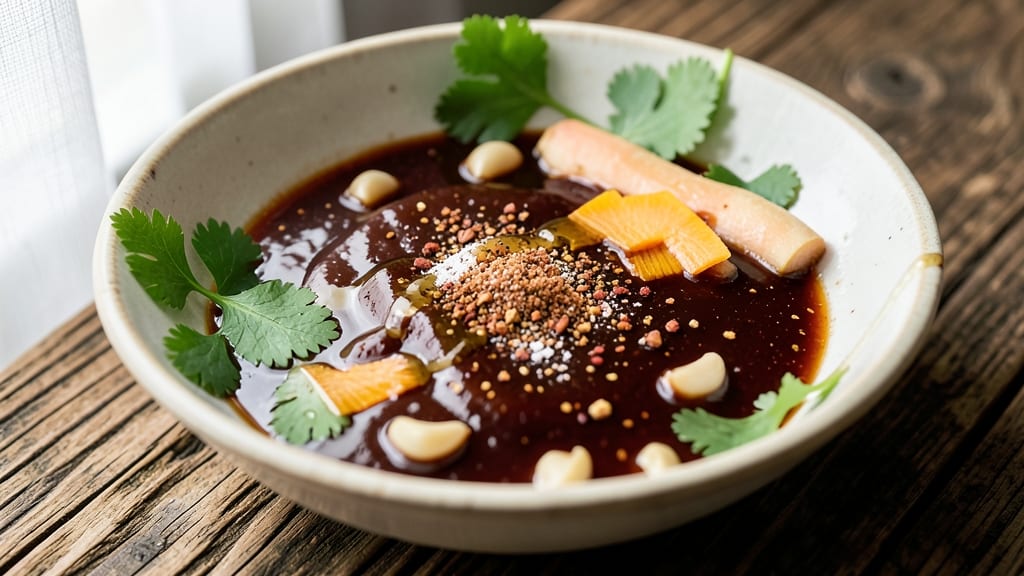
This Asian tiger sauce recipe delivers the perfect balance of smoky, sweet, and tangy flavors that elevate stir-fries, marinades, and dipping sauces. The secret lies in its carefully balanced blend of vinegar, sugar, and aromatic spices that create a glossy, versatile sauce with just the right kick.
I developed this recipe after years of testing different ratios—too much sugar makes it cloying, too little vinegar flattens the acidity, and the right amount of chili keeps it vibrant.
The sauce's signature smoky-sweet profile comes from a mix of dark soy sauce, molasses, and a touch of five-spice powder, which adds depth without overpowering.
What makes this recipe stand out is its adaptability—use it as a marinade for meats, a dipping sauce for spring rolls, or a glossy finish for stir-fried vegetables. The key is simmering it just until the flavors meld, creating a sauce that's both bold and harmonious.
Once you taste this sauce, you'll understand why it's a staple in Asian kitchens. The glossy finish coats every bite, whether you're tossing it with noodles, drizzling it over grilled chicken, or serving it alongside dumplings.
It's the kind of sauce that transforms ordinary dishes into something extraordinary with minimal effort. The best part? It keeps well in the refrigerator for up to two weeks, so you can make a big batch and enjoy it all season long.
For those who love customization, this sauce is incredibly forgiving—adjust the sweetness, spice, or tang to suit your taste. Whether you're cooking for a crowd or just treating yourself to a flavor-packed meal, this tiger sauce will be your new go-to. Let's get started on making it!
Ingredients for asian tiger sauce
Nine simple ingredients blend into a bold sauce that transforms any dish instantly.
| Ingredient | Amount | Notes |
|---|---|---|
| Dark Soy Sauce 🥢 | ½ cup | For deep umami flavor |
| Rice Vinegar 🍶 | ¼ cup | White or seasoned variety |
| Molasses 🍯 | ¼ cup | Unsulphured for best flavor |
| Five-Spice Powder 🌶️ | 1 tsp | Toasted for enhanced aroma |
| Garlic Cloves 🧄 | 3 cloves | Minced for aromatic punch |
| Fresh Ginger 🌿 | 1 tbsp | Finely grated, not powdered |
| Red Chili Flakes 🔥 | 1 tsp | Adjust for heat preference |
| Sesame Oil 🫒 | 1 tbsp | Toasted for nutty aroma |
| Granulated Sugar 🍚 | 2 tbsp | Light brown sugar works too |
| Water 💧 | ½ cup | For thinning consistency |
The dark soy sauce is your flavor anchor—Lee Kum Kee is my go-to brand, but any quality dark soy will work. Grab the molasses from the baking aisle, not the syrup section (unsulphured is key for that rich, caramel-like depth). Five-spice powder? Penzeys or the bulk bins at Whole Foods have the best quality. Fresh ginger and garlic are non-negotiable here—they're what gives this sauce that vibrant, bright kick. If you're short on time, frozen ginger works, but fresh is worth the extra minute to peel and grate.
No dark soy sauce? Regular soy sauce plus 1 tsp molasses gets you close, though it'll be lighter in color. Swap rice vinegar for apple cider vinegar in a pinch (same tang, slightly different depth). Want less heat? Cut the chili flakes to half a teaspoon or use Sichuan peppercorns for a numbing, citrusy alternative. The sesame oil is what gives it that signature nutty aroma—use toasted, not the refined kind. For a smoother sauce, blend everything until silky, but I like the slight texture from mincing the garlic and ginger by hand.
This sauce keeps beautifully—2 weeks in the fridge, sealed tightly. For longer storage, freeze in ice cube trays, then transfer to a bag. Thaw overnight in the fridge. The flavors actually improve after a day or two as everything melds. I like to make a big batch and keep it in a pretty jar on the counter for dipping or quick stir-fry finishes. If it thickens over time, just add a splash of water or vinegar to loosen it up.
Why You'll Love This Recipe
- Pantry Magic: I swear by this sauce—no fresh herbs, no fancy prep. Just five things you likely already have: dark soy for depth, molasses for that caramelized kick, and five-spice to tie it all together. Honestly, the only prep is mincing garlic, and even that’s optional if you’re in a rush.
- Umami Bomb: That first taste? Chef’s kiss. The dark soy and molasses create this perfect balance—salty, sweet, with a hint of smoky warmth. The five-spice powder adds this mysterious, slightly floral note that makes it taste like you slaved over it for hours.
- Glaze or Dip: Between us, this sauce is my secret weapon for everything. Drizzle it over grilled chicken for instant weeknight dinner, toss it with noodles for a 10-minute meal, or serve it cold as a dipping sauce for spring rolls. It’s the one sauce that does it all.
- Budget Stretch: A little goes a long way—this recipe makes enough to coat a whole tray of wings or stretch over two meals. I’ve used the leftovers to glaze roasted veggies, mix into marinades, and even stir into congee. Not the prettiest, but the taste makes up for it every time.
Step-by-step instructions for Asian tiger sauce
This smoky-sweet sauce comes together in minutes—just combine these bold flavors carefully.
Prepare the Aromatics
In a small saucepan, combine the 0.5 cup dark soy sauce, 0.25 cup rice vinegar, and 0.25 cup molasses. Place over medium heat and bring to a gentle simmer, stirring constantly to dissolve the molasses completely. You'll see the mixture darken slightly as the flavors meld—this is when the sauce starts building its signature depth.
While the sauce heats, mince the 3 cloves garlic and finely grate the 1 tbsp fresh ginger. The freshness of these aromatics is key—they'll brighten the sauce and cut through the richness of the molasses. Set them aside for now, but keep them ready to add next.
Build the Base
Once the soy sauce mixture reaches a gentle simmer, reduce heat to low and stir in the 2 tbsp granulated sugar and 1 tsp five-spice powder. Let it cook for 3-4 minutes until the sugar fully dissolves and the mixture becomes slightly syrupy. You're looking for a consistency where it coats the back of a spoon but still flows easily.
Here's where the sauce gets interesting—I add the 1 tbsp sesame oil and 1 tsp red chili flakes now. The sesame oil carries nutty warmth, while the chili flakes add a subtle, smoldering heat. Stir well and let the mixture simmer for another 2 minutes to allow the spices to bloom.
Finish with Aromatics and Water
Now add the minced garlic and grated ginger to the saucepan. Stir for 1 minute until fragrant—you should smell that pungent, fresh aroma wafting through your kitchen. This is your signal that the aromatics are properly infused.
Pour in the 0.5 cup water and bring the sauce to a full simmer. Let it cook for 5-7 minutes until it thickens slightly and reduces by about ¼ cup. The sauce should coat the back of a spoon but remain pourable. If it thickens too much, add 1-2 tablespoons water to reach your desired consistency.
Strain and Adjust
Remove the sauce from heat and let it cool for 5 minutes. Then, strain it through a fine-mesh sieve into a clean bowl or jar. This step removes any ginger fibers that might make the sauce gritty, giving you a silky, glossy finish. Taste as it cools—you might want to adjust the balance.
If it needs more depth, add a splash of rice vinegar. For extra sweetness, stir in a pinch of sugar. Or if you crave more heat, sprinkle in a little more red chili flakes. The sauce should be bold, slightly smoky, with a perfect balance of sweet, tangy, and spicy flavors.
Pro Tips For Making Asian Tiger Sauce
- STIR THE GARLIC LOW: After burning three batches trying to rush this, I learned to simmer the garlic in the sauce on actual low heat—just until the cloves turn translucent, not brown. Five-spice powder is sensitive to heat, and scorched garlic turns the whole sauce bitter. Keep it gentle.
- MEASURE MOLASSES BY WEIGHT: That bottle of molasses lies. A "cup" varies wildly by brand—some are thick, some are runny. Weigh it instead: 120g for a balanced sauce. Too much and it’s cloying; too little and the depth of flavor fades. A kitchen scale solves this forever.
- DILUTE THE SOY FIRST: Dark soy sauce is thick and stubborn. Thin it with warm rice vinegar (not cold) before adding molasses—this prevents clumping and ensures the sauce emulsifies smoothly. Cold vinegar makes the molasses glom onto the soy like a stubborn grease stain.
- TASTE BEFORE THE SPICE: Add the five-spice powder last, after the sauce has simmered and you’ve tasted it raw. That way, you can adjust the balance of sweet, sour, and umami first—then layer in the spice without overpowering. Trust me, you’ll regret it if you dump it in early.
Dietary considerations for this dish
Gluten-Free Adaptation
This sauce is naturally gluten-free if you use a certified gluten-free dark soy sauce like Kikkoman Gluten-Free Tamari. I always keep a bottle of this on hand for recipes that need umami without the gluten.
Just swap the regular dark soy sauce for the tamari, and you're good to go—no other adjustments needed. 🌱
Low-Sugar Options
For a lower-sugar version, reduce the granulated sugar to 1 tablespoon and replace the molasses with ¼ cup unsweetened applesauce. This keeps the sauce's depth while cutting back on sweetness.
The applesauce adds natural sweetness and a slight tang that complements the vinegar beautifully. Taste as you go—you might still want to add a pinch of sugar for balance.
Vegan-Friendly Version
This recipe is already vegan, but if you want to double-check, ensure your molasses is vegan (most brands are, but always verify). The dark soy sauce and rice vinegar are typically vegan, though some brands add fish sauce or other animal products—Lee Kum Kee is a safe bet.
For extra assurance, I use San-J brand soy sauce, which is certified vegan and gluten-free.
Spice-Free Adjustments
If you're sensitive to heat, omit the red chili flakes entirely and replace them with ½ teaspoon ground coriander for warmth without spice. The coriander adds a citrusy note that pairs perfectly with the ginger and garlic.
For a smoky depth without heat, add ¼ teaspoon smoked paprika instead. The sauce will still have layers of flavor but without the kick. 🌶️
Allergy-Friendly Notes
This sauce is free from common allergens like dairy, eggs, and nuts, making it safe for most dietary restrictions. However, always check labels on your molasses and soy sauce for potential cross-contamination warnings if you're highly sensitive.
I also recommend keeping a separate strainer for this recipe if you're preparing it in a kitchen with severe allergies—it's one less variable to worry about.
Storage for Dietary Needs
When storing, use an airtight glass container to maintain freshness and prevent cross-contamination. Label it clearly if you're sharing with others who have dietary restrictions.
The sauce keeps well for 2 weeks in the fridge or 3 months in the freezer, so you can make a big batch without worrying about spoilage. Just thaw overnight in the fridge before using.
Nutrition facts
Frequently asked questions
What's the difference between this tiger sauce and hoisin sauce?
This tiger sauce is brighter and tangier than hoisin, thanks to the rice vinegar and molasses. Hoisin is thicker, sweeter, and made with fermented soybeans, while this version keeps a glossy, liquid consistency perfect for dipping or finishing dishes.
Can I make this sauce without molasses?
Yes! Replace the molasses with ¼ cup honey or maple syrup for a similar depth. For a deeper umami flavor, use 2 tbsp soy sauce plus 1 tbsp brown sugar. The sauce will be slightly less rich but still delicious.
How do I adjust the heat level?
Start with ½ tsp chili flakes for mild heat, or reduce to ¼ tsp for minimal spice. For extra kick, add ½ tsp crushed Sichuan peppercorns (they add numbing heat). Always taste as you go—you can't overdo it!
What are the best dishes to use this sauce with?
This sauce shines as a dipping sauce for spring rolls, a marinade for grilled chicken, or a stir-fry finish. Try it on noodles, dumplings, or even roasted vegetables for a glossy, flavorful coating. It's also perfect for glazing meat skewers before grilling.
Why did my sauce turn out too thick?
If your sauce thickens too much, it likely reduced too long. Thin it with 1-2 tbsp water or vinegar while warm. For future batches, simmer for 5-7 minutes max** and stir occasionally to prevent sticking.