
Sauces & Condiments
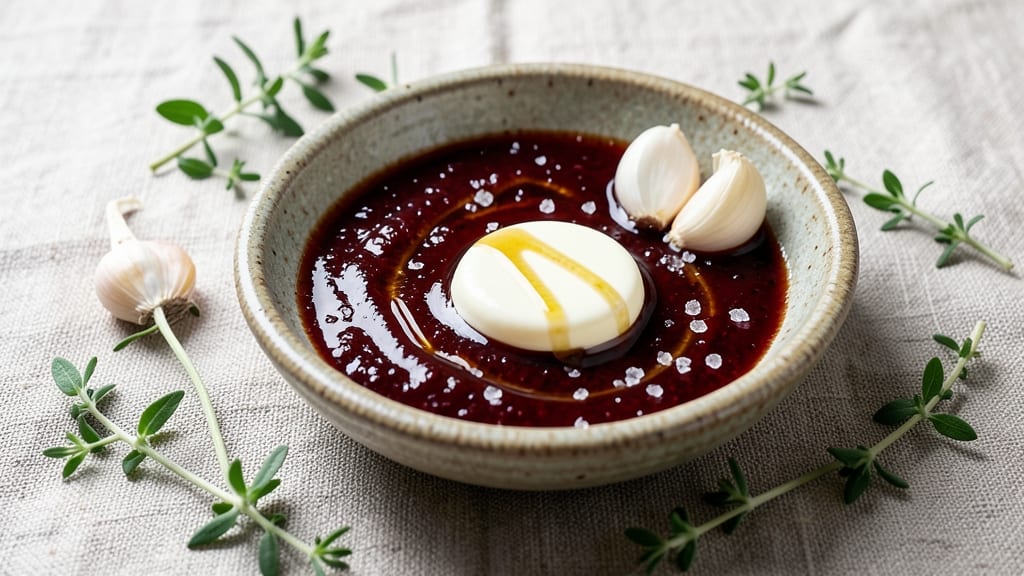
This balsamic vinegar dipping sauce transforms simple ingredients into a sweet-tangy glaze that elevates breadsticks, fries, and grilled meats with restaurant-quality flair. The secret lies in balancing balsamic vinegar's bold acidity with honey or sugar, creating a sauce that's both complex and approachable—perfect for dipping, drizzling, or finishing dishes.
The process is straightforward: simmer balsamic vinegar with sweetener until thickened, then finish with butter for richness. This foolproof method delivers a glossy, syrupy sauce that clings beautifully to foods while enhancing their natural flavors. No special equipment is needed—just a saucepan and patience for the reduction.
What you'll achieve is a versatile sauce with deep caramel undertones and a perfect balance of sweetness and acidity. It's ideal for dipping warm breadsticks, brushing over grilled chicken, or drizzling over salads for a gourmet touch.
The sauce keeps well in the fridge for up to two weeks, making it a pantry staple.
For extra depth, consider adding garlic, herbs, or a splash of citrus—each variation opens new possibilities while maintaining the sauce's core versatility. Let's create this crowd-pleasing condiment that brings restaurant-quality flavor to your table.
Ingredients for balsamic vinegar dipping sauce
Eight essential ingredients create this restaurant-worthy balsamic glaze perfect for dipping and drizzling.
| Ingredient | Amount | Notes |
|---|---|---|
| Balsamic Vinegar 🍷 | 1 cup | High-quality aged balsamic preferred |
| Honey 🍯 | ½ cup | Wildflower or clover variety recommended |
| Unsalted Butter 🧈 | 2 tbsp | Cold, cubed for finishing |
| Granulated Sugar 🍚 | 2 tbsp | Light brown sugar for deeper caramel |
| Fresh Garlic Cloves 🧄 | 2 cloves | Minced for aromatic depth |
| Fresh Thyme Leaves 🌿 | ¼ cup | Or 1 tsp dried thyme |
| Sea Salt 🧂 | ½ tsp | Fine grain preferred |
| Black Peppercorns 🌶️ | ¼ tsp | Freshly cracked for texture |
The balsamic vinegar should be aged—look for 'traditional' or 'extra aged' labels at specialty stores like Whole Foods or Trader Joe's. Honey quality matters too; local wildflower varieties add subtle floral notes. Butter should be cold when added to prevent curdling. For sugar, light brown sugar caramelizes more beautifully than white. Fresh thyme from the market's herb section (not dried) delivers the brightest flavor profile. Garlic cloves should be peeled and minced just before use to preserve their aromatic oils.
No aged balsamic? Substitute with 1/4 cup red wine vinegar plus 1/4 cup balsamic cream for depth. Honey unavailable? Maple syrup or agave nectar work at the same ratio. Butter substitutes include vegan butter or coconut oil for plant-based versions. Skip the sugar? Use 2 tbsp more honey instead. Thyme can be swapped for rosemary or basil at equal amounts. For a citrus twist, add 1 tbsp lemon juice at the end. Always taste as you reduce—adjust sweetness with sugar or acidity with vinegar.
Store the finished sauce in an airtight container in the fridge for up to 2 weeks. For longer storage, transfer to a sterilized jar and refrigerate for 3 months. Reheat gently in a saucepan over low heat, stirring constantly. The sauce thickens as it cools—add a splash of warm water if needed. This sauce freezes beautifully for 6 months; thaw in the fridge and reheat before use. Portion into ice cube trays for single-use servings perfect for dipping or finishing dishes.
Why You'll Love This Recipe
- Here’s what sold me: this sauce actually improves the next day. The flavors meld even more, and it keeps well in the fridge for up to a week. I’ll often make a double batch because I can’t resist using it twice—once fresh, once reheated. Budget-friendly? Absolutely. Waste-free? Even better.
- Five-Ingredient Magic: I swear, this sauce proves you don’t need a fancy pantry—just balsamic, honey, butter, sugar, and garlic. That’s it. The butter melts into the garlic while the balsamic simmers down into something rich, and honestly? It’s the kind of recipe that makes me feel like a chef without the stress.
- Sweet-Savory Balance: The honey and sugar cut through the sharpness of the balsamic, but don’t worry—it’s not cloying. That roasted garlic clove? It adds depth without overpowering, and the butter ties everything together so smoothly. It’s the perfect harmony of tangy, sweet, and umami in every bite.
- Game for Any Occasion: Between us, this sauce is my secret weapon for game night, charcuterie boards, or even as a quick weeknight dip for fries. I’ve drizzled it over grilled chicken, tossed it with roasted veggies, and used it to glaze pork chops. It’s that versatile—no two uses feel the same.
Step-by-step instructions for balsamic vinegar dipping sauce
This rich, velvety glaze balances sweetness and acidity perfectly—ideal for breadsticks, fries, or grilled meats.
Simmer the Balsamic and Honey
In a medium saucepan, combine the 1 cup balsamic vinegar and 0.5 cup honey. Place over medium-high heat and bring to a gentle boil, stirring occasionally to prevent scorching. The mixture will bubble vigorously at first, but reduce heat slightly once boiling to maintain a steady simmer.
Watch closely as the sauce thickens—this takes about 10-12 minutes. You'll notice the color deepen from ruby red to a glossy mahogany hue, and the aroma will shift from sharp vinegar to a complex, caramelized sweetness. This reduction is critical; it concentrates the flavors and creates that signature glossy finish.
Add Sugar and Garlic
Once the balsamic-honey mixture has reduced by about half (it should coat the back of a spoon), stir in the 2 tablespoons granulated sugar and 2 minced garlic cloves. Increase heat to medium and let it simmer for another 3-4 minutes, stirring frequently. The sugar will dissolve completely, and the garlic will infuse its aromatic punch without burning.
Here's where the sauce transforms—this is the moment that matters. The sugar helps balance the acidity while the garlic adds depth. If you smell a sharp garlic aroma, reduce heat immediately to prevent bitterness. The sauce should smell rich, slightly floral, and deeply savory.
Incorporate Thyme and Seasonings
Remove the saucepan from heat and let it cool slightly for 2 minutes. This brief rest prevents the thyme from releasing its oils too aggressively when added. Stir in the 0.25 cup fresh thyme leaves, 0.5 teaspoon sea salt, and 0.25 teaspoon freshly cracked black peppercorns. The thyme should be distributed evenly—its bright, herbal notes cut through the sweetness beautifully.
Taste the sauce at this stage. It should be tangy-sweet with a subtle herbal backbone. If it needs more balance, add a pinch of salt or a splash of water (about 1 tablespoon) to adjust consistency. The sauce should coat a spoon but still flow smoothly—not so thick it clings like syrup.
Finish with Butter for Richness
Return the sauce to low heat and whisk in the 2 tablespoons cold cubed butter, one piece at a time, until fully melted and emulsified. This step elevates the sauce from good to extraordinary—the butter adds a luxurious mouthfeel and rounds out the flavors. The sauce should now be glossy, velvety, and perfectly balanced.
For an extra-professional touch, strain the sauce through a fine-mesh sieve to remove any thyme stems or garlic bits. This ensures a silky texture without compromising flavor. Transfer to a clean jar or bowl and let it cool to room temperature before serving. The sauce will thicken slightly as it cools, so adjust consistency with a splash of water if needed.
Pro Tips For Making Balsamic Vinegar Dipping Sauce
- Simmer Slow and Low: The first time I rushed this, the butter separated like a sad salad dressing. Warm your sauce over low heat—just until the butter melts and the garlic softens into perfume, not a crispy crunch. If it smells like garlic overpowering everything, you went too far.
- Use Real Balsamic, Not Fancy Vinegar: Cheap balsamic vinegar tastes like someone soaked a raisin in regret. For this sauce, grab a reduction (aged 25+ years) or even a good-quality balsamic glaze—it’s sweeter, richer, and won’t make your dip taste like a science experiment. If you’re broke, at least use the dark stuff, not the clear white vinegar pretending to be fancy.
- Mince Garlic Like You Mean It: Thin slices of garlic? Nope. This sauce needs minced garlic—tiny, even bits that disappear into the sauce. If you’re lazy and just smash it with the flat of your knife, you’ll get a mouthful of texture instead of flavor. Do the work: chop it fine or pulse it in a food processor for 2 seconds—just enough to break it down.
- Balance Sweetness Before You Taste: Add the sugar first, then adjust honey. I used to eyeball it and end up with something cloying or bland. Start with 1 tablespoon sugar, then taste—if it’s too sharp, add honey (½ tablespoon at a time). If it’s too sweet, a splash of vinegar cuts through. Trust your tongue, not your memory of what “balanced” tastes like.
Flavor customization for balsamic vinegar dipping sauce
Sweetness Variations
For a lighter touch, reduce honey to 3 tablespoons and add 1 tablespoon maple syrup for a subtler sweetness with earthy undertones. I love this version when pairing with delicate seafood or fresh mozzarella.
Alternatively, swap half the honey for agave nectar—it caramelizes beautifully while keeping the sauce vegan-friendly. 🍯
Herb Alternatives
Fresh thyme works beautifully, but rosemary adds piney depth perfect for grilled meats. Use 1 sprig (about 1 tablespoon chopped) instead of thyme. For a Mediterranean twist, try 1 tablespoon fresh basil with 1 teaspoon lemon zest—this brightens the sauce and pairs wonderfully with bruschetta.
Dried herbs work in a pinch, but fresh always delivers superior flavor.
Spicy Kick Options
Add ½ teaspoon red pepper flakes during the final simmer for a subtle heat that lingers. For more intensity, stir in 1 teaspoon hot honey or 1 minced jalapeño (seeds removed) when incorporating the butter.
I recommend this spicy version with fried chicken or crispy tofu—it adds excitement without overpowering the sauce’s sweet-tangy balance. 🌶️
Citrus Brightness
Finish with 1 tablespoon freshly squeezed lemon juice or orange zest to cut through the richness. The acidity refreshes the palate, making this sauce ideal for seafood or summer salads.
For a tropical twist, add ½ teaspoon grated ginger with the garlic—it enhances the sauce’s complexity beautifully. Always taste before serving to adjust balance.
Umami Depth
Boost savory notes by adding 1 teaspoon soy sauce or 1 anchovy fillet (finely chopped) when simmering the balsamic. This works surprisingly well and adds depth without altering the sauce’s sweet-tangy profile.
For a vegetarian option, use 1 teaspoon miso paste instead. I find this version particularly satisfying when dipping hearty breadsticks or grilled vegetables.
Texture Adjustments
For a chunkier texture, stir in 1 tablespoon finely chopped shallots or garlic during the final simmer. If you prefer extra gloss, add 1 teaspoon cornstarch mixed with 1 tablespoon water at the end and simmer for 1 minute to thicken.
The sauce should coat the back of a spoon but remain pourable—this ensures it works as both a dip and a glaze. 💫
Nutrition facts
Frequently asked questions
Can I make this sauce without honey?
Swap the 0.5 cup honey for 0.5 cup maple syrup or 0.4 cup agave nectar for a vegan-friendly version. For a lighter touch, use 2 tablespoons more balsamic vinegar and reduce the sugar to 1 tablespoon—the extra vinegar adds acidity while keeping the sauce balanced.
How do I prevent the sauce from getting too thick?
If your sauce thickens more than desired, simply add 1-2 tablespoons warm water while stirring on low heat. For a smoother texture, strain through a fine-mesh sieve after adding butter. The sauce will naturally thicken as it cools, so adjust consistency while still warm. Always taste and adjust gradually—this sauce is forgiving!
What's the best way to store leftover sauce?
Transfer to an airtight container and refrigerate for up to 2 weeks. For longer storage, freeze in ice cube trays for single-use portions (up to 6 months). Thaw overnight in the fridge and reheat gently in a saucepan with 1 tablespoon water to restore its glossy texture. Never microwave—it can break the sauce's emulsion.
Can I use this sauce on cold dishes?
While it's perfect for warm breadsticks or fries, this sauce works beautifully on cold dishes too! Drizzle over chilled pasta salads, caprese skewers, or crudité platters for a sweet-tangy contrast. The cool temperature actually enhances the sauce's complexity. For extra shine, reheat briefly before serving on cold dishes.
Why did my sauce turn bitter?
Bitter flavor usually means the vinegar reduced too long or the garlic burned. Next time, reduce heat after boiling and remove from heat 1-2 minutes early. For burnt garlic, strain the sauce through a fine-mesh sieve to remove any bitter bits. If the sauce tastes too sharp, balance it with 1 extra tablespoon honey or 1 teaspoon sugar while warm.