
Sauces & Condiments
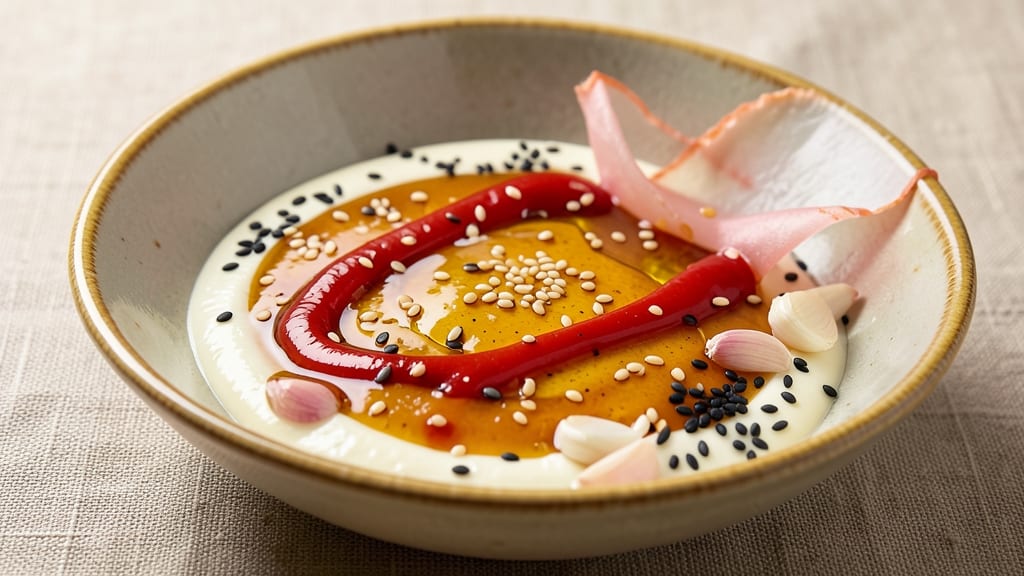
This Asian sesame sauce recipe transforms simple pantry staples into a nutty, umami-packed drizzle that elevates stir-fries, noodles, and grilled proteins. The secret lies in balancing toasted sesame oil with soy sauce and vinegar, creating a sauce that’s both bold and versatile.
What sets this version apart is the emulsification technique—no blender required—that ensures a silky, clingy texture every time.
The magic happens when you whisk together sesame oil, soy sauce, rice vinegar, and a touch of honey or sugar for depth. A splash of warm water helps create that signature smooth consistency, while a final drizzle of sesame oil just before serving adds an aromatic finish.
This sauce isn’t just for dipping—it marries perfectly with grilled chicken, roasted vegetables, or even drizzled over ramen for instant restaurant-quality flavor.
What you’ll end up with is a foolproof sauce that delivers restaurant-quality results in just 10 minutes. The nutty aroma of toasted sesame oil blends seamlessly with the savory-sweet balance, making it a pantry essential.
Whether you’re prepping a weeknight meal or hosting a dinner party, this sauce is the game-changer your kitchen needs.
Use it as a marinade, dipping sauce, or finishing drizzle—its adaptability makes it a must-have for any cook. The best part? It keeps well in the fridge for up to a week, so you can make a batch and enjoy it all week long. Let’s make this sauce!
Ingredients for asian sesame sauce
Eight pantry staples create this restaurant-quality umami-packed sesame sauce in minutes.
| Ingredient | Amount | Notes |
|---|---|---|
| Toasted Sesame Oil 🫒 | ¼ cup | High-quality, nutty aroma preferred |
| Light Soy Sauce 🍶 | ⅓ cup | Kikkoman preferred for balance |
| Rice Vinegar 🍶 | ¼ cup | Seasoned for extra depth |
| Honey 🍯 | ⅛ cup | Or agave for vegan option |
| Sesame Seeds 🌱 | 2 tbsp | Toasted lightly for extra flavor |
| Garlic Cloves 🧄 | 2 cloves | Freshly minced for pungency |
| Ginger Root 🌿 | 1 tbsp | Freshly grated, aromatic |
| Water 💧 | ¼ cup | Warm for smooth consistency |
| Salt 🧂 | ½ tsp | Diamond Crystal preferred |
The sesame oil is non-negotiable—Kadoya or La Choy brands deliver that authentic toasted aroma. Grab the light soy sauce (not dark) for subtle sweetness, and seasoned rice vinegar from the Asian aisle adds complexity. Honey or agave? Local raw honey has more depth, but agave works in a pinch. Toast your sesame seeds in a dry pan for 30 seconds until fragrant—that nutty aroma is everything. Fresh garlic and ginger are worth the effort, but jarred minced works if you're short on time. The water should be warm (not hot) to help emulsify the sauce properly.
No sesame oil? Peanut butter plus a pinch of cinnamon mimics the nutty profile. Substitute balsamic vinegar for rice vinegar if that's what you have. Honey too expensive? Maple syrup or brown sugar dissolved in warm water works beautifully. The garlic and ginger can be swapped for 1 tbsp garlic powder plus 1 tsp ground ginger, though fresh is ideal. For a tangier sauce, add 1 tsp of fish sauce (omit if vegan). The salt is crucial—Diamond Crystal kosher dissolves best, but sea salt works too. Taste as you go and adjust accordingly.
This sauce keeps for up to 1 week in the fridge, sealed tightly in a jar. The flavors actually improve over time as everything melds together. For longer storage, freeze in ice cube trays—thaw and whisk back together when needed. The sauce thickens as it cools, so add a splash of warm water if it seems too stiff. Drizzle over hot noodles or stir-fries for the best texture contrast. Make a double batch—it disappears fast!
Why You'll Love This Recipe
- Five-Ingredient Magic: I swear by this—just swirl those five pantry staples (sesame oil, soy sauce, vinegar, honey, seeds) in a bowl. No measuring cups, no fancy gadgets, just instinct. The kind of recipe that makes me feel like a chef even when I’m wearing pajamas.
- Umami Bomb: That first hit of toasted sesame oil? Instant flavor explosion. The honey cuts the saltiness just enough, while the rice vinegar adds this bright, tangy kick. Honestly, it’s the kind of sauce that makes you pause mid-bite and go, “Wait, why isn’t this in everything?”
- Dresses Everything: Slather it on grilled chicken, drizzle it over noodles, toss it with roasted veggies—it’s my secret weapon for turning boring meals into “Wow, what’s that?” moments. Even my picky teenage nephew asked for seconds when I used it on his “boring” rice bowl.
- Lasts All Week: Make a big batch (it keeps for weeks in the fridge) and thank me later. A splash here, a drizzle there—it’s my go-to for lazy nights when I don’t want to cook but still crave something that tastes like it took effort. Budget-friendly, too—you’ll use it up before it goes bad.
Step-by-step instructions for Asian sesame sauce
This vibrant sauce comes together in minutes with just a few pantry staples.
Toast the Sesame Seeds for Maximum Flavor
Heat a small dry skillet over medium heat. Add the 2 tablespoons sesame seeds and toast them for 2-3 minutes, stirring constantly, until they turn a rich golden brown and release their nutty aroma. Watch closely—they'll darken quickly once they start to pop.
Transfer the toasted seeds to a small bowl and set aside to cool slightly. You'll use them later to finish the sauce, where their crunchy texture will provide a delightful contrast to the smooth drizzle. If you don't have a skillet, you can toast them directly in a dry measuring spoon over a gas flame, but keep them moving to prevent burning.
Create the Base with Garlic, Ginger, and Oil
In a small saucepan, combine the 0.25 cup toasted sesame oil, 2 cloves minced garlic, and 1 tablespoon freshly grated ginger over low heat. Cook for 1-2 minutes, stirring constantly, until the garlic becomes fragrant and just begins to turn golden—this prevents it from burning and turning bitter.
Here's the thing—this step builds the aromatic foundation. If you smell the garlic turning sharp, you've gone too far. Remove the pan from heat immediately if this happens, as burned garlic will overpower the delicate balance of flavors in the finished sauce.
Whisk in Wet Ingredients for a Smooth Emulsion
Return the pan to low heat and add the 0.33 cup light soy sauce, 0.25 cup rice vinegar, 0.125 cup honey, 0.25 cup warm water, and 0.5 teaspoon salt. Stir well to combine, then bring the mixture to a gentle simmer for 3-4 minutes, allowing the flavors to meld together.
You'll notice the sauce begins to thicken slightly as it simmers. This is normal—it will continue to thicken as it cools. If you prefer a thinner consistency, you can add 1-2 tablespoons more water at this stage. The warm water helps dissolve the honey completely for a silky texture.
Finish with Toasted Sesame Seeds
Remove the sauce from heat and stir in the toasted sesame seeds. Let the mixture cool for 5-10 minutes, stirring occasionally. The sauce will thicken as it cools, so you might want to give it a final taste and adjust the seasoning if needed—add a pinch more salt or a drizzle of honey to balance the flavors.
This sauce tastes even better after it's had time to sit for at least 30 minutes, allowing all the flavors to fully develop. Store any leftovers in an airtight container in the refrigerator for up to 1 week, or freeze for up to 3 months. The flavor actually improves over time as the ingredients marry together.
Pro Tips For Making Asian Sesame Sauce
- Whisk in Stages: Don’t dump all ingredients at once—start with soy sauce and vinegar, then honey, then sesame oil last. That way, you control the balance and avoid a muddy, overpowering flavor. (Yes, even if you’re tempted to toss it all in like a smoothie.)
- Toast Seeds Fresh: Store-bought sesame seeds taste stale compared to dry-toasting your own in a pan for 60 seconds. Keep heat medium-low—burnt seeds ruin the whole dish. (I learned this after one disastrous batch where the seeds tasted like gym socks.)
- Balance the Honey: If your sauce tastes cloyingly sweet, add a splash of warm water (1 tsp) to cut the honey’s intensity. Or swap half the honey for a pinch of white pepper—it’s subtle but makes the sauce more complex. (Trust me, the pepper works.)
- Save the Oil: Reserve ½ teaspoon of toasted sesame oil to drizzle over finished dishes. A few drops elevate the flavor more than stirring it in. (This is the move that makes restaurant-quality sauces taste homemade.)
Flavor customization for this asian sesame sauce
Spicy Sesame Kick
Add 1 teaspoon of chili crisp or ½ teaspoon of gochujang paste when whisking in the wet ingredients. For a smoother heat, blend the chili crisp with 1 tablespoon warm water first. This version pairs perfectly with grilled chicken or spicy noodles. 🌶️
Sweet and Tangy Twist
Swap the honey for ¼ cup of mango puree and add 1 tablespoon of lime juice to the rice vinegar. This tropical-inspired sauce works beautifully with shrimp or summer rolls. The natural sweetness of mango balances the umami perfectly.
Umami Boost
Stir in 1 tablespoon of fish sauce (or 1 teaspoon of soy sauce reduction) for an extra layer of depth. For a vegetarian option, use 1 teaspoon of mushroom powder*. The sauce becomes richer and more complex, ideal for hearty dishes like beef stir-fries.
Herb-Infused Variations
Add 1 tablespoon of chopped cilantro or 1 teaspoon of Thai basil at the end for a fresh, aromatic finish. These herbs brighten the sauce and pair well with dishes like pho or summer salads. The cilantro adds a citrusy note, while Thai basil brings a licorice-like depth.
Smoky Depth
Infuse the sesame oil with ½ teaspoon of smoked paprika or a pinch of liquid smoke before combining with garlic and ginger. This smoky twist elevates the sauce for BBQ dishes or grilled meats. The smokiness complements the nutty sesame beautifully.
Creamy Sesame Dressing
Blend 2 tablespoons of tahini with the warm water before adding to the sauce. This creates a creamy, velvety texture perfect for drizzling over noodles or as a dip for spring rolls. The tahini adds a rich, nutty depth that enhances the sesame flavor.
Nutrition facts
Frequently asked questions
Can I make this sesame sauce without sesame oil?
Yes, but the flavor will be different. For a nutty alternative, blend 2 tablespoons peanut butter with 1 teaspoon cinnamon and 1 tablespoon warm water to mimic the sesame aroma. Use this mixture instead of the sesame oil in the recipe. The texture will be slightly thicker, so adjust with extra water if needed.
How do I fix a sauce that's too thick or too thin?
Too thick? Thin with 1-2 teaspoons warm water at a time, whisking until smooth. Too thin? Simmer uncovered for 2-3 minutes to reduce, or stir in ½ teaspoon cornstarch mixed with 1 teaspoon water for a glossy finish. Always taste as you adjust!
What's the best way to store leftover sesame sauce?
Transfer to an airtight container and refrigerate for up to 1 week. For longer storage, freeze in ice cube trays—thaw and whisk back together when ready. The sauce actually tastes better after 24 hours as flavors meld! Always let it cool completely before storing to prevent condensation.
Can I use this sauce as a marinade?
Reserve ¼ cup of sauce for finishing, then brush the rest onto proteins like chicken or tofu for 15-20 minutes before cooking. For extra tenderness, marinate for up to 2 hours (refrigerated). The sesame oil helps create a delicious crust while keeping the meat juicy.
Why does my sauce separate when I add sesame oil?
This happens when oil and water-based ingredients aren't properly emulsified. Fix it by whisking vigorously or blending briefly. For prevention, always add sesame oil gradually while whisking the warm sauce. The warm water in the recipe helps create that silky texture—don't skip it!