
Sauces & Condiments
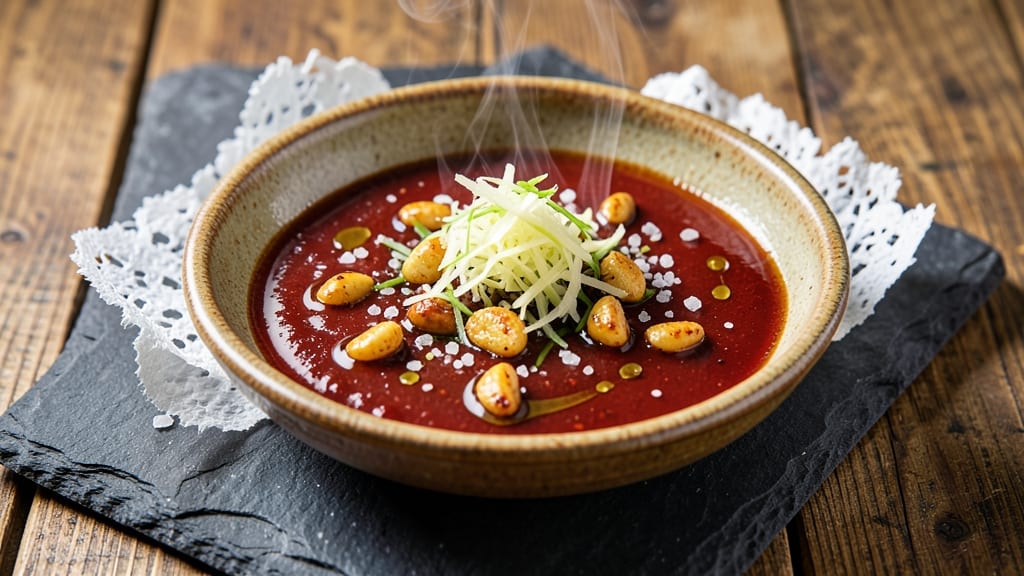
This Asian rib sauce recipe transforms ordinary ribs into a restaurant-worthy masterpiece with its velvety-smooth chipotle cream base and crunchy celery topping. The secret lies in balancing sweet, spicy, and umami flavors through a slow simmer that deepens the sauce's complexity.
I developed this recipe after years of experimenting with Asian-inspired BBQ sauces—it's the one that finally delivers that perfect harmony of heat, richness, and tang.
The foundation begins with a simple blend of soy sauce, honey, and garlic, which builds depth as it reduces on the stove. Chipotle peppers in adobo add smoky heat without overpowering, while ginger and sesame oil contribute aromatic layers.
What sets this sauce apart is the creamy finish—just a touch of sour cream or Greek yogurt transforms it from sticky glaze to luxurious coating.
By the time you're done, you'll have a sauce that's rich enough to glaze ribs, spicy enough to wake up flavors, and smooth enough to drizzle over noodles or dumplings.
The crunchy celery topping adds texture that cuts through the creaminess, making each bite exciting. This isn't just a sauce—it's a flavor experience that elevates any dish it touches.
Best of all, it keeps well in the fridge for up to two weeks, so you can make a big batch and use it all season. Whether you're slow-cooking ribs, glazing chicken wings, or serving as a dipping sauce, this recipe delivers professional-quality results with minimal effort.
Let's get started on creating your new go-to sauce.
Ingredients for asian rib sauce
Nine simple ingredients transform into this restaurant-worthy Asian rib sauce.
| Ingredient | Amount | Notes |
|---|---|---|
| Soy Sauce 🍶 | ½ cup | Low-sodium preferred for balance |
| Honey 🍯 | 0.35 cup | Wildflower for floral notes |
| Garlic Cloves 🧄 | 6 cloves | Minced for smooth texture |
| Chipotle Peppers in Adobo 🌶️ | 2 whole | 1-2 tbsp sauce reserved |
| Fresh Ginger 🌿 | 2 tbsp | Grated, aromatic punch |
| Sesame Oil 🫒 | 1 tbsp | Toasted sesame preferred |
| Sour Cream 🧀 | ¼ cup | Full-fat for creaminess |
| Celery Stems 🧅 | 2 whole | Finely chopped for crunch |
| Green Onions 🧅 | 3 whole | Thinly sliced for garnish |
| Vegetable Oil 🫒 | 1 tbsp | For simmering base |
| Salt 🧂 | 1 tsp | Adjust to taste |
| Black Pepper 🌶️ | ½ tsp | Freshly cracked |
The chipotle peppers are the heart of this sauce—look for fresh, not dried—and the adobo sauce adds depth. I grab mine from Trader Joe's or Mexican markets where they're fresher. The ginger should smell vibrant, not stale. For the celery, organic is best—it's just for the crunchy topping, so no need to peel. The soy sauce? Kikkoman or Pearl River Bridge are my go-tos for that perfect balance of salty and umami. If you can't find toasted sesame oil, regular works, but it won't have that nutty aroma.
No chipotle peppers? Substitute smoked paprika plus a dash of cayenne—just know it won't have the same smoky depth. Out of sour cream? Greek yogurt works perfectly, but you might want to strain it first for extra thickness. The honey can be swapped for maple syrup if you're avoiding it, though the flavor will shift slightly. For the celery topping, Fresno chili peppers add heat if you want to spice it up. The green onions are optional but add that fresh finish—skip them if you're not a fan.
This sauce tastes even better the next day as flavors meld. Store it in an airtight container in the fridge for up to 2 weeks. I like to portion it into small jars so I can grab just what I need. For the celery topping, chop it fresh right before using—it loses its crunch fast. If you make a big batch, freeze half in ice cube trays for easy single-use portions. The sauce reheats beautifully—just warm it gently on the stove or microwave it in 20-second bursts.
Why You'll Love This Recipe
- Five-Ingredient Magic: This sauce comes together with stuff you already own—no fancy ingredients, just pantry staples. I swear, the honey and chipotle in adobo do all the heavy lifting while I’m still chopping the onions.
- Smoky-Sweet Heat: That first dip of sauce on ribs? It’s where the garlic and ginger wake up the soy sauce, and the chipotle adds this just-right kick. Not too spicy, not too mild—just perfectly balanced.
- Weeknight to BBQ Hero: Slather it on ribs for dinner, toss it with noodles for lunch, or drizzle it over grilled chicken. Honestly, I’ve even used it as a glaze for roasted carrots when I’m out of ideas.
- Makes Leftovers Worth It: The sauce thickens beautifully when reheated, so I double the batch. The next day, it’s even better—deepened flavor, no extra effort. My freezer’s full of it, and I’m never stressed about last-minute meals.
Step-by-step instructions for Asian rib sauce
This sauce is where all the magic happens—creamy, smoky, and perfectly balanced every time.
Build the Smoky Base
Heat the 1 tablespoon vegetable oil in a medium saucepan over medium heat. Add the 6 cloves minced garlic cloves and 2 tablespoons grated fresh ginger, stirring constantly for 1-2 minutes until fragrant but not browned—this prevents bitterness. Real talk: if you see any browning, start over; garlic burns faster than you think.
Add the 2 whole chipotle peppers in adobo, minced (including 1-2 tablespoons of the adobo sauce from the can), and stir for 30 seconds to combine. Pour in the 0.5 cup soy sauce and 0.35 cup honey, bringing everything to a gentle simmer. Let it cook uncovered for 5-7 minutes until slightly thickened and the liquid reduces by about 25%. You'll see it darken slightly—that's the sauce developing depth.
Create the Creamy Texture
Reduce the heat to low and stir in the 1 tablespoon sesame oil and 0.25 cup sour cream. Here's the thing—adding the sour cream too quickly can cause separation, so I like to temper it first by whisking it into a small amount of the hot sauce mixture before combining everything. Simmer gently for 3-4 minutes, stirring often, until the sauce thickens to a velvety consistency that coats the back of a spoon.
Taste and adjust seasoning with the 1 teaspoon salt and 0.5 teaspoon black pepper. If it needs more balance, add a splash of water or a pinch more honey—this sauce should be sweet, salty, and smoky all at once. The goal is a smooth, creamy texture with no graininess from the sour cream.
Prepare the Crunchy Topping
While the sauce simmers, finely chop the 2 whole celery stems and thinly slice the 3 whole green onions. Toss them together in a small bowl and set aside. This topping adds a bright, crisp contrast to the rich sauce—don't skip it, even if it seems like too much. Trust me, the texture makes all the difference.
For extra flavor, lightly toast the celery-green onion mix in a dry skillet over medium-low heat for 1-2 minutes until just warmed through. This step enhances the natural sweetness of the celery and mellows the sharpness of the green onions. Keep it separate from the sauce until serving to maintain that perfect crunch.
Finish and Serve
Remove the sauce from heat and let it cool slightly—about 5 minutes. This resting time allows the flavors to meld and the sauce to thicken further. Give it a final taste and adjust seasoning if needed; sometimes the sauce needs a tiny bit more salt or honey after cooling.
When ready to serve, spoon the sauce over ribs, drizzle over grilled meats, or use as a dipping sauce. Just before serving, sprinkle the celery-green onion topping generously over the top. The contrast of creamy, smoky sauce with the fresh, crunchy topping is what makes this sauce unforgettable. Serve immediately while the topping is still crisp!
Pro Tips For Making Asian Rib Sauce
- Simmer Low and Slow: That sauce isn’t a race—keep the heat at a gentle simmer, not a rolling boil. After 5 minutes, if it’s bubbling hard, pull it back. I learned this the hard way when my sauce turned bitter from overcooking the garlic and ginger.
- Mince Ginger Like You Mean It: Skip the grater and use a sharp knife—finely mince the ginger into tiny, almost paste-like pieces. This ensures it dissolves completely instead of lurking as stringy bits in your sauce. (Yes, it takes 2 minutes longer, but your ribs will notice.)
- Strain the Chipotle Oil: Don’t just dump the adobo sauce into your pan—strain out the thick, chunky bits first. The oil is where the flavor lives, but those peppers and seeds can make the sauce grainy. Save yourself the chewing work later.
- Balance the Sweet and Heat: Taste as you go, especially when adding honey. If the sauce tastes one-note (too sweet or too smoky), adjust with a splash of soy sauce or a pinch of salt. The goal is harmony, not a candy-coated chili glaze. (I usually add honey gradually—start with half and adjust.)
Make-ahead tips for asian rib sauce
Batch Prep Strategy
Make a double batch of this sauce—it’s perfect for meal prep! The flavors deepen overnight, so store it in quart-sized glass jars with tight lids. I label mine with the date and freeze half in ice cube trays for single-use portions. Thaw overnight in the fridge before using. 💫
Freezer-Friendly Tips
For long-term storage, freeze the sauce in silicone molds or small jars. Leave ½-inch headspace to prevent cracking when thawed. When ready to use, reheat gently on the stove over low heat for 5-7 minutes, stirring occasionally. Avoid microwaving—it can break the creamy texture.
Topping Prep Ahead
Chop the celery and green onions separately and store them in airtight containers in the fridge for up to 5 days. Toast them fresh before serving for maximum crunch, or lightly sauté them in 1 tsp sesame oil ahead of time to soften slightly.
Keep the topping in a separate container until ready to use.
Sauce Thickening Hacks
If your sauce seems too thin after reheating, mix 1 tsp cornstarch with 1 tbsp water and stir it into the warm sauce. Simmer for 2-3 minutes until thickened.
For extra richness, stir in 1 tbsp butter or 1 tsp toasted sesame oil while reheating. This works especially well for dipping sauces.
Versatile Uses
This sauce isn’t just for ribs! Use it as a marinade for grilled chicken or pork, a dipping sauce for spring rolls or dumplings, or a glaze for roasted vegetables.
Store leftovers in the fridge for up to 2 weeks or freeze for 3 months. The creamy texture makes it perfect for noodle bowls too—just drizzle and enjoy! 🔥
Nutrition facts
Frequently asked questions
Can I make this sauce without chipotle peppers?
Yes! For a milder version, substitute with 1 tablespoon smoked paprika plus ½ teaspoon cayenne pepper to mimic the smoky heat. For a sweeter alternative, try 1 tablespoon gochujang (Korean chili paste) for depth without spice. The sauce will still be flavorful, though the smoky complexity will differ slightly.
How spicy is this sauce, and can I adjust it?
The sauce has a moderate heat level from the chipotle peppers, but it's balanced by the sweetness and creaminess. For less heat, remove the seeds/membranes from the chipotles or reduce to 1 pepper. For extra kick, add ½ teaspoon red pepper flakes or a dash of hot sauce at the end. Always taste as you go!
What's the best way to store leftovers?
Store the sauce in an airtight container in the fridge for up to 2 weeks. For longer storage, freeze it in ice cube trays or small jars (leave ½-inch headspace). Thaw overnight in the fridge—never microwave it directly, as this can break the creamy texture. Reheat gently on the stove over low heat for 5 minutes.
Can I use this sauce for dishes other than ribs?
This versatile sauce works as a glaze for grilled chicken or pork, a dipping sauce for spring rolls or dumplings, or even a toss for noodle bowls. The creamy texture makes it perfect for meatballs or meatloaf too. Just adjust the amount—use 2-3 tablespoons for dipping and ¼ cup for glazing.
Why did my sauce separate?
Sauce separation usually happens when the sour cream is added too quickly to hot liquid. To fix it, whisk in 1 teaspoon cornstarch mixed with 1 tablespoon water and simmer for 2-3 minutes. For prevention, always temper the sour cream by whisking it into a small amount of the hot sauce first before combining. Stir gently to avoid lumps!