
Sauces & Condiments
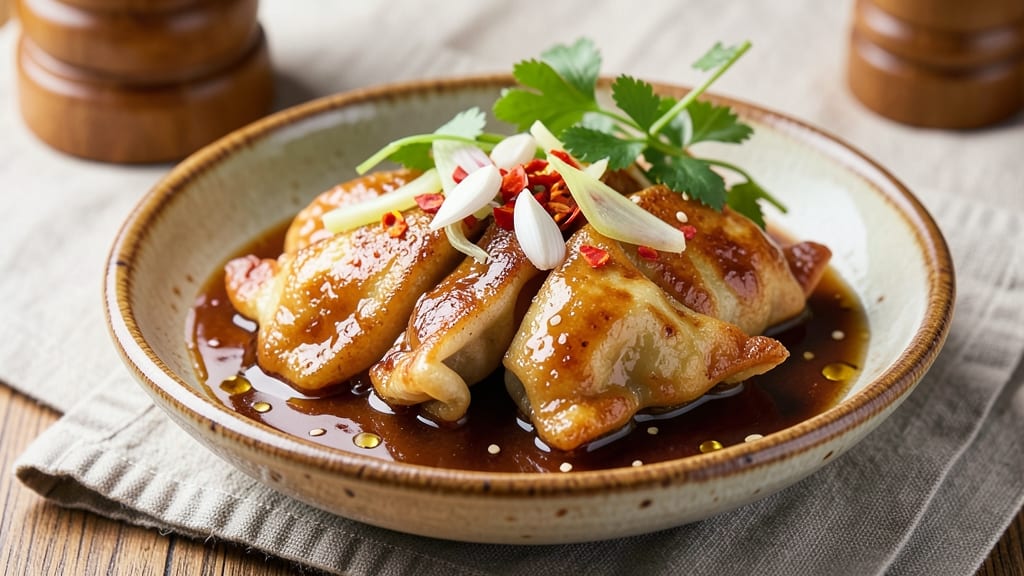
This Asian potstickers sauce recipe transforms simple ingredients into a velvety, umami-packed dip that elevates every bite. 💛 The secret lies in balancing rich soy and hoisin with a bright vinegar zing—just enough acidity to cut through the richness while keeping the sauce silky smooth.
I developed this version after testing countless combinations, and it’s now my go-to for both homemade and takeout potstickers. What sets this sauce apart is its versatility—it works as a dipping sauce, glaze, or even marinade.
The base of soy sauce and hoisin provides deep umami flavor, while rice vinegar and sesame oil add brightness and complexity. A touch of ginger and garlic ensures every spoonful is aromatic and full-bodied, never flat or one-dimensional.
The result is a sauce that’s restaurant-quality but easy to make—no fancy techniques required. Just whisk together the ingredients, let them meld for 10 minutes, and you’re ready to dip. The texture stays glossy and clingy, coating each crispy edge and tender filling perfectly.
It’s the kind of sauce that makes potstickers feel like a special occasion, even on a weeknight. Scale it up for parties or save half for later—this sauce keeps well in the fridge for up to a week, if it lasts that long. Here’s how to make it.
Ingredients for asian potsticker sauce
Nine essential ingredients for a sauce that bridges umami richness and bright acidity effortlessly.
| Ingredient | Amount | Notes |
|---|---|---|
| Light Soy Sauce 🥢 | ⅓ cup | Kikkoman preferred for balance |
| Hoisin Sauce 🍶 | ⅓ cup | Store-bought or homemade |
| Rice Vinegar 🍶 | ¼ cup | Seasoned preferred for depth |
| Sesame Oil 🫒 | 1 tbsp | Toasted for authentic aroma |
| Fresh Ginger 🌿 | 1 tbsp | Finely grated, zesty |
| Garlic Cloves 🧄 | 3 cloves | Minced for aromatic punch |
| Honey 🍯 | 1 tbsp | Wildflower preferred |
| Toasted Sesame Seeds 🌾 | 1 tsp | For garnish and texture |
| Red Chili Flakes 🌶️ | ½ tsp | Adjust for heat preference |
The soy sauce and hoisin form the umami backbone—Kikkoman soy sauce is my go-to for its clean, balanced profile, while La Choy hoisin from Asian markets adds depth without overpowering. Rice vinegar is non-negotiable for that signature tang; seasoned rice vinegar adds subtle sweetness that cuts through the sauce's richness. Sesame oil needs to be toasted—Kadoya or La Choy brands deliver that nutty aroma. Fresh ginger and garlic? Always buy the brightest, firmest pieces—they make all the difference in aroma. For honey, wildflower or clover varieties add floral notes that complement the sauce beautifully.
No hoisin? Substitute 2 tbsp soy sauce plus 1 tsp molasses for a similar depth. Out of sesame oil? Avocado oil at half the amount works in a pinch, though it lacks the authentic flavor. The honey can be swapped for maple syrup if you're avoiding it. Chili flakes optional but recommended—crushed red pepper at a quarter teaspoon works if you prefer a smoother heat. For extra umami without extra ingredients, add 1 tsp fish sauce (if not vegetarian) or 1 tsp mushroom powder for a plant-based boost.
This sauce stays fresh for 1 week refrigerated in an airtight jar, though the flavor deepens overnight. For longer storage, freeze in ice cube trays—thaw and whisk back to silky perfection. Garnish with sesame seeds right before serving to keep them toasty and crunchy. Double the batch—it disappears faster than you'd think, especially when potstickers are involved. The sauce thickens slightly when chilled, so whisk vigorously before using.
Why You'll Love This Recipe
- Five-Ingredient Magic: I swear by this combo—soy, hoisin, vinegar, sesame oil, and ginger. That’s it. No fancy techniques, no hunting for obscure pantry items. Just mix, simmer, and boom—flavor hits every time.
- Umami Bomb: The hoisin and soy sauce team up like old friends, while the ginger adds a zesty kick. Drizzle it over crispy potstickers, and you’ll taste why takeout sauce never quite compares.
- Leftover Hero: This sauce keeps like a champ in the fridge for up to a week. Use it for dumplings one night, stir-fry the next, or even toss it into noodles when you’re short on ideas.
- Budget Flex: A splash of rice vinegar brightens it up, and sesame oil gives it depth—both cost pennies but make it taste like a restaurant. Honestly, my wallet thanks me every time I make it.
Step-by-step instructions for Asian potstickers sauce
Here's how to blend bold flavors into a velvety sauce that elevates every bite.
🍳 Step 1: Bloom the Aromatics
Heat a small saucepan over medium-low heat and add the 1 tablespoon sesame oil. Swirl it gently for 30 seconds until fragrant—you should detect that nutty, toasted aroma we're after. This is where the sauce's depth begins.
Add the 3 cloves minced garlic cloves and 1 tablespoon finely grated fresh ginger. Cook for 1-2 minutes until the garlic turns golden and the ginger loses its raw bite. Don't walk away—ginger burns quickly. You're aiming for aromatic, not charred. Remove from heat immediately after.
🥘 Step 2: Combine Wet Ingredients
Return the pan to medium heat and add the 0.33 cup light soy sauce and 0.33 cup hoisin sauce. Stir constantly for 2-3 minutes until the mixture begins to simmer gently. This is where the soy sauce's saltiness and hoisin's sweetness start to meld.
Pour in the 0.25 cup rice vinegar and 1 tablespoon honey. Stir vigorously for 1 minute until everything is fully incorporated. The vinegar adds that bright, tangy zing that balances the richness. Taste now—you should detect layers of umami, sweetness, and acidity.
🔥 Step 3: Simmer and Thicken
Increase heat to medium-high and bring the sauce to a gentle boil. Let it simmer uncovered for 5-7 minutes until it reduces by about one-third—you're looking for a thick, glossy consistency that coats the back of a spoon.
Here's the thing—don't rush this reduction. The longer it simmers, the more concentrated the flavors become. Stir occasionally to prevent sticking, and watch for the sauce to darken slightly in color. It should coat a spoon but still be pourable, not syrupy.
👨🍳 Step 4: Finish and Garnish
Remove from heat and stir in the 0.5 teaspoon red chili flakes and 1 teaspoon toasted sesame seeds. The chili adds subtle heat, while the sesame seeds contribute nutty texture. Let the sauce sit for 5 minutes to allow all the flavors to fully integrate.
Taste and adjust seasoning if needed. I often add a pinch more soy sauce for saltiness or a splash more vinegar for acidity. The sauce should be complex—sweet, salty, tangy, and just a hint of heat. Serve immediately while warm for the best experience.
Pro Tips For Making Asian Potsticker Sauce
- Simmer the Ginger: Grate it fresh—no skipping this—and toss the ginger into the warm (not boiling) sauce first. Let it steep for 30 seconds before adding anything else. I learned this the hard way: raw ginger chunks sink to the bottom and taste like nothing, while grated ginger releases its punch instantly.
- Balance the Vinegar: Add rice vinegar last and taste as you go—start with half the recipe’s amount. Too much turns your sauce sharp; too little leaves it flat. My grandmother swore by this: "The vinegar should wake up the hoisin, not overpower it."
- Warm the Sesame Oil: Heat the sesame oil separately until it shimmers (just before smoking) and pour it in at the very end. Cold oil makes the sauce taste like a sad salad dressing. Trust me, this tiny step makes a real difference—it adds aroma, not just flavor.
- Skip the Overmixing: Stir the sauce just until combined—no need to turn it into glue. Overmixing with soy and hoisin turns it thick and cloying. Give it a quick fold, then let it sit for 2 minutes before tasting. Your future self will thank you.
Make-ahead tips for this dish
Prep Ahead Sauce
Make this sauce 2 days ahead for deeper flavor development. Store in an airtight glass jar in the fridge—the flavors meld beautifully overnight. The sauce thickens slightly when chilled, so whisk vigorously before serving to restore its silky texture.
I always double the batch because it disappears faster than you'd think! 💛
Freezer-Friendly Cubes
Freeze in ice cube trays for portion control—thaw and whisk with a splash of water to restore consistency. Each cube makes about 1 tablespoon of sauce, perfect for single servings.
Label with the date and freeze for up to 3 months. This method preserves the sauce's vibrant color and prevents freezer burn.
Sauce Booster Prep
Prep all your sauce components separately to assemble quickly. Grate the ginger and mince the garlic ahead of time, storing them in small airtight containers in the fridge for up to 5 days.
Toast the sesame seeds in a dry pan for 2 minutes and store in a jar—this step takes 5 minutes but adds incredible depth.
Batch Cooking Tips
For large gatherings, multiply the recipe by 4x and store in quart-sized mason jars. The sauce keeps for 1 week refrigerated or 3 months frozen. Keep a small jar in the fridge at all times—I keep mine in the pantry for easy access.
When reheating, warm gently on the stovetop over low heat for 3-5 minutes to maintain its glossy finish.
Garnish Station
Set up a garnish station with toasted sesame seeds, red chili flakes, and sliced green onions. Store these in separate small bowls near your serving area. Add garnishes just before serving to keep the sauce's texture and aroma fresh.
I also keep a small bowl of pickled ginger on hand for an extra tangy kick when dipping.
Sauce Pairings
This versatile sauce works beyond potstickers! Use it as a glaze for grilled meats, a marinade for tofu or chicken, or a dipping sauce for spring rolls.
Store extra sauce in the fridge for up to 1 week—it's perfect for quick weeknight meals. The bright flavors complement both savory and slightly sweet dishes beautifully. 🔥
Nutrition facts
Frequently asked questions
Can I make this sauce without hoisin?
Swap the ⅓ cup hoisin for 2 tablespoons soy sauce plus 1 teaspoon molasses to mimic its sweet-salty depth. For extra umami, add 1 teaspoon fish sauce (if not vegetarian) or ½ teaspoon mushroom powder. The sauce will still taste rich and balanced, just with a slightly different profile.
How spicy should the sauce be?
The ½ teaspoon red chili flakes provides a mild, warm heat—adjust to taste! For a milder version, reduce to ¼ teaspoon or skip entirely. If you love spice, add ¼ teaspoon crushed red pepper or a dash of Sriracha at the end. The sauce’s brightness from rice vinegar helps balance any heat.
Can I use this sauce for other dishes?
Yes! This versatile sauce works as a glaze for grilled chicken or tofu, a marinade for beef skewers, or a dipping sauce for spring rolls. Its sweet-savory balance pairs well with anything fried or grilled. For extra richness, drizzle over ramen noodles or use as a finishing sauce for stir-fries.
Why does my sauce look too thin?
Simmer the sauce longer—it should reduce by about ⅓ for the perfect glossy consistency. If it’s still too thin, remove from heat and let it cool slightly, then whisk in 1 teaspoon cornstarch mixed with 1 tablespoon water until thickened. Avoid over-simmering, which can make it too syrupy.
How do I store leftovers?
Transfer to an airtight jar and refrigerate for up to 1 week. The sauce thickens when chilled—whisk vigorously before serving. For longer storage, freeze in ice cube trays (thaw and whisk with a splash of water). Label with the date to track freshness. The flavors actually improve over time!