
Sauces & Condiments
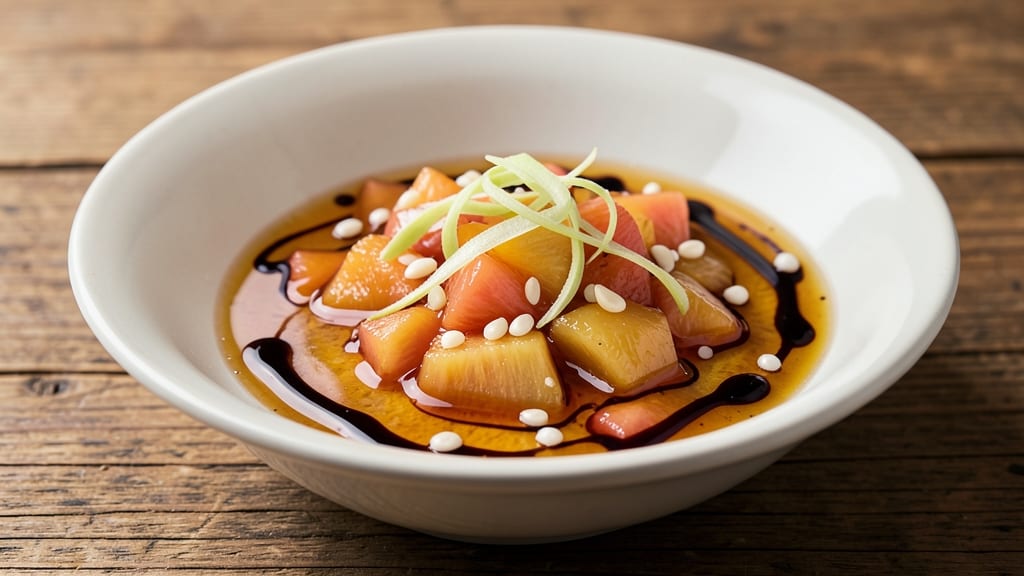
This Asian pineapple sauce recipe transforms simple pantry staples into a vibrant, tangy-sweet condiment that elevates everything from grilled meats to fresh spring rolls.
The secret lies in balancing pineapple's natural sweetness with the bright acidity of rice vinegar and the umami depth of soy sauce, creating a sauce that's both complex and effortlessly versatile. Simmering the ingredients develops rich, caramelized notes that turn this into a flavor powerhouse.
The process couldn't be simpler: combine fresh pineapple, vinegar, soy sauce, and a touch of sugar in a saucepan, then reduce until thickened. Optional ginger and garlic add aromatic depth, while chili flakes introduce just the right amount of heat.
This sauce builds flavor as it simmers, making the final result more vibrant than the sum of its parts. The texture becomes perfectly clingy—ideal for drizzling, dipping, or tossing.
What makes this sauce truly exceptional is its adaptability. Use it as a marinade for chicken skewers, a dipping sauce for crispy spring rolls, or a glaze for grilled shrimp. The tropical sweetness pairs beautifully with savory proteins while cutting through rich flavors.
Best of all, it keeps well in the refrigerator for up to two weeks, making it perfect for meal prep and entertaining.
For those who prefer extra depth, a splash of fish sauce or a pinch of red pepper flakes can intensify the umami and heat. The key is patience during the reduction—rushing this step results in a thinner sauce that lacks the desired richness.
Trust the process, and you'll have a sauce that transforms ordinary dishes into something extraordinary.
Ingredients for asian pineapple sauce
Nine simple ingredients create a vibrant sauce that balances tropical sweetness with tangy depth.
| Ingredient | Amount | Notes |
|---|---|---|
| Fresh Pineapple Chunks 🍍 | 1 ½ cups | Fresh or canned in juice, drained |
| Rice Vinegar 💧 | ½ cup | White or seasoned variety |
| Soy Sauce 🍶 | ⅓ cup | Light or dark preferred |
| Granulated Sugar 🍚 | ¼ cup | White or brown sugar |
| Fresh Ginger 🌿 | 1 tbsp | Grated, peeled ginger root |
| Garlic Cloves 🧄 | 3 cloves | Minced or finely chopped |
| Red Chili Flakes 🌶️ | 1 tsp | Adjust for heat preference |
| Fish Sauce 🍶 | 1 tbsp | Optional for umami depth |
| Sesame Oil 🫒 | 1 tsp | Toasted sesame oil preferred |
Pineapple is the foundation—fresh is best for bright flavor, but canned in juice works in a pinch. Trader Joe's and Costco often carry pre-cut pineapple chunks that save time. The ginger and garlic are non-negotiable for depth, so grab fresh roots and smash the garlic with the side of your knife for maximum flavor. For the vinegar, seasoned rice vinegar adds subtle sweetness, while plain white vinegar keeps it bright and sharp. Soy sauce choice matters: light soy for delicate flavor, dark soy for richer color.
No fish sauce? Extra soy sauce or a splash of Worcestershire adds umami. Skip the chili flakes if you prefer mild heat—a pinch of sugar balances any acidity. The sesame oil is optional but adds a nutty aroma; toasted sesame oil from Asian markets has the best flavor. For a smoother texture, strain the sauce through a fine-mesh sieve after simmering. If you're short on time, pre-minced garlic from the jar works, but fresh is always better.
This sauce thickens as it cools, so don't worry if it looks thin while simmering. Store in an airtight container in the fridge for up to 2 weeks. The flavor actually improves over time as the ingredients meld. For meal prep, make a double batch—it pairs perfectly with grilled chicken, shrimp, or as a dipping sauce for spring rolls. Freeze extras in ice cube trays for single-serving portions.
Why You'll Love This Recipe
- Five-Ingredient Magic: I swear by this—just pineapple, vinegar, soy, sugar, and ginger. That’s it. No fancy pantry trips, no hunting for obscure spices. The sauce practically makes itself while you chop (which, between us, is about 5 minutes of work).
- Sweet-Savory Balance: Honestly, the way the fresh ginger and rice vinegar cut through that caramelized pineapple is chef’s kiss. It’s bright, tangy, and just sweet enough—like a grown-up version of the pineapple sauce you loved as a kid, but way more interesting.
- Dresses Up Everything: This sauce is my secret weapon for lazy nights. Drizzle it over grilled chicken, toss it with rice and veggies, or slather it on pancakes (yes, really). It turns basic meals into something that feels special without trying too hard.
- Leftovers That Don’t Suck: Between us, most sauces turn sad after a day or two. Not this one. The ginger keeps it fresh, and the vinegar acts like a natural preservative. I’ve had this sitting in my fridge for almost a week—still perfect for quick stir-fries or as a dip. Zero waste, all flavor.
Step-by-step instructions for Asian pineapple sauce
This vibrant sauce balances tropical sweetness with bold umami—perfect for drizzling over grilled meats or noodle bowls.
Prepare the Pineapple Base
In a medium saucepan, combine the 1.5 cups fresh pineapple chunks with the 0.5 cup rice vinegar and 0.25 cup granulated sugar. Bring the mixture to a gentle simmer over medium heat, stirring occasionally to dissolve the sugar completely. You'll notice the pineapple releases its natural juices, creating a fragrant, slightly syrupy liquid.
Simmer for 8-10 minutes until the pineapple softens and the mixture reduces slightly, thickening just enough to coat the back of a spoon. This step develops the sauce's foundational sweet-tangy flavor. If using canned pineapple, drain it thoroughly first—excess liquid will dilute the sauce and extend cooking time.
Build the Aromatic Foundation
Reduce the heat to low and add the 1 tbsp fresh ginger and 3 cloves garlic cloves. Stir well to incorporate, then cook for 3-4 minutes until the raw garlic scent disappears and the mixture becomes fragrant. This ensures the ginger and garlic infuse fully without burning.
Next, sprinkle in the 1 tsp red chili flakes and stir for 30 seconds to distribute evenly. The chili adds subtle heat that balances the sweetness. If you prefer less spice, reduce the amount to ½ tsp—the sauce's depth will still shine. Keep the heat low to prevent the chili from becoming bitter.
Deepen the Flavor with Umami
Pour in the 0.33 cup soy sauce and 1 tbsp fish sauce, stirring constantly to combine. The sauce will darken slightly as the flavors meld. Simmer for 5-7 minutes until the mixture thickens further and the soy sauce's saltiness enhances the pineapple's natural sweetness.
Taste the sauce at this stage—it should be tangy, slightly sweet, and umami-rich. If it tastes flat, add another ½ tsp fish sauce for depth. The fish sauce is optional but elevates the sauce from good to extraordinary. Let the sauce simmer uncovered for 2 more minutes to concentrate the flavors.
Finish with Sesame Oil
Remove the saucepan from heat and let the mixture cool for 2 minutes. This resting period allows the flavors to settle. Stir in the 1 tsp sesame oil just before serving—its nutty aroma and slight warmth will elevate the sauce's complexity.
The sauce should now have a glossy sheen and a balance of sweet, tangy, spicy, and umami notes. For a smoother texture, strain the sauce through a fine-mesh sieve to remove any pineapple fibers or chili flakes. Serve immediately over grilled shrimp, noodles, or as a dipping sauce for spring rolls.
Adjust and Store
If the sauce is too thick, thin it with 1-2 tablespoons of warm water or pineapple juice. For extra brightness, add a splash of lime juice (though it wasn't in the original ingredients, it’s a common variation). The sauce keeps well in an airtight container in the refrigerator for up to 5 days—its flavors actually deepen over time.
Real talk: This sauce is incredibly versatile. Use it as a glaze for roasted chicken, a marinade for tofu, or a drizzle over fresh mango slices. The key to its success lies in the balance—too much sugar flattens the acidity, and too little vinegar makes it one-dimensional. Trust the recipe, and you’ll nail that perfect harmony every time.
Pro Tips For Making Asian Pineapple Sauce
- Simmer Low and Slow: After burning my first batch trying to rush it, I learned this sauce needs a gentle simmer—no boiling. Keep the heat at a steady low for 15-20 minutes or the sugar will caramelize too fast, turning bitter. Watch those bubbles: they should be tiny, not rolling.
- Grate Ginger Fresh: I used powdered ginger once and the flavor was flat. Freshly grated ginger (about 1 tablespoon) adds zing and aroma that no substitute matches. If you’re short on time, use ½ teaspoon of ground ginger—but it won’t be the same.
- Balance Vinegar First: Taste the vinegar before adding sugar. If it’s too sharp, the sauce will end up sour. Start with 1 tablespoon rice vinegar per cup of pineapple juice, then adjust. I’ve ruined batches by ignoring this step—don’t make my mistake.
- Strain for Smoothness: Skip the straining, and you’ll get a chunky, rustic sauce. For a silky texture, strain through a fine-mesh sieve after simmering. It takes 2 minutes but makes the sauce look restaurant-worthy—worth the effort if you’re serving it as a dipping sauce.
Creative variations of this asian pineapple sauce
Thai-Inspired Chili Lime Twist
Swap the rice vinegar for ¼ cup lime juice and add 1 tbsp Thai fish sauce (like Red Boat) for a bright, zesty profile. Boost the chili with 1 tsp sambal oelek and finish with 1 tsp toasted coconut oil instead of sesame.
This version pairs perfectly with grilled lemongrass chicken or coconut curry. 🌶️
Japanese Teriyaki Fusion
Replace the soy sauce with ½ cup mirin and ¼ cup light soy sauce, then add 1 tsp grated daikon radish for a subtle sweetness. Simmer until the sauce thickens to a glossy consistency—ideal for glazing teriyaki bowls or drizzling over sushi rolls.
The mirin adds a delicate floral note that complements the pineapple beautifully.
Vietnamese Caramelized Version
Add 2 tbsp fish sauce and 1 tbsp brown sugar to the base, then simmer uncovered for 15 minutes to develop deep caramelized flavors. Finish with 1 tsp fish sauce-infused oil (heat 1 tbsp neutral oil with 1 tsp fish sauce until fragrant, then strain).
This rich, umami-packed sauce is perfect for pho or grilled pork patties.
Spicy Mango Fusion
Blend ½ cup ripe mango purée into the sauce alongside the pineapple for a fruity depth. Add 1 tsp ground coriander and ½ tsp ground cumin for warmth, then finish with 1 tsp lime zest.
This tropical twist works amazingly with ceviche or as a dipping sauce for crispy spring rolls. The mango adds a velvety texture that contrasts beautifully with the chili heat.
Sweet and Smoky BBQ Glaze
Reduce the vinegar to ¼ cup and add 2 tbsp molasses or maple syrup along with 1 tsp smoked paprika. Simmer until thick and syrupy—this sauce becomes a stunning glaze for ribs or pulled pork. The smoky notes bridge the gap between Asian and American BBQ flavors. 🔥
Herbed Yogurt Drizzle
Strain the finished sauce and mix it with ½ cup plain Greek yogurt for a cooling, creamy drizzle. Top with 1 tbsp chopped cilantro and 1 tsp toasted cumin seeds.
This variation is perfect for drizzling over grilled lamb kebabs or as a dip for pita chips. The yogurt softens the heat while adding a tangy contrast to the sweet pineapple.
Nutrition facts
Frequently asked questions about Asian pineapple sauce
Can I use canned pineapple instead of fresh?
Yes, but drain it thoroughly first—excess liquid will dilute the sauce. For the best flavor, choose canned pineapple in its own juice (not syrup) and pat it dry with paper towels. Fresh pineapple delivers brighter acidity, but canned works in a pinch, especially when you're short on time.
How do I adjust the sweetness or tanginess?
For more sweetness, add 1-2 teaspoons of sugar at the end. Need extra tang? Stir in 1 tablespoon of additional rice vinegar and simmer for 2 minutes. The key is balance—taste as you go! Too much sugar flattens the acidity, while too much vinegar overpowers the pineapple's natural sweetness.
What are the best proteins to pair with this sauce?
This sauce shines with grilled shrimp, chicken skewers, or pork tenderloin. For seafood lovers, try it with pan-seared scallops or as a dipping sauce for crispy spring rolls. The tropical sweetness complements rich meats while cutting through fatty proteins. For vegetarian options, drizzle it over tofu or use it in noodle bowls.
Can I make this sauce ahead of time?
The flavor actually improves when refrigerated. Store in an airtight container for up to 2 weeks. Give it a quick stir before using—it may thicken slightly in the fridge. For meal prep, make a double batch and freeze extras in ice cube trays for single-serving portions.
What if my sauce is too thin or too thick?
For thin sauce, simmer uncovered for 5-10 more minutes to reduce. Too thick? Thin with 1-2 tablespoons of warm water or pineapple juice. Pro tip: The sauce thickens further as it cools, so don't rush the simmering process—patience creates the perfect clingy consistency.