
Sauces & Condiments
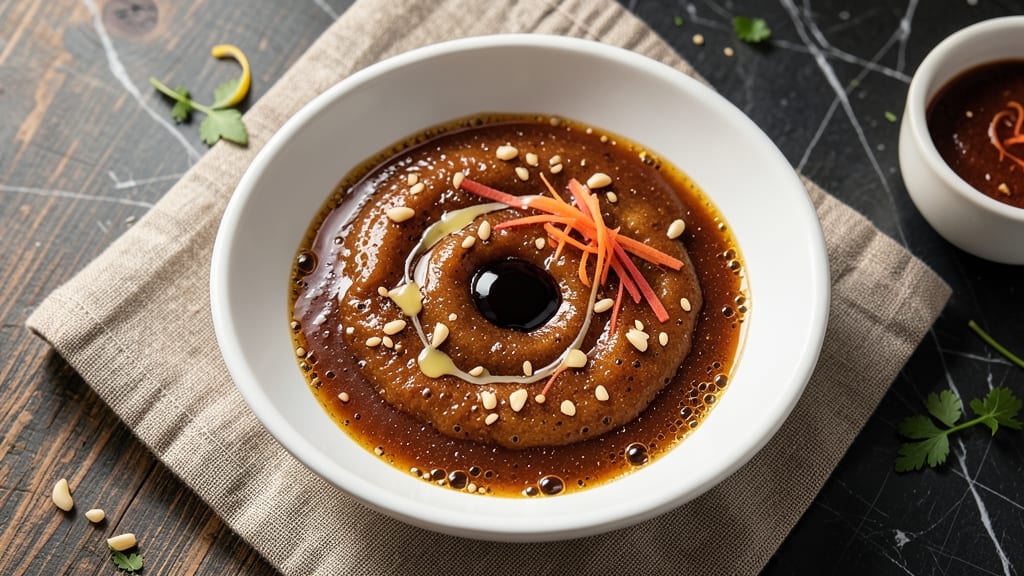
This Asian omelette sauce recipe transforms ordinary eggs into a restaurant-worthy dish with just a few simple ingredients and 10 minutes of prep. The secret lies in balancing sweet, savory, and umami flavors—think soy sauce, ginger, and garlic—while creating a silky, egg-emulsified sauce that clings perfectly to every bite.
I developed this after realizing how much better my omelettes tasted when tossed in a homemade sauce rather than relying on store-bought versions.
What sets this sauce apart is its versatility—it elevates scrambled eggs, omelettes, or even fried rice, while also doubling as a dipping sauce for dumplings or spring rolls. The sauce’s velvety texture comes from emulsifying the eggs with a touch of cornstarch, ensuring it stays glossy and cohesive without breaking.
No fancy equipment is needed, just a saucepan and a whisk. The result is a rich, aromatic sauce with a perfect balance of tangy, sweet, and savory notes that penetrate every layer of your eggs.
The ginger adds a subtle warmth, while the sesame oil contributes a nutty depth that makes this sauce unforgettable. It’s the kind of condiment that turns a simple breakfast into something extraordinary. Store any leftovers in the fridge for up to 5 days, or freeze for longer shelf life.
Whether you’re whipping up omelettes for brunch or adding flavor to a quick stir-fry, this sauce is a game-changer for your kitchen. Let’s get started!
Ingredients for asian omelette sauce
Nine simple ingredients transform eggs into restaurant-quality omelette sauce in minutes.
| Ingredient | Amount | Notes |
|---|---|---|
| Large Eggs 🥚 | 4 whole | Freshly cracked for best emulsification |
| Soy Sauce 🍶 | ¼ cup | Light or dark variety preferred |
| Rice Vinegar 🍶 | 1 tbsp | Seasoned preferred for depth |
| Fresh Ginger 🌿 | 1 tbsp | Finely grated, aromatic |
| Garlic Cloves 🧄 | 2 cloves | Minced, fresh preferred |
| Sesame Oil 🫒 | 1 tbsp | Toasted for nutty aroma |
| Cornstarch 🌾 | 1 tsp | For silky texture |
| Granulated Sugar 🍯 | 1 tsp | Balances flavors |
| Vegetable Oil 🫒 | 1 tbsp | For gentle emulsification |
| Green Onion 🧅 | 2 whole | Thinly sliced, for garnish |
The eggs are the star—use fresh, room-temperature ones for the best emulsification. Kirkland Signature or Organic Valley are my go-tos, but any large eggs work. Soy sauce makes or breaks the flavor—Kikkoman light soy adds depth without overpowering, while dark soy gives a richer hue. Fresh ginger and garlic? Buy them pre-peeled from the grocery store's produce section to save time. The sesame oil should be toasted—it makes all the difference in aroma. For the cornstarch, Bob's Red Mill is my preferred brand—it's fine and dissolves smoothly.
No soy sauce? Coconut aminos works in a pinch, though it's slightly sweeter. Fresh ginger too spicy? Substitute 0.5 tsp ground ginger, but you'll lose that bright zing. Running out of sesame oil? Avocado oil adds neutral flavor, but the nutty depth is gone. The green onions are optional but add a fresh finish—substitute chives if needed. For a sweeter sauce, bump the sugar to 1.5 tsp. The cornstarch is non-negotiable for that velvety texture—arrowroot powder works at a 1:1 ratio if you're out.
This sauce keeps beautifully—5 days in the fridge sealed tightly. For longer storage, freeze in ice cube trays, then transfer to a bag. Thaw overnight in the fridge before using. The sauce thickens as it cools, so add 1 tsp water if it's too stiff when reheating. I always double the batch—it disappears fast for omelettes, scrambled eggs, or even as a dipping sauce for dumplings. Trust me, you'll want leftovers.
Why You'll Love This Recipe
- Five-Ingredient Magic: I swear by this—just eggs, soy sauce, vinegar, ginger, and garlic. That’s it. No fancy pantry trips, no last-minute grocery runs. The sauce comes together while you’re still debating what to make for dinner.
- Umami Bomb: The moment that crispy egg meets the tangy-savory sauce? Chef’s kiss. Fresh ginger and garlic caramelize just enough to add depth, while the rice vinegar cuts through the richness—like a little flavor party in your mouth.
- Breakfast or Dinner: Honestly, this sauce turns scrambled eggs into a weekday hero or a weekend brunch star. Drizzle it over congee for a lazy morning, or toss it with stir-fried veggies for a 10-minute dinner. My college roommate still asks for it.
- Leftovers That Don’t Suck: Make a big batch and store it in the fridge—it actually improves over a few days. The flavors meld, and you’ve got a quick fix for lazy mornings or emergency takeout nights. (Yes, even on a Tuesday.)
Step-by-step instructions for Asian omelette sauce
Here's how to create that signature silky, umami-rich sauce that makes Asian omelettes irresistible.
Whisk Eggs and Aromatics Together
In a medium bowl, crack all 4 whole large eggs and add the 1 tablespoon of finely grated fresh ginger and 2 minced garlic cloves. Use a fork to whisk vigorously for about 30 seconds until the yolks and whites are fully combined and slightly frothy. This initial whisking incorporates air, which will help create that signature velvety texture later.
Add the 0.25 cup soy sauce and 1 tablespoon rice vinegar to the egg mixture. Stir gently to combine, being careful not to create too many bubbles at this stage. The soy sauce will begin to emulsify with the eggs immediately, creating a smooth base. Taste the mixture now—you should detect the salty depth of the soy and the bright acidity of the vinegar, which will balance the richness of the eggs.
Create the Emulsifying Mixture
In a separate small bowl, whisk together the 1 tablespoon sesame oil, 1 teaspoon cornstarch, and 1 teaspoon granulated sugar until completely dissolved. This mixture is the secret to achieving that signature glossy finish and silky texture. The cornstarch acts as a natural thickener that stabilizes the emulsion, while the sugar helps balance the savory flavors and adds a subtle caramel note when heated.
Gradually pour this mixture into the egg mixture while whisking continuously. You'll notice the sauce immediately begin to thicken slightly as the cornstarch activates. The sesame oil will add a nutty aroma that will develop further as the sauce cooks. At this point, your sauce should have a uniform, slightly viscous consistency—almost like a thin custard.
Heat and Emulsify the Sauce
Heat the 1 tablespoon vegetable oil in a small saucepan over medium-low heat until shimmering but not smoking. Pour in the egg mixture and stir constantly with a silicone spatula, scraping the bottom of the pan to incorporate any cooked bits. The sauce will begin to thicken almost immediately as it heats. This is where the magic happens—the gentle heat causes the cornstarch to fully activate while the eggs begin to emulsify with the oil.
Continue cooking for about 2-3 minutes, stirring constantly. You're looking for the sauce to reach a glossy, slightly thickened consistency where it coats the back of a spoon but still flows smoothly. The sauce should be hot but not boiling—if it starts to bubble vigorously, reduce the heat slightly. At this point, you should smell that wonderful combination of toasted sesame and umami-rich soy, with just a hint of ginger's freshness.
Finish and Prepare for Serving
Remove the sauce from heat and let it sit for 1 minute to allow any residual heat to fully set the emulsion. This resting period is crucial—it allows the sauce to reach its perfect consistency without breaking. The sauce should now have that signature velvety sheen and be thick enough to coat the back of a spoon but still pour smoothly.
Thinly slice the 2 whole green onions and set aside for garnish. If you find the sauce is too thick, you can gently warm it again and whisk in 1 teaspoon of hot water to adjust the consistency. The sauce is now ready to use immediately for your Asian omelette or can be stored in the refrigerator for up to 3 days. When reheating, warm gently over low heat while stirring constantly to prevent breaking.
Pro Tips For Making Asian Omelette Sauce
- Minimize Ginger Mistakes: Peel ginger just before grating—oxidation turns it bitter fast. I learned this the hard way after grating a whole knob ahead of time and ending up with sauce that tasted like medicine. Use a microplane or fine grater for the smoothest texture, then immediately toss it into the pan.
- Cook Garlic Low and Slow: Garlic burns in seconds, and burnt garlic ruins the sauce. Sauté it on medium-low heat until it’s just fragrant and golden—about 30 seconds max. If you’re impatient, pull the pan off heat for the last 10 seconds and let residual heat finish it.
- Whisk Eggs Until Foamy: A quick stir won’t cut it—whisk the eggs vigorously for 30 seconds until they’re thick and glossy. This ensures a silky, creamy sauce instead of a watery one. I used to skip this, and the sauce always ended up thin and bland.
- Balance Vinegar Gradually: Rice vinegar packs a punch, so add it a teaspoon at a time while tasting. You can always add more, but you can’t take it out. Start with half the recipe’s amount, let it simmer, then adjust—this keeps the sauce bright without overpowering the eggs.
Best sauces and condiments for this recipe
Classic Omelette Drizzle
This sauce is designed to transform your omelettes into a restaurant-quality dish—think of it as the perfect finishing touch. For the best results, cook your omelette first, then drizzle the warm sauce over the top while it's still slightly runny.
The sauce will seep into the egg layers, creating a silky, flavor-infused center that's impossible to resist. I often fold in a few thin slices of shitake mushrooms or scallions just before serving to add texture. 🍳
Scrambled Egg Upgrade
Use this sauce to elevate scrambled eggs in seconds. Simply stir 1-2 tablespoons of the warm sauce into your finished eggs at the very end of cooking. The sauce will melt into the eggs, creating a creamy, umami-rich texture that's far superior to plain butter or salt.
For extra richness, top with a sprinkle of toasted sesame seeds or crispy fried shallots. It's a game-changer for lazy weekend breakfasts!
Dipping Sauce Magic
This versatile sauce doubles as an amazing dipping sauce for dumplings, spring rolls, or even crispy tofu. Serve it warm or at room temperature—it pairs perfectly with the crunchy texture of fried foods.
For a spicier kick, add ½ teaspoon of chili crisp or a dash of Sriracha to the sauce before serving. I love using it with pork dumplings or vegetable spring rolls for a quick and satisfying meal.
Stir-Fry Flavor Booster
Add a bold flavor punch to stir-fries by tossing in 1-2 tablespoons of this sauce at the very end of cooking. The sauce's silky texture clings beautifully to noodles, rice, or veggies, infusing them with umami and sweetness.
I especially love it with shrimp stir-fry or garlic green beans. Just be sure to heat the sauce gently before adding it to prevent curdling.
Breakfast Rice Bowl Topper
Turn a simple breakfast rice bowl into a gourmet meal by drizzling this sauce over steamed jasmine rice, topped with a soft-boiled egg, and finished with quick-pickled veggies. The sauce's balanced sweet-savory profile complements the egg perfectly, while the ginger and garlic add a fresh, aromatic touch.
For extra crunch, sprinkle with crushed peanuts or fried onions. It's my go-to for a quick, satisfying breakfast!
Nutrition facts
Frequently asked questions
Can I make this sauce without cornstarch?
The cornstarch is crucial for that signature velvety texture, but you can substitute 1 teaspoon arrowroot powder in a 1:1 ratio. If you're completely out, whisk in 1 tablespoon cold water with the eggs to help stabilize the emulsion—though the sauce may be slightly thinner. The cornstarch prevents curdling and gives that glossy finish you see in restaurant versions.
How do I adjust the spice level?
For a milder sauce, reduce or omit the fresh ginger and garlic. If you love heat, add ½ teaspoon of chili crisp or ½ teaspoon of red pepper flakes to the finished sauce. For a smoky twist, stir in ¼ teaspoon of smoked paprika while warming. Always taste as you go—this sauce is highly customizable!
Why did my sauce break or separate?
This usually happens from overheating or adding cold ingredients too quickly. Keep the heat on medium-low and stir constantly. If it separates, whisk in 1 teaspoon of hot water while cooking to re-emulsify. For next time, let all ingredients (especially eggs) come to room temperature before starting. The cornstarch also needs gentle heat to activate properly.
Can I use this sauce for other proteins?
This sauce works beautifully with chicken, shrimp, or tofu. For proteins with stronger flavors (like chicken thighs), reduce the soy sauce to 2 tablespoons to avoid overpowering. It also makes an amazing glaze for grilled fish or a dipping sauce for fried rice. The key is to let the sauce warm through before adding it to hot proteins to prevent curdling.
What's the best way to reheat leftovers?
Gently warm the sauce in a small saucepan over low heat while stirring constantly. If it thickens too much, whisk in ½ teaspoon of hot water to restore consistency. Microwaving can cause separation, so always use stovetop heat. For extra richness, add ½ teaspoon of sesame oil when reheating. The sauce keeps well for 5 days refrigerated or 3 months frozen.