
Sauces & Condiments
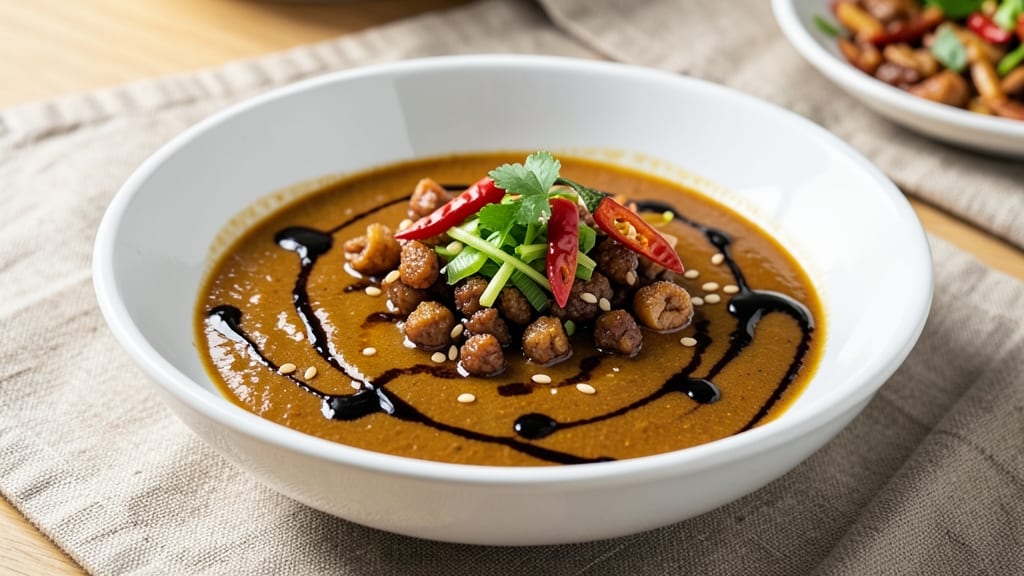
This Asian crawfish sauce recipe transforms a simple simmer into a bold, spicy-sweet umami masterpiece that elevates every boil, noodle dish, or grilled protein. 🔥 The secret lies in balancing fermented flavors—garlic, ginger, and chili—with the deep richness of crawfish shells and fish sauce, creating a sauce that clings to food like liquid gold.
What makes this recipe stand out is its versatility: drizzle it over shrimp po'boys, toss it with stir-fried vegetables, or use it as a marinade for tofu or chicken.
The process is straightforward but requires patience—simmering the crawfish shells and aromatics until the sauce reduces into a glossy, aromatic paste. No blender? No problem. A fine-mesh strainer ensures a smooth texture without sacrificing depth.
The result is a sauce that’s spicy, sweet, and savory, with just enough heat to linger on the palate and a sticky-sweet finish that makes every bite irresistible.
What sets this sauce apart is its long shelf life—it keeps in the fridge for up to two weeks, making it the perfect pantry staple for Cajun and Asian-inspired cooking. The crawfish shells infuse the sauce with a briny, umami richness that’s impossible to replicate with store-bought substitutes.
Whether you’re hosting a boil or craving a quick weeknight stir-fry, this sauce delivers restaurant-quality flavor with minimal effort.
Ready in just 30 minutes, this sauce is a game-changer for home cooks who want to add professional-level depth to their dishes. The key? Don’t rush the simmer—let the flavors meld, and the sauce will reward you with a complexity that turns simple meals into something extraordinary.
Ingredients for asian crawfish sauce
Ten ingredients, one sauce—transforming ordinary dishes into bold, restaurant-worthy creations.
| Ingredient | Amount | Notes |
|---|---|---|
| Crawfish Shells 🦞 | 1 cup | Cleaned, dried, and crushed |
| Fish Sauce 🐟 | ½ cup | Red Boat preferred for quality |
| Garlic Cloves 🧄 | 8 cloves | Minced for aromatic depth |
| Fresh Ginger 🌿 | ½ cup | Finely grated, organic preferred |
| Thai Bird's Eye Chili 🌶️ | 2 tbsp | Adjust for heat preference |
| Dark Soy Sauce 🍶 | ¼ cup | For umami richness |
| Brown Sugar 🍯 | ¼ cup | Packed, for caramelization |
| Lime Juice 🍋 | ¼ cup | Freshly squeezed, seeds removed |
| Sesame Oil 🥜 | 1 tbsp | Toasted for nutty aroma |
| Water 💧 | ½ cup | For initial simmer |
The crawfish shells are the heart of this sauce, delivering that unmistakable briny, umami depth that separates homemade from store-bought. Look for crawfish shells at specialty seafood markets or online retailers—avoid the pre-packaged frozen shells, as they often contain additives. If fresh shells aren't available, dried crawfish shells from Asian markets work in a pinch, but toast them first to remove excess moisture. The fish sauce is non-negotiable—Red Boat or Three Crabs brands deliver consistent quality with no fishy aftertaste. For garlic and ginger, organic varieties from the produce section ensure maximum flavor without bitterness. Pre-mince the garlic and grate the ginger using a microplane for even distribution.
No fish sauce? Soy sauce plus a splash of Worcestershire mimics the umami, though it lacks the fermented complexity. Running short on crawfish shells? Shrimp shells or even dried shrimp can substitute, but reduce the amount by half to avoid overpowering the sauce. The Thai chili can be swapped for red pepper flakes or cayenne, though fresh chili delivers brighter heat. Brown sugar substitutes include coconut sugar or honey, but brown sugar’s molasses notes are ideal here. For sesame oil, toasted sesame oil is a must—regular oil lacks the nutty depth. Lime juice can be replaced with lemon juice or vinegar, though lime’s tartness is preferred. The water serves as a base for the initial simmer—sparkling water adds subtle effervescence for a restaurant-style finish.
This sauce develops deeper flavor over time, so simmer it for at least 20 minutes to allow the aromatics to meld. Store in an airtight glass jar in the refrigerator for up to two weeks, with the sesame oil forming a protective layer on top. For long-term storage, freeze in ice cube trays—thaw and shake to re-emulsify. The sauce thickens as it cools, so add a splash of water if needed before using. A drizzle of this sauce elevates everything from grilled shrimp skewers to cold noodle salads, making it a versatile pantry staple worth repeating.
Why You'll Love This Recipe
- No-Fuss Ingredients: I keep a jar of fish sauce and frozen crawfish shells in my pantry—this sauce comes together with what I already have. Honestly, the hardest part is peeling the garlic, and even that’s just a few cloves.
- Umami Bomb: That first taste? The fish sauce and crushed crawfish shells create this deep, savory punch that lingers. The ginger and chili cut through it just enough to keep it bright and addictive—like a spicy, garlicky hug in a bowl.
- Weeknight to Party: Slap this sauce on grilled shrimp, drizzle it over rice, or toss it with noodles—it’s my go-to for lazy Tuesdays or when unexpected guests show up. (Yes, even on a Tuesday night.)
- Budget Magic: A single batch stretches for days—dip veggies, stir into soups, or use it as a marinade. Between us, I’ve made this sauce last a full week without breaking the bank. The shells add texture for pennies.
Step-by-step instructions for Asian crawfish sauce
This umami-packed sauce delivers bold flavor with minimal effort—just follow the precise technique.
🔥 Step 1: Toast the Crawfish Shells for Maximum Flavor
Heat a dry skillet over medium-high heat and add the 1 cup Crawfish Shells. Toast them for 3-4 minutes, stirring constantly, until they turn a deep golden brown and release their natural oils. You'll smell that rich, nutty aroma—this is where the sauce gets its depth.
Watch closely—the shells should be golden brown but not burned. Remove them immediately and transfer to a clean bowl. The toasted shells will form the aromatic base of your sauce, so don't skip this step. If you're using pre-crushed shells, spread them evenly in the pan for consistent toasting.
🍳 Step 2: Build the Aromatic Base with Garlic and Ginger
In the same skillet (no need to clean it—those flavorful bits matter), add 1 tbsp Sesame Oil and let it heat until shimmering. Add the 8 cloves Garlic Cloves and 0.5 cup Fresh Ginger and sauté for 2-3 minutes until fragrant and just beginning to color. Here's where the foundation gets built—don't walk away.
You'll know it's ready when the garlic turns light golden and the ginger releases its bright, citrusy aroma. Immediately add the 2 tbsp Thai Bird's Eye Chili and stir for 30 seconds—this locks in the heat without burning. The chili should be just visible in the sauce, not completely dissolved.
🥘 Step 3: Combine Wet Ingredients for Balanced Flavor
Pour in the 0.5 cup Fish Sauce, 0.25 cup Dark Soy Sauce, and 0.25 cup Brown Sugar. Add the 0.5 cup Water and bring to a gentle simmer over medium heat. Stir occasionally for 5 minutes until the sugar begins to caramelize slightly—you'll see the sauce thicken and darken beautifully.
This is where the sauce comes together. The fish sauce adds salty umami, the soy sauce deepens the color, and the brown sugar creates that signature caramelized sweetness. Taste and adjust—if it needs more heat, add a pinch of chili flakes; if it needs brightness, a splash of lime juice helps.
⏰ Step 4: Finish with Lime and Toasted Shells
Remove from heat and stir in the 0.25 cup Lime Juice and the toasted 1 cup Crawfish Shells. Let the mixture steep for 5 minutes—this allows the shells to infuse their rich flavor into the sauce. Strain through a fine-mesh sieve if you prefer a smooth texture, or leave the shells for extra texture and visual appeal.
The sauce should be thick enough to coat the back of a spoon but still flow freely. If it's too thick, whisk in 1-2 tablespoons of hot water to reach your desired consistency. The final sauce should balance sweet, salty, umami, and spicy notes perfectly—this is the signature flavor profile of authentic Asian crawfish sauce.
Pro Tips For Making Asian Crawfish Sauce
- CHAR THE SHELLS FIRST: Crawfish shells won’t release their umami punch until they’re toasted—no, not just browned, deep golden with a few black spots. Toss them in a dry skillet over medium-high heat for 8-10 minutes, stirring often, until they smell like the ocean meets a campfire. That’s when you know they’re ready to steep in your sauce, not just float there.
- MINCE GINGER LIKE YOU MEAN IT: I used to chop ginger into matchsticks and call it a day—big mistake. For this sauce, you need it almost paste-like, so it blends smoothly without grit. Use the flat side of your knife to smash the ginger first, then mince it into a fine dust. (Yes, it looks like you’re making powder, but trust me.)
- LOW AND SLOW FOR FISH SAUCE: Fish sauce burns faster than you’d think, and once it does, you can’t save it. Simmer your sauce on the lowest heat setting that still keeps it bubbling—think lazy bubbles, not rolling boil. If it starts to smell sharp or chemical, you’ve gone too far.
- SAVE THE CHILI OIL SEPARATELY: Tossing whole Thai chilies into the sauce means you’ll either end up with uneven heat or have to fish them out later. Instead, fry them in oil until crisp, then strain out the solids and keep the fiery oil in a separate jar. Drizzle it over finished dishes—you’ll control the spice and impress people with your presentation.
Storing and reheating this recipe
Fridge Storage Essentials
Store your crawfish sauce in an airtight glass jar—I recommend Ball mason jars for their tight seals. Let it cool completely before refrigerating to prevent condensation, which can dilute the sauce. The sesame oil will naturally rise to the top, creating a protective layer that preserves freshness. 💧
This sauce keeps beautifully for up to two weeks in the fridge, with flavors actually deepening over time. I like to label my jars with the date to track freshness.
The sauce thickens as it cools, so give it a quick stir and add 1-2 teaspoons of warm water if it becomes too stiff before using.
Freezer Preservation
For longer storage, freeze the sauce in ice cube trays—this makes it easy to thaw exactly what you need. Once frozen, transfer the cubes to a freezer-safe bag with all air removed to prevent freezer burn.
The sauce maintains quality for up to three months when stored this way. 🥶
When ready to use, thaw in the fridge overnight or quickly in a bowl of warm water. The texture may separate slightly, but a quick whisk with 1 teaspoon of warm water restores the smooth consistency. I find this method works best for single-serving portions.
Reheating Techniques
For stovetop reheating, transfer the sauce to a small saucepan and warm over low heat for 3-5 minutes, stirring constantly. Never boil the sauce—this can break down the delicate flavors and make it too thin.
A splash of lime juice (about ½ teaspoon) helps restore brightness if the sauce tastes flat after reheating. 🔥
Microwave reheating works in a pinch: heat for 20-30 seconds on 50% power, then stir and check the temperature. If it's not hot enough, continue in 10-second intervals. The sauce should reach 165°F to kill any bacteria while preserving its rich flavor profile.
Sauce Texture Tips
If your refrigerated sauce thickens too much, thin it with warm water (not hot) to avoid shocking the delicate balance of flavors. Start with 1 teaspoon and adjust gradually. For freezer-thawed sauce, a quick whisk with ½ teaspoon of toasted sesame oil helps re-emulsify the separated components. 🥜
The ideal consistency should coat the back of a spoon but still flow freely. Too thin? Simmer uncovered for 2-3 minutes to reduce. Too thick? Add warm water one teaspoon at a time until perfect. The goal is that signature glossy, clingy texture that makes every dish irresistible.
Nutrition facts
Frequently asked questions
Can I make this sauce without crawfish shells?
Yes, but the flavor will differ. For a similar umami depth, substitute with ½ cup shrimp shells or ¼ cup dried shrimp (soaked first). If unavailable, use 1 tablespoon fish sauce + 1 teaspoon shrimp paste—though nothing matches the authentic crawfish richness. Toast your substitute the same way for best results.
How spicy should this sauce be?
The recipe balances heat with sweetness for approachable spice. For milder heat, reduce Thai chili to 1 tablespoon or remove seeds. For extra kick, add ½ teaspoon cayenne or a dash of hot sauce. Always taste as you go—adjust gradually to avoid overwhelming the sauce's complex flavors.
What's the best way to use this sauce?
This versatile sauce shines as a dipping sauce (for spring rolls or grilled shrimp), marinade (for tofu or chicken), or drizzle (over noodles, rice, or salads). For extra richness, simmer it with 1 tablespoon butter before serving. The sauce's sticky texture clings beautifully to food, making it ideal for finishing dishes.
Why did my sauce separate?
Separation happens when oils (like sesame oil) and water-based ingredients split. To fix it, whisk in 1 teaspoon warm water or ½ teaspoon toasted sesame oil while gently heating on low. For prevention, store sauce in a glass jar and let it cool completely before refrigerating—this preserves the emulsion.
Can I make this sauce in a slow cooker?
Combine all ingredients (except lime juice) in the slow cooker and cook on low for 2-3 hours, stirring occasionally. Add lime juice at the end. The slow cooker's gentle heat enhances the crawfish flavor without risking burning. For extra depth, toast the shells separately first and add them during the last 30 minutes of cooking.