
Sauces & Condiments
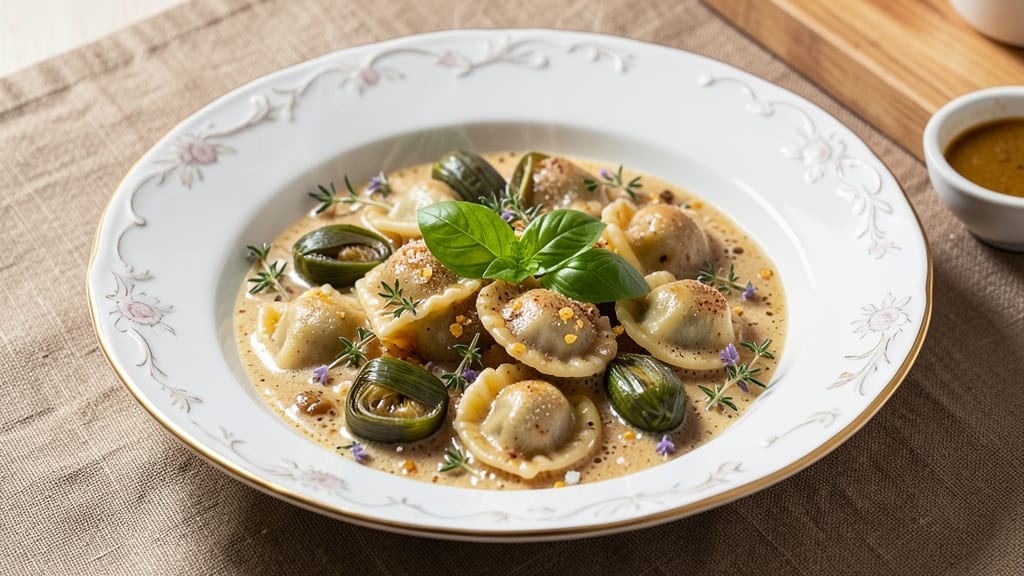
This artichoke ravioli sauce transforms simple ingredients into a rich, herb-infused velvety sauce that elevates every bite of ravioli. The secret lies in brown butter—its nutty depth and aromatic complexity create a foundation that artichokes, garlic, and fresh herbs build upon.
This isn’t just a sauce; it’s a flavor experience that turns a weekday dinner into a restaurant-worthy meal without the fuss.
What sets this sauce apart is the balance of textures and flavors: the creamy base from heavy cream, the bright acidity of lemon zest, and the earthy richness of artichoke hearts.
Brown butter adds a subtle caramelized note that ties everything together, while fresh basil and thyme lend a fragrant, herbaceous finish. The best part? It comes together in just 20 minutes, with minimal prep and no complicated techniques—just good ingredients and a little patience for simmering.
The result is a sauce that’s smooth, flavorful, and perfectly suited for twirling around ravioli, whether you’re serving them plain or topped with crispy prosciutto. The artichoke hearts add a satisfying bite, while the Parmesan rind infusion deepens the umami profile.
This sauce also works beautifully with other pasta shapes or as a dipping sauce for crusty bread—versatility without sacrificing depth.
For a vegetarian-friendly twist, simply omit the Parmesan rind and use nutritional yeast for a cheesy flavor without dairy. The sauce keeps well in the fridge for up to 3 days, making it ideal for meal prep. Once you taste this, store-bought sauces will never measure up again.
Ingredients for artichoke ravioli sauce
Eleven ingredients transform into a luxurious artichoke ravioli sauce with restaurant-quality depth.
| Ingredient | Amount | Notes |
|---|---|---|
| Unsalted Butter 🧈 | ¾ cup | Browned to nutty perfection |
| Heavy Cream 🥛 | 1 cup | Full-fat for velvety texture |
| Marinated Artichoke Hearts 🍃 | 1 cup | Chopped, jarred or fresh |
| Garlic Cloves 🧄 | 4 cloves | Minced for aromatic depth |
| Fresh Basil Leaves 🌿 | ⅓ cup | Chopped, stems removed |
| Fresh Thyme Leaves 🌿 | ¼ cup | Chopped, stems removed |
| Lemon Zest 🍋 | 1 tbsp | Brightens flavor profile |
| Parmesan Rind 🧀 | 1 whole | Optional for umami depth |
| Extra-Virgin Olive Oil 🫒 | 2 tbsp | For finishing drizzle |
| Diamond Crystal Kosher Salt 🧂 | ½ tsp | Adjust to taste |
| Freshly Ground Black Pepper 🌶️ | ¼ tsp | Freshly cracked preferred |
The brown butter is non-negotiable—its nutty complexity forms the sauce's foundation. European-style unsalted butter (like Plugrá or Land O'Lakes) browns best, developing those caramelized notes without burning. For the artichoke hearts, Trader Joe's jarred hearts are my go-to—they're consistently tender and flavorful. Fresh thyme and basil should be bright green with no wilting, indicating peak freshness. The Parmesan rind adds umami depth but can be omitted for vegetarian versions—simply substitute 1 tsp nutritional yeast for a cheesy note without dairy. Garlic cloves should be plump and firm, not shriveled or sprouting.
No fresh thyme? Dried thyme at one-third the amount works in a pinch, though fresh is ideal. Substitute artichoke hearts with 1 cup roasted bell peppers for a different but equally rich texture. The lemon zest can be replaced with 1 tsp lemon juice if zest isn't available, though it loses some brightness. For a dairy-free version, use full-fat coconut cream instead of heavy cream—it adds a subtle tropical note that pairs surprisingly well. The olive oil should be extra-virgin with fruity aromas, not the cheap supermarket variety that tastes like solvent. Brown the butter slowly over medium heat—watch closely after 3 minutes to prevent burning.
This sauce reaches peak flavor after 24 hours of refrigeration, as the flavors meld beautifully. Store in an airtight container with a thin layer of olive oil on top to preserve freshness for up to 5 days. For longer storage, freeze in ice cube trays—thaw and reheat gently for best results. The sauce thickens as it cools, so add a splash of warm water or cream when reheating if it becomes too stiff. Portion into small containers for easy meal prep—perfect for twirling around ravioli or drizzling over crusty bread.
Why You'll Love This Recipe
- Here’s what sold me: that first bite where the crispy garlic meets the creamy sauce, then the bright basil cuts through like a cool breeze. It’s rich but not heavy, tangy but not sour—honestly, it’s the kind of flavor that makes me pause mid-bite.
- I’ll be real: most creamy sauces turn into a sad, watery mess the next day. Not this one. The artichokes hold their shape, the cream stays luscious, and it reheats like it was just made. Budget-friendly? Absolutely. Waste-free? Even better.
Step-by-step instructions for herb-infused brown butter velocity sauce
Master this sauce in minutes—rich, nutty brown butter meets bright herbs and artichokes for a velvety ravioli companion.
Brown the Unsalted Butter to Nutty Perfection
Melt the 0.75 cup unsalted butter in a medium saucepan over medium heat. Watch closely as the butter begins to foam and bubble—this is when the milk solids start to separate. Let it cook undisturbed for 3-4 minutes until the foam subsides and the butter turns a deep golden brown color with a distinct nutty aroma.
Here's the thing—don't walk away. The butter will darken quickly from golden to almost caramelized. When you see small browned bits forming at the bottom of the pan and the butter smells deeply toasted, immediately remove it from the heat. This browned butter forms the flavor foundation of the sauce, so resist the urge to rush this step.
Sauté Garlic and Artichokes in the Browned Butter
Return the pan to medium-low heat and add the 4 cloves minced garlic cloves and 1 cup chopped marinated artichoke hearts. Stir gently for 2-3 minutes until the garlic becomes fragrant and lightly golden. The artichokes should begin to soften slightly but maintain their shape—overcooking will make them mushy.
I like to press down gently on the artichokes with a wooden spoon during the first minute to help them release any excess marinade, which adds extra flavor to the sauce. If the mixture starts to stick, add 1 tablespoon water to deglaze the pan, scraping up any browned bits that cling to the bottom.
Build the Sauce with Cream and Herbs
Pour in the 1 cup heavy cream and bring the mixture to a gentle simmer. Reduce heat to low and stir in the 0.33 cup chopped fresh basil leaves, 0.25 cup chopped fresh thyme leaves, and 1 tablespoon lemon zest. Simmer for 4-5 minutes until the sauce thickens slightly and the herbs are wilted but still vibrant in color.
This is where the sauce comes together. The cream will create a velvety texture while the herbs infuse their bright, aromatic qualities. If the sauce becomes too thick before the herbs are fully incorporated, add 1-2 tablespoons water to loosen it to a smooth, coating consistency.
Finish with Parmesan Rind and Seasoning
Add the 1 whole Parmesan rind to the sauce and let it simmer for an additional 3-4 minutes. The rind will impart a deep, umami richness without altering the sauce's texture. Remove the rind with tongs and discard it. Stir in the 0.5 teaspoon Diamond Crystal kosher salt and 0.25 teaspoon freshly ground black pepper to taste.
Taste the sauce and adjust the seasoning if needed. The lemon zest should brighten the richness of the butter and cream, while the herbs add freshness. If the sauce has thickened too much, whisk in 1 tablespoon water at a time until it reaches your desired consistency—it should coat the back of a spoon but still flow smoothly.
Finish with Olive Oil for Elegance
Remove the sauce from heat and stir in the 2 tablespoons extra-virgin olive oil. This final touch adds a silky mouthfeel and balances the richness of the brown butter. The olive oil should be incorporated completely, giving the sauce a glossy sheen that indicates it's ready to serve.
Ladle the sauce over cooked ravioli immediately, allowing the strands to absorb the velvety artichoke and herb-infused goodness. The contrast of the warm, herby sauce with the delicate ravioli creates a harmonious balance of textures and flavors that's both comforting and refined.
Pro Tips For Making Artichoke Ravioli Sauce
- Melt Butter Slowly: Start with medium heat—rushing this makes the sauce split later. I learned this the hard way when my cream curdled into a sad, lumpy mess after adding cold artichokes straight into hot butter. Let the butter foam but not brown, then add garlic and cream together to prevent burning.
- Drain Artichokes Dry: Pat those marinated hearts with a paper towel before chopping—even a little brine makes the sauce watery. I used to skip this, and the result was always a thin, soupy sauce instead of the rich, velvety one you want. Take the extra 30 seconds.
- Simmer, Don’t Boil: Once the cream comes in, drop the heat to low and let it bubble gently. Boiling turns heavy cream into a gluey disaster, and you’ll end up with a sauce that clings like wallpaper paste. A steady simmer keeps it silky and lets the garlic and artichokes meld properly.
- Toast Basil at the End: Tear the basil leaves and add them last, right when you remove the sauce from heat. A quick 10-second toss over low heat releases their oils and makes the flavor pop—fresh, not bitter. Skip the boiling, or you’ll end up with sad, wilted leaves floating in your sauce.
Perfect pairings for artichoke ravioli sauce
Classic Wine Pairings
This rich, herb-infused sauce pairs beautifully with crisp white wines that complement its nutty brown butter and bright herbs. I always reach for a dry Vermentino from Sardinia—its citrus notes mirror the lemon zest in the sauce while its mineral finish cuts through the richness.
A Chardonnay with subtle oak, like one from California's Sonoma Coast, also works wonderfully, as the buttery notes in the wine harmonize with the sauce's velvety texture. 🍷
Italian Craft Beer
For beer lovers, a Peroni or Birra del Borgo Italian lager provides the perfect balance—crisp and refreshing without overpowering the sauce's depth. The light hop bitterness in these beers actually enhances the artichoke's earthiness, while their effervescence cleanses the palate between bites.
Avoid heavy IPAs or stouts, as their bold flavors would compete rather than complement. 🍺
Herbal Tea Harmony
If you prefer non-alcoholic options, a lemon thyme tea made with fresh thyme leaves and a splash of lemon juice mirrors the sauce's herbal profile beautifully. The tea's citrusy brightness echoes the lemon zest in the sauce, while the thyme adds a cohesive aromatic note.
Serve it chilled for a refreshing contrast to the warm ravioli. ☕
Bread Pairing Perfection
This sauce isn't just for ravioli—it's a revelation on crusty sourdough or focaccia. The artichoke's texture and herby notes create a satisfying bite, while the sauce's richness soaks into the bread perfectly.
I like to toast the bread lightly first to enhance its crunch, then drizzle with extra sauce and a sprinkle of flaky sea salt for a gourmet appetizer. 🥖
Vegetable Side Complements
Pair the sauce with roasted asparagus or sautéed spinach to create a complete vegetarian meal. The asparagus' natural sweetness contrasts beautifully with the artichoke's earthiness, while the spinach's mild bitterness balances the sauce's richness. Both vegetables absorb the sauce's flavors when tossed together, creating a cohesive dish. 🥦
Protein Additions
For a heartier meal, add grilled shrimp or seared scallops to the ravioli and sauce combination. The shrimp's natural sweetness and briny notes complement the artichoke's earthiness, while the scallops add a luxurious texture that stands up to the sauce's richness.
Both proteins cook quickly—just 2-3 minutes—so they stay tender and absorb the sauce's flavors beautifully. 🦐
Nutrition facts
Frequently asked questions
Can I make this sauce dairy-free?
Swap the heavy cream for 1 cup full-fat coconut cream and omit the Parmesan rind. For a cheesy note, add 1 tablespoon nutritional yeast at the end. The coconut cream adds a subtle tropical sweetness that pairs beautifully with artichokes. Just note the texture will be slightly thicker than the original.
How do I fix burnt brown butter?
If your butter burns, immediately remove it from heat and strain through a fine-mesh sieve to remove the burnt bits. Add 1 tablespoon fresh butter to restore richness, then proceed with the recipe. The key is watching closely after 3 minutes of browning—it darkens fast!
Can I use frozen artichoke hearts?
Yes, but thaw and pat them completely dry first to prevent a watery sauce. For best results, use jarred marinated artichokes—they're pre-cooked and consistently tender. If using frozen, add them to the pan 1 minute after the garlic to prevent overcooking.
What's the best way to reheat leftovers?
Gently warm in a saucepan over low heat with 1-2 tablespoons water or cream to restore smoothness. Avoid microwaving—it can make the sauce grainy. For extra richness, stir in 1 tablespoon olive oil while reheating. The sauce thickens as it cools, so adjust consistency as needed.
Can I make this sauce ahead of time?
Yes! This sauce actually tastes better the next day as flavors meld. Store in an airtight container in the fridge for up to 5 days. For longer storage, freeze in ice cube trays—thaw and reheat gently. The Parmesan rind adds more depth when simmered longer, so making it ahead enhances the umami.