
Sauces & Condiments
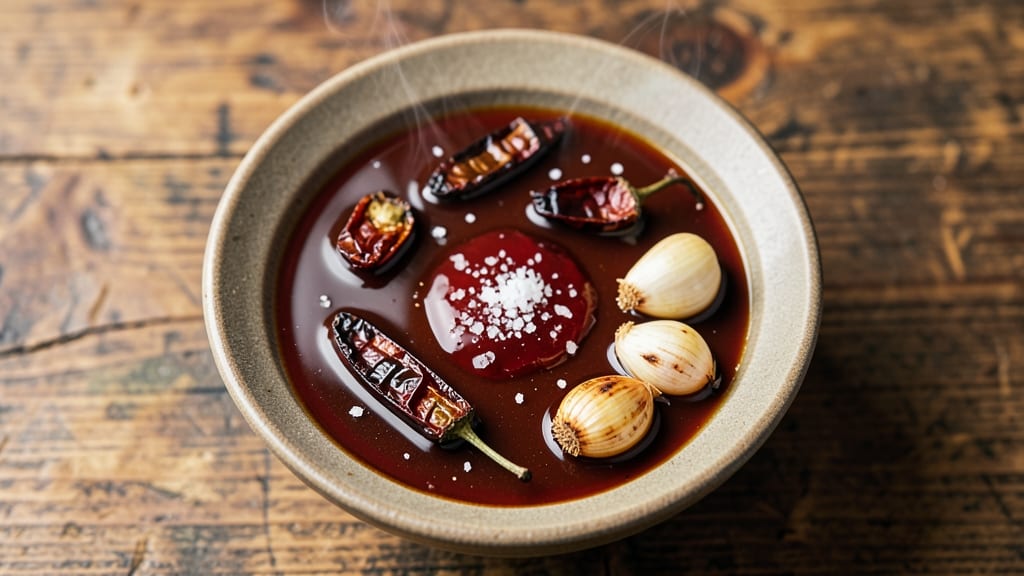
This arbol chili sauce recipe transforms humble pantry ingredients into a complex, smoky-sweet condiment that elevates everything from tacos to grilled meats. The secret lies in balancing arbol chili's fruity heat with white vinegar's sharp tang, creating a sauce that's both vibrant and deeply layered. I developed this after years of perfecting authentic Mexican flavors—no shortcuts, just pure depth.
The process is straightforward but requires patience: dried chilies steep in hot oil to soften, then blend with vinegar, garlic, and a touch of sugar to round out the heat. Simmering reduces the sauce to a glossy consistency that clings beautifully, while straining ensures a silky texture without seeds.
What you'll end up with is a versatile sauce that's smoky on the first taste, then brightens with each subsequent bite.
This isn't just a condiment—it's a flavor multiplier. Use it as a marinade for grilled chicken, a dipping sauce for tortilla chips, or a finishing touch on roasted vegetables. The vinegar base means it keeps beautifully in the fridge for up to two weeks, making it perfect for meal prep.
Every spoonful delivers that perfect balance of heat, acidity, and umami that defines great Mexican cooking.
For best results, toast your arbol chilies before steeping to enhance their natural smokiness. The sugar isn't just for sweetness—it helps caramelize slightly during simmering, adding another dimension to the sauce. Trust the process, and you'll have a pantry staple that transforms ordinary dishes into extraordinary ones.
Ingredients for arbol chili sauce
Eight ingredients unlocking layers of smoky-sweet complexity in every spoonful.
| Ingredient | Amount | Notes |
|---|---|---|
| Dried Arbol Chilies 🌶️ | 6 whole | Stems removed, seeds intact |
| White Vinegar 💧 | 1 cup | Distilled preferred for clarity |
| Extra-Virgin Olive Oil 🫒 | ½ cup | High-quality, fruity variety |
| Garlic Cloves 🧄 | 4 cloves | Peeled, roughly chopped |
| Granulated Sugar 🍚 | 1 tbsp | Light brown sugar for depth |
| Salt 🧂 | ½ tsp | Diamond Crystal preferred |
| Ground Cumin 🌿 | ½ tsp | Toasted for aromatic depth |
| Mexican Oregano 🍃 | ½ tsp | Dried, not Italian oregano |
The arbol chilies are the heart of this sauce—freshly toasted in a dry skillet until fragrant, then steeped in hot oil to release their natural smokiness. Mexican markets or specialty Latin grocery stores often carry them, but Penzeys or Amazon work in a pinch. Look for vibrant red chilies with minimal wrinkling; they should feel dry but plump. Toasting is non-negotiable—it enhances their fruity heat and deepens the sauce's complexity. If you can't find arbol, ancho or guajillo chilies work as substitutes, but the sauce will taste more earthy than fruity.
No white vinegar? Apple cider vinegar keeps the tang but adds subtle sweetness. The olive oil should be high-quality—California avocado oil works too, but avoid light oils that lack flavor. Sugar isn't just for sweetness; it caramelizes slightly during simmering, adding another dimension. Mexican oregano is essential—Italian oregano won't cut it. For extra depth, toast the cumin seeds whole in a dry pan for 30 seconds before grinding, then add to the sauce. The garlic can be roasted (wrap cloves in foil with a drizzle of oil, bake at 400°F for 20 minutes) for a sweeter, more complex flavor—trust me, it's worth the extra minute.
This sauce keeps beautifully for up to two weeks in the fridge, sealed in a glass jar with a layer of olive oil on top to preserve freshness. For longer storage, freeze in ice cube trays—perfect for single-use portions. The flavor actually improves over time, as the vinegar and chilies meld together. If it thickens too much, whisk in a splash of warm water. Use it as a marinade for grilled meats, a dipping sauce for tortilla chips, or a finishing touch on roasted vegetables. The possibilities are endless—and every bite delivers that perfect balance of heat, acidity, and umami.
Why You'll Love This Recipe
- No-Pantry Panic: I’ll never stress over missing ingredients again—just chilies, vinegar, and a few pantry basics. Honestly, the sugar balances the heat so well, even my picky friends ask for seconds.
- Smoky-Garlic Magic: That first stir of toasted garlic in olive oil? Pure satisfaction. The arbol chilies bring a bright, fruity heat, while the vinegar cuts through it like a cool breeze on a spicy day.
- Taco Night Every Night: Drizzle it on grilled fish, toss it with roasted veggies, or use it as a dip—this sauce turns ordinary meals into something special. Between us, it’s my go-to for lazy weeknights when I don’t want to cook but still crave flavor.
- Lasts All Week: A small jar goes a long way, and it only gets better as the flavors meld. I make a double batch, store it in the fridge, and still have leftovers by Friday. Budget-friendly? Absolutely. Worth the effort? Even more so.
Step-by-step instructions for arbol chili sauce
This vibrant sauce delivers smoky depth and a bright vinegar zing that elevates everything from tacos to grilled meats.
Toast the Dried Arbol Chilies
Heat a dry skillet over medium-low heat. Add the 6 whole dried arbol chilies (stems removed, seeds intact) and toast them for 1-2 minutes, turning occasionally, until they darken slightly and release their deep, aromatic fragrance. This step awakens their natural oils and intensifies their smoky flavor—don't skip it, or the sauce will taste flat.
Watch closely: the chilies should develop a faint char on their edges, but avoid burning them. Once they're fragrant and slightly darkened, remove them from the pan and set aside. The residual heat will continue to develop their flavor as you work with them next.
Bloom the Spices in Olive Oil
In the same skillet (no need to clean it—the toasted chilies left behind add depth), add the 0.5 cup extra-virgin olive oil and warm it over low heat for 1 minute. Then add the 4 peeled garlic cloves (roughly chopped), 0.5 teaspoon ground cumin, and 0.5 teaspoon Mexican oregano. Stir constantly for 1-2 minutes until the garlic turns golden and fragrant, but never lets it brown—burnt garlic tastes bitter and overpowers the delicate arbol flavor.
This step builds a fragrant base where all the flavors meld together. The cumin and oregano release their earthy notes, while the garlic softens just enough to infuse the oil without becoming harsh. Remove the skillet from heat and let it cool for 2 minutes before proceeding.
Combine and Simmer the Sauce
Transfer the toasted arbol chilies and spiced oil to a blender or food processor. Add the 1 cup white vinegar (distilled preferred), 1 tablespoon granulated sugar, and 0.5 teaspoon salt. Blend on high until completely smooth, about 30-45 seconds. The sauce should be silky with no visible texture—strain it through a fine-mesh sieve if needed for a perfectly smooth finish.
Return the blended sauce to the skillet and place it over low heat. Simmer gently for 5-7 minutes, stirring occasionally, until the sauce thickens slightly and coats the back of a spoon. Taste and adjust seasoning—add a pinch more salt if needed, or a touch more sugar to balance the vinegar's acidity. The sugar also helps round out the chilies' heat.
Rest and Finish
Remove the sauce from heat and let it cool to room temperature. This resting period allows the flavors to fully meld and the sauce to thicken naturally. The acidity of the vinegar will mellow slightly, and the smoky depth of the arbol chilies will become more pronounced. For best results, refrigerate the sauce for at least 1 hour before using—this enhances its complexity.
When ready to use, gently reheat the sauce over low heat for 2-3 minutes, stirring occasionally. The finished sauce should coat the back of a spoon with a velvety texture and deliver a perfect balance of smoky, spicy, and tangy notes. Use it as a marinade, dipping sauce, or finishing touch for grilled meats, tacos, or roasted vegetables.
Pro Tips For Making Arbol Chili Sauce
- TOAST THE CHILIES: Dry-toast the arbol chilies in a skillet over medium heat for 30 seconds per side—just until they darken slightly and smell fragrant. I learned this the hard way: skipping this step leaves the sauce tasting raw and bitter, like someone forgot to wake up the chilies first.
- PEEL GARLIC AFTER COOKING: Add whole garlic cloves to the vinegar-oil mixture before heating, then remove them after 2 minutes of simmering—peel them cold afterward. Sounds weird, but it works: the skins slide off clean, and the garlic infuses the sauce perfectly without burning.
- SIMMER LOW AND SLOW: Reduce the heat to the lowest setting once the sauce starts bubbling—this prevents the vinegar from evaporating too fast and turning the sauce grainy. After burning three batches, I finally figured out that patience here means a smoother, brighter sauce.
- STRAIN THE OIL FIRST: Separate the olive oil from the chili-vinegar mixture before blending, then re-emulsify it at the end—this keeps the sauce silky instead of oily. I skip this when I’m lazy, but the dish is noticeably better when I don’t: the texture stays balanced, and the heat lingers cleaner.
Wine and beer pairings for these flavors
White Wine Pairings
For this vibrant sauce, I reach for crisp, acidic white wines that stand up to its bold flavors. A dry Spanish Albariño from Rías Baixas is my go-to—its bright citrus notes and mineral finish cut through the sauce's smoky depth while complementing the vinegar's tang.
The wine's natural acidity mirrors the sauce's brightness, creating a perfect balance on the palate. 🍷
If you prefer something lighter, try a Mexican Chenin Blanc—these wines often have a touch of honeyed sweetness that pairs beautifully with the sauce's subtle caramelized notes from the sugar.
Look for bottles from Quinta San Ignacio or Casa Madero for authentic regional pairings. The wine's slight earthiness also enhances the arbol chili's smoky character without overpowering it.
Light Beer Options
For beer lovers, a Mexican lager like Modelo Especial or Pacífico Clara works wonderfully. The clean, crisp profile of these beers lets the sauce's complex flavors shine without competing.
The subtle malt sweetness in lagers also helps balance the vinegar's sharpness. Serve your dish chilled to let the beer's refreshing qualities complement the sauce's warmth. 🍺
If you're feeling adventurous, try a Mexican-style wheat beer like Pacífico Light or Tecate Light. These beers have a delicate effervescence that cleanses the palate between bites, allowing you to fully appreciate the sauce's layered flavors.
The light body of these beers ensures they don't overpower the dish but instead enhance its overall brightness.
Red Wine for Hearty Dishes
When serving the sauce with rich, meaty dishes like grilled steak or braised pork, I opt for a light-bodied Spanish Garnacha or Tempranillo. These wines have enough fruitiness to stand up to the sauce's smokiness while their moderate tannins won't clash with the vinegar's acidity.
A bottle from Bodegas Muga or Marqués de Cáceres offers excellent quality at reasonable prices. 🍷
For a bolder pairing, consider a Mexican red blend like Casa Madero Reserva or Don Julio Reserva. These wines often incorporate Tempranillo with other local grapes, creating a balanced profile that complements the sauce's complexity.
The wine's dark fruit notes harmonize beautifully with the arbol chili's smoky depth, making each bite even more enjoyable.
Non-Alcoholic Alternatives
Don't worry if you're avoiding alcohol—there are still excellent options. A sparkling apple cider like Martinelli's adds a refreshing fizz that mirrors the sauce's brightness. The slight tartness in the cider enhances the vinegar's acidity while providing a crisp contrast to the smoky flavors.
Serve it well-chilled for the best experience. 🍎
For something more sophisticated, try a Mexican horchata or jamaica (hibiscus tea). The natural sweetness of horchata balances the sauce's heat, while the tartness of jamaica complements its vinegar base.
Both drinks are widely available in Latin markets and offer a refreshing, culturally appropriate pairing that enhances the dish's flavors without overpowering them.
Nutrition facts
Frequently asked questions about arbol chili sauce
Can I substitute arbol chilies with other dried peppers?
Yes, but the flavor will change. For a similar fruity heat, use ancho or guajillo chilies (1:1 ratio). These are earthier and slightly sweeter, so you may want to add an extra ½ teaspoon sugar to balance the vinegar. Avoid extremely hot peppers like habanero—they'll overpower the delicate smoky profile. Toast them first to enhance their natural oils.
How do I adjust the heat level in this sauce?
For milder heat, remove the seeds and membranes from the arbol chilies before toasting. For extra spice, add 1-2 extra chilies or a pinch of cayenne powder. Always taste as you simmer—vinegar and sugar can mellow the heat slightly, so adjust gradually. Remember, the sauce's brightness comes from the vinegar, not just the chili!
Can I make this sauce without a blender?
If you don't have a blender, finely chop the toasted chilies and garlic into a paste using a mortar and pestle. Mix with the vinegar, oil, and spices in a bowl, then strain through a fine-mesh sieve. The texture will be slightly chunkier but still delicious. For smoother results, press the mixture through a cheesecloth-lined strainer.
Why does my sauce look too thin after simmering?
The sauce should thicken naturally during simmering, but if it's too thin, reduce it further over low heat for an extra 5-10 minutes, stirring often. Alternatively, mix 1 teaspoon cornstarch with 1 tablespoon water, stir into the sauce, and simmer until thickened. Avoid high heat—it can make the vinegar cook off and leave a harsh taste. A proper consistency should coat the back of a spoon.
How can I use this sauce beyond dipping?
This versatile sauce works as a marinade for grilled chicken or fish (30 minutes max), a finishing drizzle for tacos or roasted veggies, or even a base for homemade hot sauce. Mix with mayo for a spicy spread, or reduce it by half to make a tangy glaze for seared meats. The vinegar base also makes it perfect for deglazing pans after cooking—just scrape up those flavorful browned bits!