
Sauces & Condiments
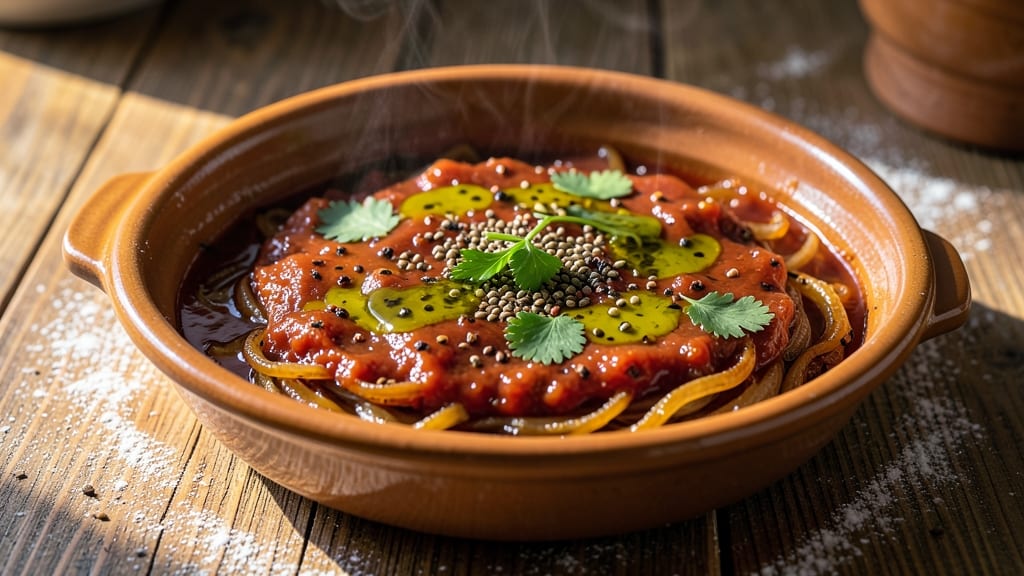
This Arabic tomato sauce recipe transforms simple ingredients into a deeply aromatic, velvety sauce that bridges smoky spices and bright acidity. The foundation is built on slow-simmered tomatoes, toasted cumin, and coriander—spices that unlock layers of earthy warmth and citrusy depth.
Unlike quick store-bought versions, this sauce develops complexity through time, blending traditional techniques with modern adaptability for any dish.
The process begins with blooming whole spices in olive oil, releasing their oils for maximum flavor before adding onions and garlic to create a fragrant base. Tomatoes—fresh or canned—simmer until broken down into a thick, jammy consistency, while a splash of vinegar brightens the acidity.
The result is a sauce that's rich enough to coat pasta or braise meats, yet versatile enough to elevate grilled vegetables or flatbreads.
What sets this sauce apart is its balance: smoky cumin, citrusy coriander, and a touch of sweetness from caramelized onions. It can be adjusted to suit your preferences—spicier with red pepper flakes, sweeter with a pinch of sugar, or tangier with extra vinegar.
The texture is velvety yet clings perfectly, making it a game-changer for weeknight meals or special occasions.
Best of all, this sauce keeps well in the refrigerator for up to a week, allowing you to make a big batch and use it throughout the week.
Whether you're serving it over rice, drizzling it on shawarma, or using it as a marinade, this Arabic tomato sauce recipe delivers restaurant-quality flavor with minimal effort.
Ingredients for arabic tomato sauce
Ten ingredients, infinite flavor potential—this sauce transforms ordinary meals into aromatic experiences.
| Ingredient | Amount | Notes |
|---|---|---|
| Extra-Virgin Olive Oil 🫒 | ½ cup | High-quality, fruity variety preferred |
| Yellow Onion 🧅 | 1 whole | Diced into small, even pieces |
| Garlic Cloves 🧄 | 4 cloves | Peeled and minced finely |
| Ground Cumin 🌿 | 2 tbsp | Freshly toasted for deeper aroma |
| Ground Coriander 🌿 | 1 tbsp | Citrusy, vibrant flavor essential |
| Red Pepper Flakes 🌶️ | 1 tsp | Adjust for desired heat level |
| Canned San Marzano Tomatoes 🍅 | 28 oz | Crushed by hand for texture |
| Apple Cider Vinegar 🍏 | 1 tbsp | Brightens acidity perfectly |
| Granulated Sugar 🍚 | 1 tbsp | Balances acidity naturally |
| Diamond Crystal Kosher Salt 🧂 | 1 tsp | Adjust to taste at the end |
The foundation lies in quality olive oil and spices. San Marzano tomatoes are non-negotiable—their sweetness and acidity create the perfect base. For the spices, Penzeys Spices or bulk bins at specialty markets deliver the most vibrant flavors. Toast your cumin and coriander in the olive oil for 30 seconds before adding other ingredients—this releases their essential oils and creates that signature smoky depth. The onions should caramelize until golden brown, developing natural sweetness that balances the sauce's complexity. If you can't find San Marzano, whole peeled tomatoes from the same brand work as a close substitute.
No fresh cumin seeds? Ground cumin from a quality brand works perfectly. The red pepper flakes can be omitted entirely for a milder sauce, or increased to 2 teaspoons for a spicier kick. Vinegar substitutes include lemon juice or white wine vinegar, though apple cider vinegar's slight sweetness is ideal. For a smoother texture, blend the sauce briefly after simmering—though purists prefer the rustic, chunky consistency. The sugar can be reduced to 1 teaspoon if you prefer less sweetness, or increased to 2 teaspoons for a more pronounced balance against the acidity. If you're short on time, tomato paste can replace half the canned tomatoes, but fresh or high-quality canned is always superior.
This sauce develops flavor as it sits, so make a double batch—it keeps beautifully for up to 7 days refrigerated or 3 months frozen. Store in airtight containers with a thin layer of olive oil on top to preserve freshness. The texture will thicken further upon reheating, so add a splash of water or vinegar if it becomes too dense. Freeze in ice cube trays for convenient single-use portions. The sauce's versatility makes it a pantry essential—use it as a marinade, pasta sauce, or drizzle over grilled meats and vegetables. Each batch tastes better the next day as the flavors meld and deepen.
Why You'll Love This Recipe
- No Chopping Struggle: I swear by this sauce because it’s literally three ingredients to prep—just dice an onion and mince garlic. That’s it. The rest? Stir, simmer, and let the cumin and coriander work their magic while you handle the rest of dinner.
- Earthy Depth in Minutes: Between us, the combo of toasted cumin and coriander in olive oil is ridiculously good—warm, toasty, and just a little smoky. It turns a simple tomato sauce into something that tastes like it simmered all day, even if you’re rushing.
- Pantry Staple Powerhouse: Honestly, this sauce is my secret weapon for lazy nights: toss it with pasta, dollop it on toast, or use it as a base for grilled chicken. The flavors hold up everywhere, and I never regret having a jar in the fridge.
- Budget-Friendly Magic: A single batch stretches across three meals—leftovers taste even better the next day, and the ingredients cost pennies. Plus, you’re not buying fancy sauces; this is the real deal, made from things you already own.
Step-by-step instructions for Arabic tomato sauce
Here's the method for developing deep, aromatic layers of spice and acidity that define authentic Middle Eastern tomato sauce.
Sauté the Onion Until Translucent and Sweet
Heat the 0.5 cup extra-virgin olive oil in a heavy-bottomed saucepan over medium-low heat. Add the 1 whole yellow onion diced into small, even pieces and cook for 8-10 minutes until completely translucent and the edges begin to turn golden.
This slow cooking process draws out the onion's natural sweetness and prevents burning, which would impart bitterness to your sauce. Stir occasionally to ensure even cooking, but don't rush this step—properly developed onion forms the flavor foundation. You'll know it's ready when the onion releases its moisture and becomes tender enough to pierce easily with a fork.
Toast the Spices Until Aromatic
Reduce heat to low and add the 4 cloves garlic cloves minced finely, 2 tablespoons ground cumin, and 1 tablespoon ground coriander. Stir continuously for 1-2 minutes until the spices begin to sizzle and release their essential oils—you'll smell their warm, earthy aroma filling your kitchen.
This toasting process activates the spices' flavors rather than just mixing them in. Watch carefully as spices burn quickly at higher temperatures. When the mixture turns a rich, golden brown color and smells intensely aromatic, you've achieved the perfect spice development. Add the 1 teaspoon red pepper flakes and stir for another 30 seconds to distribute the heat evenly.
Build the Sauce with Tomatoes and Acid
Pour in the 28 ounces canned San Marzano tomatoes (crushed by hand for proper texture) along with the 1 tablespoon apple cider vinegar and 1 tablespoon granulated sugar. Bring to a gentle simmer over medium heat, then reduce to low and let it cook uncovered for 20-25 minutes, stirring occasionally.
The vinegar brightens the tomatoes' natural acidity while the sugar balances it, creating that perfect equilibrium of sweet and tart. As it simmers, the sauce will thicken naturally as moisture evaporates. You're looking for a consistency where the sauce coats the back of a spoon but still flows freely—this typically happens around the 20-minute mark with these quantities.
Season and Refine the Flavor
Taste the sauce and adjust seasoning with the 1 teaspoon diamond crystal kosher salt, adding more if needed. The sauce should be well-seasoned but not overwhelmingly salty. If the sauce appears too thick after simmering, add 2-3 tablespoons water to reach your desired consistency.
For maximum depth of flavor, I recommend simmering the sauce uncovered for an additional 5 minutes to allow the spices to meld completely. The sauce should have a rich, velvety texture with visible specks of spice throughout. This sauce works beautifully as a base for grilled meats, over couscous, or as a dipping sauce for flatbread—its complex flavor profile makes it incredibly versatile.
Pro Tips For Making Arabic Tomato Sauce
- Sweat the Onion Properly: Don’t rush the onion—cut it into even ½-inch slices and cook them over medium-low heat with the olive oil until they’re translucent and just starting to caramelize (about 8-10 minutes). I learned this the hard way: burning onions turns your sauce bitter, and no amount of tomatoes or spices can fix it.
- Toast the Spices Dry: Before adding water or tomatoes, toast the ground cumin and coriander in the same pot with the olive oil for 30 seconds until you smell their warm, earthy aroma. This step deepens their flavor—skipping it means they’ll just dissolve into the sauce without adding much punch.
- Break Down the Garlic: Mince the garlic finely—not just chopped, but almost paste-like—so it blends smoothly into the sauce without chunks. I used to leave it in big pieces, and it always ended up as a surprise texture in every bite. A quick pulse in a food processor works if you’re impatient.
- Simmer Low and Slow: Once the tomatoes are added, reduce the heat to the lowest setting that keeps a gentle bubble—this isn’t a race. A long, steady simmer (20-30 minutes) lets the flavors meld and the sauce thicken naturally. High heat just makes it watery or scorched.
Pro cooking tips for perfect results
Spice Blooming Secrets
Toast your cumin and coriander in the olive oil for 30 seconds before adding garlic—this releases their essential oils for maximum aroma. I use a cast iron skillet for even heat distribution, stirring constantly with a wooden spoon to prevent burning.
The spices should smell warm and earthy, not bitter. For extra depth, add ½ teaspoon cinnamon or ¼ teaspoon cardamom during this step. 🌿
Tomato Texture Control
Crush San Marzano tomatoes by hand for a rustic texture with visible chunks, or blend briefly for a smoother sauce. If using fresh tomatoes, roast them at 400°F for 20 minutes first to concentrate flavors.
For a thicker sauce, simmer uncovered until reduced by ¼ cup. I often add 1 tbsp tomato paste at the end to deepen the color and richness.
Acidity Balance
The apple cider vinegar is crucial for brightening the sauce—don't skip it! For extra tang, add 1 tsp lemon juice at the end. If your tomatoes are particularly sweet, increase the vinegar to 2 tbsp.
The sugar helps balance acidity, but you can omit it if using very ripe tomatoes. Taste as you go—this sauce should sing with balanced sweet, sour, and spicy notes.
Low-and-Slow Simmering
Keep heat at low-medium to prevent scorching while allowing flavors to develop. Stir occasionally to prevent skin formation. The sauce should reduce gradually over 25-30 minutes. If it sticks, add 1 tbsp water to deglaze. For restaurant-quality results, simmer for 45 minutes—the extra time builds incredible depth. 🔥
Final Seasoning Adjustments
Always taste before finishing! Add kosher salt gradually—this sauce should be flavorful but not salty. For a smoky touch, add ½ tsp smoked paprika at the end.
If too thick, thin with water or vinegar (vinegar preserves acidity). The sauce improves overnight, so make extra for leftovers—it's even better the next day! ✨
Nutrition facts
Frequently asked questions
Can I use fresh tomatoes instead of canned?
Yes, but you'll need to prep them first! Roast 4-5 large fresh tomatoes at 400°F for 20 minutes until blistered, then peel, seed, and crush them. For every 28 ounces of canned tomatoes, use about 1.5 pounds of fresh. The roasting concentrates flavors and mimics the consistency of canned tomatoes.
How do I adjust the spice level?
For milder heat, reduce red pepper flakes to ½ teaspoon or omit entirely. For extra spice, add 1 teaspoon cayenne pepper or 1 chopped fresh chili with the garlic. Toast the spices longer (3 minutes) for deeper, earthier warmth. Always taste before finishing!
Can I make this sauce in an Instant Pot?
Sauté onions and spices as directed, then add tomatoes, vinegar, and sugar. Seal the lid and cook on High Pressure for 10 minutes, then quick-release. For extra thickness, simmer on Sauté mode for 5 minutes afterward. The Instant Pot version cooks 40% faster but requires more frequent stirring to prevent sticking.
What's the best way to store leftovers?
Let the sauce cool completely, then transfer to airtight containers. It keeps in the fridge for 7 days or freezes for 3 months. For freezing, portion into ice cube trays first—this makes it easy to thaw just what you need. The sauce thickens when refrigerated, so add 1-2 tablespoons water when reheating.
How can I use this sauce beyond traditional dishes?
Get creative! Drizzle it over grilled lamb chops or chicken thighs for instant marinade flavor. Mix with feta cheese and olive oil for a quick dip. Stir into couscous or quinoa for a flavorful grain bowl. Even pasta benefits from this rich, aromatic sauce—toss with penne and fresh herbs. The possibilities are endless!