
Sauces & Condiments
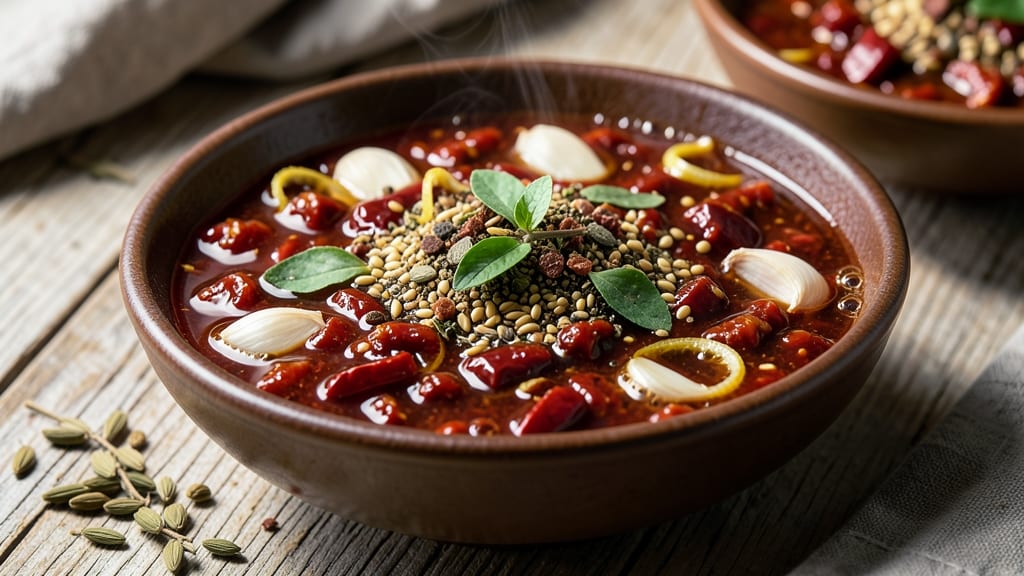
This Arabic hot sauce recipe transforms simple ingredients into a bold, aromatic condiment that bridges heat and tradition. The magic lies in balancing fiery chili peppers with earthy za'atar, bright lemon, and warm spices like cumin and coriander—creating a sauce that’s as complex as it is versatile.
I developed this recipe after years of experimenting with Middle Eastern flavors, and it’s now my go-to for adding depth to grilled meats, hummus, or even a simple bowl of rice.
The process is straightforward: blend fresh chilies, garlic, and lemon juice into a smooth paste, then simmer it with vinegar and spices until thickened. The result is a sauce that’s adjustable in heat—add more chilies for a fiery kick or reduce them for a milder, tangy zing.
Traditional Arabic cooking relies on bold flavors, and this sauce captures that essence while keeping prep simple.
What makes this recipe stand out is its dual-purpose nature—it works as a dipping sauce, marinade, or finishing touch for dishes. The za'atar adds a nutty, herby note that pairs perfectly with the heat, while the lemon keeps it fresh and vibrant.
Once you taste it, you’ll understand why this sauce is a staple in Arab kitchens worldwide.
Store it in the fridge for up to two weeks, where the flavors deepen over time. Whether you’re cooking for a crowd or just craving a flavor boost, this sauce delivers restaurant-quality heat with minimal effort. Let’s get started!
Ingredients for arabic hot sauce
Nine simple ingredients transform into restaurant-quality Arabic hot sauce in minutes.
| Ingredient | Amount | Notes |
|---|---|---|
| Fresh Red Chili Peppers 🌶️ | ½ lb | Serrano or bird's eye for heat |
| Za'atar Spice Blend 🌿 | 2 tbsp | Middle Eastern mix with sesame |
| Garlic Cloves 🧄 | 4 cloves | Freshly minced for bold flavor |
| Fresh Lemon Juice 🍋 | ½ cup | Brightens the sauce beautifully |
| White Vinegar 💧 | ½ cup | Balances heat and acidity |
| Ground Cumin 🌿 | 1 tsp | Earthy depth to the sauce |
| Ground Coriander 🌿 | 1 tsp | Citrusy warmth for balance |
| Salt 🧂 | 1 tsp | Kosher or sea salt preferred |
| Extra-Virgin Olive Oil 🫒 | ¼ cup | High quality for richness |
| Honey 🍯 | 1 tbsp | Optional for sweetness balance |
The chili peppers are the heart of this sauce—Serrano or bird's eye deliver that signature Middle Eastern heat. Middle Eastern markets often carry these fresh, but regular grocery stores usually stock them too. Look for vibrant red peppers with no soft spots. Za'atar is the magic ingredient here—it’s a blend of sesame seeds, sumac, and dried herbs. Trader Joe's carries a good brand, but if you can’t find it, make your own mix with equal parts sesame seeds, sumac, and dried oregano. The garlic? Freshly minced makes all the difference—pre-minced won’t cut it for this sauce.
No fresh chilies? Dried chili flakes work at half the amount, but you’ll lose some of that bright, fresh heat. Skip the honey if you want it strictly savory, but it’s worth the extra minute to balance the acidity. The vinegar can be apple cider if you prefer a milder tang. For extra depth, toast the cumin and coriander in a dry pan for 30 seconds before adding—trust me on this. The olive oil should be fruity and high-quality; none of that cheap cooking oil nonsense. If you’re making this ahead, let it sit for 24 hours before using—the flavors meld beautifully.
This sauce keeps for up to 2 weeks in the fridge, and honestly, it tastes even better the next day. I always make a double batch—one for immediate use and one to stash. Store it in a clean glass jar with a tight lid. The flavors deepen over time, so don’t be afraid to let it sit. Want to make it last longer? Add a thin layer of olive oil on top before sealing—keeps it vibrant for months in the pantry. Perfect for gifting too—just label it!
Why You'll Love This Recipe
- No Chopping Needed: I’ll be real—this sauce only asks for one knife skill: slicing peppers. No dicing, no mincing, just a quick chop of those fiery reds straight into the pot. The garlic? Just smash it with the flat side of your knife—no peeling required if you’re in a rush.
- Taste Like Home: That tangy kick from the vinegar and lemon? It’s the kind of bright, zesty punch that makes every bite sing. The za’atar adds this earthy, herby depth—like a whisper of the Mediterranean sun in every drop. Honestly, it’s the secret weapon behind my best grilled meats and roasted veggies.
- Lasts All Week: Between us, this sauce only gets better with time. The flavors meld into something richer, deeper—perfect for drizzling on eggs, tossing with hummus, or even mixing into mayo for sandwiches. I make a big batch on Sundays, and it’s still going strong by Friday.
- Pantry Staple Magic: You’re probably already using these ingredients—garlic, lemon, vinegar—so this isn’t a shopping spree. The chili peppers and za’atar might be the only splurge, but they stretch far beyond one recipe. Plus, the vinegar and lemon keep it shelf-stable for months if you seal it right.
Step-by-step instructions for Arabic hot sauce
This fiery sauce comes together in minutes with bold flavors and perfect balance.
Prep and Roast the Chili Peppers
Start by removing stems and seeds from the 0.5 lb fresh red chili peppers. I like to leave some seeds for heat, but remove the white pith—it's bitter. Cut the peppers into ¼-inch pieces for even cooking.
Heat a dry skillet over medium-high heat and add the chili pieces. Roast for 8-10 minutes, stirring occasionally, until they darken and smell deeply aromatic. You'll see them blacken slightly—that's perfect. Remove from heat and transfer to a bowl to cool completely. This step develops their smoky depth, which is key to authentic flavor.
Blend the Roasted Peppers with Aromatics
While the peppers cool, add the 4 cloves garlic cloves to your blender or food processor. I like to use a high-powered blender for this—it ensures a smooth sauce. Add the cooled chili peppers along with the 2 tbsp za'atar spice blend, 1 tsp ground cumin, and 1 tsp ground coriander.
Blend until completely smooth, scraping down the sides as needed. The mixture should look like a thick, vibrant paste. Here's the thing—za'atar adds that signature nutty, herby complexity that sets this sauce apart from others. If your blender struggles, add 1-2 tablespoons of water to help it along, but don't overdo it.
Simmer the Sauce Base
Transfer the blended mixture to a saucepan and add 0.5 cup white vinegar and 0.5 cup fresh lemon juice. Stir well to combine. Place the pan over medium heat and bring to a gentle simmer. Let it cook for 10-12 minutes, stirring occasionally, until the flavors meld together.
You'll notice the sauce reduce slightly and develop a glossy sheen. This is when the vinegar and lemon work their magic, balancing the heat with bright acidity. Taste as you go—if it needs more tang, add a splash more lemon juice. If it's too sharp, a pinch of 1 tsp salt will help round it out.
Finish with Oil and Sweetness
Remove the pan from heat and let it cool slightly. Slowly drizzle in the 0.25 cup extra-virgin olive oil while whisking continuously. The oil should emulsify into the sauce, creating a silky texture. Add the 1 tbsp honey and whisk until fully incorporated.
Here's where the sauce comes together—sweet, smoky, tangy, and fiery all at once. The honey isn't just for sweetness; it also helps balance the heat and adds a subtle complexity. Let it sit for 5 minutes to allow all the flavors to meld completely. Taste again and adjust seasoning if needed—maybe a pinch more salt or a drizzle of lemon juice to perfect the balance.
Strain and Store for Maximum Flavor
Line a fine-mesh strainer with cheesecloth or a coffee filter and pour the sauce through, pressing gently with a spoon to extract all the liquid. This step ensures a silky-smooth texture without any grit. Discard the solids in the strainer.
Transfer the strained sauce to a clean jar or bottle. Let it cool completely before sealing. For best results, refrigerate for at least 24 hours before using—this allows all the flavors to develop fully. The sauce will keep in the fridge for up to 2 weeks or can be frozen for 3 months. This waiting period is worth it; the flavors deepen and harmonize beautifully.
Pro Tips For Making Arabic Hot Sauce
- CHAR THE PEPPERS RIGHT: Toss whole chilies in a dry skillet over medium-high heat until they blacken in spots—about 3-4 minutes per side. This caramelizes the sugars and deepens the smoky flavor without burning them to ash (yes, even if you’re impatient like me). Skip this, and your sauce will taste flat and one-dimensional.
- PEEL GARLIC AFTER COOKING: Toss peeled garlic cloves into the hot oil with the peppers, then remove them before they brown—just when they’re soft and fragrant. Raw garlic in hot sauce? Bitter. Lightly cooked? Perfection. I learned this the hard way after making a sauce that tasted like a garlic supplement.
- STRAIN THE ZA'ATAR: Za’atar blends often have whole sesame seeds and herbs that turn your sauce gritty. Use a fine-mesh sieve or cheesecloth to strain it out after mixing—especially if you’re using the spice blend straight from the jar. Trust me, your future self won’t want to chew through texture in every bite.
- BALANCE WITH VINEGAR LAST: Add vinegar after the sauce has cooled slightly—around 100°F (38°C)—so the acidity doesn’t cook off too fast. This keeps the tang bright and sharp, not dull. I used to dump it in hot, and the sauce always tasted weak by the next day.
Regional styles of this arabic hot sauce
Lebanese Harissa Twist
For a deeper, more complex flavor profile, swap the white vinegar for ½ cup apple cider vinegar and add 1 tbsp harissa paste to the blended mixture. Harissa brings smoky, roasted red pepper notes that pair beautifully with za'atar.
I like to use Mezze Harissa from Middle Eastern markets—it’s already balanced with garlic and chili. The result is a sauce that’s richer and more layered, perfect for drizzling over grilled lamb or falafel. 🌶️
Moroccan Preserved Lemon Zest
Brighten your sauce with 2 tbsp preserved lemon zest (the peel, not the juice) when blending the aromatics. Preserved lemon adds a unique, citrusy depth that’s quintessential in Moroccan cuisine. You can find it in jars at specialty stores or online.
The zest should be finely chopped—just ¼ teaspoon is enough to elevate the sauce without overpowering it. This variation works especially well with tagines or spiced couscous. ✨
Yemeni Spiced Chili Heat
Yemeni cuisine often uses a blend of spices that’s slightly sweeter and more aromatic. For this version, reduce the cumin to ½ teaspoon and add ½ teaspoon ground cardamom and ½ teaspoon ground fenugreek to the blended mixture.
Fenugreek adds a distinct, slightly bitter note that balances the heat beautifully. The cardamom brings floral warmth, making this sauce ideal for pairing with slow-cooked meats like biryani or mandi. 💛
Egyptian Garlic-Infused Oil
In Egyptian cooking, garlic is often infused into the oil for a more pronounced flavor. After blending the peppers and spices, set aside ¼ cup of the olive oil and heat it gently in a small pan with 3 extra garlic cloves (minced) for 2 minutes.
Strain the oil and add it back to the sauce at the end. This infusion creates a sauce with a deeper, more complex garlic flavor that’s perfect for dipping fresh bread or drizzling over grilled shrimp. 🧄
Syrian Smoky Sumac Finish
For a smoky, tangy finish, sprinkle 1 teaspoon sumac over the sauce after it’s been strained and cooled. Sumac is a key ingredient in Syrian cuisine and adds a bright, lemony acidity that cuts through the heat.
It’s also a great way to use up any leftover za'atar since sumac is often included in the blend. This variation is fantastic for serving with meze platters or as a marinade for kebabs. 🌿
Tunisian Sweet and Spicy
Tunisian hot sauces often balance heat with sweetness. For this version, increase the honey to 2 tablespoons and add ½ teaspoon ground cinnamon to the blended mixture. The cinnamon adds warmth that complements the heat, while the extra honey rounds out the sauce beautifully.
This variation is perfect for drizzling over brik (Tunisian fried pastry) or serving with lamb stews. The result is a sauce that’s both bold and approachable, even for those who prefer milder flavors. 🍯
Nutrition facts
Frequently asked questions
Can I adjust the heat level in this Arabic hot sauce?
For milder heat, reduce the chili peppers to 0.25 lb or swap them for bell peppers. For extra spice, add 1-2 extra bird's eye chilies or a pinch of cayenne pepper. The key is balancing the heat with the lemon juice and honey—taste as you go!
What's the best way to use up extra hot sauce?
This versatile sauce works as a dipping sauce for grilled meats, a marinade for kebabs, or a finishing drizzle on hummus and salads. Freeze extras in ice cube trays for easy single-use portions—just thaw and add to dishes. It also makes a fantastic gifting sauce in small jars!
Why does my sauce look grainy after blending?
Graininess usually means the peppers weren't blended long enough or had too many seeds. For smoother texture, roast the peppers longer (until charred) and blend with 1-2 tbsp water if needed. Straining through cheesecloth after simmering also removes any remaining grit. Patience pays off—great sauces need time!
Can I make this sauce without za'atar?
Yes! Replace za'atar with 1 tbsp each of dried oregano and sesame seeds for similar nutty depth. For a different twist, use 1 tsp smoked paprika + ½ tsp dried thyme. The sauce will still be delicious—za'atar just gives that signature Middle Eastern complexity. Don't skip the garlic though!
How do I know when the sauce is properly thickened?
The sauce should coat the back of a spoon when cooled but still be pourable. If it's too thin after simmering, cook 2-3 more minutes uncovered. For extra thickness, mix 1 tsp cornstarch with cold water and stir it in at the end. Proper consistency ensures great drizzling and dipping!