
Sauces & Condiments
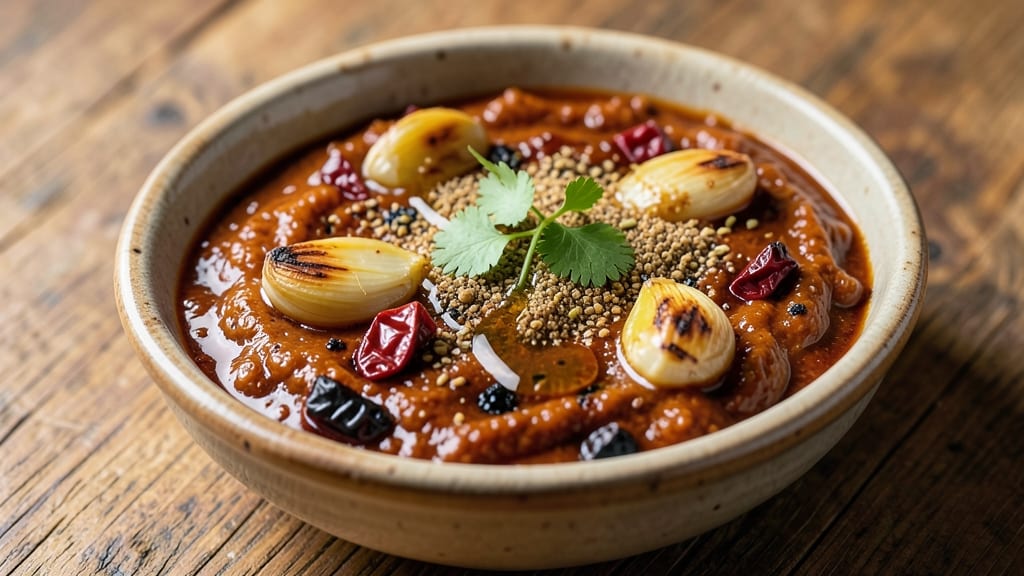
This Arab hot sauce recipe transforms smoky harissa, fresh herbs, and fiery chili peppers into a versatile condiment that bridges North African and Middle Eastern flavors. The secret lies in balancing heat with bright, herby notes—think cumin, coriander, and a touch of garlic that lingers without overpowering.
Unlike store-bought versions, this sauce builds depth through slow simmering, creating a complex, velvety texture that clings to grilled meats, dips, or crusty bread.
The process is straightforward but intentional: blend harissa paste with fresh peppers, garlic, and spices, then simmer until the flavors meld into a cohesive, aromatic liquid. Fresh herbs like parsley or cilantro add a vibrant finish, ensuring every drop delivers that signature Arab zing.
What makes this sauce special is its adaptability—use it as a marinade, a dip for falafel, or a finishing touch for roasted vegetables, all while keeping the heat adjustable to your preference.
By the time you’re done, you’ll have a fiery, herb-infused sauce with layers of smoky, tangy, and spicy complexity—far beyond what you’d find in a bottle. The slow reduction concentrates the flavors, while the vinegar base ensures it stays shelf-stable for weeks.
Whether you’re hosting a mezze spread or craving a bold kick for weeknight meals, this sauce delivers restaurant-quality results at home.
Pair it with grilled lamb, hummus, or even pizza for a bold flavor twist. The best part? You can control the heat level by adjusting the pepper quantity, making it perfect for both spice lovers and newcomers. Ready to elevate your dishes with authentic Arab heat? Let’s make it.
Ingredients for arab hot sauce
Nine ingredients blend smoky harissa with fresh herbs for a fiery, versatile Arab hot sauce.
| Ingredient | Amount | Notes |
|---|---|---|
| Harissa Paste 🌶️ | ½ cup | Smoky, spicy North African blend |
| Fresh Red Chili Peppers 🌶️ | 4 whole | Serrano or jalapeño for heat |
| Fresh Garlic Cloves 🧄 | 4 cloves | Peeled, lightly crushed |
| Ground Cumin 🌿 | 1 tbsp | Toasted for deeper aroma |
| Ground Coriander 🌿 | 1 tbsp | Freshly ground preferred |
| Apple Cider Vinegar 🍎 | ½ cup | For tangy brightness |
| Fresh Parsley 🌿 | ¼ cup | Chopped, stems removed |
| Fresh Cilantro 🌿 | ¼ cup | Chopped, for vibrant finish |
| Granulated Sugar 🍬 | 1 tbsp | Balances acidity |
| Salt 🧂 | 1 tsp | Diamond Crystal preferred |
| Extra-Virgin Olive Oil 🫒 | ¼ cup | For richness and finish |
Harissa paste is the heart of this sauce—look for brands like Merguez or Harissa de Touba at Middle Eastern markets or international aisles. If you can't find it, mix smoked paprika, cayenne, and garlic powder as a backup. Fresh chili peppers are non-negotiable for that signature Arab heat; Serrano peppers give a balanced kick, while jalapeños work if you prefer milder heat. Toast the cumin and coriander seeds for 30 seconds in a dry pan before grinding—this deepens their flavor dramatically. Apple cider vinegar adds that bright tang, but white vinegar works in a pinch if you're in a hurry.
No harissa paste? Mix 1 tbsp smoked paprika, 1 tsp cayenne, and 1 tsp garlic powder to mimic its depth. Swap fresh herbs for 1 tbsp dried parsley and 1 tbsp dried cilantro, but fresh is worth the extra minute. The sugar might seem odd, but it rounds out the acidity—don't skip it. For extra richness, add 1 tbsp tahini at the end. If you love heat, add 1 extra chili pepper; if you're sensitive, reduce to 2 peppers. The olive oil at the end creates a silky texture—don't skip this step.
This sauce keeps beautifully—1 month in the fridge or 6 months in the freezer. I like to store it in a small glass jar so it's ready to grab for meals. The flavors actually improve over time, so make a double batch. Use it on grilled meats, drizzle over hummus, or even mix into mayo for sandwiches. The slow simmer concentrates the flavors, so don't rush the process—patience pays off here.
Why You'll Love This Recipe
- I’ll be real: this sauce takes less time than deciding what to eat. Toss in harissa paste, a handful of fresh chilies, and a couple of garlic cloves—no peeling, no dicing, no stress. The cumin and coriander do the work while you’re still debating whether to add more heat.
- No-Fuss Blend: I’ll be real: this sauce takes less time than deciding what to eat. Toss in harissa paste, a handful of fresh chilies, and a couple of garlic cloves—no peeling, no dicing, no stress. The cumin and coriander do the work while you’re still debating whether to add more heat.
- Smoky Heat Magic: That first taste? Chef’s kiss. The harissa brings deep, smoky richness, while the raw chilies add a bright, almost citrusy kick. The garlic and coriander round it out—like a hug for your taste buds, but with more fire.
- Game for Everything: Drizzle it on grilled chicken, mix it into hummus, or splash it in a bowl of couscous. It’s my go-to for weeknight dinners and when I’m hosting—because it turns bland into "wow" in seconds. (Yes, even on a Tuesday night.)
Step-by-step instructions for Arab hot sauce
Here's how to blend fiery North African flavors with fresh herbs into a vibrant, tangy hot sauce.
Roast the Chili Peppers and Garlic
Preheat your oven to 400°F and line a baking sheet with parchment paper. Place the 4 whole fresh red chili peppers and 4 peeled garlic cloves directly on the sheet. Roast for 15-20 minutes until the peppers are charred all over with blackened spots and the garlic smells fragrant.
Here's the thing—roasting deepens the flavor and mellows the heat slightly. You'll know they're ready when the peppers collapse slightly and the garlic turns golden. Remove from the oven and let them cool for 5 minutes before handling. This cooling step is crucial to prevent burns when you peel the peppers.
Blister the Peppers and Remove Seeds
After cooling, place the charred peppers back on the baking sheet and return to the oven for 2-3 minutes at 400°F to blister their skins further. This makes peeling easier. Transfer the peppers to a bowl, cover with a clean kitchen towel, and let them steam for 10 minutes—this helps loosen the skins.
Peel off the blackened skins using your fingers or a knife, then remove stems and seeds. I like to save a few seeds if I want extra heat, but for a balanced sauce, remove most of them. You'll have about ½ cup of charred pepper flesh—this is where all the flavor lives. Set aside the peeled peppers and the roasted garlic cloves for the next step.
Combine All Ingredients in a Blender
In a high-speed blender, combine the 0.5 cup harissa paste, 0.5 cup apple cider vinegar, 1 tablespoon ground cumin, 1 tablespoon ground coriander, 1 tablespoon granulated sugar, 1 teaspoon salt, and 0.25 cup extra-virgin olive oil. Add the charred peppers and roasted garlic cloves, then blend on high for 30-45 seconds until completely smooth.
If you're using a lower-powered blender, you might need to pulse a few times to break up the peppers completely. The sauce should be thick but pourable—if it's too thick, add 1-2 tablespoons of water to reach your desired consistency. Taste and adjust seasoning: add more salt if it's too mild, or more vinegar if it needs more tang.
Strain and Finish with Fresh Herbs
Pour the blended sauce through a fine-mesh strainer into a clean bowl, pressing gently with a spoon to extract all the liquid. This step removes any remaining bits of skin or seeds, giving you a silky texture. Discard the solids in the strainer.
Stir in the 0.25 cup chopped fresh parsley and 0.25 cup chopped fresh cilantro at the end—their bright flavors will cut through the heat and add freshness. Give the sauce one final taste and adjust the heat or tang as needed. The sauce should be vibrant red with a glossy sheen from the olive oil, and it'll have a perfect balance of smoky, spicy, and tangy flavors.
Store and Use Your Hot Sauce
Transfer the finished sauce to a clean glass jar or bottle with a tight-sealing lid. Store it in the refrigerator for up to 2 weeks or freeze it for up to 3 months. The flavors will continue to meld and deepen over time, especially in the fridge.
Use your hot sauce to add zing to grilled meats, seafood, soups, or drizzle it over roasted vegetables. Start with ½ teaspoon per serving and adjust to taste—this sauce packs serious heat! If you find it too spicy, balance it with a touch of honey or more vinegar. Enjoy the bold, complex flavors of this homemade Arab hot sauce on everything from tacos to deviled eggs.
Pro Tips For Making Arab Hot Sauce
- CHAR THE GARLIC LOW: Low heat for garlic—no exceptions. I used to blast it on high and end up with bitter, acrid flavor. Simmer those cloves in oil at medium-low until they’re golden and sweet, about 5-7 minutes. Patience here makes the whole sauce sing.
- ROAST THE PEPPERS FIRST: Skip the raw burn. Toss whole red peppers on a baking sheet at 400°F (200°C) for 15 minutes until blistered and charred. Peel off the skin, then blend them into the harissa mix—this deepens the smoky depth way more than raw peppers ever will.
- SALT THE HARISSA PASTE: Harissa paste is often unsalted, and you’ll regret skipping this. Sprinkle ½ teaspoon of salt directly into the paste while blending—it balances the heat and rounds out the spices. Trust me, your taste buds will notice the difference.
- BLEND IN STAGES: Don’t dump everything in at once. Start with harissa, garlic, and cumin, then pulse until smooth. Add the roasted peppers and coriander last—this keeps the texture controlled and prevents a gritty mess. If it’s too thick, thin with a splash of water or vinegar, not oil.
Flavor customization for this dish
Adjust Heat Levels
Start with 4 fresh chili peppers for medium heat, but adjust to taste. For extra spice, add 1-2 habanero peppers—just remove seeds first to control intensity. If you prefer milder heat, reduce to 2 jalapeños and add ½ tsp smoked paprika for depth without the burn.
Always taste before blending—you can’t take heat out, but you can balance it with more vinegar or sugar. 🌶️
Herb Variations
Swap parsley and cilantro for fresh mint (add ¼ cup) for a Moroccan twist, or use dried oregano (1 tsp) if fresh herbs aren’t available. For a Mediterranean touch, add 1 tsp dried thyme along with the coriander.
Fresh herbs add brightness, but dried spices work in a pinch—just reduce to ½ tsp of each.
Smoky Depth Boosters
For extra smokiness, add ½ tsp liquid smoke (like Ancho Liquid Smoke) to the blender before straining. Alternatively, toast ½ tsp ground fenugreek in a dry pan for 30 seconds and mix it into the sauce—it’s a Middle Eastern secret for depth.
These tweaks mimic traditional harissa complexity without extra effort. ✨
Sweet-Tangy Balance
Need more sweetness? Add 1 extra tbsp sugar or swap to maple syrup for a subtle caramel note. For extra tang, increase vinegar to ⅔ cup or use lemon juice instead.
The key is harmony—taste as you go! A pinch of black pepper (¼ tsp) also enhances the sauce’s complexity. 🍯
Texture Adjustments
Want a thicker sauce? Simmer the blended mixture (before straining) on low heat for 5 minutes to reduce. For a thinner consistency, add 1-2 tbsp water or vinegar after blending.
If you love texture, blend in 1 tbsp tahini at the end for a creamy finish. The olive oil at the end ensures a silky mouthfeel—never skip it! 💫
Nutrition facts
Frequently asked questions
Can I make this Arab hot sauce without harissa?
Mix 1 tbsp smoked paprika, 1 tsp cayenne, and 1 tsp garlic powder to mimic harissa's depth. For extra smokiness, add ½ tsp liquid smoke or toasted cumin. The sauce will still have that signature Arab heat, just with a slightly different profile.
How do I control the heat level?
Start with 4 mild peppers for balanced heat. For extra spice, add 1-2 habanero peppers (remove seeds first). For milder heat, reduce to 2 jalapeños and add ½ tsp smoked paprika. Always taste before blending—vinegar or sugar can help balance excess heat.
Can I use dried herbs instead of fresh?
Yes! Swap fresh parsley and cilantro for 1 tbsp dried parsley and 1 tbsp dried cilantro. For dried oregano or thyme, use ½ tsp each—they're more concentrated. Fresh herbs add brightness, but dried spices still deliver great flavor.
How long does this hot sauce last?
Store in a clean glass jar in the fridge for up to 1 month or freeze for 3-6 months. The flavors actually improve over time! For best results, make a double batch—this sauce is too good to waste.
What are the best ways to use this sauce?
Drizzle over grilled meats, mix into hummus, or use as a marinade for chicken. Try it on roasted vegetables, tacos, or even deviled eggs. Start with ½ tsp per serving—this sauce packs serious flavor! For extra richness, stir into mayo for sandwiches.