
Desserts
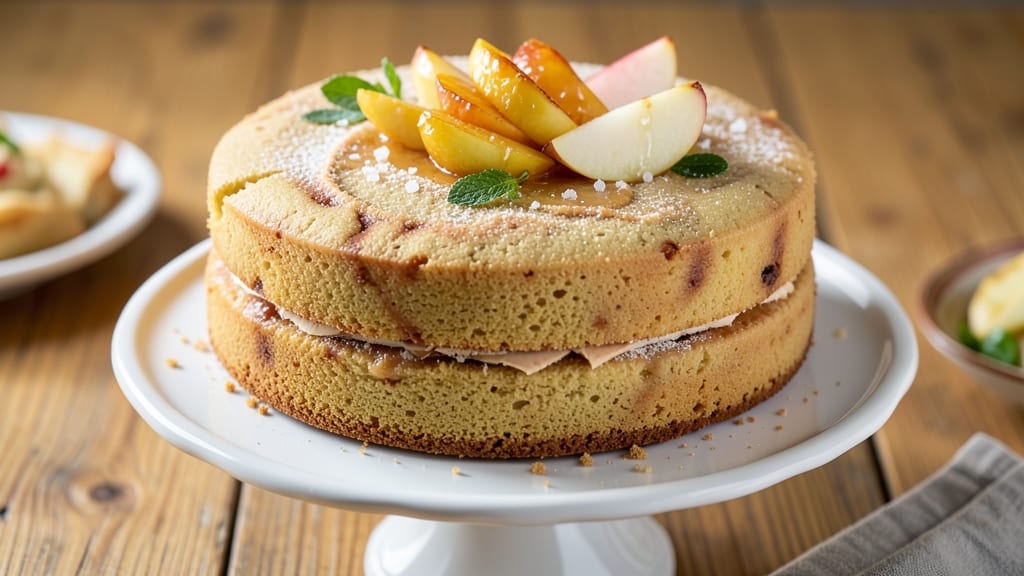
This no-sugar applesauce cake delivers moist, tender layers with warm cinnamon and nutmeg notes—no refined sugar in sight. The secret lies in applesauce replacing sweetener while keeping the texture rich and fluffy.
I’ve perfected this recipe over years of baking, ensuring every slice stays perfectly balanced between subtle sweetness and spiced warmth.
What makes this recipe special is its simplicity: just five key ingredients (plus pantry staples) come together for a cake that’s naturally sweet, lightly spiced, and impossible to resist.
The applesauce not only reduces sugar but also adds moisture, while a touch of vanilla and baking spices create that comforting, homestyle flavor. No fancy techniques—just precise measurements and patience for the perfect rise.
By the time it emerges from the oven, you’ll have golden, domed layers with a tender crumb that melts in your mouth. The warm spices infuse every bite, making it ideal for breakfast, dessert, or a cozy snack.
Best of all, it’s naturally sweetened without sacrificing texture or flavor—proof that desserts can be both indulgent and health-conscious.
Pair with a dollop of Greek yogurt or a sprinkle of cinnamon for extra warmth. The recipe scales easily, so you can bake a single layer for a quick treat or double it for gatherings. Here’s how to make it—foolproof and delicious every time.
Ingredients for applesauce cake recipe no sugar
Five key ingredients plus pantry staples—this cake delivers moist layers with warm spice notes.
| Ingredient | Amount | Notes |
|---|---|---|
| Unsweetened Applesauce 🍎 | 1 cup | Homemade or unsweetened store-bought |
| All-Purpose Flour 🌾 | 2 cups | Sifted for light texture |
| Granulated Sugar Substitute 🍯 | ½ cup | Coconut sugar or monk fruit sweetener |
| Unsalted Butter 🧈 | ¾ cup | Room temperature for creaming |
| Pure Vanilla Extract 🌿 | 1 tbsp | High-quality, no alcohol needed |
| Large Eggs 🥚 | 2 whole | Room temperature for best mixing |
| Baking Powder 🧂 | 2 tsp | Aluminum-free preferred |
| Ground Cinnamon 🌶️ | 2 tsp | Freshly ground for warmth |
| Ground Nutmeg 🌿 | ½ tsp | Freshly grated preferred |
| Salt 🧂 | ½ tsp | Fine sea salt preferred |
| Plain Greek Yogurt 🥛 | ½ cup | Full-fat for moisture |
| Granulated Sugar (for topping) 🍯 | 2 tbsp | Optional, omit for strict no-sugar |
The applesauce is the star here—unsweetened, no chunks. Mott's or Libby's work perfectly, but homemade is ideal if you've got time. The butter should be room temperature when you measure it; that creaming step makes all the difference. For the sweetener, coconut sugar adds caramel notes, while monk fruit keeps it completely sugar-free. I always grab my spices from Penzeys—their ground cinnamon and nutmeg have the most vibrant flavor, but any high-quality brand works. The Greek yogurt adds moisture without making the cake dense.
No applesauce? Pumpkin puree works in a pinch—just reduce the flour slightly. Running low on vanilla? Almond extract at half the amount gives a similar depth. The baking powder is crucial—don't swap it for baking soda unless you add an acid like lemon juice. For the sugar substitute, erythritol or stevia blend works too, but coconut sugar is my go-to for that natural sweetness. The optional topping sugar? Skip it completely if you're avoiding sugar, or use coconut sugar for a caramel finish. The eggs should be at room temperature when you mix them—just take them out 30 minutes before baking.
This batter keeps in the fridge for up to 48 hours if you want to prep ahead. The cake itself stays fresh for 3-4 days covered at room temperature, or 5 days in the fridge. For longer storage, wrap tightly and freeze for up to 3 months. I always bake mine in two 8-inch pans for perfect layers—just grease them well or use parchment strips. The warm spices infuse best when the cake cools completely, so don't rush that part. Leftovers? Reheat slices in a 200°F oven for 5 minutes to restore moisture.
Why You'll Love This Recipe
- No-Fuss Mix-In: I swear by this recipe when I’m too tired to measure—just fold the unsweetened applesauce right into the flour and sugar substitute. The butter and vanilla smooth it all out, so you’re basically mixing wet and dry ingredients in one bowl. Honestly, my 10-year-old “helps” by dumping everything in, and it still turns out moist and tender.
- Vanilla-Butter Magic: That first bite? Warm, buttery layers with a subtle vanilla kiss that makes it taste like a bakery treat, not a “healthy” compromise. The applesauce keeps it from being dry, and the sugar substitute gives just enough sweetness to make it crave-worthy—without the crash.
- Weeknight or Dessert Table: Slice it warm for breakfast with a sprinkle of cinnamon, or let it cool for a no-guilt afternoon snack. I’ve even packed it in lunchboxes (it holds up better than you’d think) and used it to impress guests who never believe it’s sugar-free. Between us, they’re always asking for seconds.
- Budget Buster: Applesauce stretches the butter, the sugar substitute is a fraction of refined sugar, and flour’s cheap—this cake costs me half what store-bought would. Plus, leftovers stay fresh for days (I freeze slices for lazy mornings), so you’re basically getting two desserts for the price of one. My wallet thanks me every time.
Step-by-step instructions for applesauce cake without sugar
Here's how to create a perfectly moist, spiced cake using your exact ingredients.
Cream Butter and Sugar Substitute
In a stand mixer fitted with the paddle attachment, beat the 0.75 cup unsalted butter (room temperature) and 0.5 cup granulated sugar substitute on medium speed for 3-4 minutes. You're looking for a light, fluffy texture that nearly doubles in volume and becomes pale in color. This creaming process incorporates air, which creates that tender crumb we're after.
I like to scrape down the sides of the bowl every minute or so to ensure everything gets evenly incorporated. The mixture should look smooth and slightly thickened—this is your foundation for a tender cake. If it feels too soft, let it sit at room temperature for another 5 minutes before proceeding. The butter needs to be soft but not melted, or your cake will turn out dense.
Mix in Applesauce and Eggs
Add the 1 cup unsweetened applesauce, 0.5 cup plain Greek yogurt, and 1 tbsp pure vanilla extract to the butter mixture. Mix on low speed for 1 minute until fully combined. The applesauce will make the batter look slightly thinner, but don't worry—this is exactly what we want for that signature moist texture.
Next, add the 2 whole large eggs, one at a time, mixing on low speed for 30 seconds after each addition. This gradual addition prevents the eggs from scrambling in the mixer. The batter should now be smooth and well-blended, with no visible streaks of egg. If it looks too thick, you can add 1-2 tablespoons of water to help it come together more easily.
Combine Dry Ingredients
In a separate bowl, whisk together the 2 cups all-purpose flour, 2 tsp baking powder, 2 tsp ground cinnamon, 0.5 tsp ground nutmeg, and 0.5 tsp salt. Sifting the flour is crucial here—it prevents lumps and ensures an even distribution of leavening agents throughout the batter. If you don't have a sifter, whisk vigorously for 1 minute to break up any potential clumps.
With the mixer on low speed, gradually add the dry ingredients to the wet mixture. Mix just until combined—you should still see some flour streaks. Overmixing develops gluten, which can make the cake tough. Stop mixing as soon as the batter comes together. The texture should be thick but pourable, similar to a well-stirred cake batter. If it's too stiff, add 1-2 tablespoons of water to loosen it.
Prepare and Bake the Cake
Preheat your oven to 350°F and grease two 8-inch round cake pans (or one 9x13-inch pan). Line the bottoms with parchment paper for easy removal. Divide the batter evenly between the pans—you should have about 1 cup per pan if using rounds. For a 9x13-inch pan, pour all the batter in at once.
Bake for 30-35 minutes (or 40-45 minutes for the 9x13-inch pan) until a toothpick inserted into the center comes out clean. The edges should be golden brown, and the top should spring back slightly when pressed gently. If the top browns too quickly, tent the pans with aluminum foil to prevent over-browning while the center finishes baking. The cake is done when it's fully set but still moist—this is the magic of the applesauce and yogurt.
Add Topping and Cool
While the cake is still warm, sprinkle the 2 tbsp granulated sugar (if using) evenly over the top. This step is optional but adds a subtle sweetness and a nice contrast to the warm spices. If you're omitting sugar for a strict no-sugar version, skip this step or use a dusting of ground cinnamon for flavor instead.
Let the cakes cool in the pans for 10 minutes, then transfer them to a wire rack to cool completely. This gradual cooling prevents cracking and ensures the layers hold together beautifully. Once fully cooled, you can slice and serve. The cake should be moist, tender, and fragrant with warm cinnamon and nutmeg notes—no added sugar needed to satisfy your sweet tooth!
Pro Tips For Making Applesauce Cake Recipe No Sugar
- Mix Dry First: Dump the flour, sugar substitute, and spices into the bowl before adding wet ingredients—this keeps the batter from getting gummy. I used to ignore this, and my cakes turned out dense and sticky every time. Trust me, the few extra seconds save you from a sad, heavy crumb.
- Chill the Batter: Let the batter sit for 10-15 minutes after mixing—this helps the flour absorb moisture and prevents a crumbly texture. I learned this the hard way when my first batch fell apart in the oven. (Yes, even if you’re impatient like me.)
- Butter Matters: Use cold, cubed butter (not melted) for flakier layers—cut it into the dry ingredients until it’s pea-sized for the best texture. My grandmother swore by this, and she was right: room-temp butter makes a cake that’s tender, not greasy.
- Bake Until Slightly Under: Pull the cake out when the center still wobbles—it’ll firm up as it cools. Overbaking dries out the applesauce moisture, and that’s a fast track to a tough cake. (Your future self will thank you.)
Common mistakes when making this dish
Overmixing the Batter
I’ve seen this happen more times than I can count—people mix the batter until it’s smooth and shiny, thinking it’s better. But here’s the truth: overmixing develops gluten in the flour, which leads to a tough, dense cake instead of that tender crumb we’re after.
Once the dry ingredients are fully incorporated (you should still see some flour streaks), stop mixing immediately. The batter should be thick but pourable, not smooth like pancake batter.
If you’re unsure, use a spatula to gently fold in the last bit of flour rather than relying on the mixer. 💫
Skipping the Room-Temp Butter
Cold butter is the silent killer of a perfect cake texture. If your butter is straight from the fridge, it won’t cream properly with the sugar substitute, and your cake will turn out dense and flat.
Let it sit at room temperature for at least 30 minutes before starting—press your finger into it; if it leaves a slight indent, it’s ready. Pro tip: Cut the butter into smaller pieces to speed up the process.
Trust me, this small step makes all the difference in that light, airy texture. ⏰
Using Sweetened Applesauce
This is a game-changer for flavor and moisture, but sweetened applesauce can throw off the balance in your no-sugar cake. The added sugars will make the cake taste overly sweet and can cause uneven baking. Stick to 100% unsweetened applesauce—brands like Mott’s or Libby’s work perfectly.
If you’re making homemade applesauce, strain out any chunks to avoid texture issues. The natural sweetness from the applesauce and sugar substitute will be just right. 🍎
Overfilling the Cake Pans
I’ve seen cakes that looked like they were about to burst out of the pan—don’t make this mistake! Overfilling your cake pans can cause the batter to spill over, creating a messy cake with uneven baking.
For 8-inch round pans, fill them about two-thirds full (about 1 cup of batter per pan). If you’re using a 9x13-inch pan, fill it to about halfway (roughly 4 cups of batter). This ensures even baking and a domed top that’s perfect for slicing. 🔥
Ignoring the Cooling Time
Patience is key here—rushing the cooling process can lead to cracks or a cake that falls apart when slicing. Let the cakes cool in the pans for 10 minutes before transferring them to a wire rack. This gradual cooling helps set the structure.
Then, let them cool completely before slicing. I know it’s tempting to dig in right away, but waiting ensures every slice is perfect. If you’re really impatient, cover the cooled cakes loosely with plastic wrap to keep them moist while you wait. ✨
Substituting Baking Powder
Baking powder is essential for lift, and swapping it for baking soda without an acid can turn your cake into a flat pancake. If you’re out of baking powder, use 1 tsp baking soda + 1 tsp lemon juice or vinegar per 2 tsp baking powder in the recipe.
But if you’re just substituting baking soda for baking powder without the acid, your cake won’t rise properly. Stick to the recipe as written, or you’ll end up with a dense, sad cake. 🧂
Nutrition facts
Frequently asked questions
Can I use regular sugar instead of the substitute?
You can absolutely use regular granulated sugar if you prefer! Replace the 0.5 cup sugar substitute with 0.75 cup regular sugar for a more traditional sweetness level. The cake will still be moist thanks to the applesauce and yogurt, but expect a slightly denser texture since sugar absorbs more liquid than substitutes like coconut sugar.
How do I make this cake vegan?
For a vegan version, replace the 2 eggs with 2 flax eggs (2 tbsp ground flaxseed + 6 tbsp water, mixed and rested for 5 minutes) and use vegan butter or coconut oil. The applesauce and yogurt can be swapped for unsweetened almond milk yogurt or more applesauce. The flavor will be just as warm and comforting!
Why does my cake turn out dense?
Dense cake usually means one of three things: overmixing the batter (develops tough gluten), cold butter that didn't cream properly, or underbaking. Always mix just until combined (flour streaks should remain), ensure your butter is room temperature, and bake until a toothpick comes out clean. The applesauce and yogurt work together to keep it moist—never skip either!
Can I add nuts or chocolate chips?
Yes! Fold in 1 cup chopped walnuts or pecans with the dry ingredients, or add 0.5 cup mini chocolate chips (use dairy-free if vegan). For chocolate lovers, try replacing 0.25 cup applesauce with melted dark chocolate. Just be gentle when mixing to avoid deflating the batter.
How long will this cake keep?
Store wrapped at room temperature for 3-4 days, or in the fridge for 5-6 days. For longer storage, freeze slices wrapped tightly for up to 3 months. The warm spices actually intensify when stored properly, making it taste even more comforting over time. Thaw overnight in the fridge for best texture.