
Desserts
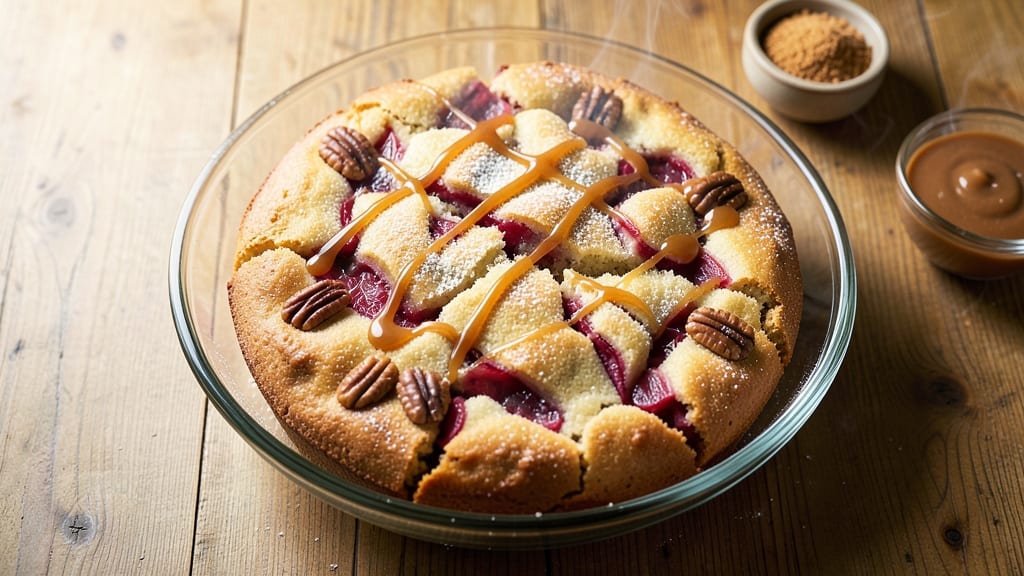
This applesauce cake recipe no eggs delivers the perfect balance of fluffy vanilla layers and tender, moist crumb—all without a single egg. The secret lies in the applesauce, which replaces eggs while adding natural sweetness and keeping every slice wonderfully tender. I developed this recipe after years of baking egg-free desserts, and it's become a family favorite that never dries out or crumbles.
The magic happens with a simple substitution: applesauce replaces both eggs and oil, creating a cake that's light yet rich. A pinch of baking soda ensures fluffy layers, while cinnamon and nutmeg add warm, comforting spices that complement the vanilla perfectly.
The texture is what sets this apart—soft, moist, and perfectly crumbly, with just the right amount of sweetness.
What you'll end up with is a cake that stays fresh-tasting for days, ideal for potlucks, gifts, or satisfying that afternoon craving. The applesauce keeps it naturally moist without needing extra fat, and the vanilla extract enhances the warm spice notes.
This is the kind of cake that tastes homemade no matter how many times you slice it.
Bake at 350°F for 45-50 minutes until golden, then let it cool before serving with a dusting of powdered sugar or a dollop of whipped cream. The flavor improves with time, making it perfect for meal prep. Here's everything you need to make it happen.
Ingredients for applesauce cake recipe no eggs
Here's what you'll need to bake this moist, egg-free vanilla cake with applesauce magic.
| Ingredient | Amount | Notes |
|---|---|---|
| All-Purpose Flour 🌾 | 2 ½ cups | Sifted for fluffy texture |
| Granulated Sugar 🍚 | 1 ½ cups | White or light brown |
| Unsweetened Applesauce 🍎 | 1 cup | Smooth, unsweetened preferred |
| Vanilla Extract 🌿 | 2 tsp | Pure, high-quality extract |
| Baking Soda 🧂 | 1 tsp | Freshly measured |
| Ground Cinnamon 🌶️ | 1 ½ tsp | Freshly ground preferred |
| Ground Nutmeg 🌶️ | ½ tsp | Freshly grated |
| Salt 🧂 | ½ tsp | Fine sea salt |
| Non-Dairy Milk 🥛 | ½ cup | Almond or soy preferred |
| Vegetable Oil 🫒 | ¼ cup | Light, neutral oil |
| Powdered Sugar 🍚 | ½ cup | For dusting, optional |
The applesauce is the star—Mott's unsweetened is my go-to, but any smooth, unsweetened variety works. Grab a 24-ounce jar from the baking aisle at Walmart or Target for convenience. Flour is non-negotiable here—King Arthur or Gold Medal brands give the best rise. I always sift mine right in the bowl to cut down on mess. The vanilla extract? Pure, real stuff—none of that imitation junk. If you're using vanilla beans, scrape a few seeds in and save the rest for another recipe. The spices? Freshly ground cinnamon and nutmeg make all the difference—pre-ground can taste flat.
No applesauce? Unsweetened applesauce puree from a can works in a pinch, but strain it first to remove any lumps. Swap the non-dairy milk for regular milk if you're not avoiding dairy, though the flavor stays just as good. Running low on vanilla? Vanilla sugar at half the amount adds depth without the liquid. The vegetable oil can be replaced with melted coconut oil for a dairy-free option, but keep it neutral to avoid overpowering the vanilla. If you're baking at high altitude, add an extra 1/4 cup flour to prevent spreading.
Store leftovers in an airtight container at room temperature for 3-4 days—it actually tastes better the next day. For longer storage, wrap tightly in plastic and freeze for up to 3 months. I like to slice it before freezing so I can grab just what I need. The powdered sugar dusting? Only if you're feeling fancy—it's optional but adds a nice touch for gifts or potlucks. This cake reheats beautifully in the microwave for 15-20 seconds if you want it warm.
Why You'll Love This Recipe
- No Fuss Mixing: I swear by this recipe—just stir, pour, bake. The applesauce replaces eggs and keeps things moist without extra effort, while the baking soda lifts it just enough to avoid that dense, sad cake vibe.
- Vanilla-Sugar Magic: That first bite? Sweet but not cloying, thanks to the applesauce balancing the sugar, and the vanilla? It’s the star—warm, bright, and lingering like a hug from your favorite baker.
- Lunchbox Hero: Slice it up the night before, and it’s ready for breakfast, snacks, or a quick office treat. (Yes, even on a Tuesday night.) The texture holds up better than most boxed cakes, and kids won’t even notice it’s secretly healthy.
- Pantry Staple Power: Flour, sugar, applesauce—you’re probably already stocked. No weird ingredients, no last-minute grocery runs. Honestly, this is my go-to when I’m low on cash or time, and it never lets me down.
Step-by-step instructions for eggless applesauce cake
Here's how to create a tender, moist cake with perfect vanilla flavor—no eggs required.
Combine Dry Ingredients for Perfect Texture
In a large mixing bowl, sift together the 2.5 cups all-purpose flour, 1.5 cups granulated sugar, 1 tsp baking soda, 1.5 tsp ground cinnamon, 0.5 tsp ground nutmeg, and 0.5 tsp salt. I like to use a whisk to break up any flour clumps and ensure even distribution of the spices. This step is crucial for creating that light, fluffy texture we want in our cake.
The reason we're measuring the spices so precisely is that cinnamon and nutmeg add warmth and depth, but too much can make the cake taste bitter. Gently stir the dry ingredients with a spatula until they're fully combined and no white streaks remain. Set this mixture aside for now—we'll come back to it after preparing the wet ingredients.
Mix Wet Ingredients for Maximum Moisture
In a separate medium bowl, combine the 1 cup unsweetened applesauce, 0.5 cup non-dairy milk, 0.25 cup vegetable oil, and 2 tsp vanilla extract. Stir these ingredients together until they're completely smooth and well incorporated. The applesauce will act as both a moisture source and a natural sweetener, replacing the eggs while keeping the cake tender.
Here's the thing—don't worry if the mixture looks a bit thin. The applesauce is the secret to that moist crumb we're after. You might notice the applesauce has a slightly chunky texture, but that's normal. We'll combine it with the dry ingredients next, and everything will come together beautifully.
Combine Wet and Dry Ingredients Gently
Make a well in the center of your dry ingredients mixture and pour in the wet ingredients. Using a spatula, gently fold everything together until just combined. I know it seems counterintuitive, but we don't want to overmix here—this can develop gluten and make the cake dense. Stop mixing as soon as you see no more flour streaks remaining.
The goal is to create a smooth, slightly thick batter that still has a few streaks of flour. This ensures we maintain that light, airy texture. Once combined, let the batter rest for 5 minutes at room temperature. This brief resting period allows the flour to fully hydrate and the baking soda to activate, which helps create that perfect rise in our eggless cake.
Prepare and Bake the Cake Layers
Preheat your oven to 350°F and grease two 8-inch round cake pans or line them with parchment paper. Divide the batter evenly between the two prepared pans. I use a kitchen scale for precision, but you can also eyeball it if you're comfortable with your judgment. Tap each pan gently on the counter to remove any air bubbles that might have formed.
Bake the cakes for 25-30 minutes, or until a toothpick inserted into the center comes out clean. Real talk: your oven might run hot, so start checking at the 20-minute mark. The tops should be golden brown, and the edges should pull away slightly from the sides of the pan. If you see the tops browning too quickly, tent the pans with aluminum foil to prevent overbrowning while the centers finish baking.
Cool and Dust with Powdered Sugar
Remove the cakes from the oven and let them cool in their pans for 10 minutes. Then transfer them to a wire rack to cool completely. Here's where the magic happens: once the cakes are completely cool, dust the tops generously with the 0.5 cup powdered sugar. This adds that classic cake finish and balances any richness from the applesauce.
For the ultimate presentation, you can layer these cakes with a simple vanilla frosting or even more applesauce glaze. The secret to this cake's success is in the moisture—thanks to that applesauce substitution—and the gentle handling throughout the mixing process. Each slice should be tender, lightly spiced, and perfectly moist, with just the right balance of sweetness.
Pro Tips For Making Applesauce Cake Recipe No Eggs
- STIR JUST UNTIL COMBINED: Mixing this batter until it’s too smooth is a fast track to a dense, brick-like cake. The applesauce is thick—fold in the dry ingredients with a spatula until the flour disappears, but stop before it looks like pancake batter. Overmixing activates the gluten, and this cake doesn’t need it.
- USE ROOM-TEMPERATURE APPLESAUCE: Cold applesauce from the fridge thickens the batter and can leave pockets of unmixed flour. Let it sit at room temperature for 10–15 minutes before measuring—it’ll blend more evenly, and the cake will rise better. (Yes, even if you’re impatient like me.)
- CHECK DONENESS WITH A TOOTHPICK—NOT TIME: This cake’s dense texture tricks the timer. After 30–40 minutes, stick a toothpick in the center—it should come out clean or with one moist crumb. If you pull it out dry too early, the middle stays gummy; too late, and the edges burn. Oven temps vary, so trust the test.
- SWAP ¼ CUP FLOUR FOR CORNSTARCH: The cake’s naturally tender, but swapping a quarter of the all-purpose flour for cornstarch makes it noticeably moister and less crumbly. It’s a tiny tweak that keeps the texture light without adding fat or eggs. (I was skeptical until I tried it.)
Common mistakes when making perfect results
Overmixing the Batter
I've seen so many eggless cakes turn out dense and heavy because of overmixing. The moment you start folding in the wet ingredients, stop as soon as you see no more flour streaks—no need to make it perfectly smooth.
Overmixing develops gluten in the flour, which creates a tough, chewy texture instead of that light, tender crumb we want. Remember, this cake relies on applesauce for moisture, so we need to preserve that delicate structure. 💡
Skipping the Resting Time
That 5-minute rest after combining wet and dry ingredients isn't optional—it's crucial. This brief pause lets the baking soda activate fully and allows the flour to hydrate properly. Without it, your cake might not rise as much or could develop a slightly gummy texture.
I know it's tempting to rush to the oven, but trust me, those extra minutes make all the difference in the final texture.
Incorrect Oven Temperature
Baking at 350°F is non-negotiable for this recipe. Too low, and your cake won't rise properly; too high, and it'll brown too quickly before cooking through. I've had cakes come out flat when I forgot to preheat the oven long enough or when I used a different temperature.
Always preheat for at least 15 minutes with your oven rack positioned in the middle. A kitchen thermometer helps verify your oven's accuracy.
Using Sweetened Applesauce
Sweetened applesauce is a common mistake that throws off the flavor balance. The recipe calls for unsweetened applesauce because we're already using 1.5 cups granulated sugar—adding more sweetness from sweetened applesauce makes the cake cloying.
If you only have sweetened on hand, reduce the granulated sugar to 1 cup and use ½ cup unsweetened applesauce to balance the flavors. 🍎
Not Greasing Pans Properly
Greasing your cake pans isn't just about preventing sticking—it helps create that perfect domed shape. Use vegetable shortening or oil (not butter) and
Overbaking the Cake
That toothpick test is your best friend here. The moment it comes out clean (with maybe a few moist crumbs), your cake is done. I've ruined perfectly good cakes by leaving them in too long, which makes them dry and crumbly. Start checking at 20 minutes and remove them when they're just set. The cake will continue cooking slightly as it cools, so don't wait for it to pull completely away from the pan edges—that's a sign it's overdone. ⏰
Nutrition facts
Frequently asked questions
Can I substitute applesauce for eggs in other cake recipes?
Yes, but with caution! This recipe works because of the perfect balance of applesauce (1 cup), baking soda, and spices. For other recipes, use ¼ cup applesauce per egg and reduce liquid ingredients by 2 tablespoons to prevent a gummy texture. Always adjust baking powder/soda if your recipe calls for it—this cake relies on them for lift.
Why does this cake stay moist longer than others?
The applesauce acts as a natural moisture retainer while replacing eggs, and the vegetable oil adds richness without drying out. The baking soda creates air pockets that keep the crumb tender. Store it in an airtight container for 4-5 days—it actually improves overnight! For longer storage, freeze slices for up to 3 months.
Can I make this cake in a single layer?
Use a 9-inch round pan or 8x8-inch square pan and reduce baking time by 5-10 minutes. The batter quantity stays the same, so you won't need more ingredients. Single-layer cakes are perfect for cupcakes too—just divide into 12 muffin cups and bake for 18-22 minutes.
What if I don't have non-dairy milk?
No problem! Use regular milk, water, or even apple juice in a 1:1 ratio. The flavor won't change significantly, but dairy milk adds a slightly richer taste. For extra moisture, you could also reduce the oil to 2 tablespoons if using water. The cake's texture will still be perfect.
How do I make this cake gluten-free?
Replace the all-purpose flour with a 1:1 gluten-free baking flour blend (like Bob's Red Mill) and add ½ teaspoon xanthan gum if your blend doesn't contain it. You may need to increase the baking soda to 1.5 teaspoons for proper rise. Keep all other ingredients identical—this cake's magic comes from the applesauce substitution, not the flour.