
Sauces & Condiments
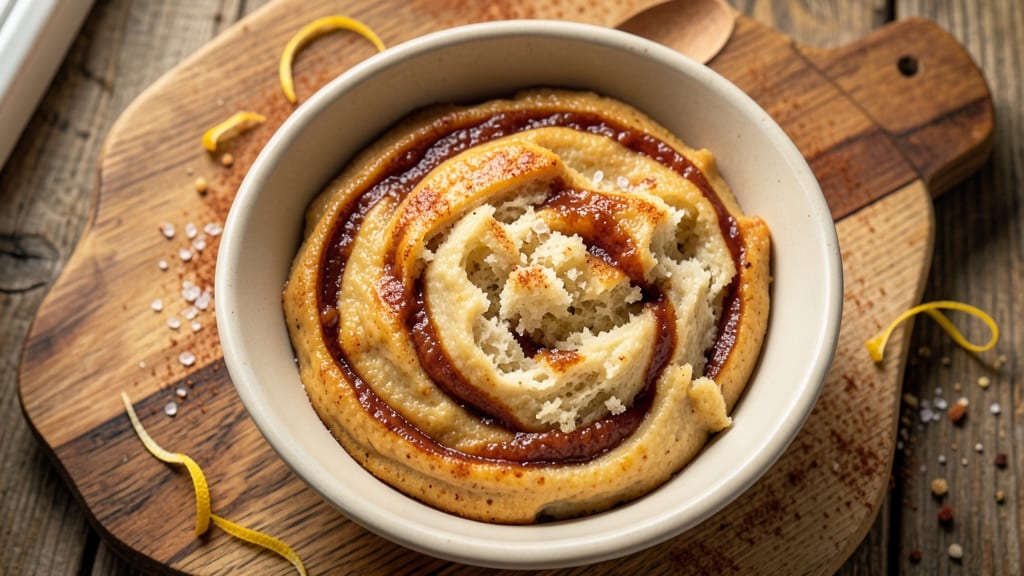
This applesauce bread recipe no sugar delivers all the comfort of classic bread—tender crumb, warm spices, and that perfect pull-apart texture—without the sugar. What makes it special is the applesauce substitution, which keeps the bread moist and flavorful while cutting unnecessary sweetness. I developed this recipe after years of baking with sugar substitutes, and the results are consistently impressive.
The secret to success lies in the right balance of applesauce and spices. You'll use unsweetened applesauce to replace sugar entirely, while cinnamon, nutmeg, and cloves create that cozy, spiced aroma.
The dough comes together quickly with basic pantry ingredients, and the proofing process ensures a light, airy texture. This bread is perfect for breakfast toast, sandwiches, or serving warm with butter.
What you'll end up with is a loaf that's moist without being dense, with a golden crust and a tender interior that stays fresh for days. The applesauce adds subtle sweetness while keeping the bread naturally flavorful, and the spices give it that comforting, bakery-style warmth.
It's the kind of bread that makes you feel like you're baking from scratch—even though it's easier than you'd expect.
Best of all, this recipe scales perfectly for any occasion. Make a single loaf for your family or double it for gatherings. The substitution method ensures you won't sacrifice texture or flavor, just the sugar. Let's get started on baking this guilt-free, spiced loaf.
Ingredients for applesauce bread recipe no sugar
These 13 ingredients create a moist, spiced loaf without a hint of sugar guilt.
| Ingredient | Amount | Notes |
|---|---|---|
| Unsweetened Applesauce 🍎 | 1 cup | Smooth texture preferred |
| All-Purpose Flour 🌾 | 3 ½ cups | Sifted for light texture |
| Active Dry Yeast 🍞 | ¼ oz | Or 2.5 tsp instant yeast |
| Warm Water 💧 | 1 ¼ cups | 110°F for yeast activation |
| Granulated Sugar-Free Sweetener 🍬 | ¼ cup | Erythritol or monk fruit blend |
| Ground Cinnamon 🌿 | 1 ½ tsp | Freshly ground preferred |
| Ground Nutmeg 🌿 | ½ tsp | Freshly grated nutmeg |
| Ground Cloves 🌶️ | ½ tsp | Whole cloves ground fresh |
| Salt 🧂 | 1 tsp | Diamond Crystal preferred |
| Unsalted Butter 🧈 | ½ cup | Softened, not melted |
| Large Eggs 🥚 | 1 whole | Room temperature preferred |
| Vanilla Extract 🌸 | 1 tsp | Pure vanilla preferred |
| Milk 🥛 | ¼ cup | Whole milk for richness |
The applesauce is non-negotiable here—Mott's unsweetened or store-brand works perfectly. For the spices, Penzeys or bulk bins at Whole Foods give the freshest grind, but don't stress if you've got pantry staples. The yeast should be fresh—if it smells old, toss it. Butter matters too: Plugrá or Land O'Lakes unsalted gives that perfect richness. Room-temperature egg and milk prevent lumps in the dough. Pro tip: warm your milk slightly before adding to help activate the yeast faster.
No applesauce? Unsweetened applesauce from a pouch works in a pinch, but it's thicker—add 1 tbsp water to thin it. Swap the sweetener for stevia blend if you prefer, but erythritol mimics sugar's texture better. Short on cinnamon? Cassia cinnamon at 1:1 ratio works, but fresh ground has more depth. The milk can be almond or oat milk if you're avoiding dairy, but whole milk gives the best crumb. For egg-free, flax egg (1 tbsp ground flax + 3 tbsp water) works perfectly.
This dough doubles in size during proofing, so don't overfill your pan. Grease the pan generously—I use butter and flour—to prevent sticking. Store wrapped at room temp for 2 days or freeze the loaf for 3 months. Toasting revives stale slices—350°F for 5-7 minutes brings back that bakery-fresh warmth. The crust stays crisp for hours, but the interior stays moist for days. Perfect for slicing thin for French toast or thick for sandwiches.
Why You'll Love This Recipe
- No-Fuss Mixing: I swear by the applesauce swap—just dump the flour, yeast, and warm water, then stir in that smooth unsweetened applesauce. No kneading, no mess, and the dough comes together faster than my morning coffee.
- Sweet Without Sugar: That sugar-free sweetener? It’s the secret. The bread stays tender but never cloying—just a subtle, warm sweetness that’s weirdly addictive (and guilt-free).
- Breakfast or Snack: I make a batch on Sundays, and it disappears by Wednesday. Toast it for breakfast, pack it for lunches, or serve it warm with cinnamon—it’s my go-to for lazy mornings and after-school hunger.
- Budget Stretch: A single can of applesauce replaces expensive butter or oil, and the yeast stretches a small dough into a whole loaf. My wallet thanks me, and so does my family (who won’t admit they love the cost-cutting).
Step-by-step instructions for applesauce bread no sugar
Here's how to craft a loaf with perfect moisture and spiced warmth—no refined sugar in sight.
Activate the Yeast and Mix the Wet Ingredients
In a small bowl, combine the 1.25 cups warm water (around 110°F) with the 0.25 oz active dry yeast. Let it sit for 5-10 minutes until frothy—this confirms the yeast is alive and ready to work. In a separate large bowl, whisk together the 1 cup unsweetened applesauce, 0.25 cup granulated sugar-free sweetener, 0.5 cup softened unsalted butter, 1 whole large egg, and 1 tsp vanilla extract until smooth.
This step ensures the yeast is properly activated and the wet ingredients are fully emulsified. The applesauce adds natural sweetness and moisture, while the sugar-free sweetener balances the flavors without spiking blood sugar. The butter and egg create a tender crumb, so don't skip this blending—it's the foundation of your bread's texture.
Combine Dry Ingredients and Form the Dough
In a separate bowl, sift together the 3.5 cups all-purpose flour, 1.5 tsp ground cinnamon, 0.5 tsp ground nutmeg, 0.5 tsp ground cloves, and 1 tsp salt. Gradually add the dry mixture to the wet ingredients while stirring with a wooden spoon until a shaggy dough forms. Pour in the 0.25 cup milk and mix until just combined.
Here's the thing—you want the dough to be slightly sticky but manageable. If it feels too dry, add 1 tablespoon warm water at a time until it comes together. Overmixing develops gluten, so stop as soon as the dough holds its shape. The spices should be evenly distributed, promising that warm, cozy flavor in every slice.
Knead and Let the Dough Rise
Turn the dough onto a lightly floured surface and knead for 5-7 minutes until smooth and elastic. The dough should spring back slowly when pressed. Place it in a lightly greased bowl, cover with a damp towel, and let it rise in a warm place for 1-1.5 hours or until doubled in size. This rise develops the gluten structure and creates that light, airy crumb.
I press down gently on the dough during the first minute of kneading—this prevents it from curling and ensures even contact with the surface. The rise time is crucial; if your kitchen is cold, place the bowl near a warm oven (turned off) to speed up the process. You'll know it's ready when the dough puffs up significantly and leaves an indent when touched.
Shape, Proof, and Bake to Golden Perfection
Punch down the risen dough and shape it into a loaf, placing it in a greased 9x5-inch loaf pan. Cover again and let it proof for 30-45 minutes until it rises 1 inch above the pan. Preheat your oven to 350°F while the dough proofs. Bake for 50-55 minutes until the top is golden brown and a toothpick inserted comes out clean.
This is the moment that matters: the bread should have a crackly top and pull away slightly from the sides of the pan. If the top browns too quickly, tent the loaf with foil after 25 minutes to prevent over-browning. The internal temperature should reach 190-195°F—this ensures a moist crumb without being gummy.
Cool and Slice for Maximum Enjoyment
Remove the bread from the oven and let it cool in the pan for 10 minutes, then transfer to a wire rack to cool completely. This resting period allows the moisture to redistribute, preventing a dense crumb. Once fully cooled, slice with a serrated knife for clean, even pieces.
Each slice should be moist, tender, and infused with warm spices. The sugar-free sweetener keeps the bread flavorful without the sugar crash, while the applesauce ensures that signature moistness. Serve warm with a pat of butter or a dollop of whipped cream for the ultimate guilt-free treat.
Pro Tips For Making Applesauce Bread Recipe No Sugar
- Test Yeast First: Skip straight to mixing and you’re flying blind—especially with sugar-free sweeteners that can slow yeast activity. Mix 1 packet yeast with ¼ cup warm water and 1 tsp sugar-free sweetener in a small bowl. If it doesn’t foam in 5 minutes, your yeast is dead or your water’s too hot. No foam? Start over with fresh yeast and water at 105°F (not boiling).
- Blend Applesauce Smooth: Lumpy applesauce = dense, uneven bread. Use a food processor or immersion blender to puree it until it’s silky, not chunky. I learned this the hard way—my first batch had a weird texture because I just mashed it with a fork. Trust me, the effort makes a real difference.
- Don’t Over-Knead: This dough’s delicate—knead it just until it pulls away from the bowl (about 5 minutes by hand). Overwork it and you’ll toughen the gluten, turning your soft bread into a chewy brick. I used to go overboard, thinking more kneading = better rise. Wrong.
- Use a Thermometer for Water: Yeast hates extremes, and guessing water temperature is a fast track to failure. Aim for 105–110°F—any hotter and you kill it; cooler and it won’t activate. I was skeptical until I tried it: my rise time dropped from 2 hours to 45 minutes after I stopped eyeballing it.
Troubleshooting this recipe
Dense or Gummy Texture
If your bread turns out dense or gummy, it’s likely from overmixing the dough or underbaking. I’ve found that the applesauce substitution can sometimes make the crumb stickier, so reduce the flour by ¼ cup if your dough feels too stiff.
Also, check your baking time—190-195°F internal temperature is key. If the center feels cool, bake 5-10 more minutes until fully set. 🌡️
Dough Not Rising
A dough that refuses to rise usually means the yeast is dead or the environment is too cold. First, test your yeast: Mix a pinch with warm water and sugar—if it doesn’t foam in 5 minutes, replace it.
Keep your dough in a warm spot (75-80°F); I place mine near the oven with the light on. If it still doesn’t rise, try adding 1 tsp extra sugar-free sweetener to activate the yeast faster.
Flat or Soggy Top
A flat or soggy top often happens when the oven isn’t hot enough or the dough isn’t proofed properly. Preheat your oven for at least 15 minutes and use an oven thermometer—many home ovens run 25°F cooler than set.
For a crisp top, brush with milk before baking or tent with foil if browning too fast. Also, ensure the dough rises 1 inch above the pan before baking.
Bitter or Harsh Taste
Too much cinnamon or cloves can make the bread taste bitter. Stick to the 1.5 tsp cinnamon and 0.5 tsp cloves ratio—these spices are potent! If your bread tastes off, reduce the spices by half next time.
For extra sweetness without sugar, add 1 tbsp honey or maple syrup to the wet ingredients (though this adds minimal sugar). The applesauce should provide enough natural sweetness.
Crumbling or Dry Crust
A dry or crumbly crust usually means the dough was too dry or the butter wasn’t softened enough. Soften the butter properly (it should dent when pressed) and add 1 tbsp milk if the dough feels too stiff.
For a better crust, brush the top with melted butter before baking. If the bread still crumbles, cover it with a damp towel while cooling to retain moisture.
Uneven Browning
If one side browns faster, your oven has hot spots or the pan isn’t level. Rotate the pan halfway through baking. For even browning, place a baking sheet on the lower rack to reflect heat upward.
If the top browns too quickly, tent with foil after 25 minutes and check the internal temperature—it should reach 190-195°F before pulling it out. 🔥
Nutrition facts
Frequently asked questions
Can I substitute regular sugar for the sugar-free sweetener?
While you can technically use sugar, the recipe is designed to be naturally sweetened without refined sugar. If you add sugar, reduce the applesauce by 2 tablespoons to maintain moisture balance. The spices already provide depth, so extra sweetness may overpower the warm flavors. For best results, stick with the sugar-free sweetener like erythritol or monk fruit blend.
How do I store this bread to keep it fresh longer?
Wrap the cooled loaf tightly in plastic wrap or place it in an airtight container. Store at room temperature for up to 3 days, or freeze for 3 months for maximum freshness. To revive stale slices, warm them in a 350°F oven for 5-7 minutes—they'll taste almost as good as fresh!
Why does my dough feel too sticky?
The applesauce substitution makes the dough naturally stickier than traditional bread dough. Add 1 tablespoon flour at a time until it's manageable, but don't overdo it—too much flour creates a dense crumb. If working with sticky dough, wet your hands slightly to prevent sticking while kneading.
Can I make this bread without eggs?
Yes! Replace the egg with a flax egg (1 tablespoon ground flaxseed + 3 tablespoons water). Let it sit for 5 minutes to thicken before adding to the wet ingredients. The flax egg provides binding and moisture, though the texture may be slightly denser. For extra richness, add 1 tablespoon melted butter to compensate.
What's the best way to tell if the bread is fully baked?
Use the toothpick test: Insert a toothpick into the center—it should come out clean with no wet crumbs. The internal temperature should reach 190-195°F. If the top browns too quickly, tent with foil after 25 minutes to prevent over-browning while ensuring the center is fully cooked.